— Ideas & inspiration
Desert House
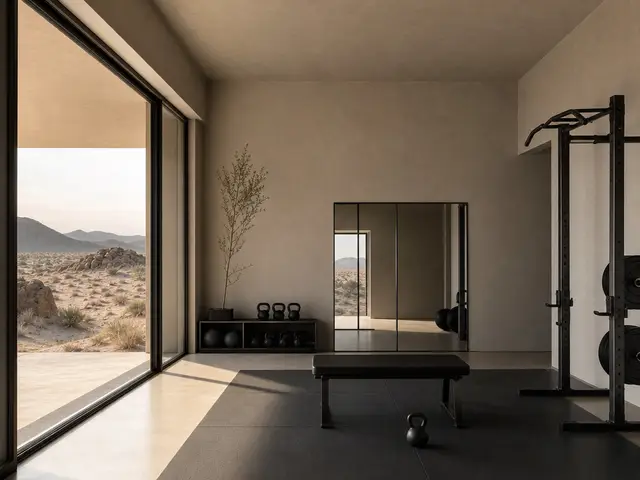
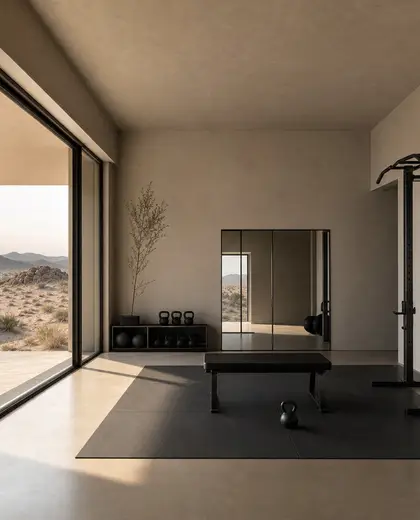
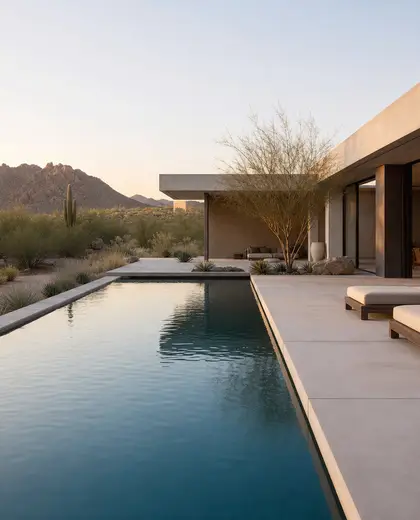
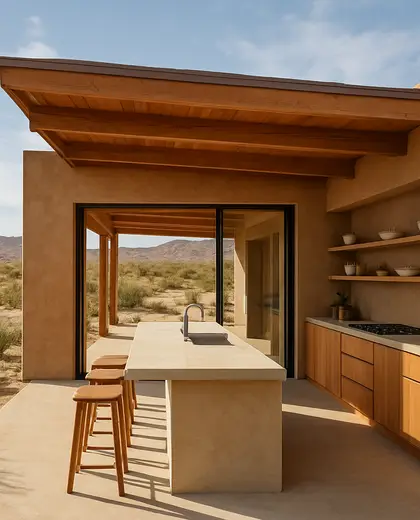
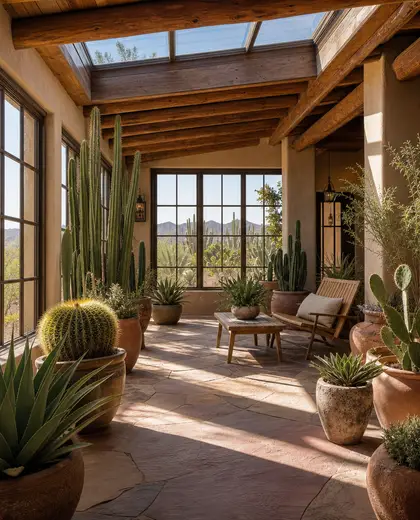
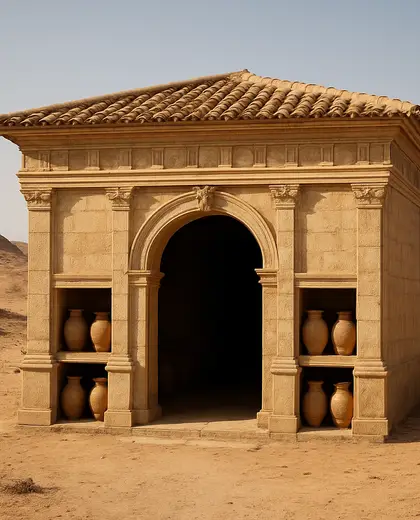
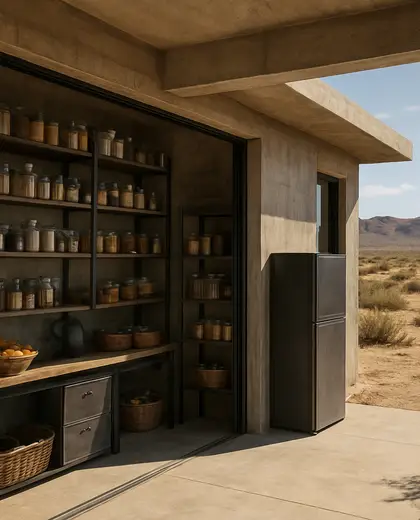
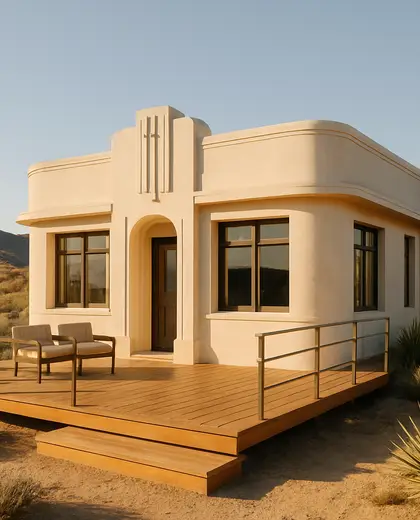
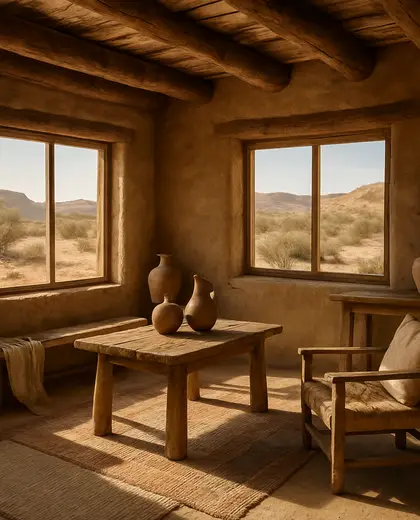
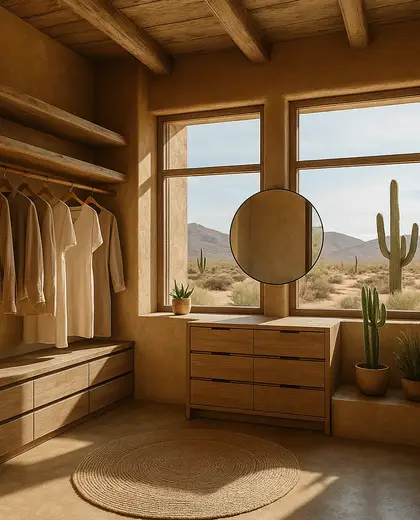
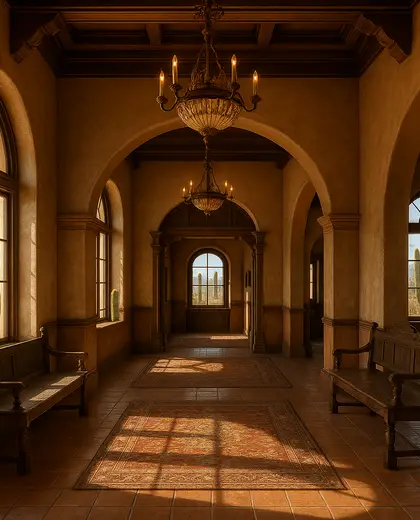
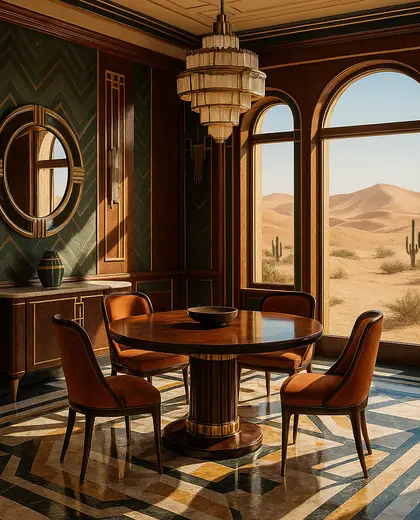
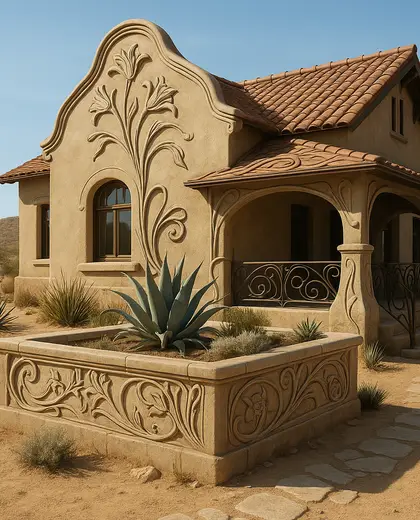
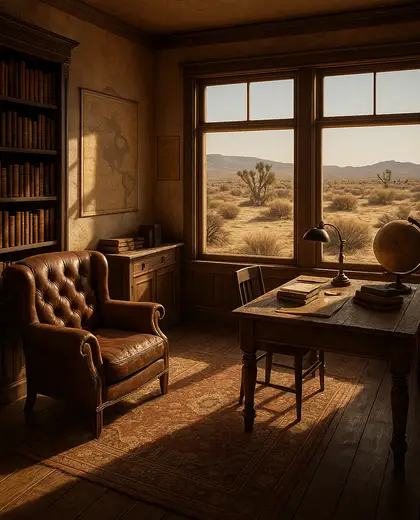
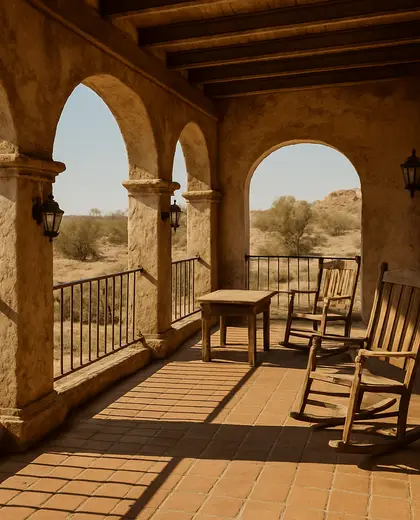
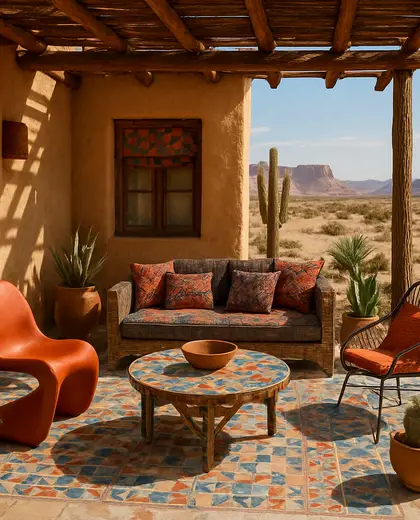
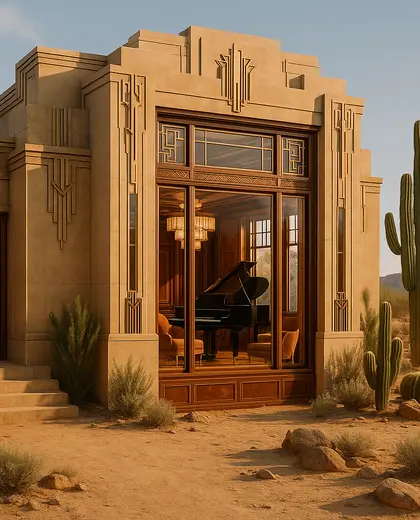
A desert house is defined by heavy thermal materials, shaded openings, and forms that sit low and quietly in the landscape. Common choices include adobe, rammed earth, stone, stucco, and weathered wood, paired with deep overhangs, courtyards, and screened outdoor rooms. The palette usually stays close to sand, clay, sun-bleached beige, ochre, and muted earth tones.
- house
- desert
— References
References to explore
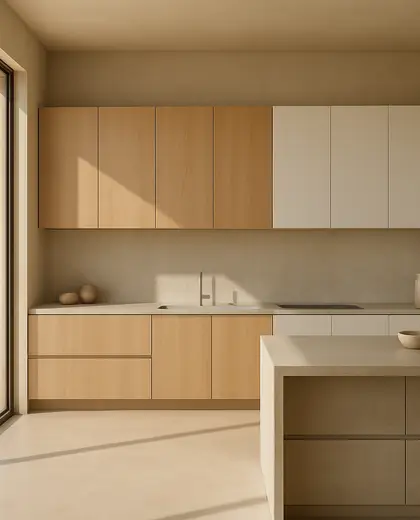
How do you keep a desert house cool without overusing air conditioning?
Use thermal mass, small or shaded openings, cross-ventilation, courtyards, and deep roof overhangs to reduce heat gain.
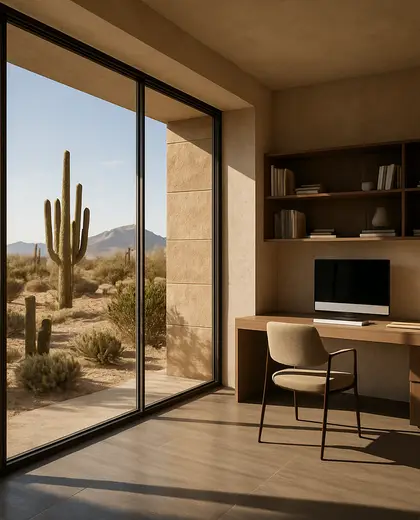
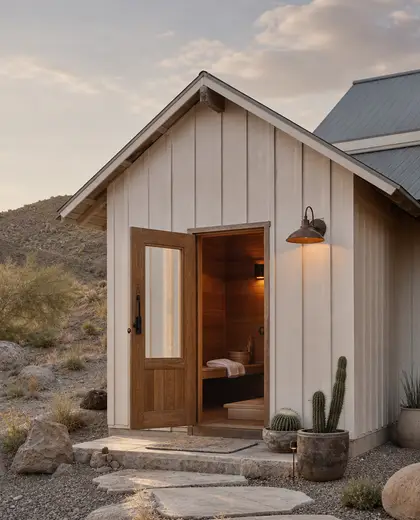
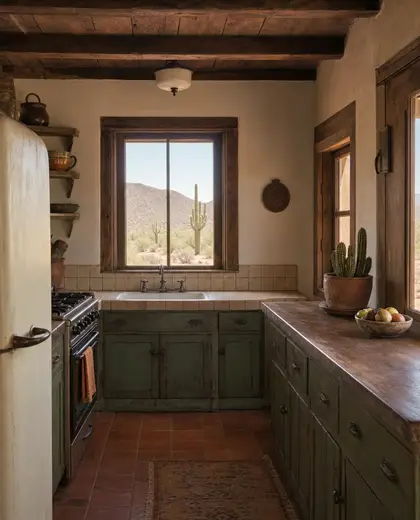
What exterior materials age well in desert climates?
Rammed earth, stucco, stone, sealed concrete, and durable wood finishes tend to work well when detailed for sun and dryness.
Can a desert house still feel modern?
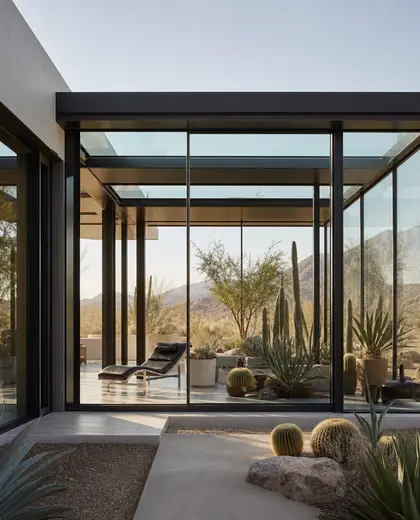
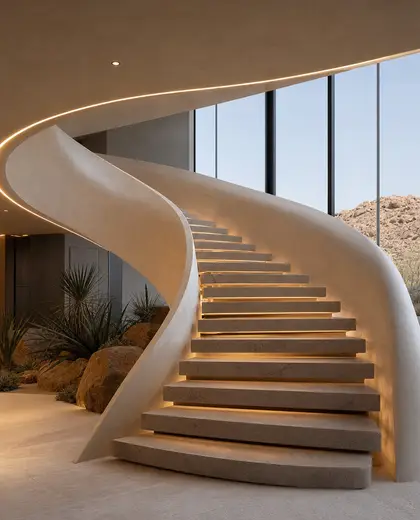
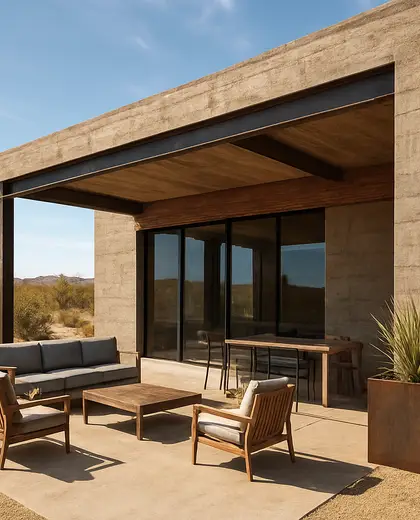
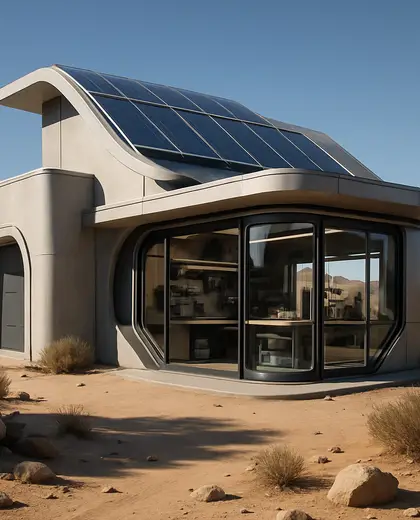
Yes. Modern desert houses often use clean volumes, restrained detailing, and large shaded glazing while keeping the material palette earthy and calm.
— The style
What defines it
Adobe, rammed earth, stucco, stone, concrete, and timber that can handle heat and dry conditions.
Sand, clay, beige, warm white, terracotta, ochre, and muted browns with low-glare finishes.
Thick walls, shaded patios, courtyards, breezeways, and desert planting for cooling and privacy.
— Professionals
Who has already built it
- vorbild architecturearchitects · 6 projectsView profile →
- kerem erbagci3d renderers · London · 9 projectsView profile →
- paquis norris group limitedbuilders · Reading · 3 projectsView profile →
- LoftRobejoiners · Guildford · 4 projectsView profile →
— Explore
Keep exploring
— Questions
Frequently asked questions
How do you keep a desert house cool without overusing air conditioning?
Use thermal mass, small or shaded openings, cross-ventilation, courtyards, and deep roof overhangs to reduce heat gain.
What exterior materials age well in desert climates?
Rammed earth, stucco, stone, sealed concrete, and durable wood finishes tend to work well when detailed for sun and dryness.
Can a desert house still feel modern?
Yes. Modern desert houses often use clean volumes, restrained detailing, and large shaded glazing while keeping the material palette earthy and calm.