— Ideas & inspiration
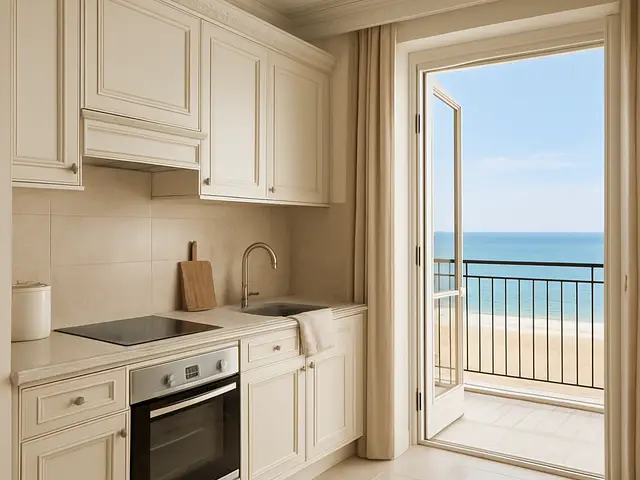
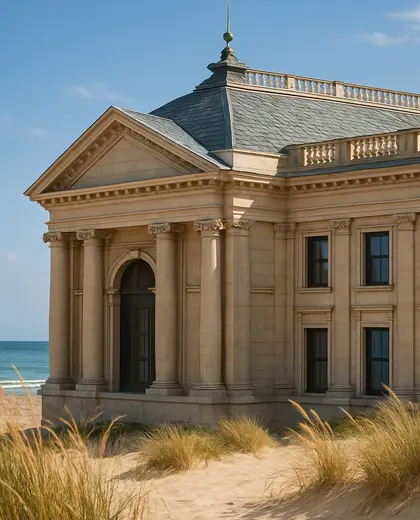
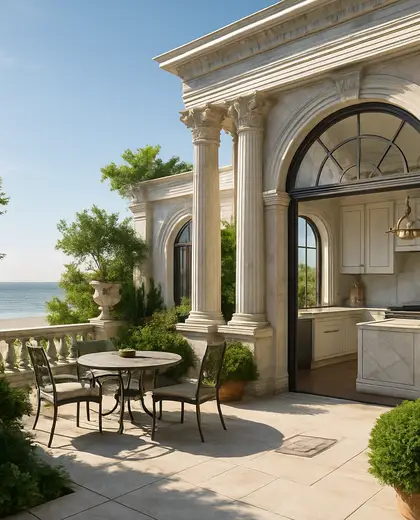
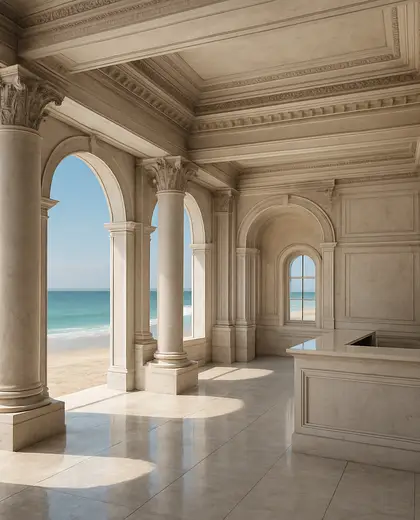
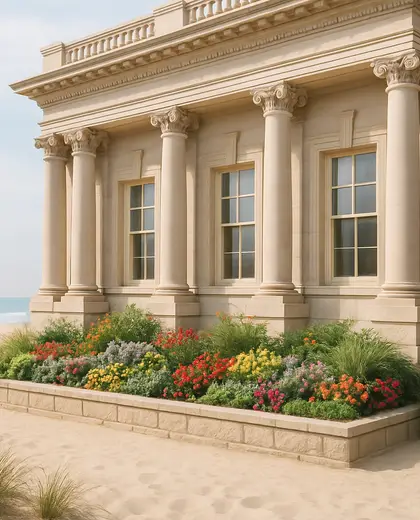
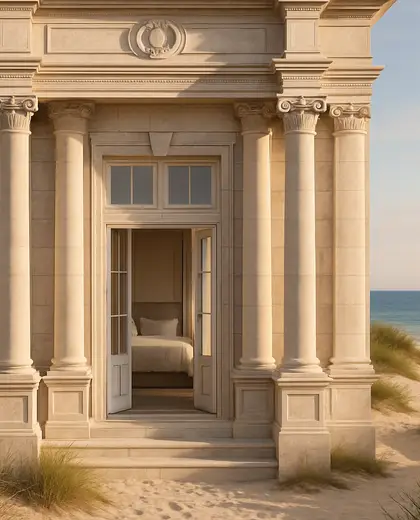
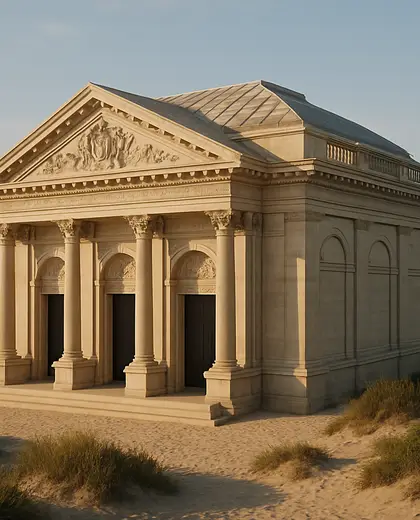
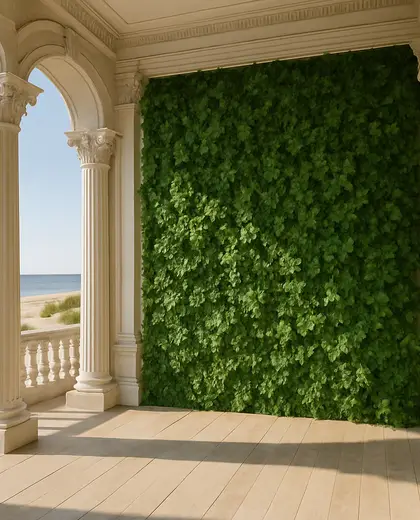
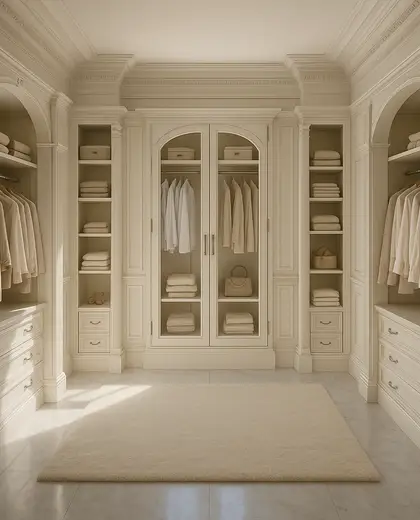
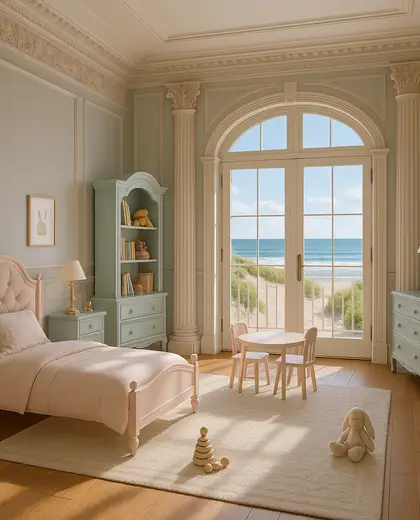
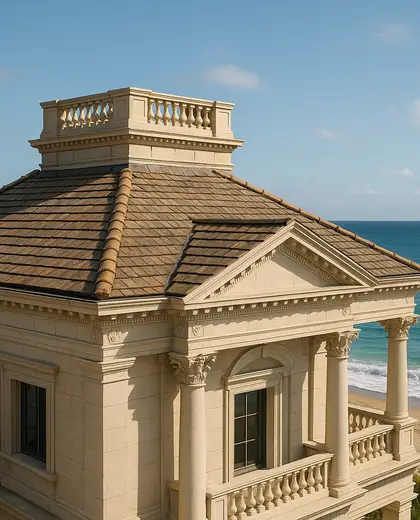
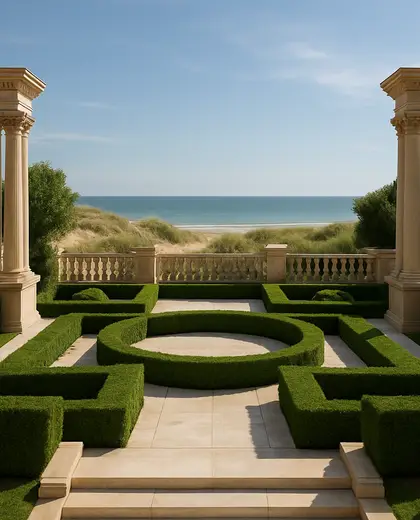
Neoclassical elegance by the beach
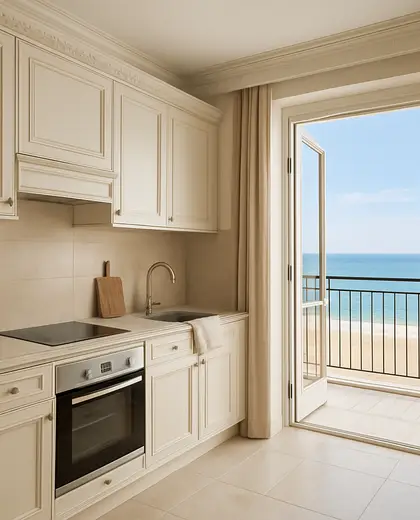
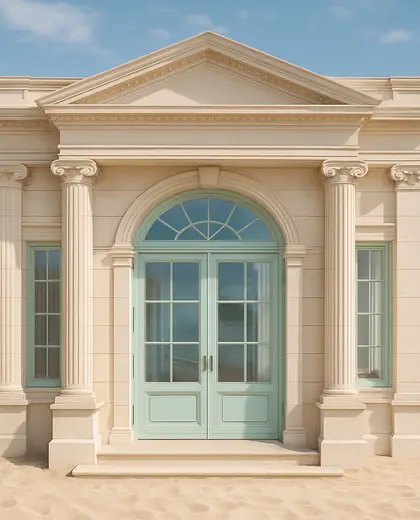
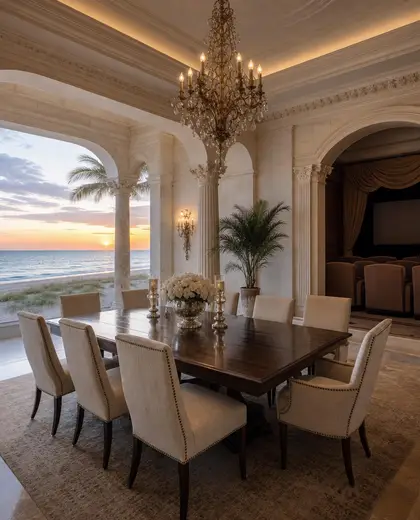
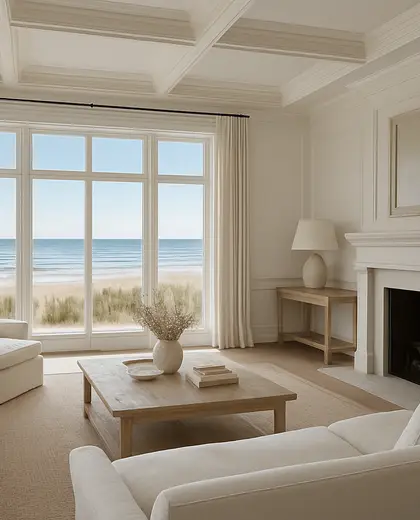
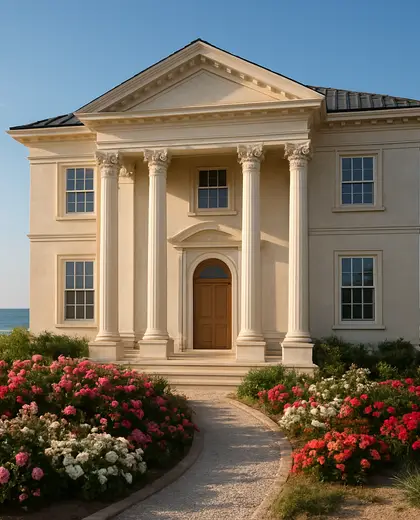
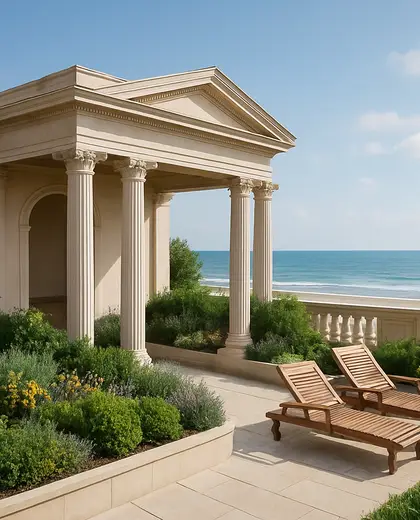
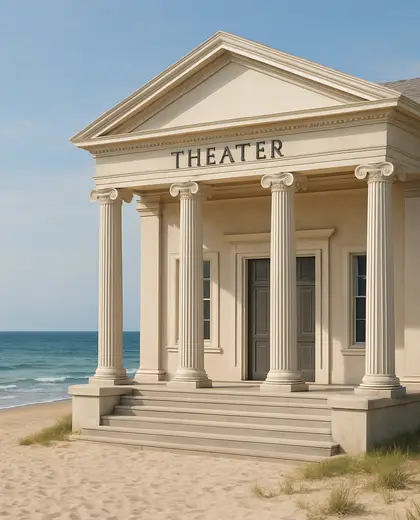
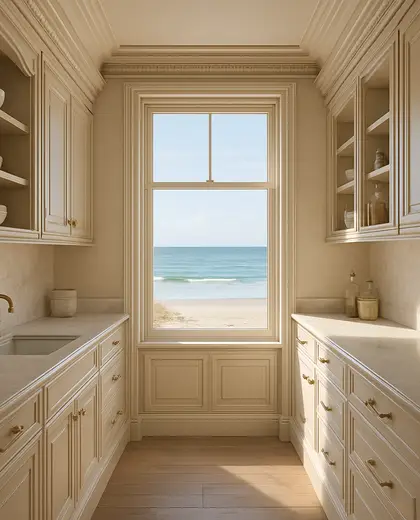
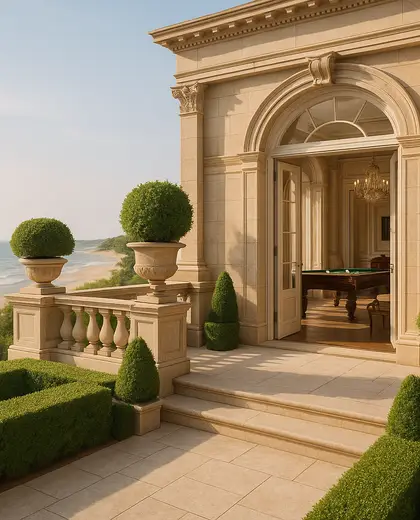
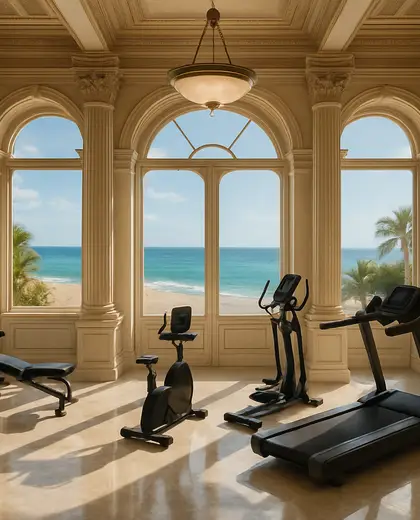
This composition pairs neoclassical symmetry and proportion with a relaxed coastal setting. It typically uses stucco or painted masonry, stone, timber, and wrought-iron details, softened by light-filled openings and breezy outdoor transitions. The palette stays pale and sun-washed, with whites, sand tones, soft blue-gray, and weathered natural finishes.
- neoclassical
- beach
— References
References to explore
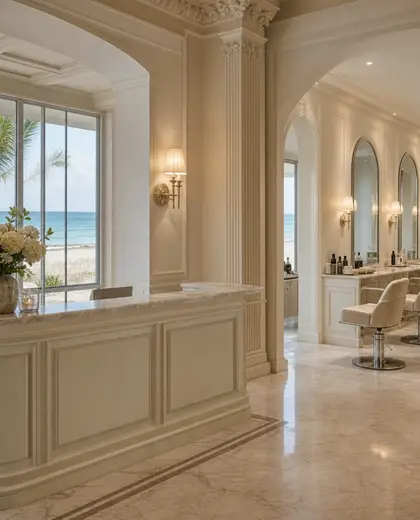
How do I keep neoclassical details from feeling too formal at the beach?
Use the traditional elements in a lighter way: simple moldings, restrained trim, and fewer heavy ornaments. Pair them with open layouts, relaxed furnishings, and natural textures.
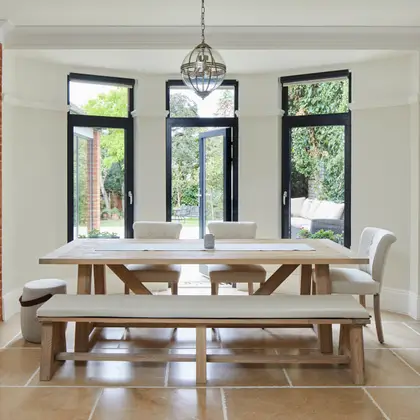
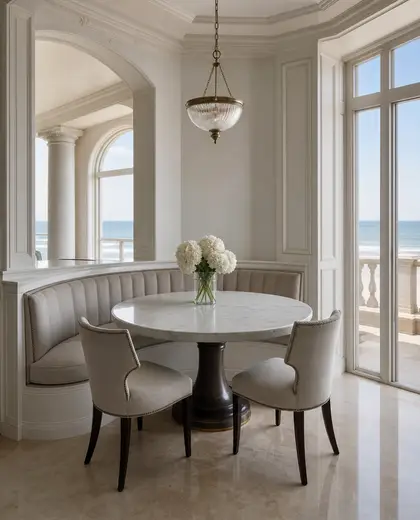
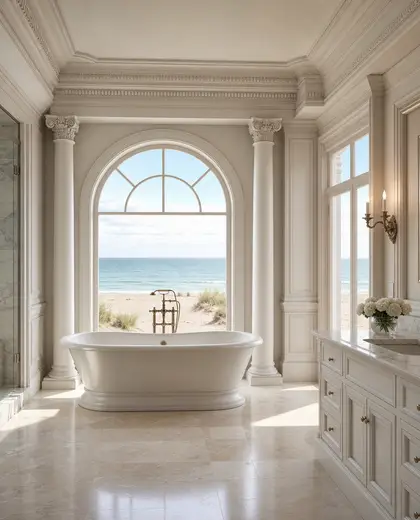
What exterior materials work best for a coastal neoclassical house?
Durable stucco or masonry, sealed stone, painted wood, and corrosion-resistant metal details are common choices. In salty air, finishes and hardware should be selected for moisture and weather resistance.
Can this style still feel modern inside?
Yes. The shell can stay classically proportioned while the interior uses cleaner lines, lighter finishes, and contemporary furniture. The key is keeping the detailing refined rather than ornate.
— The style
What defines it
Stucco, painted wood, limestone, marble, and iron are common, often balanced with rattan, linen, and weathered timber for a beach-ready feel.
Creamy whites, warm sand, pale blue, soft gray, and muted sea tones dominate, with matte or lightly weathered finishes.
Classic columns, balanced façades, and formal moldings are combined with large openings, indoor-outdoor living, and relaxed coastal textures.
— Professionals
Who has already built it
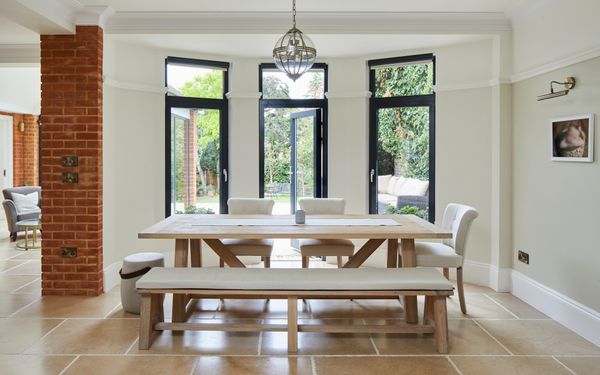

- LoftRobejoiners · Guildford · 4 projectsView profile →
- Beneito Faurelighting designers · 2 projectsView profile →
- Lusso Stonetile suppliers · Stocktonontees · 7 projectsView profile →
- paquis norris group limitedbuilders · Reading · 3 projectsView profile →
— Explore
Keep exploring
— Questions
Frequently asked questions
How do I keep neoclassical details from feeling too formal at the beach?
Use the traditional elements in a lighter way: simple moldings, restrained trim, and fewer heavy ornaments. Pair them with open layouts, relaxed furnishings, and natural textures.
What exterior materials work best for a coastal neoclassical house?
Durable stucco or masonry, sealed stone, painted wood, and corrosion-resistant metal details are common choices. In salty air, finishes and hardware should be selected for moisture and weather resistance.
Can this style still feel modern inside?
Yes. The shell can stay classically proportioned while the interior uses cleaner lines, lighter finishes, and contemporary furniture. The key is keeping the detailing refined rather than ornate.