— Ideas & inspiration
Neoclassical grace on the coast
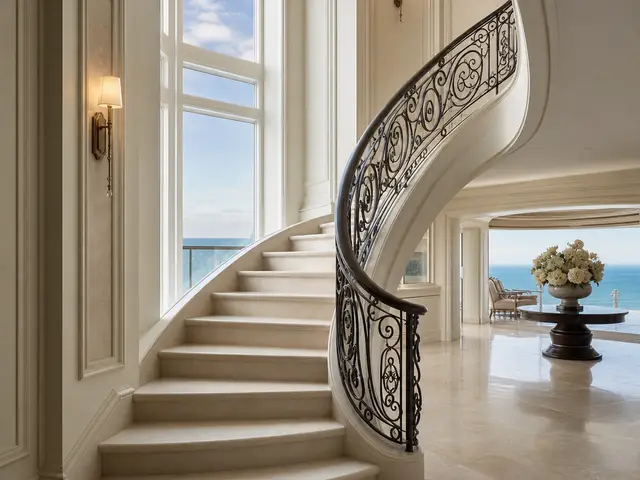
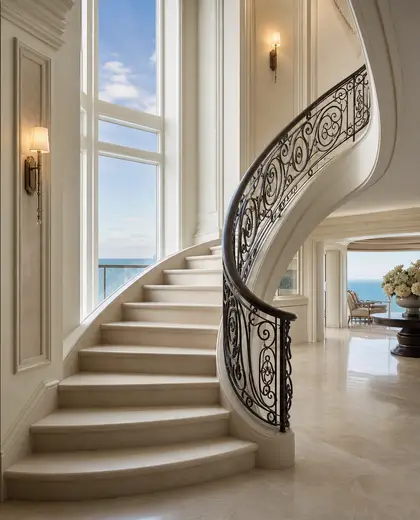
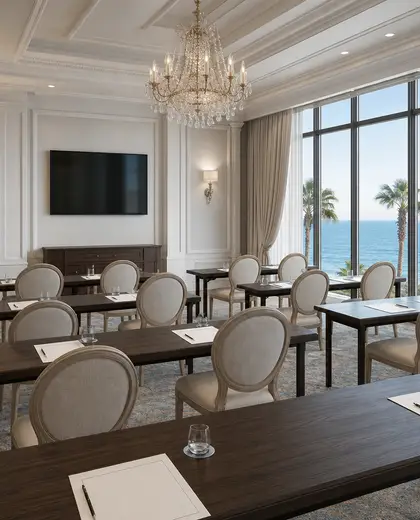
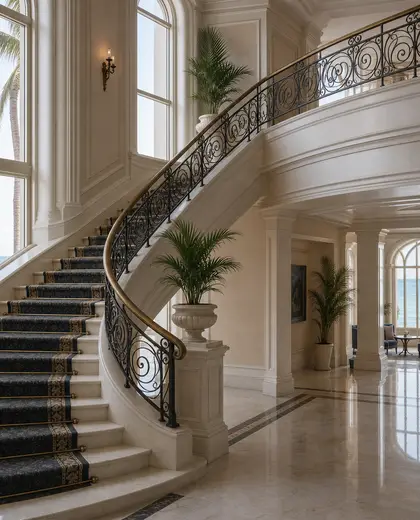
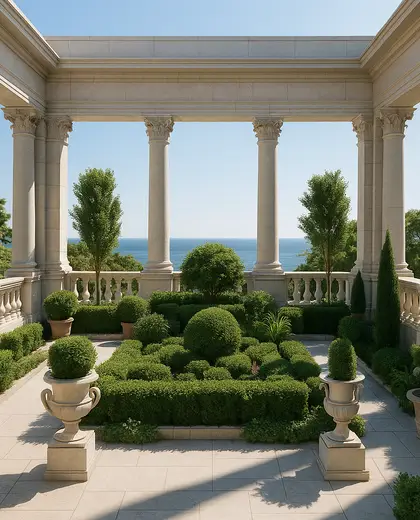
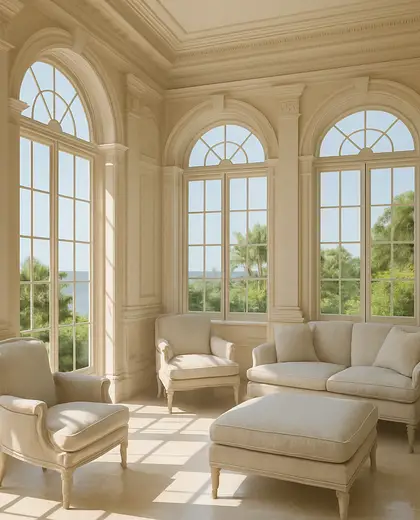
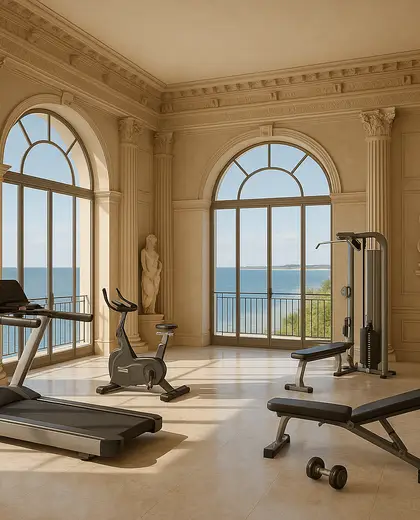
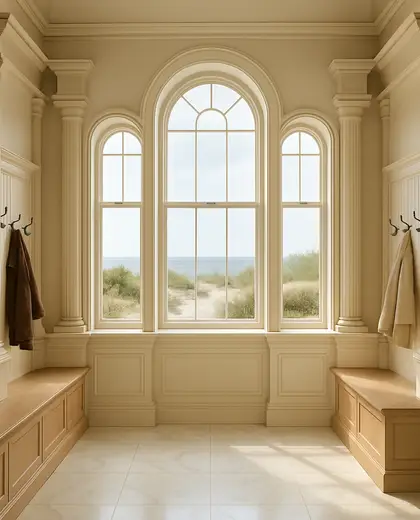
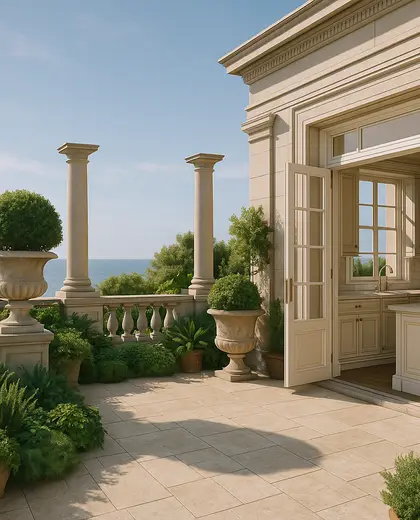
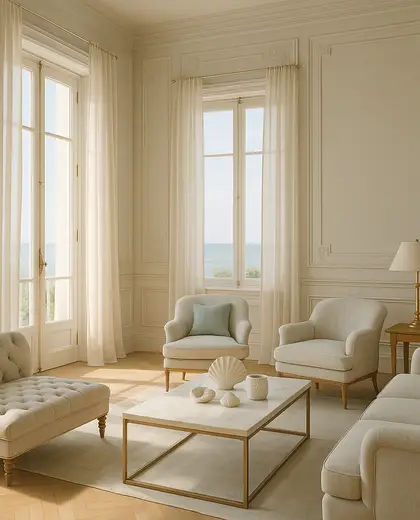
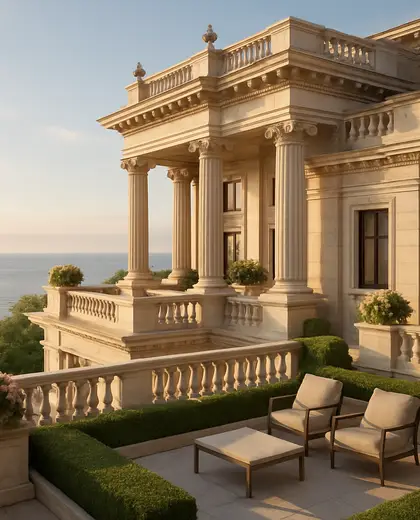
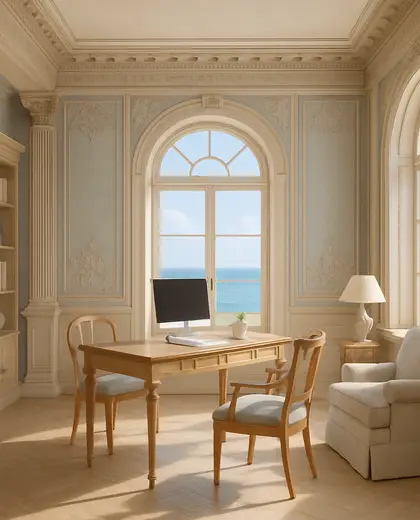
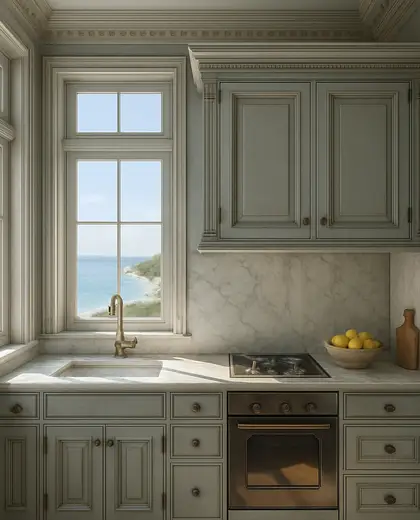
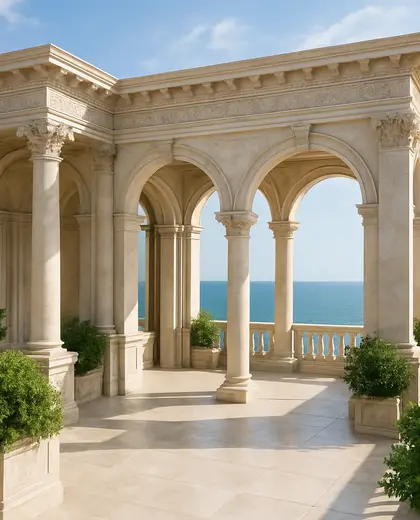
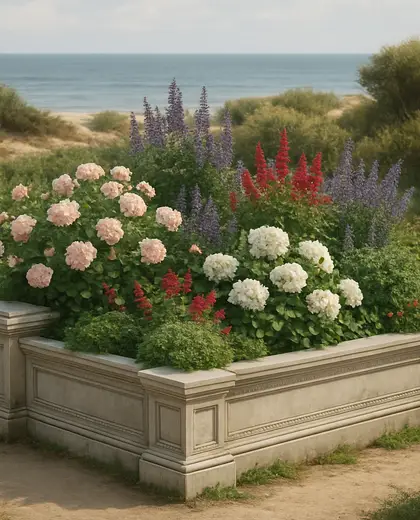
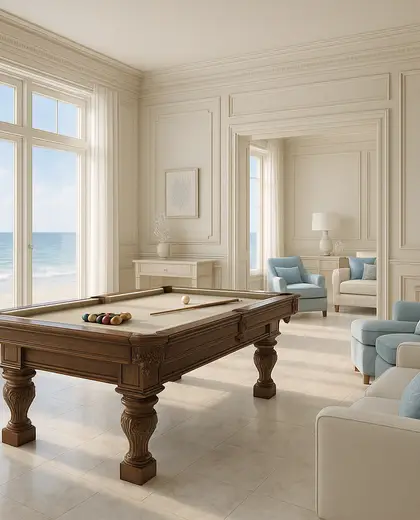
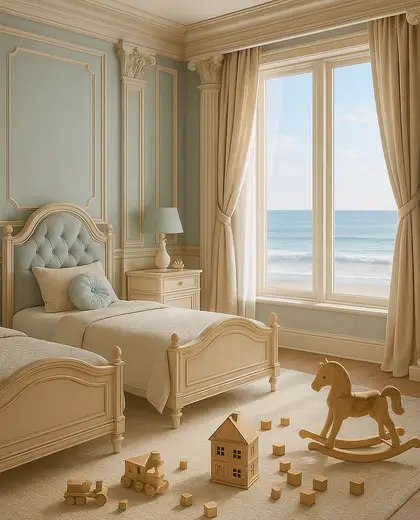
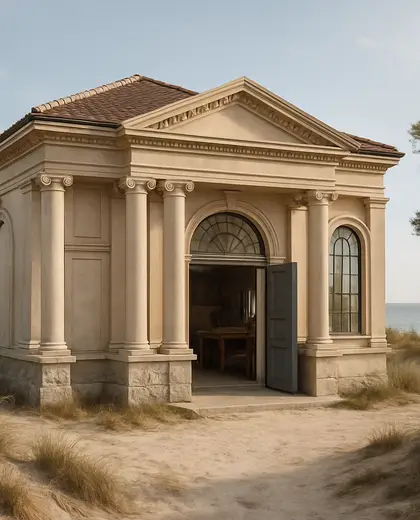
This composition pairs neoclassical symmetry and ornament with a coastal lightness. It typically uses plaster, painted wood, stone, linen, and natural fibers in a palette of white, sand, pale blue, and soft gray. Key elements include refined moldings, balanced proportions, tall windows, relaxed upholstery, and details that echo sea-facing homes without becoming rustic.
- neoclassical
- coastal
— References
References to explore
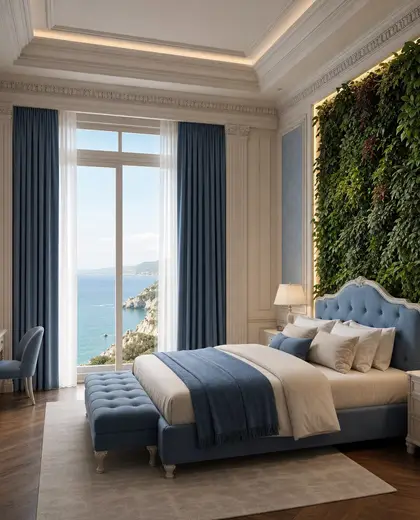
How do I keep a neoclassical coastal room from feeling too formal?
Use simpler furnishings, lighter fabrics, and fewer ornate accents. Keep the classical framework, but let the finishes and textiles feel relaxed and airy.
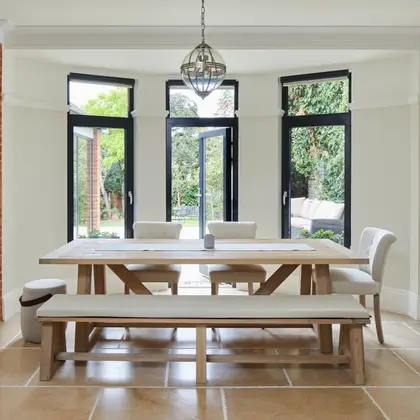
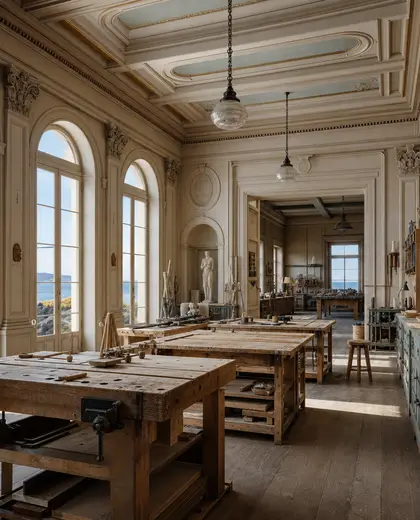

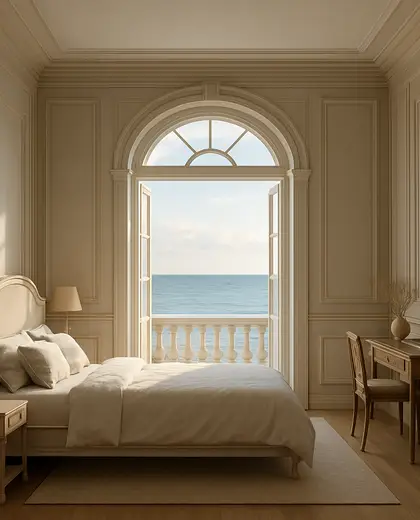
What flooring works best for this style?
Light stone, pale oak, or wide-plank wood all work well. Choose finishes that feel natural and understated rather than glossy or heavy.
Can this style work in a small home?
Yes, if the details stay restrained. Use pale colors, slim moldings, and a few symmetrical elements so the space feels open instead of crowded.
— The style
What defines it
Plaster walls, painted millwork, limestone or marble, linen, oak, wicker, and brushed brass are common.
Mostly whites and creams, softened with sand, dove gray, pale blue, and occasional weathered wood tones.
Classical detailing such as cornices, paneling, columns, and symmetry is paired with breezy coastal textures and light-filled layouts.
— Professionals
Who has already built it
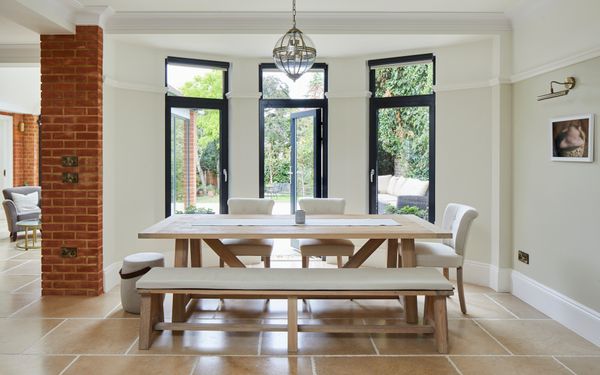

- paquis norris group limitedbuilders · Reading · 3 projectsView profile →
- LoftRobejoiners · Guildford · 4 projectsView profile →
- Beneito Faurelighting designers · 2 projectsView profile →
- Lusso Stonetile suppliers · Stocktonontees · 7 projectsView profile →
— Explore
Keep exploring
— Questions
Frequently asked questions
How do I keep a neoclassical coastal room from feeling too formal?
Use simpler furnishings, lighter fabrics, and fewer ornate accents. Keep the classical framework, but let the finishes and textiles feel relaxed and airy.
What flooring works best for this style?
Light stone, pale oak, or wide-plank wood all work well. Choose finishes that feel natural and understated rather than glossy or heavy.
Can this style work in a small home?
Yes, if the details stay restrained. Use pale colors, slim moldings, and a few symmetrical elements so the space feels open instead of crowded.