— Ideas & inspiration
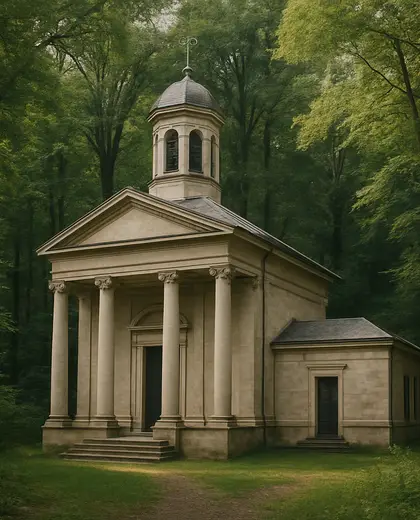
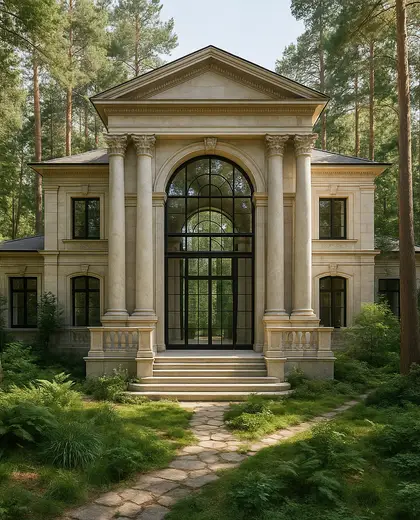
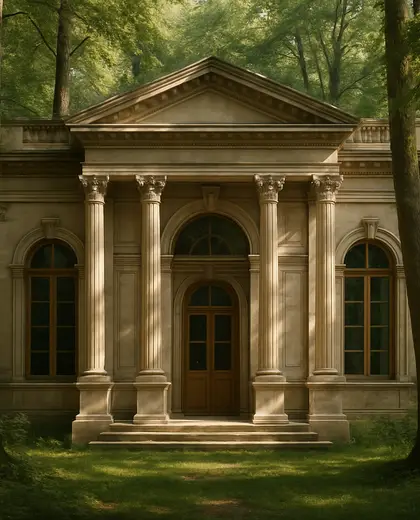
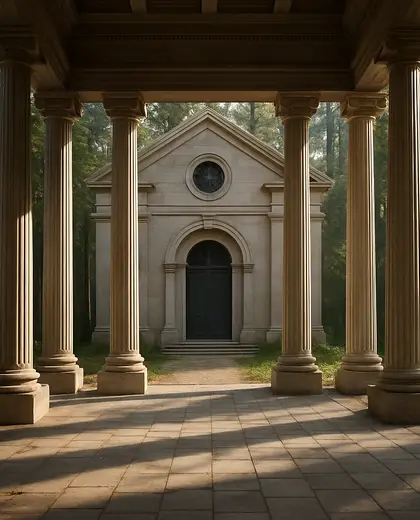
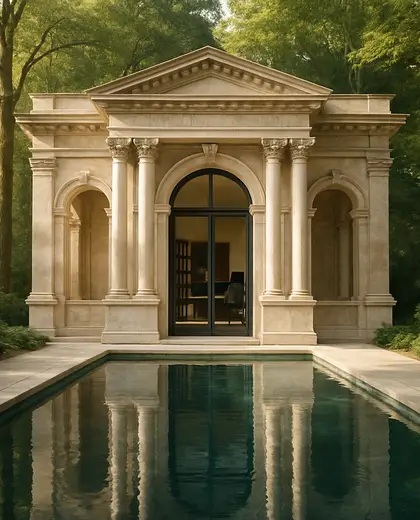
Neoclassical elegance in a forest setting
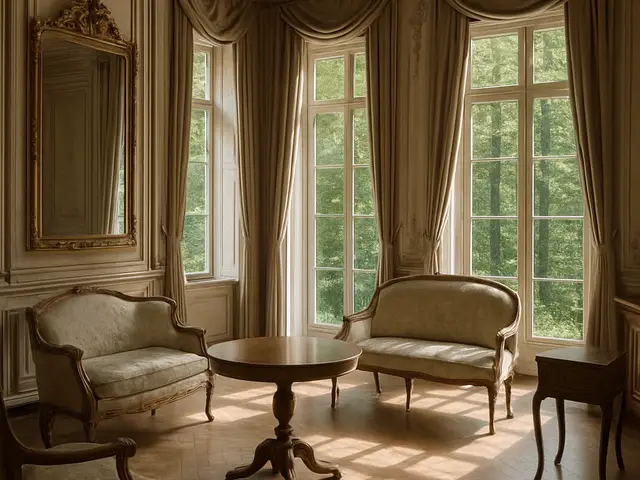
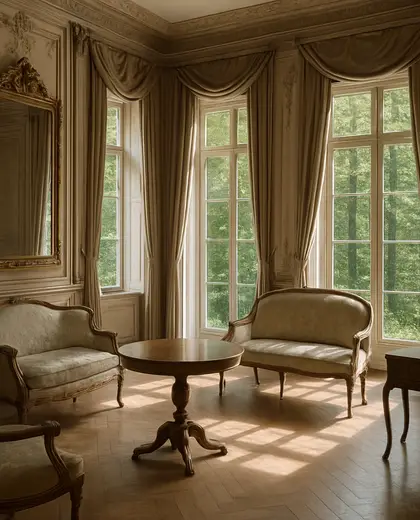
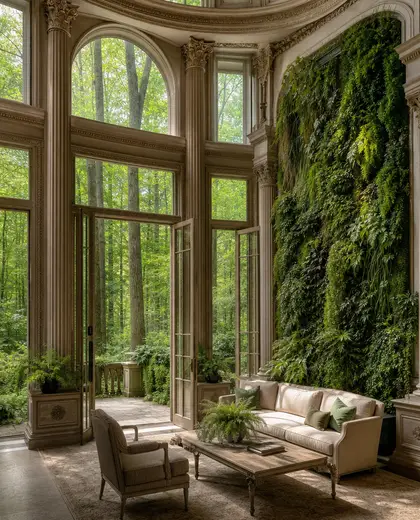
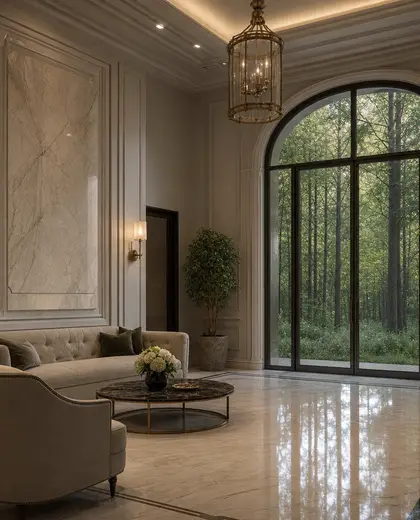
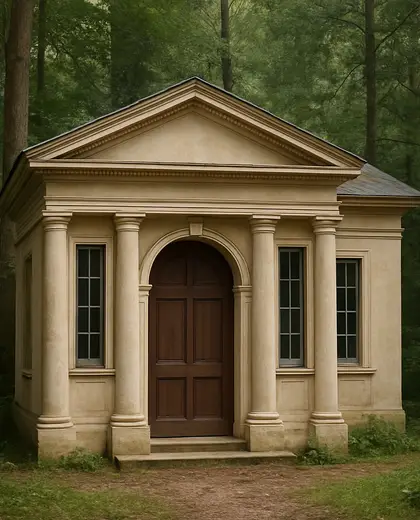
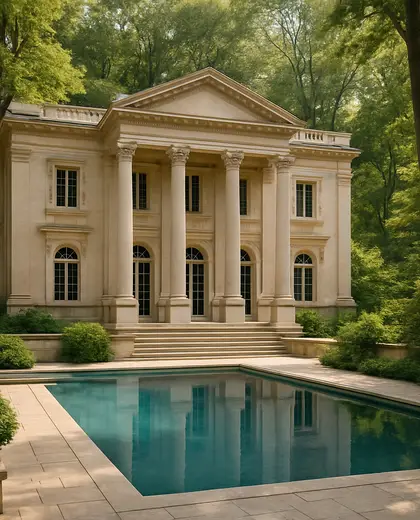
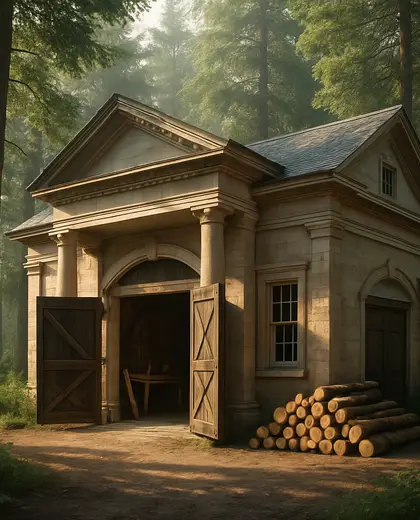
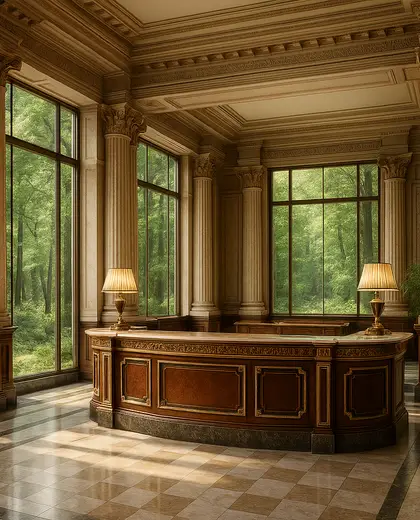
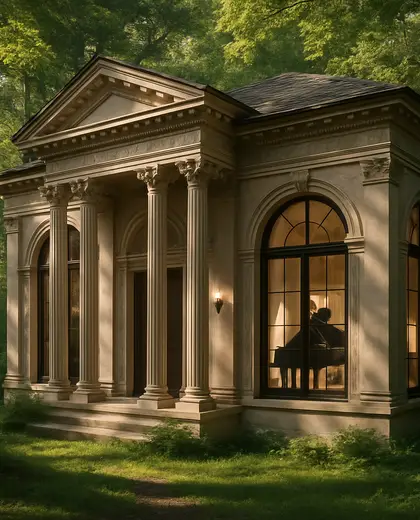
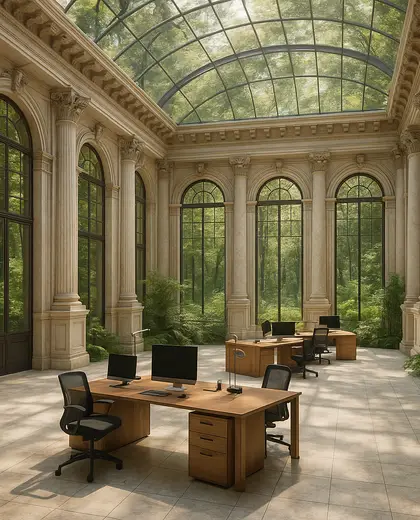
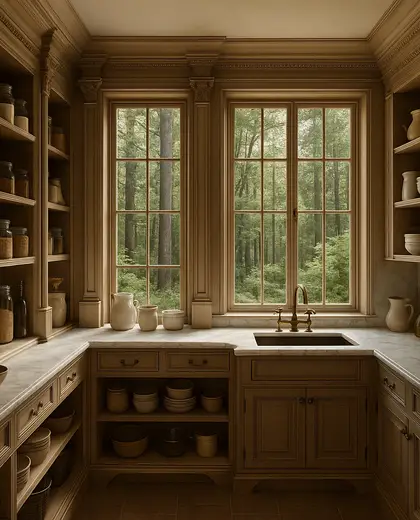
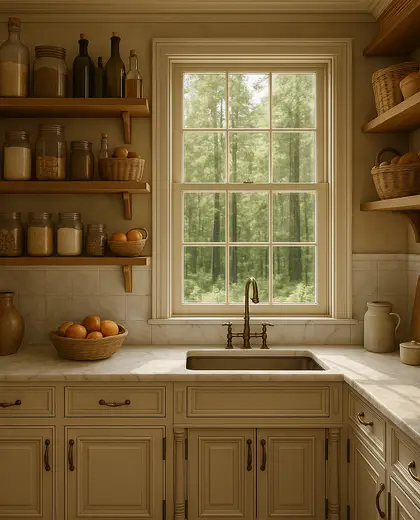
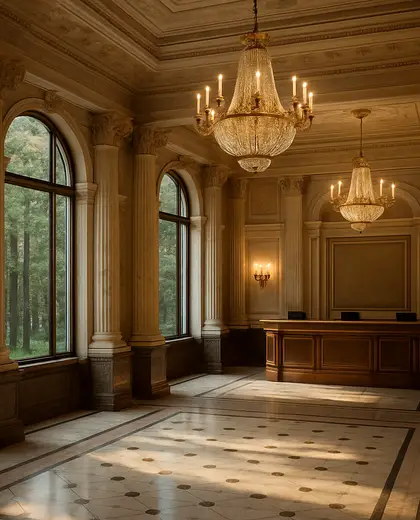
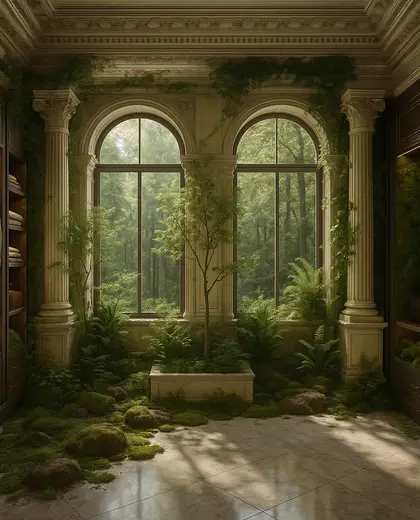
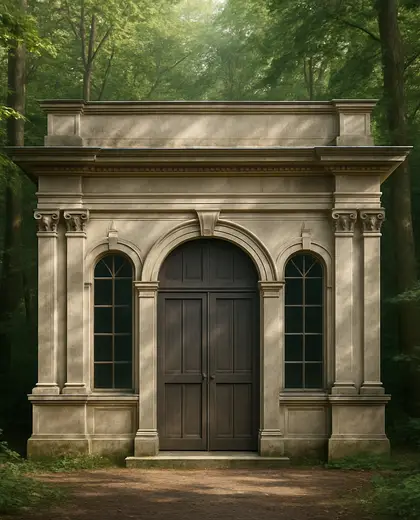
This composition pairs neoclassical architecture with a wooded landscape, using symmetry, columned forms, tall openings, and restrained detailing. Materials often include stone, stucco, timber, and metal accents, with a palette drawn from soft whites, warm neutrals, deep greens, and muted earth tones. The result is formal and classical in shape, but grounded by trees, natural light, and a quiet, sheltered setting.
- neoclassical
- forest
— References
References to explore
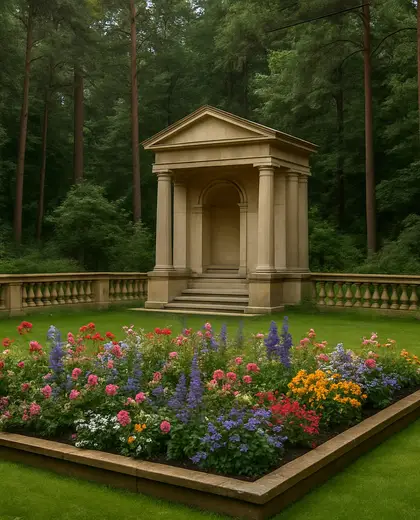
Does neoclassical design work well in a forest setting?
Yes. The formal symmetry and strong silhouette of neoclassical architecture can sit comfortably among trees, especially when the materials are natural and the exterior detailing stays restrained.
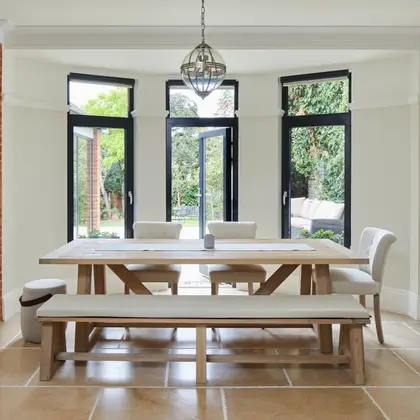
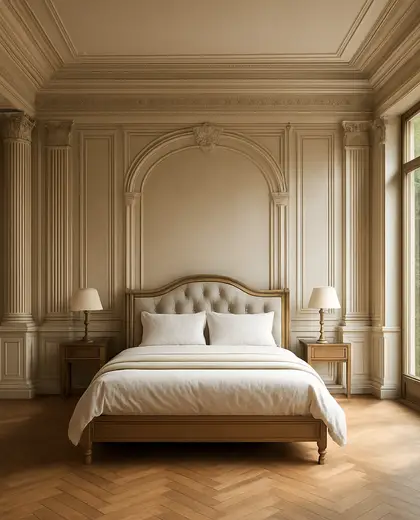
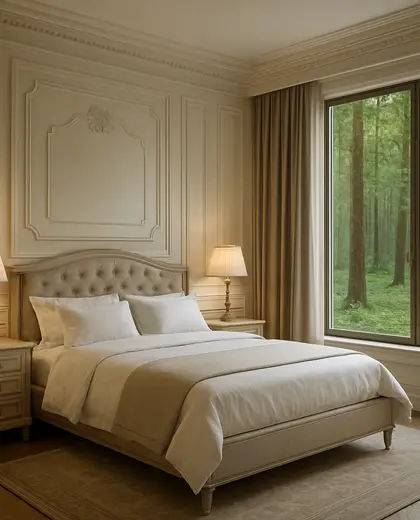
What exterior materials suit this look best?
Stone, lime or smooth stucco, painted wood, and dark bronze or steel details are all fitting choices. They read as elegant without competing with the landscape.
How do I keep it from feeling too formal in the woods?
Use simpler detailing, larger windows, and a palette that echoes the site. Natural textures and softer landscaping help the house feel connected to the forest rather than imposed on it.
— The style
What defines it
Stone, stucco, timber, and metal accents are common, often chosen for a crisp but natural finish.
Soft whites, cream, taupe, charcoal, and forest greens keep the look calm and rooted in the landscape.
It combines classical proportions and ornament with wooded surroundings, natural textures, and large openings to frame the trees.
— Professionals
Who has already built it
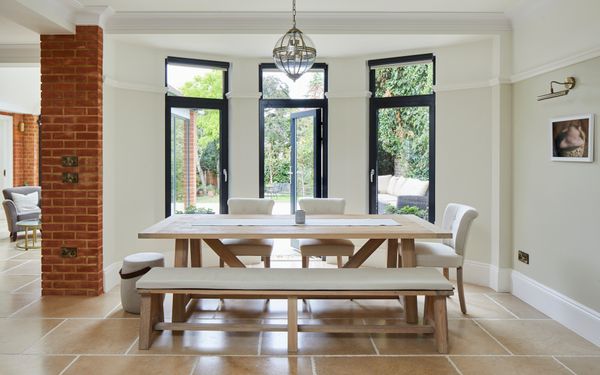

- paquis norris group limitedbuilders · Reading · 3 projectsView profile →
- LoftRobejoiners · Guildford · 4 projectsView profile →
- Beneito Faurelighting designers · 2 projectsView profile →
- Lusso Stonetile suppliers · Stocktonontees · 7 projectsView profile →
— Explore
Keep exploring
— Questions
Frequently asked questions
Does neoclassical design work well in a forest setting?
Yes. The formal symmetry and strong silhouette of neoclassical architecture can sit comfortably among trees, especially when the materials are natural and the exterior detailing stays restrained.
What exterior materials suit this look best?
Stone, lime or smooth stucco, painted wood, and dark bronze or steel details are all fitting choices. They read as elegant without competing with the landscape.
How do I keep it from feeling too formal in the woods?
Use simpler detailing, larger windows, and a palette that echoes the site. Natural textures and softer landscaping help the house feel connected to the forest rather than imposed on it.