— Ideas & inspiration
Neoclassical
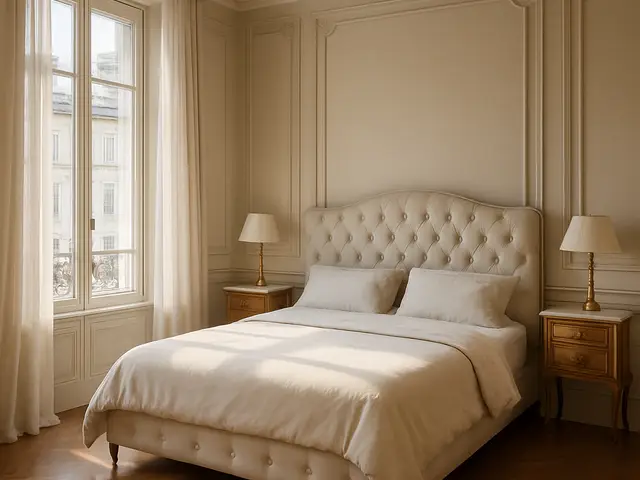
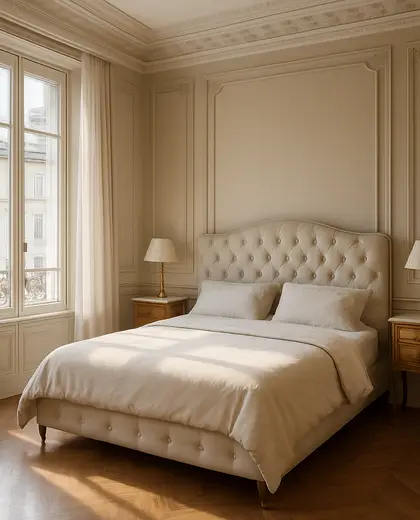
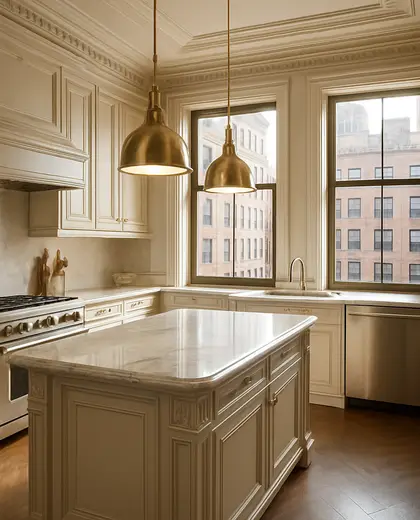
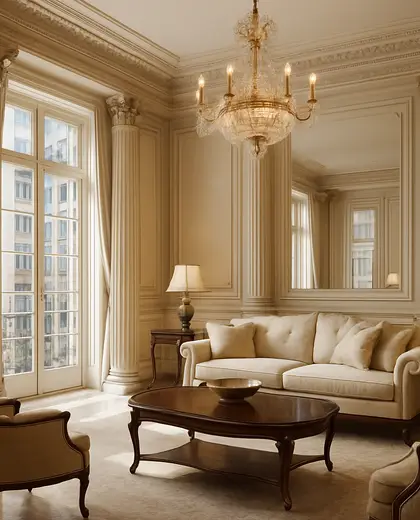
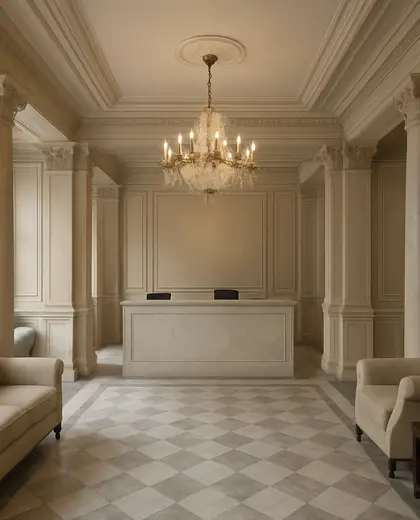
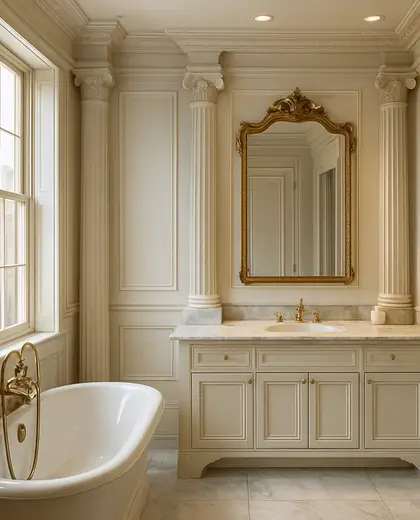
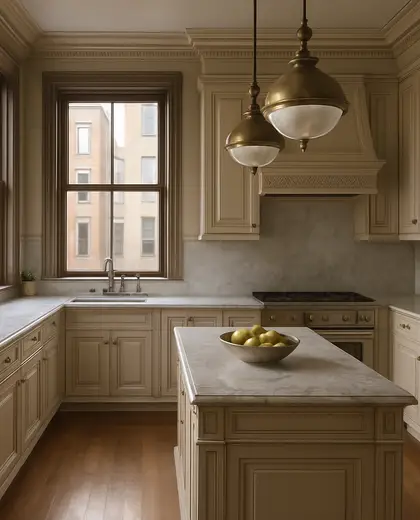
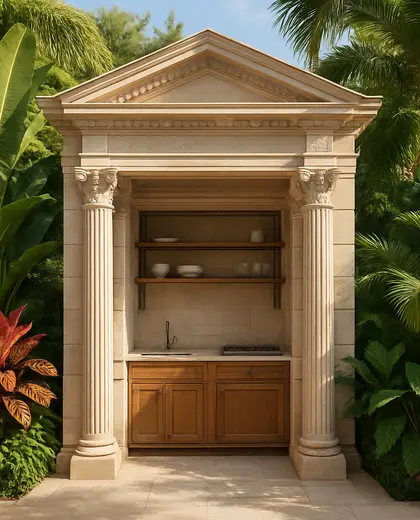
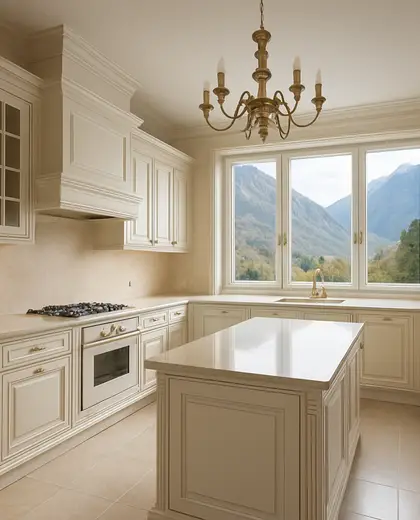
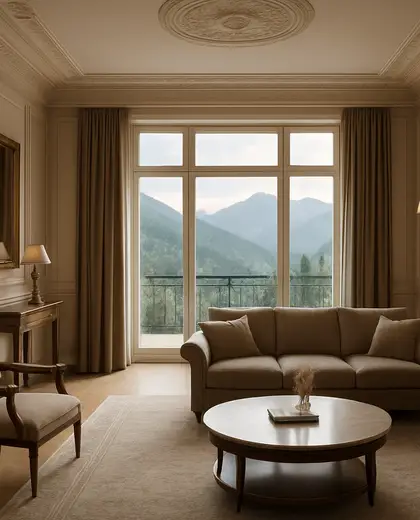
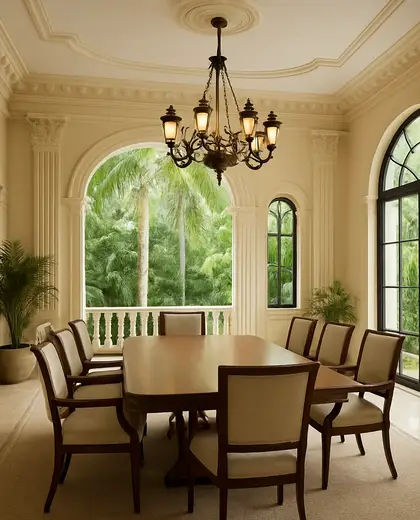
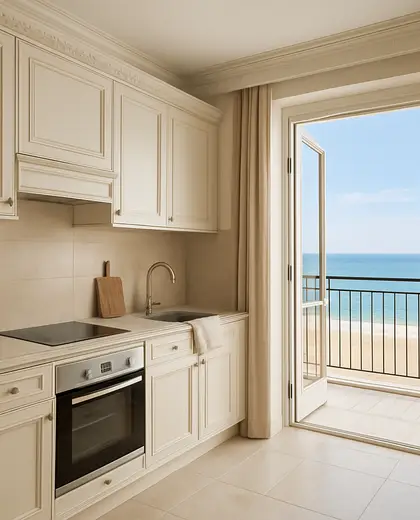
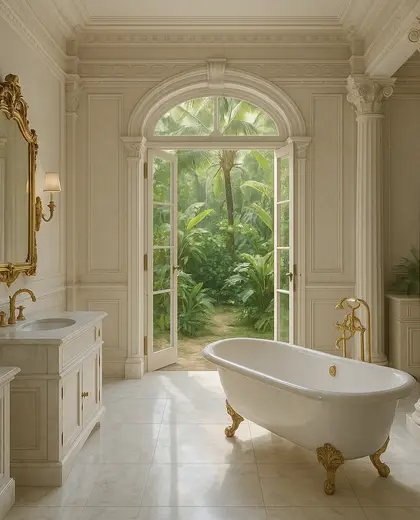
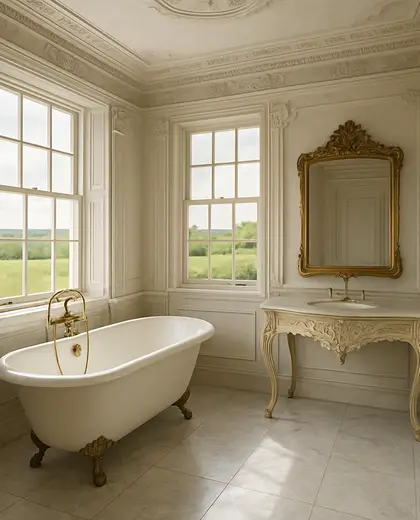
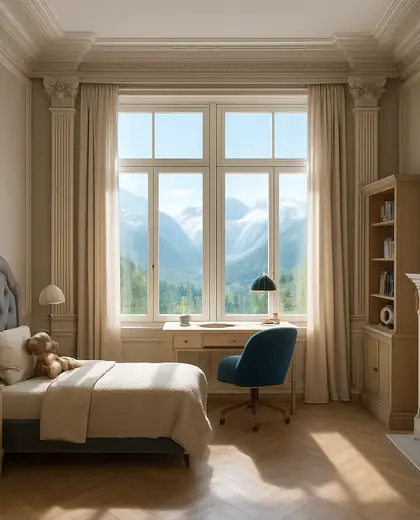
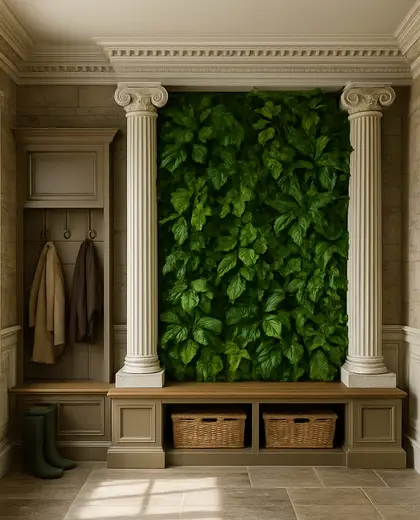
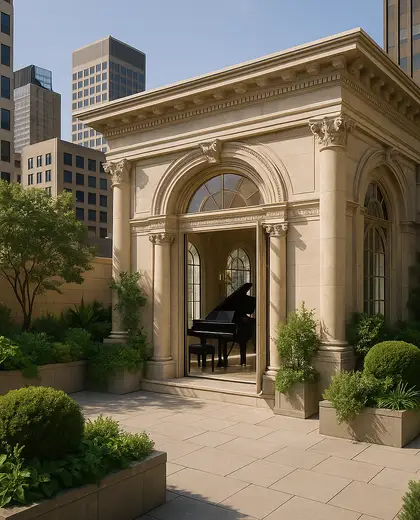
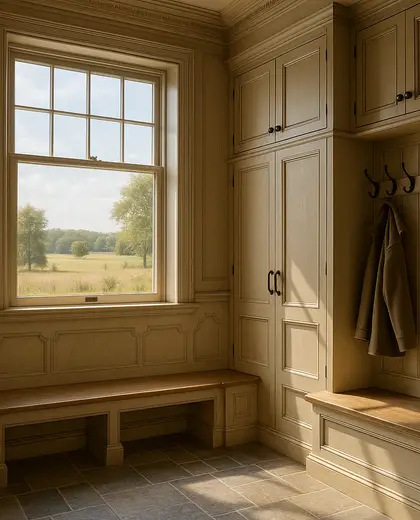
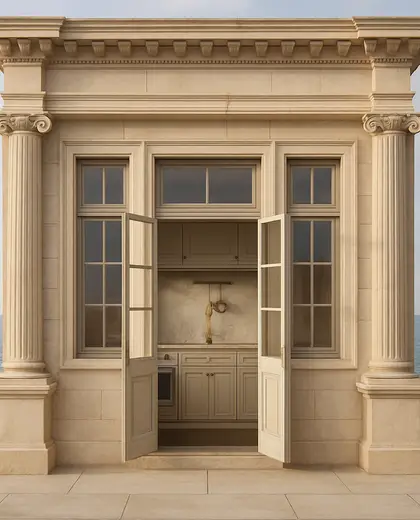
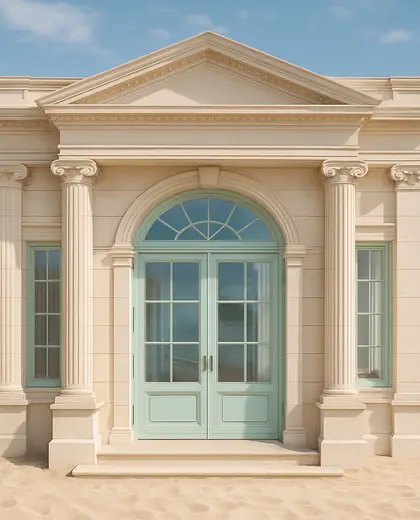
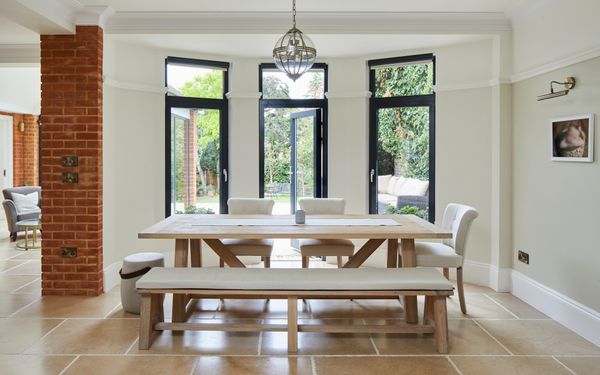
Neoclassical composition is defined by balanced proportions, symmetrical layouts, and classical details such as mouldings, pilasters, columns, and framed wall panels. It typically uses stone, plaster, wood, marble, brass, and upholstered fabrics in a restrained, refined arrangement. The look stays formal and ordered, with ornament used sparingly to emphasize structure rather than decorate every surface.
- neoclassical
— References
References to explore
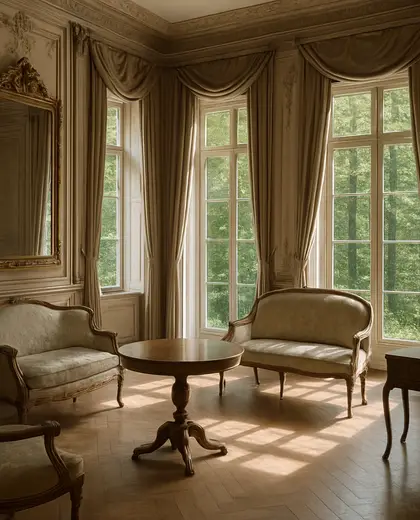
Is neoclassical style too formal for a family home?
It can feel formal, but it does not have to be rigid. If you keep the proportions and mouldings while choosing comfortable upholstery and durable finishes, it can work well in everyday spaces.
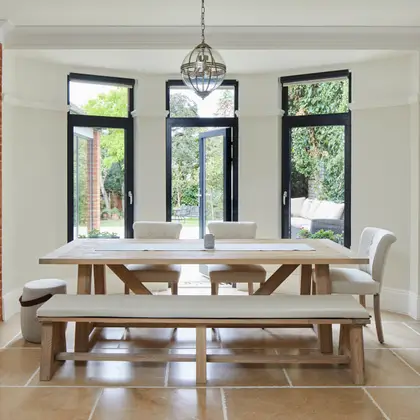

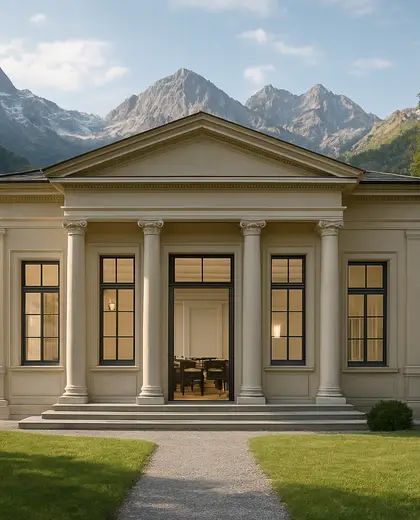
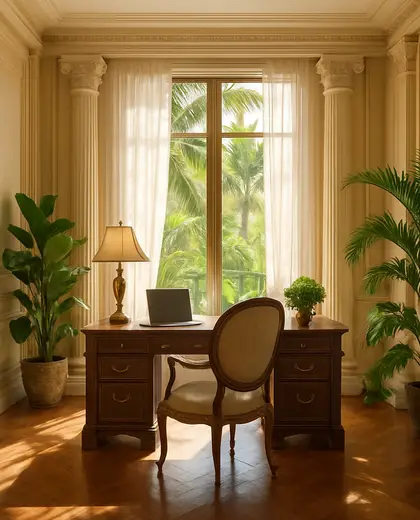
What is the difference between neoclassical and traditional classic style?
Neoclassical is usually cleaner and more restrained than heavily decorative traditional interiors. It relies more on symmetry, simple classical references, and a lighter palette than on ornate pattern and heavy carving.

Does neoclassical style require expensive materials?
Not necessarily. Real stone and custom millwork are common, but a convincing look can also be achieved with painted mouldings, engineered wood, and well-chosen finishes that imitate the same proportions and detailing.
— The style
What defines it
Common materials include marble, limestone, painted plaster, timber, brass, bronze, glass, and linen or velvet upholstery.
The palette is usually calm and light: whites, creams, warm grays, taupe, stone, soft beige, and muted pastels, often anchored with black or deep wood tones.
Neoclassical works well with contemporary furniture, herringbone floors, wall mouldings, chandeliers, and subtle metallic accents.
— Professionals
Who has already built it

- paquis norris group limitedbuilders · Reading · 3 projectsView profile →
- LoftRobejoiners · Guildford · 4 projectsView profile →
- Beneito Faurelighting designers · 2 projectsView profile →
- Lusso Stonetile suppliers · Stocktonontees · 7 projectsView profile →
— Explore
Keep exploring
— Questions
Frequently asked questions
Is neoclassical style too formal for a family home?
It can feel formal, but it does not have to be rigid. If you keep the proportions and mouldings while choosing comfortable upholstery and durable finishes, it can work well in everyday spaces.
What is the difference between neoclassical and traditional classic style?
Neoclassical is usually cleaner and more restrained than heavily decorative traditional interiors. It relies more on symmetry, simple classical references, and a lighter palette than on ornate pattern and heavy carving.
Does neoclassical style require expensive materials?
Not necessarily. Real stone and custom millwork are common, but a convincing look can also be achieved with painted mouldings, engineered wood, and well-chosen finishes that imitate the same proportions and detailing.