— Ideas & inspiration
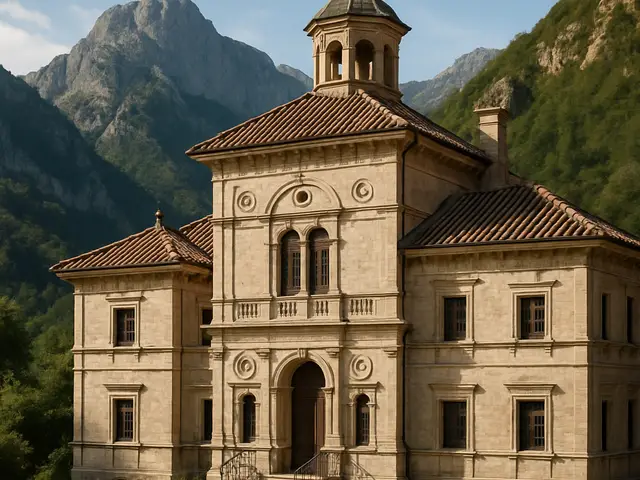
Renaissance forms in a mountain setting
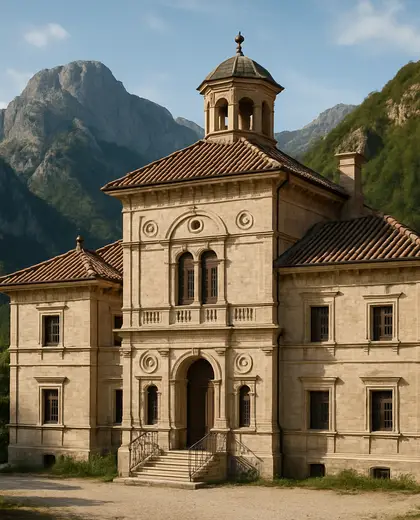
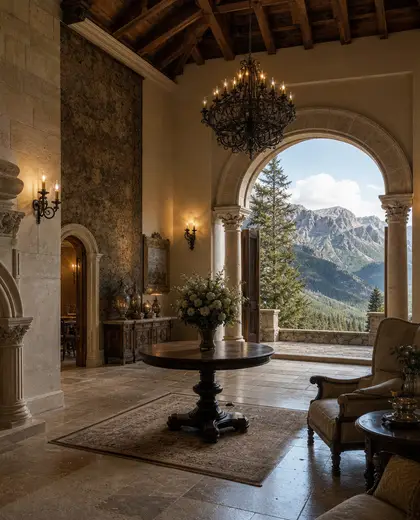
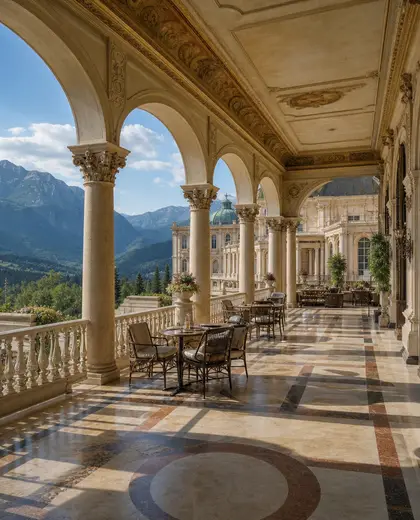
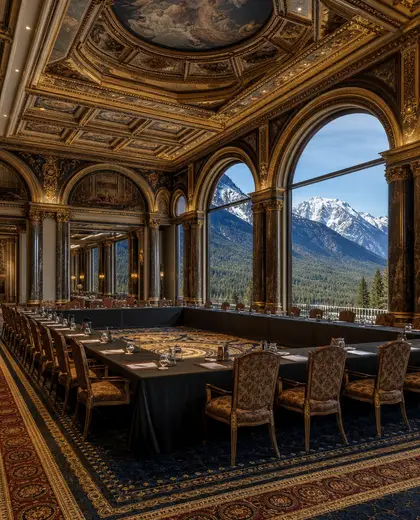
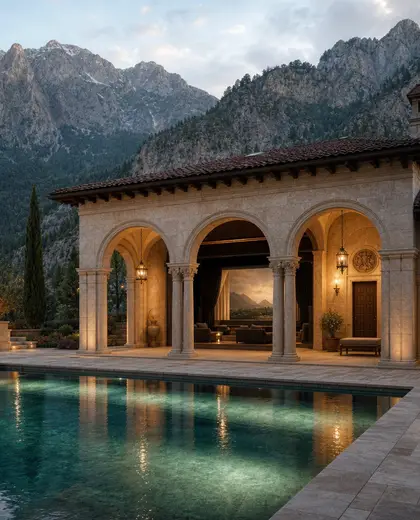
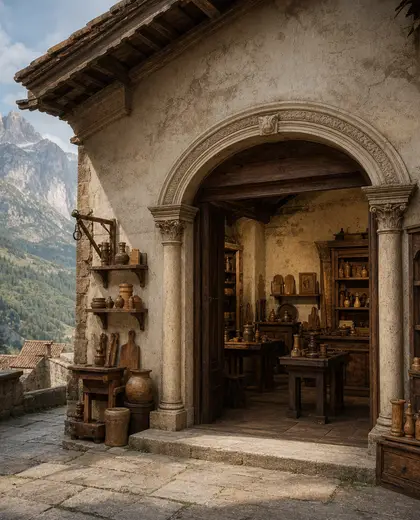
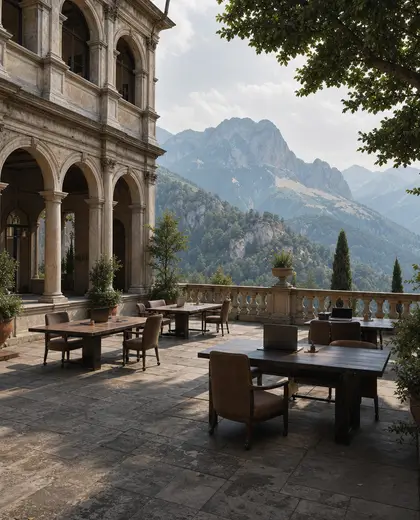
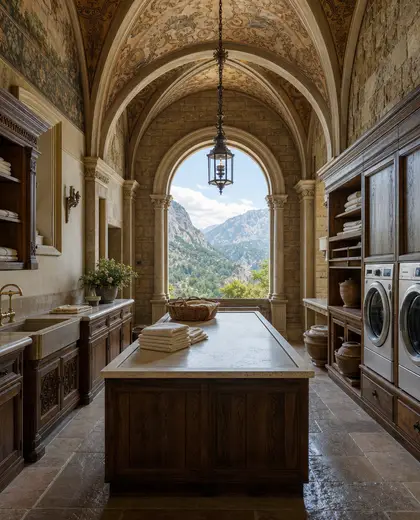
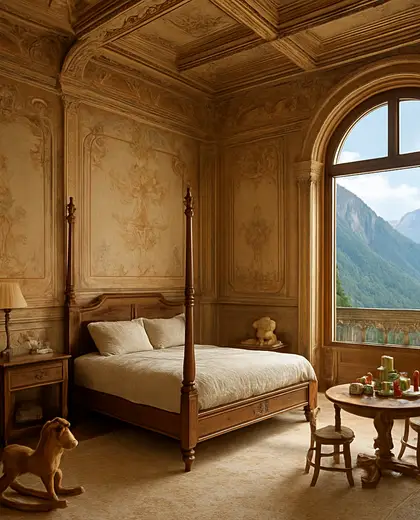
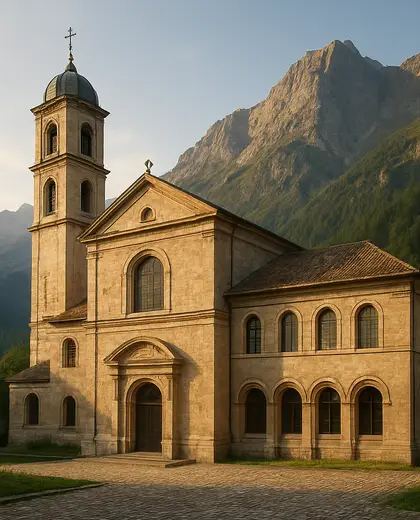
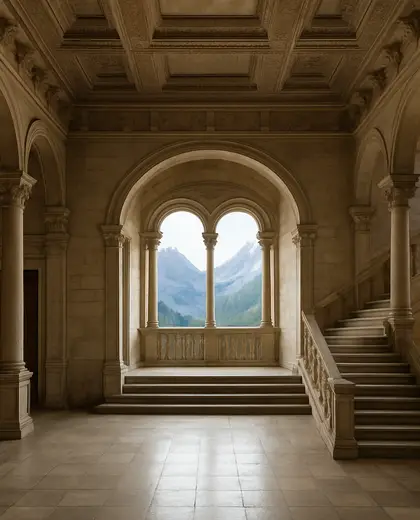
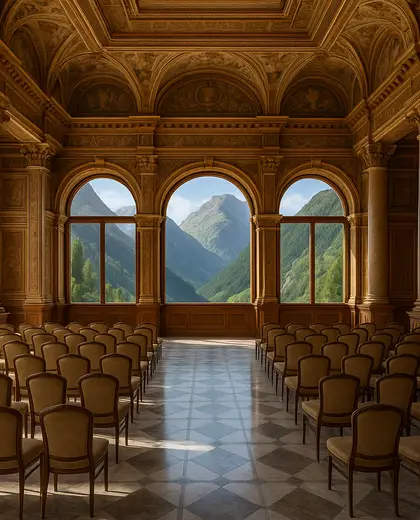
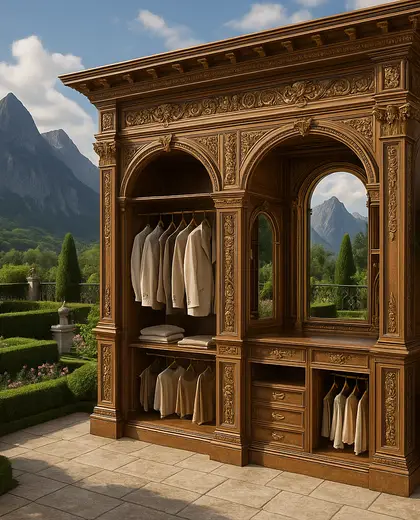
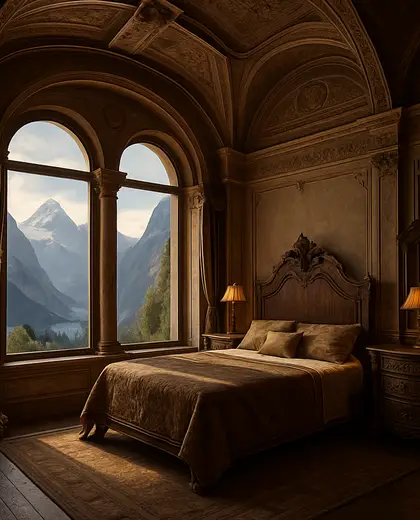
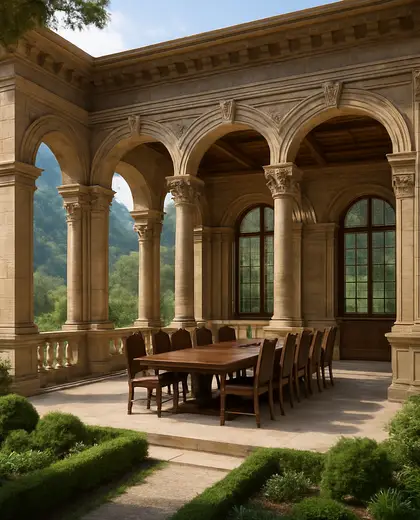
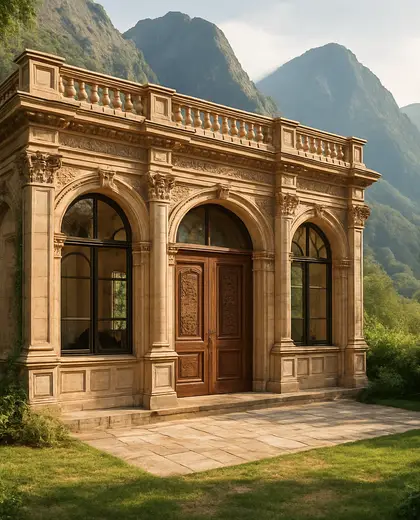
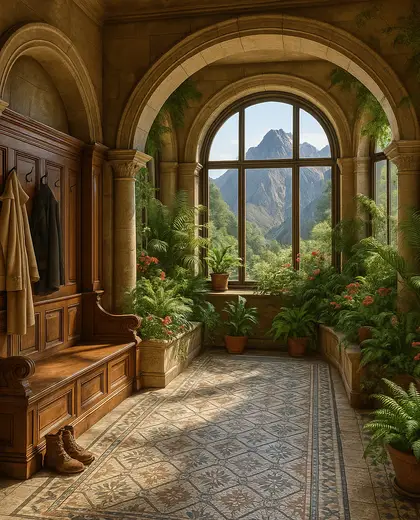
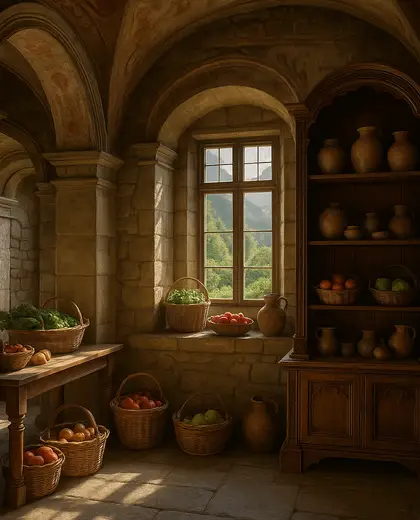
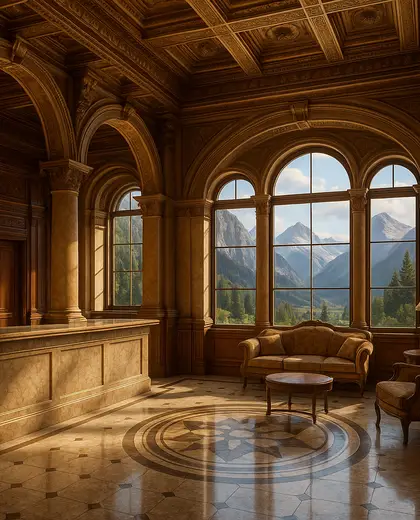
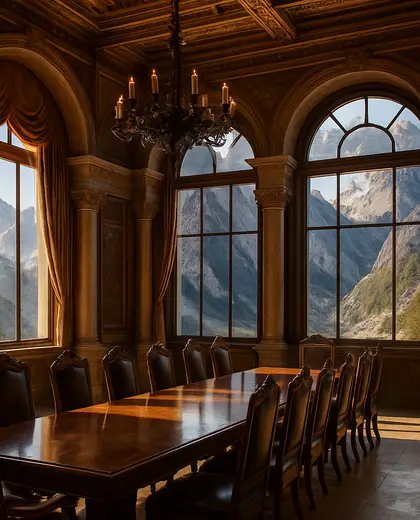
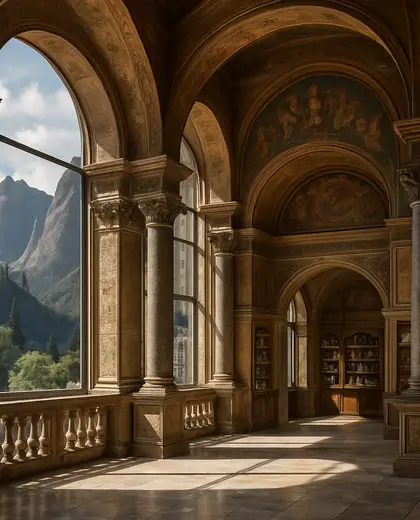
This composition pairs Renaissance symmetry and classical detailing with the mass and shelter of mountain architecture. Expect stone facades, arched openings, colonnades, steep roofs, and deep eaves, often built in a palette of limestone, plaster, timber, slate, and iron. The result feels formal and proportioned, but grounded in rugged terrain and colder climates.
- renaissance
- mountain
— References
References to explore
Does this style work in a real mountain climate?
Yes, when the design adapts to snow, wind, and steep sites with durable stone, insulated walls, and a roof form that sheds weather well.
Is it more ornate or more rustic?
It usually sits between the two: refined classical details, but with sturdy materials and a substantial, grounded presence.
What should I prioritize if I want this look in my home?
Focus on strong symmetry, arched openings, stone or plaster walls, and a roof profile that feels protective and alpine rather than flat and modern.
— The style
What defines it
Limestone, plaster, carved stone, timber beams, slate roofing, and wrought iron are common.
Warm neutrals dominate: ivory, sand, taupe, gray stone, dark bronze, and muted green or blue accents.
It combines classical Renaissance symmetry, arches, and ornament with alpine roofs, heavy masonry, and mountain-shelter proportions.
— Professionals
Who has already built it
- vorbild architecturearchitects · 6 projectsView profile →
- kerem erbagci3d renderers · London · 9 projectsView profile →
- paquis norris group limitedbuilders · Reading · 3 projectsView profile →
- LoftRobejoiners · Guildford · 4 projectsView profile →
— Explore
Keep exploring
— Questions
Frequently asked questions
Does this style work in a real mountain climate?
Yes, when the design adapts to snow, wind, and steep sites with durable stone, insulated walls, and a roof form that sheds weather well.
Is it more ornate or more rustic?
It usually sits between the two: refined classical details, but with sturdy materials and a substantial, grounded presence.
What should I prioritize if I want this look in my home?
Focus on strong symmetry, arched openings, stone or plaster walls, and a roof profile that feels protective and alpine rather than flat and modern.