— Ideas & inspiration
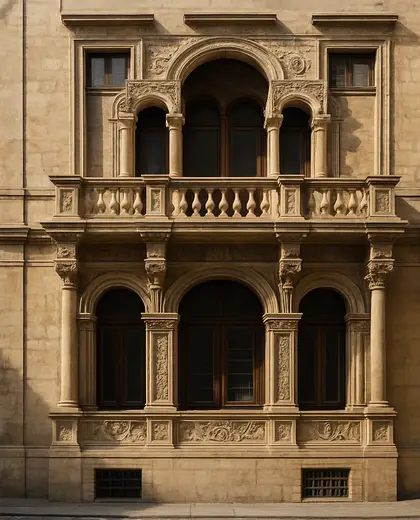
Renaissance details in the rhythm of the city
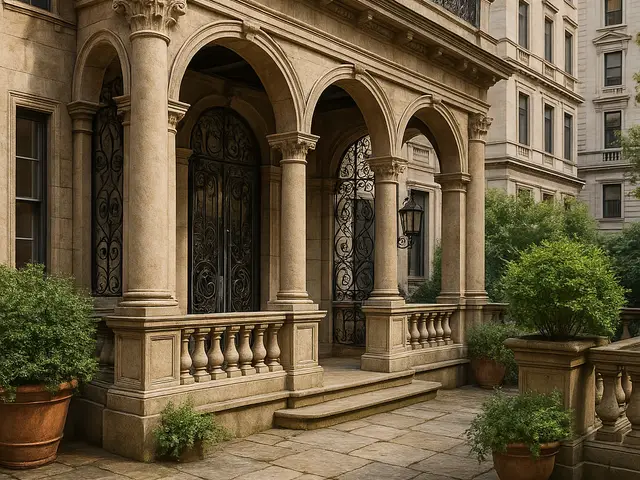
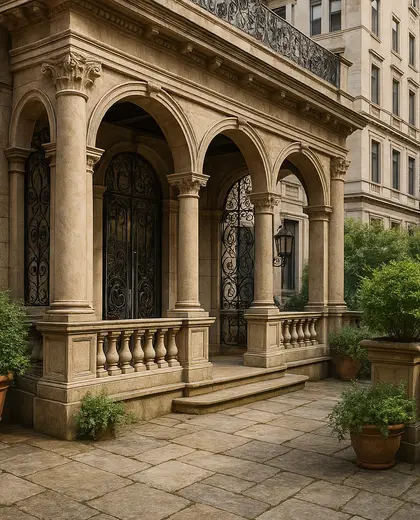
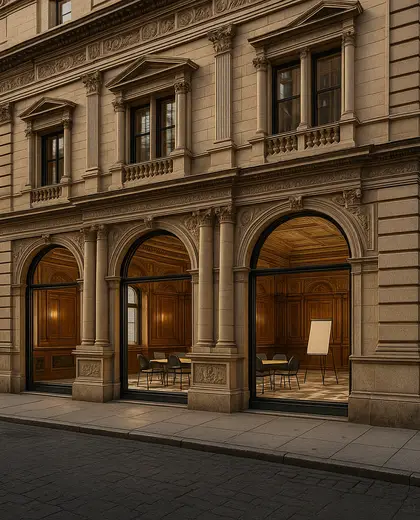
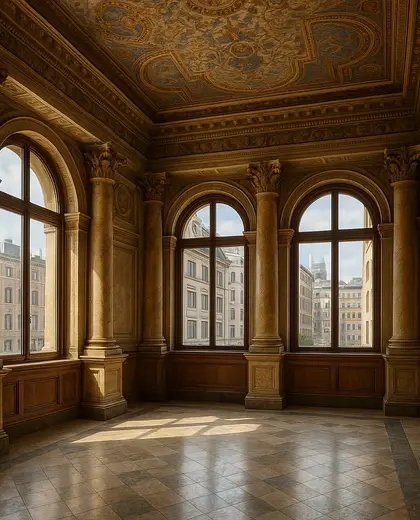
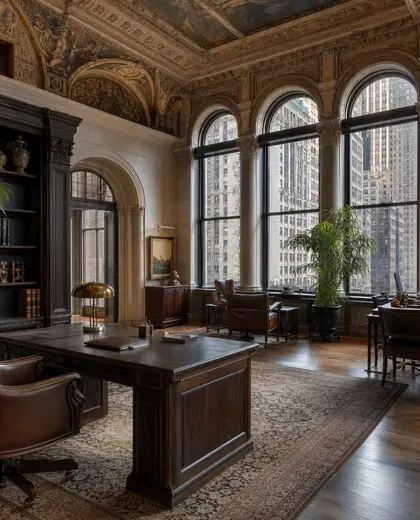
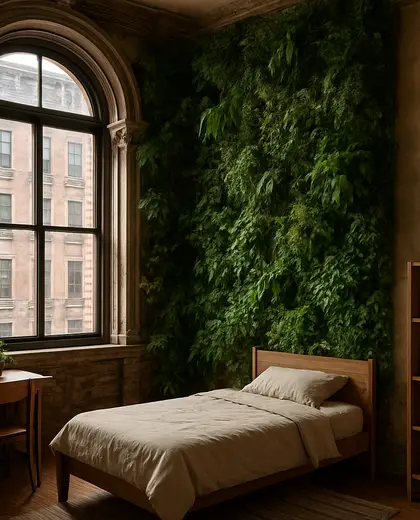
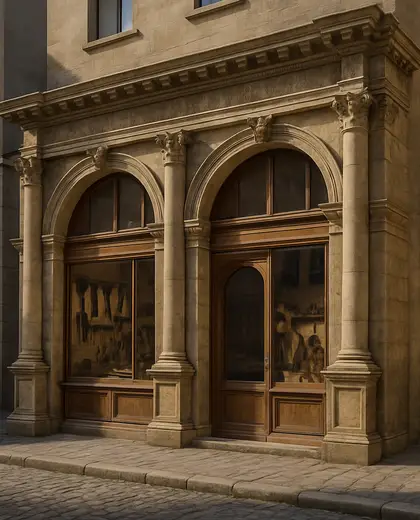
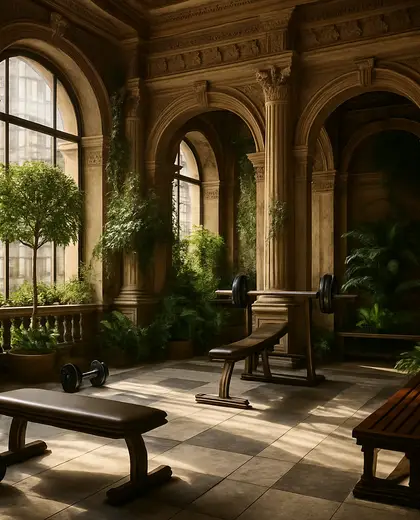
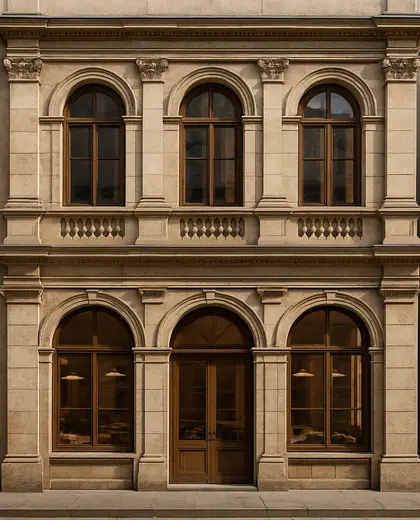
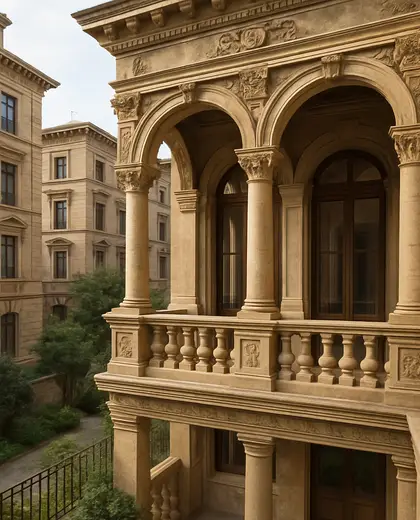
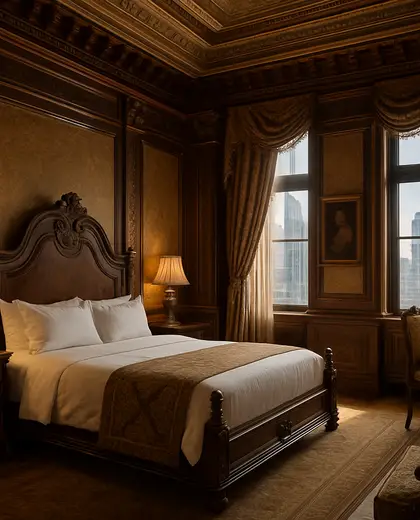
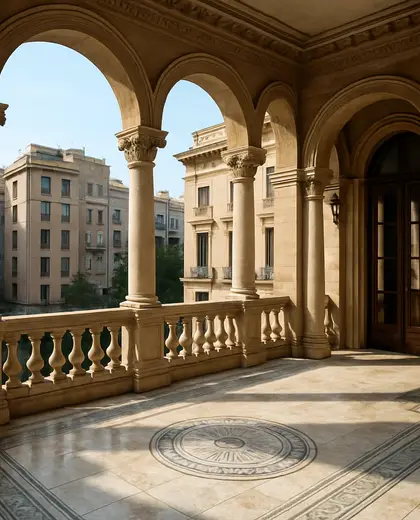
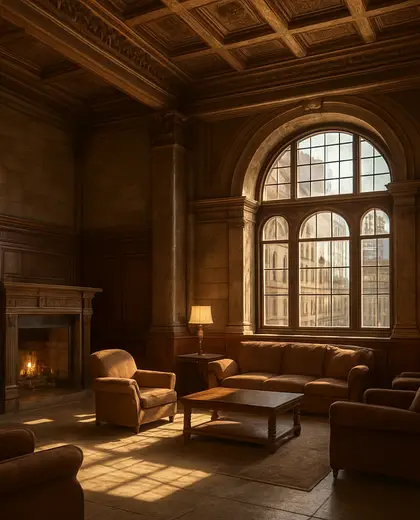
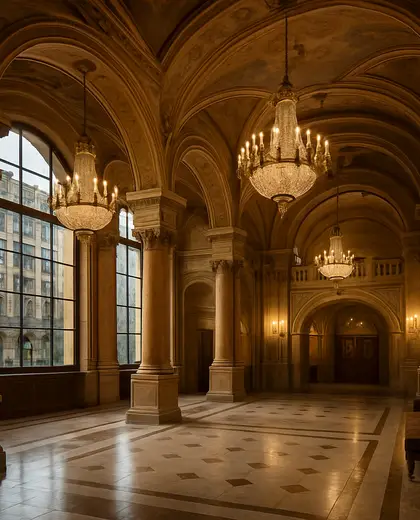
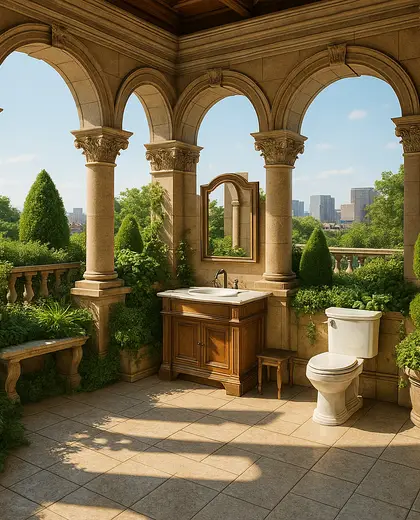
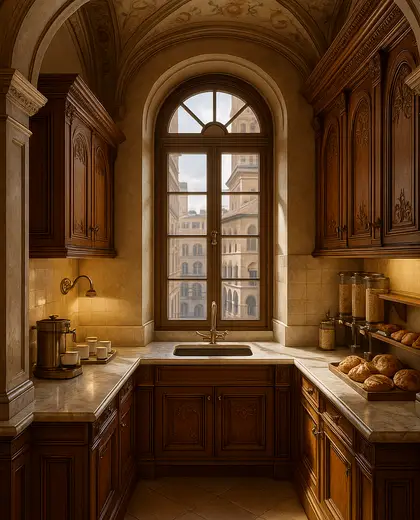
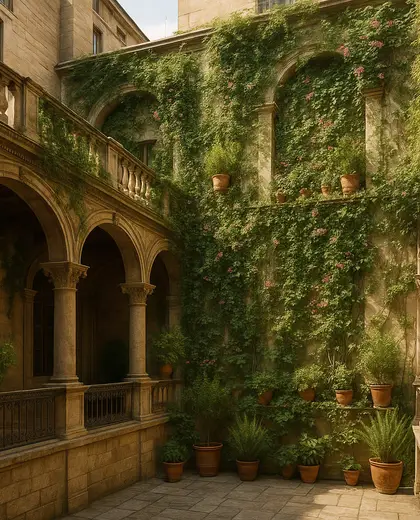
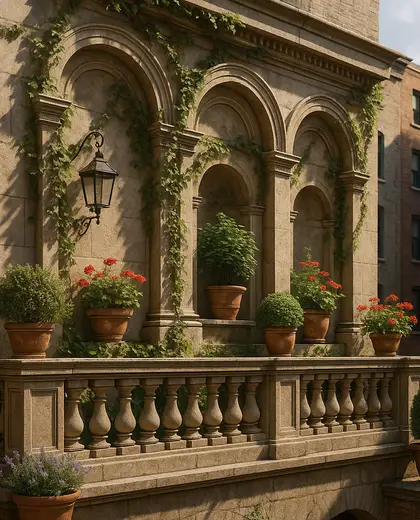
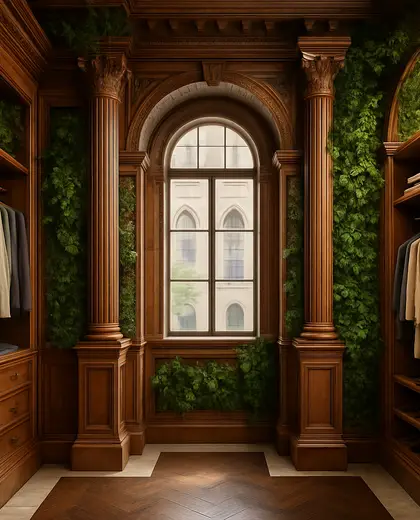
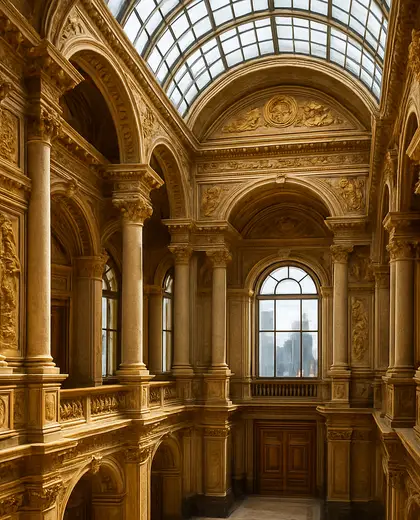
This composition pairs Renaissance proportions and ornament with the density and structure of urban architecture. Expect stone, stucco, arched openings, pilasters, cornices, and balanced façades set against a compact street-facing form. The palette is usually warm neutrals, muted earth tones, and weathered finishes that read well in a city setting.
- renaissance
- urban
— References
References to explore
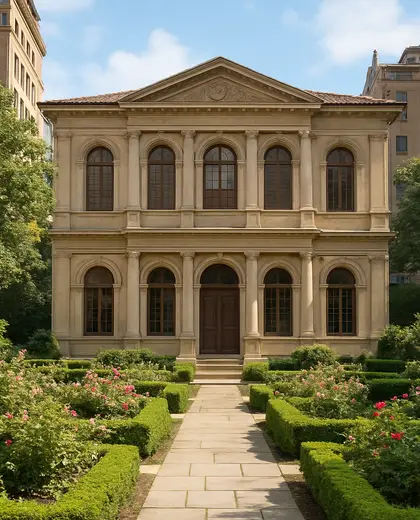
How do Renaissance elements work in an urban home?
They are usually scaled into façades, entries, windows, and interior transitions so the building feels classical without losing a city-appropriate footprint.
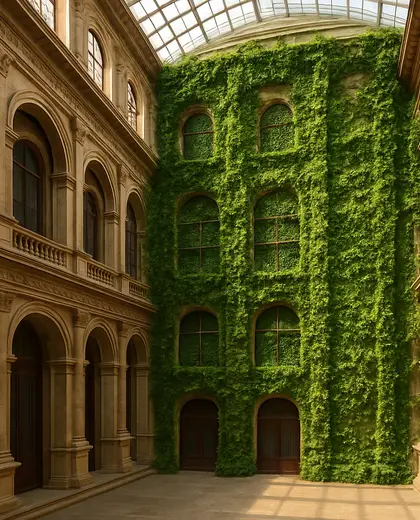
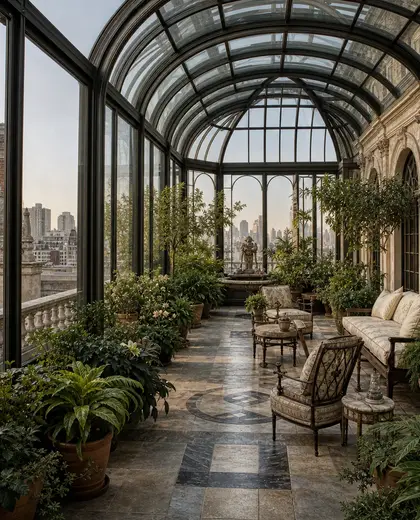
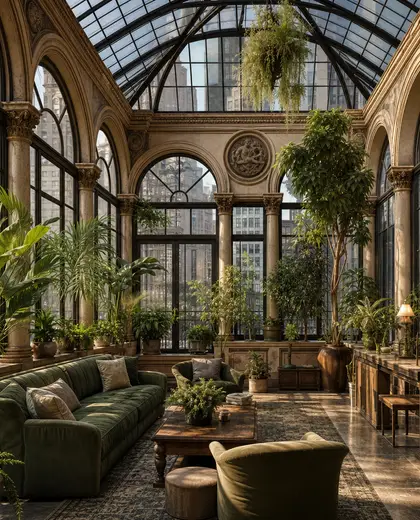
What kind of exterior finishes fit this style?
Smooth or lightly textured stucco, stone trim, brick base courses, and restrained metalwork are the most common choices.
Does this style feel historic or modern?
It leans historic in its proportions and detailing, but it can feel current when the massing is clean and the material palette stays restrained.
— The style
What defines it
Stone, stucco, brick, carved detailing, metal railings, and sometimes patinated bronze or dark wood accents.
Cream, sand, terracotta, warm gray, muted beige, and deeper accents like charcoal or oxidized metal.
Tight urban lots, multi-story façades, balconies, storefront edges, courtyards, and disciplined symmetrical composition.
— Professionals
Who has already built it
- vorbild architecturearchitects · 6 projectsView profile →
- kerem erbagci3d renderers · London · 9 projectsView profile →
- paquis norris group limitedbuilders · Reading · 3 projectsView profile →
- LoftRobejoiners · Guildford · 4 projectsView profile →
— Explore
Keep exploring
— Questions
Frequently asked questions
How do Renaissance elements work in an urban home?
They are usually scaled into façades, entries, windows, and interior transitions so the building feels classical without losing a city-appropriate footprint.
What kind of exterior finishes fit this style?
Smooth or lightly textured stucco, stone trim, brick base courses, and restrained metalwork are the most common choices.
Does this style feel historic or modern?
It leans historic in its proportions and detailing, but it can feel current when the massing is clean and the material palette stays restrained.