— Ideas & inspiration
Renaissance grace by the sea
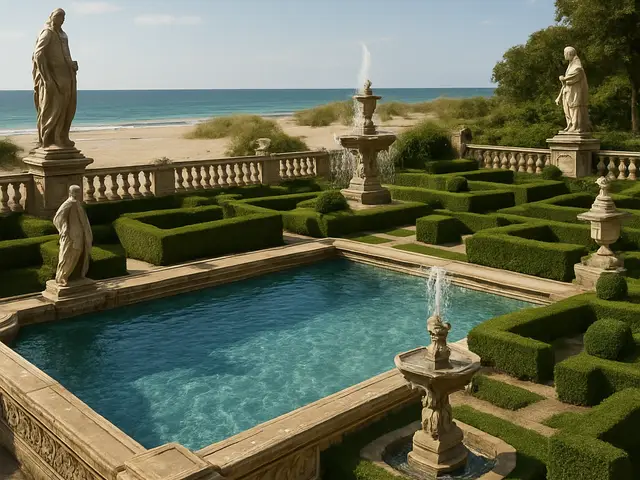
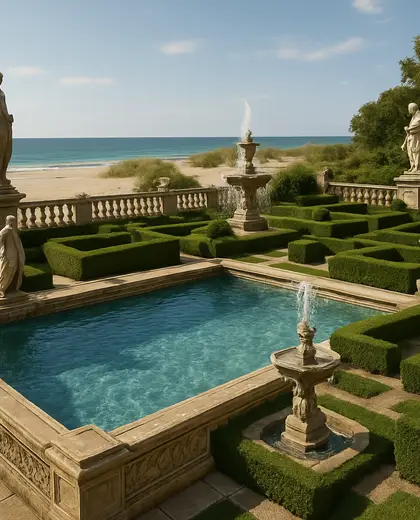
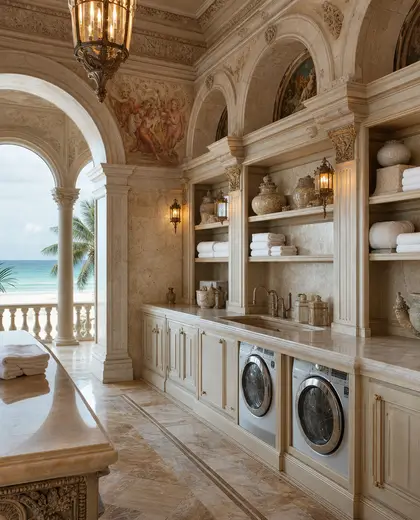
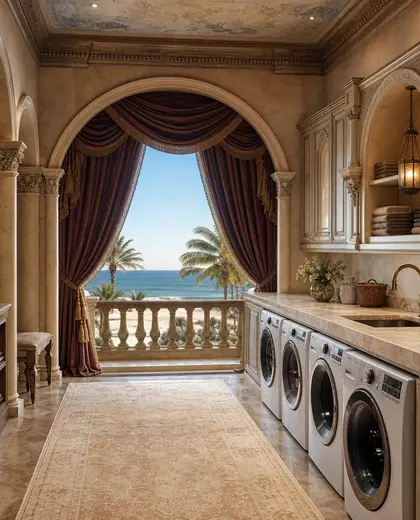
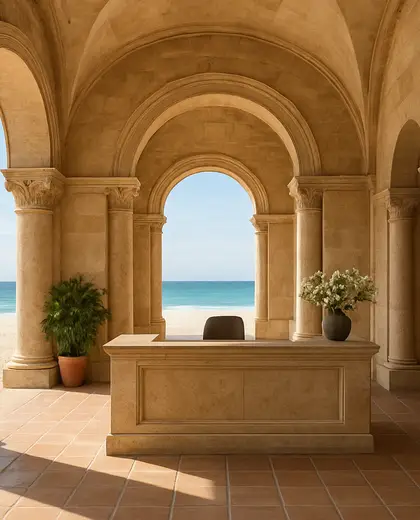
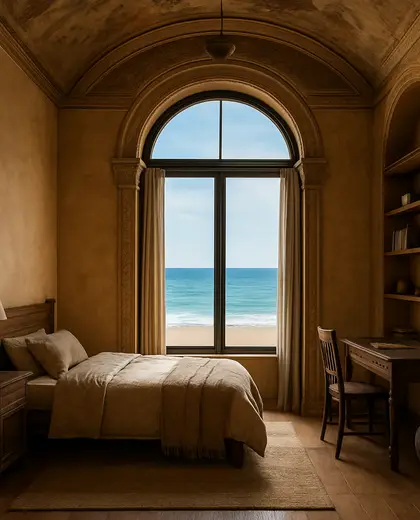
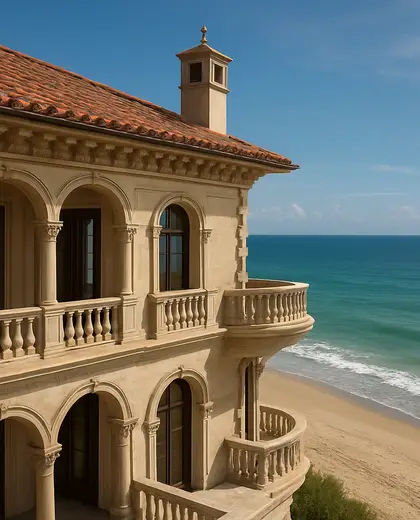
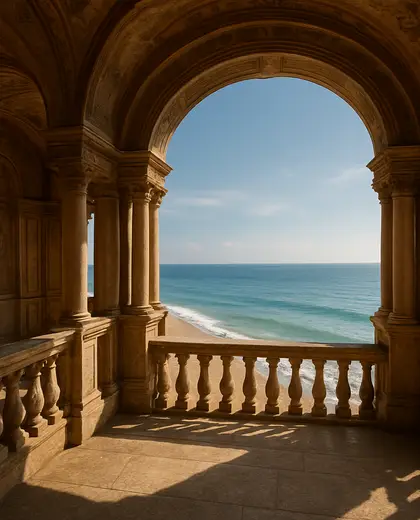
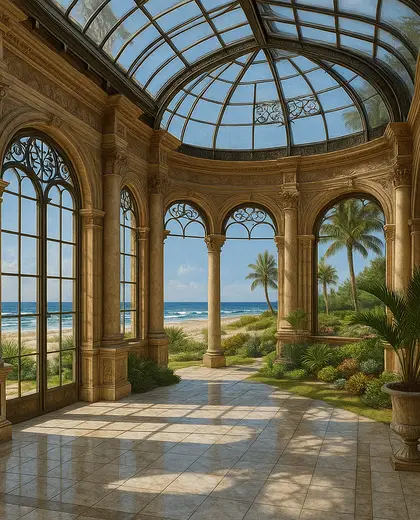
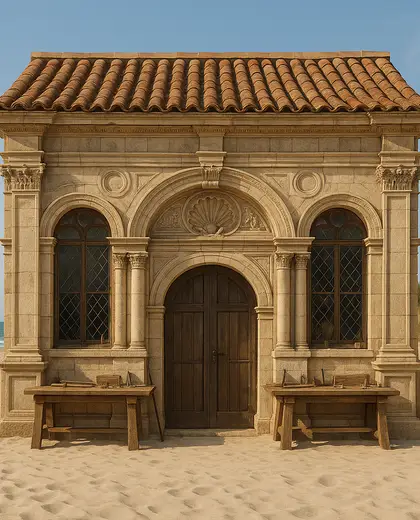
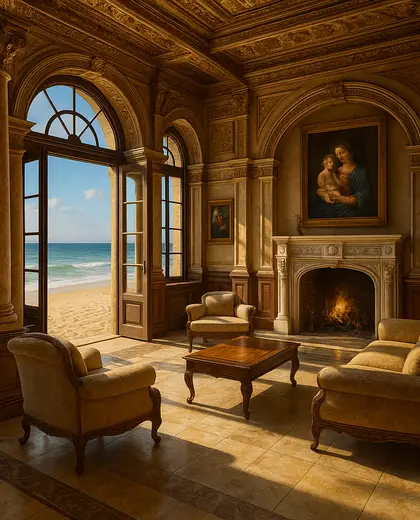
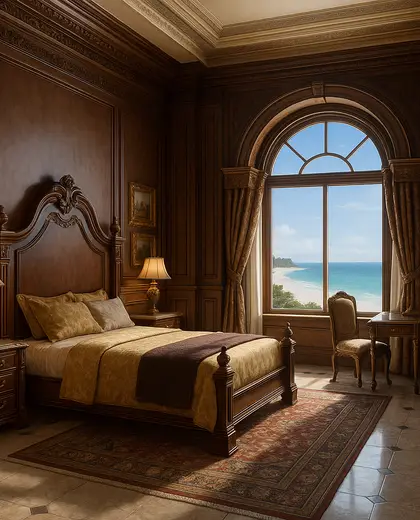
This composition pairs Renaissance symmetry and proportion with a beach setting through stucco walls, arched openings, colonnades, and terracotta or stone detailing. The palette is sun-washed and coastal: sand, ivory, pale ochre, sea blue, and weathered wood. Broad terraces, shaded loggias, and classical trim soften the transition between interior rooms and the shoreline.
- renaissance
- beach
— References
References to explore
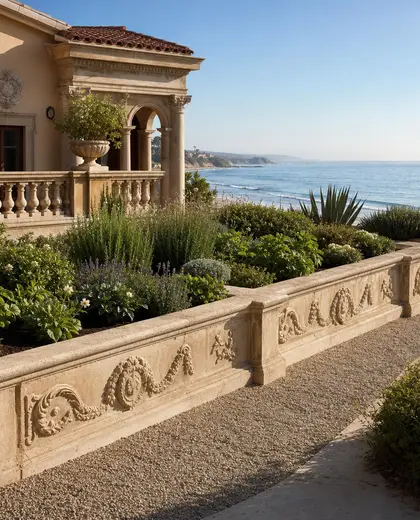
How does Renaissance style work in a beach house?
It works best when the formal structure is simplified and paired with light, durable coastal finishes. Arches, balanced façades, and classical details stay, while heavy ornament is kept restrained.
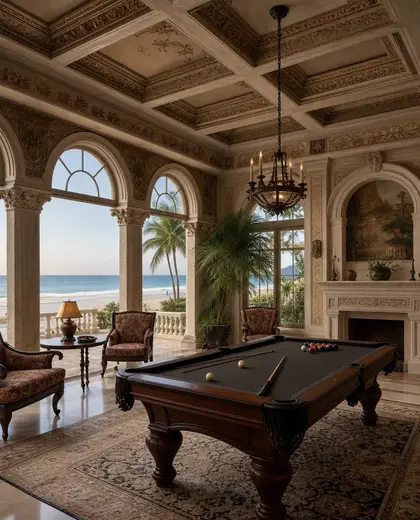
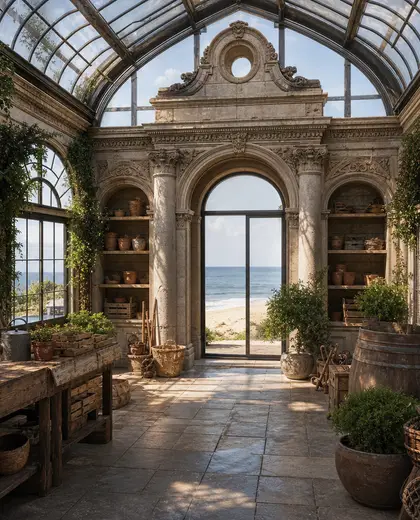
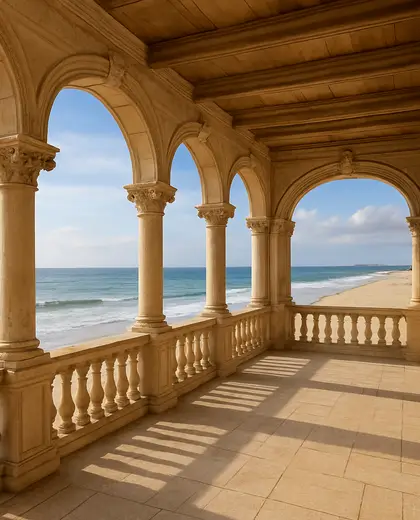
What materials suit this look near the coast?
Stucco, stone, treated timber, terracotta, and corrosion-resistant metal details are common choices. They hold the classical feel while standing up better to salt air and humidity.
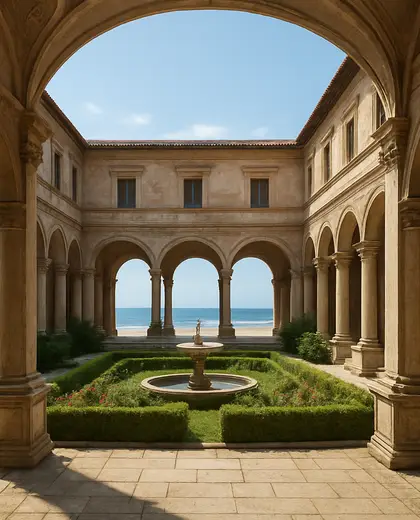
Will this style feel too formal for a relaxed beach setting?
It can if the detailing is overly ornate. Using open terraces, breezy rooms, and a lighter color palette keeps the composition elegant but easygoing.
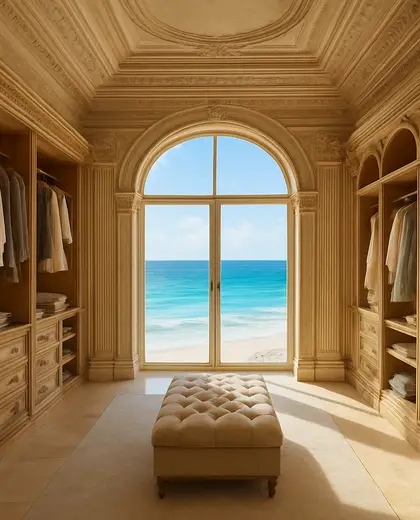
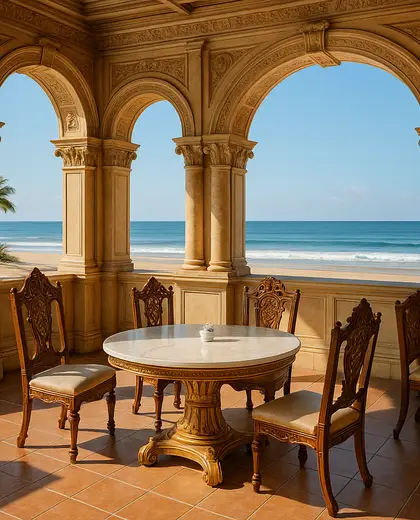
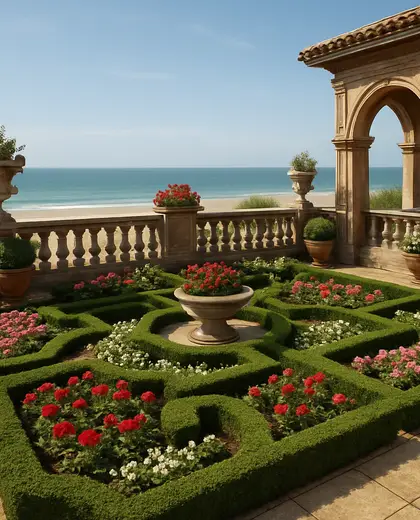
— The style
What defines it
Stucco, limestone, terracotta, timber, and wrought iron.
Ivory, sand, warm beige, faded blue, seafoam, and sun-bleached stone.
Classical Renaissance symmetry, arches, columns, and coastal outdoor living.
— Professionals
Who has already built it
- slade slade design3d renderers · Bristol · 6 projectsView profile →
- marcela tossiinterior designers · London · 6 projectsView profile →
- maria mateaarchitects · London · 7 projectsView profile →
- paquis norris group limitedbuilders · Reading · 3 projectsView profile →
— Explore
Keep exploring
— Questions
Frequently asked questions
How does Renaissance style work in a beach house?
It works best when the formal structure is simplified and paired with light, durable coastal finishes. Arches, balanced façades, and classical details stay, while heavy ornament is kept restrained.
What materials suit this look near the coast?
Stucco, stone, treated timber, terracotta, and corrosion-resistant metal details are common choices. They hold the classical feel while standing up better to salt air and humidity.
Will this style feel too formal for a relaxed beach setting?
It can if the detailing is overly ornate. Using open terraces, breezy rooms, and a lighter color palette keeps the composition elegant but easygoing.