— Ideas & inspiration
Renaissance
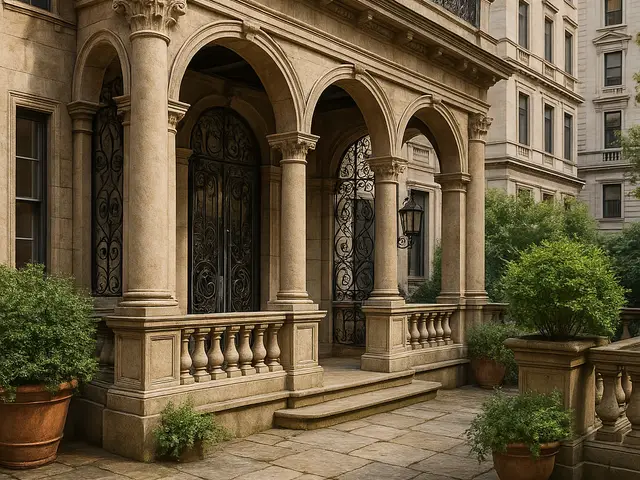
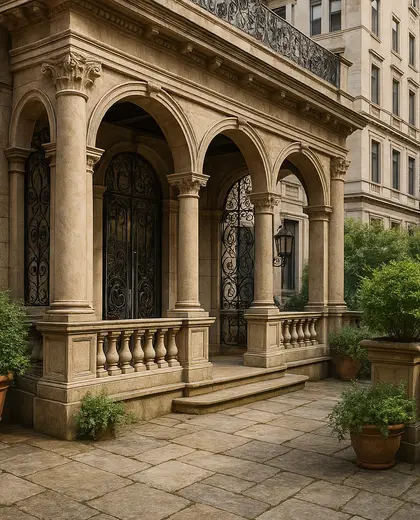
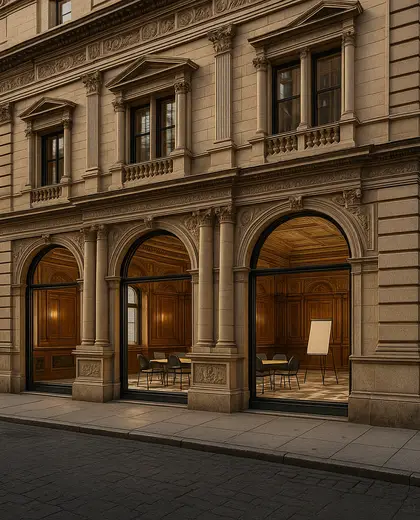
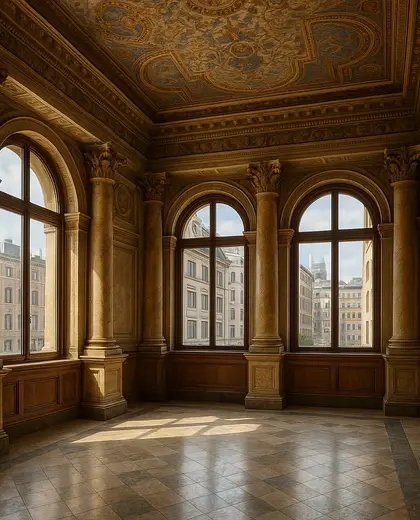
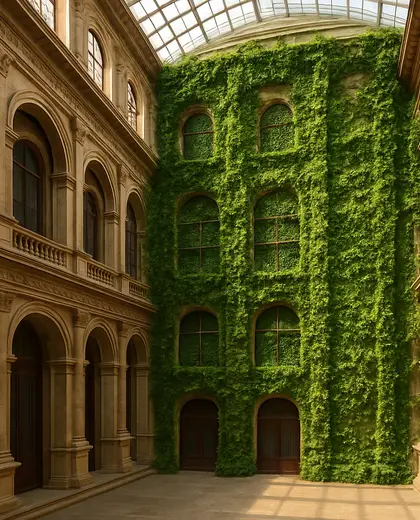
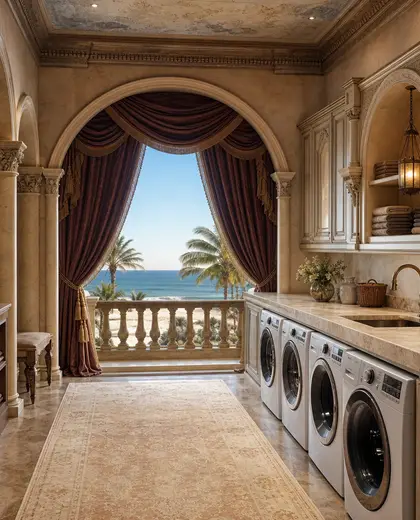
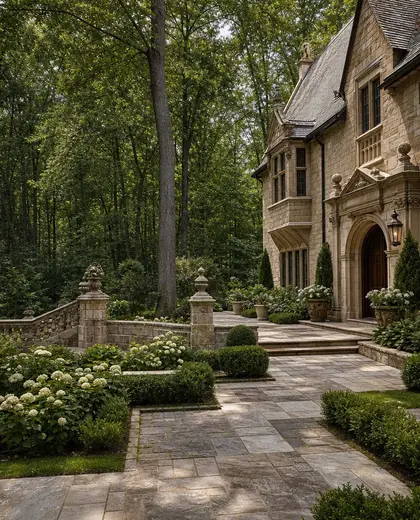
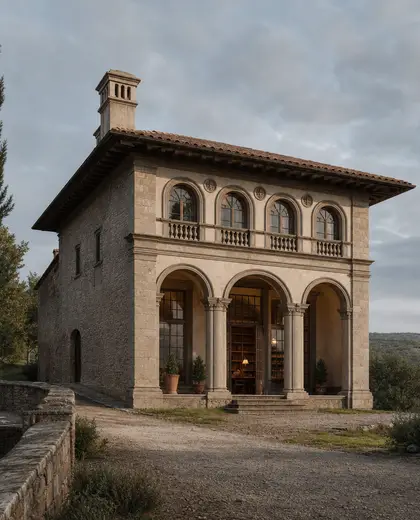
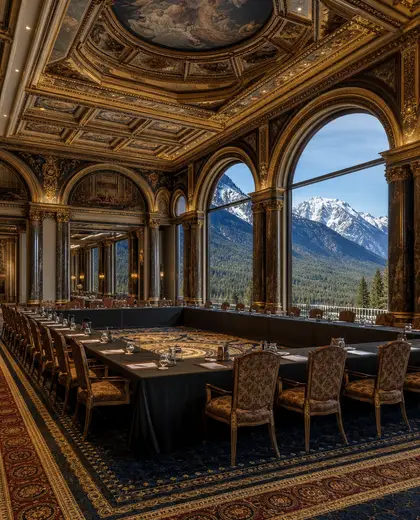
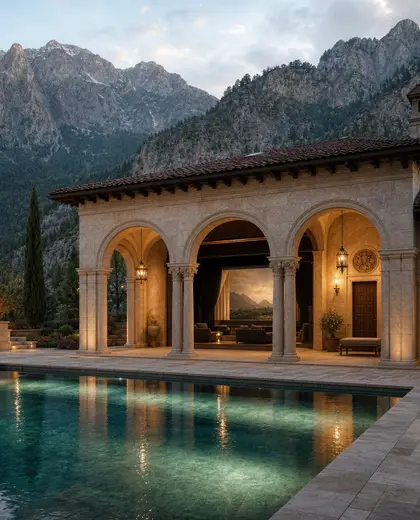
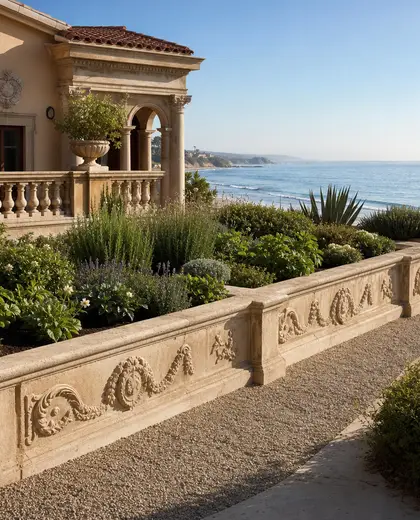
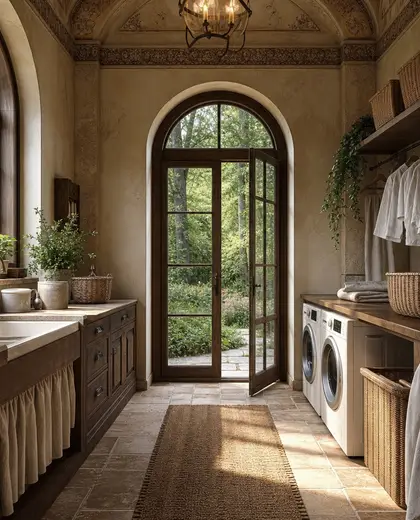
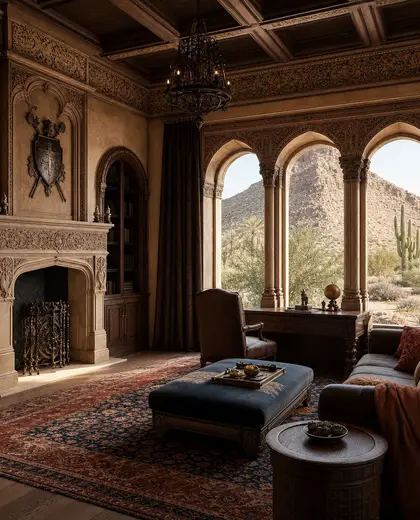
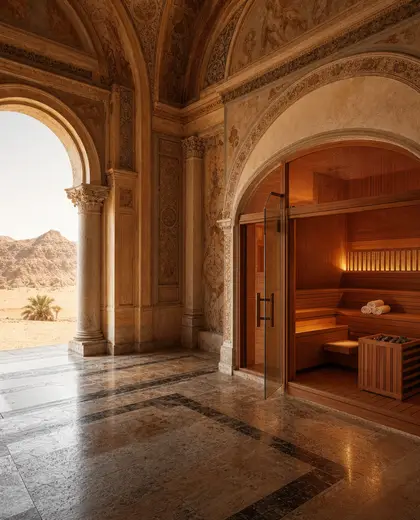
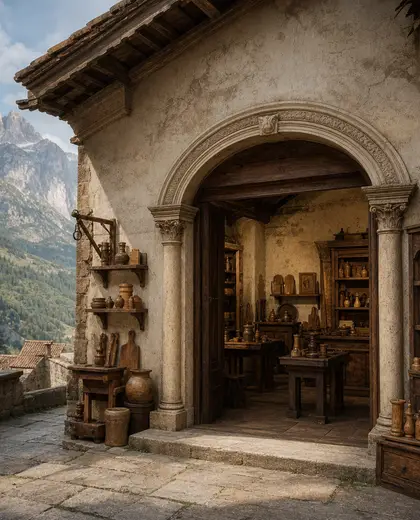
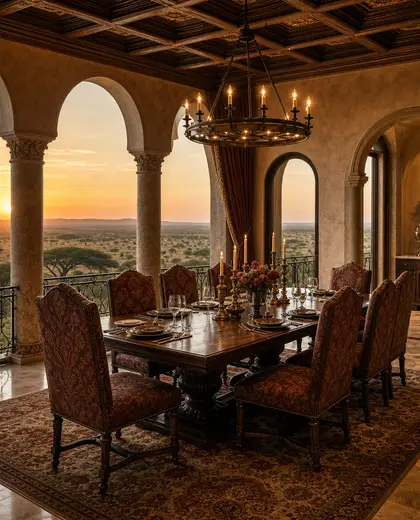
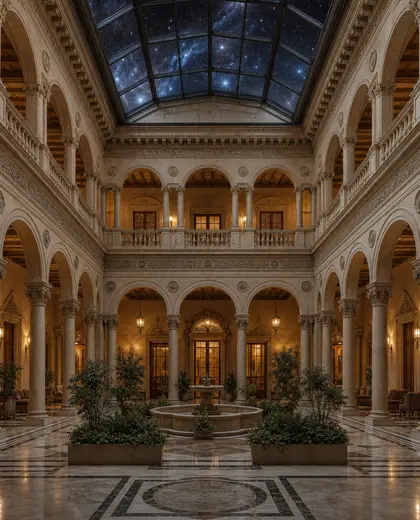
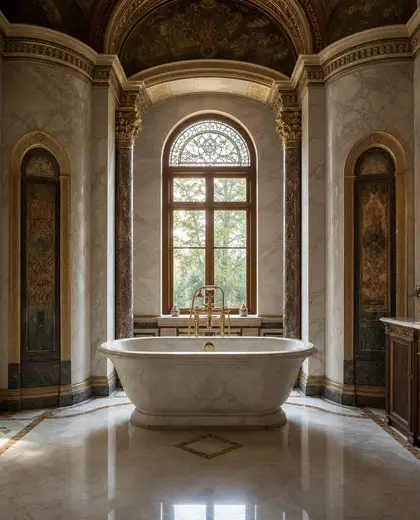
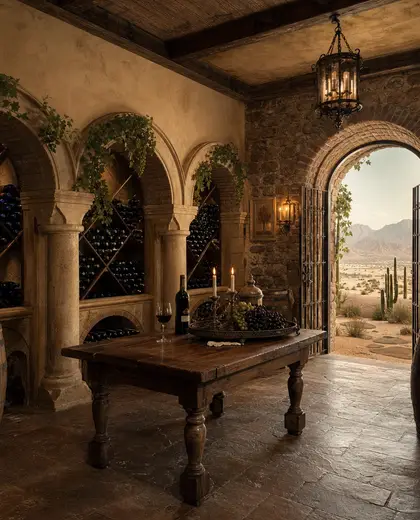
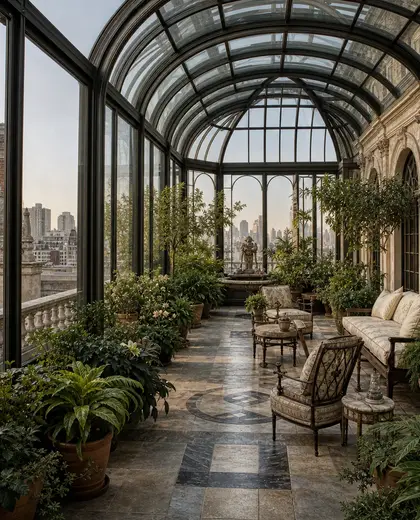
Renaissance composition is defined by symmetry, classical proportions, and richly detailed surfaces. It typically uses stone, plaster, carved wood, marble, and metal accents, with deep neutrals, warm earth tones, and muted jewel colors. The look is shaped by arches, columns, coffered ceilings, ornamented moldings, and balanced, formal room layouts.
- renaissance
— References
References to explore
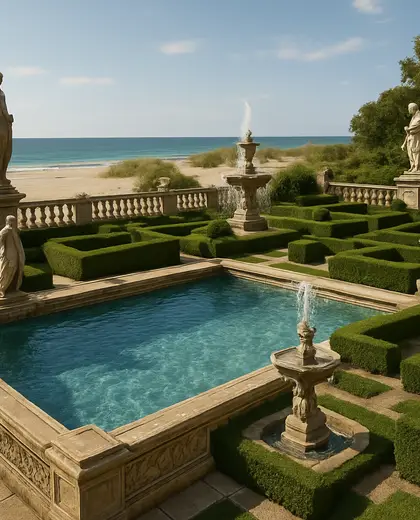
Is Renaissance style suitable for a modern home?
Yes, if you adapt it selectively. The style can be introduced through symmetry, molding, stone or wood surfaces, and a restrained classical palette without recreating a historic interior exactly.
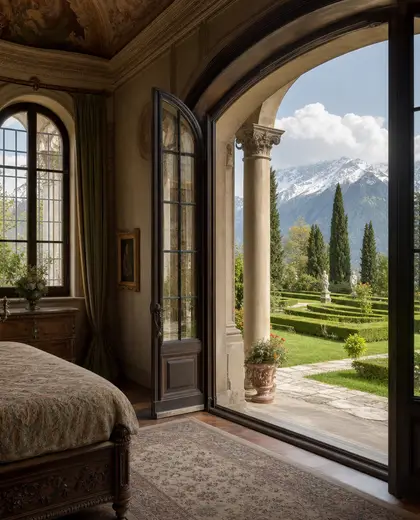
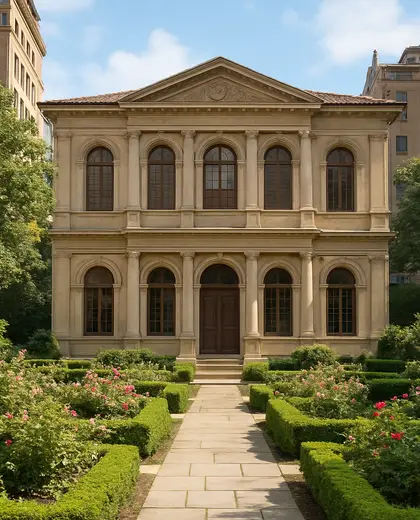
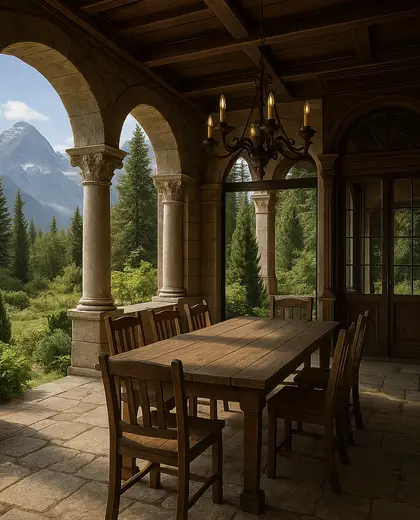
What rooms suit this composition best?
It often works best in living rooms, dining rooms, entry halls, and studies, where formal proportions and decorative detail can be appreciated. Smaller rooms can use lighter versions with fewer ornaments.

Does Renaissance style require expensive materials?
Not necessarily. Authentic materials like stone and carved wood can be costly, but the composition can be expressed with more accessible alternatives such as plaster detailing, engineered stone, and wood-look finishes.
— The style
What defines it
Marble, limestone, plaster, carved timber, bronze, and occasionally silk or velvet for softer finishes.
Cream, ivory, ochre, terracotta, umber, muted green, deep red, and gold-toned accents.
Works well with classical architecture, formal furniture, fresco-like wall treatments, decorative lighting, and sculptural decor.
— Professionals
Who has already built it
- vorbild architecturearchitects · 6 projectsView profile →
- kerem erbagci3d renderers · London · 9 projectsView profile →
- paquis norris group limitedbuilders · Reading · 3 projectsView profile →
- LoftRobejoiners · Guildford · 4 projectsView profile →
— Questions
Frequently asked questions
Is Renaissance style suitable for a modern home?
Yes, if you adapt it selectively. The style can be introduced through symmetry, molding, stone or wood surfaces, and a restrained classical palette without recreating a historic interior exactly.
What rooms suit this composition best?
It often works best in living rooms, dining rooms, entry halls, and studies, where formal proportions and decorative detail can be appreciated. Smaller rooms can use lighter versions with fewer ornaments.
Does Renaissance style require expensive materials?
Not necessarily. Authentic materials like stone and carved wood can be costly, but the composition can be expressed with more accessible alternatives such as plaster detailing, engineered stone, and wood-look finishes.