— Ideas & inspiration
Rustic warmth in the kitchen
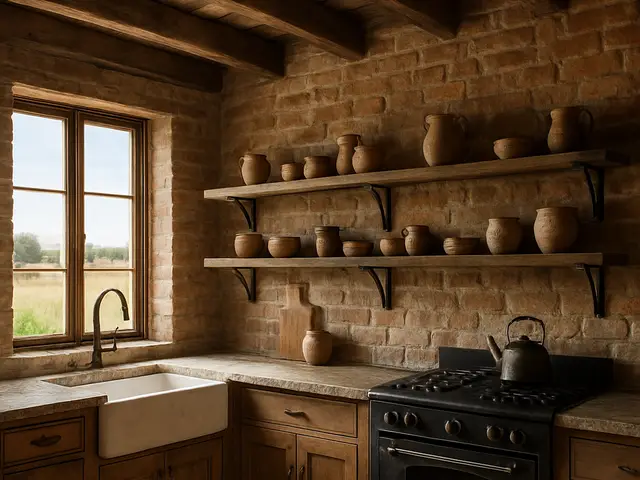
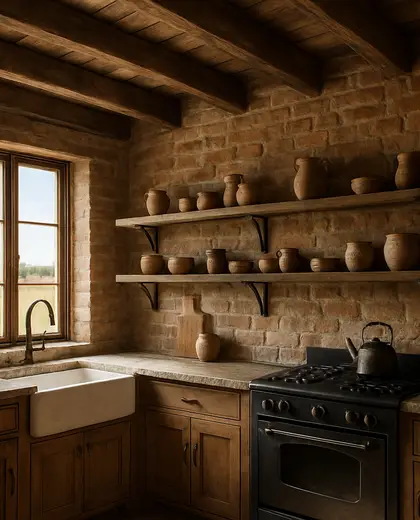
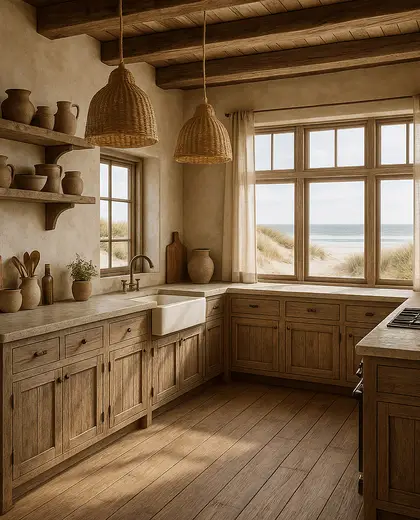
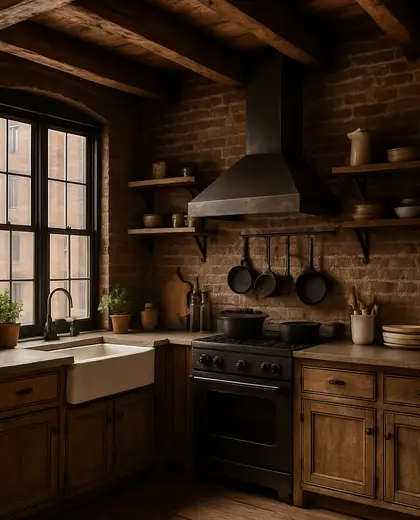
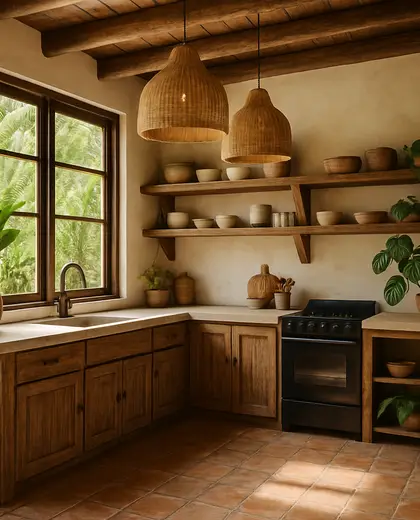
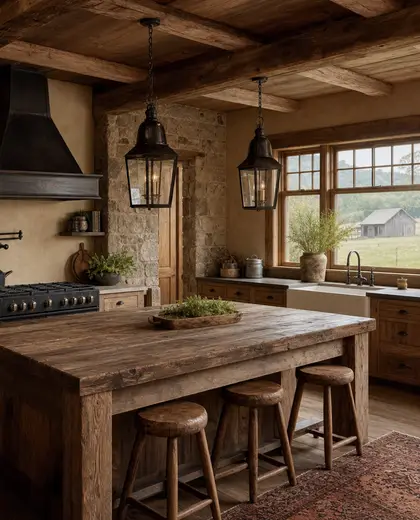
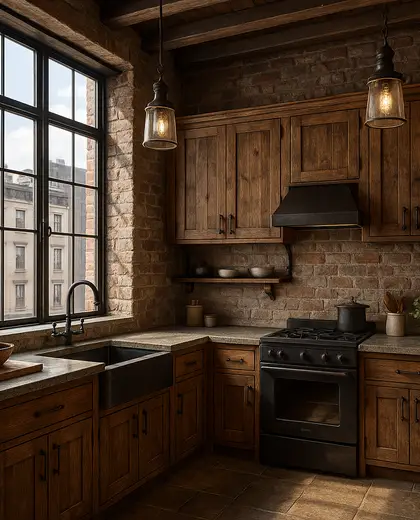
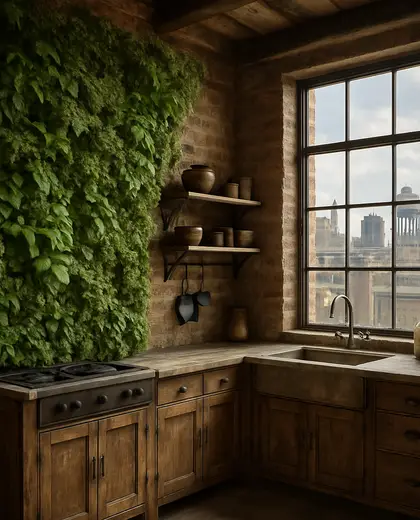
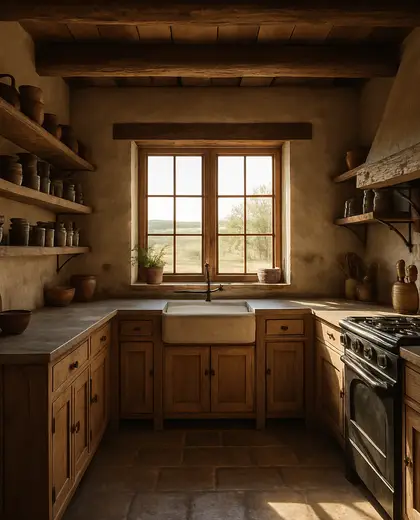
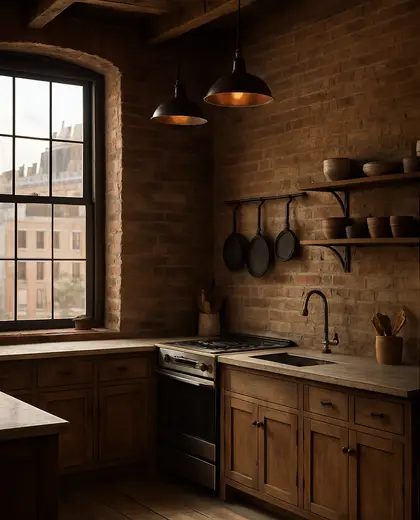
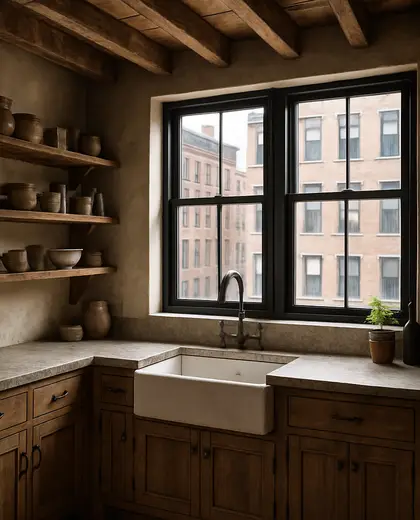
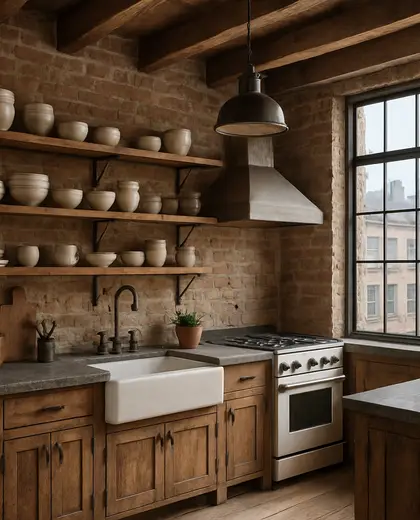
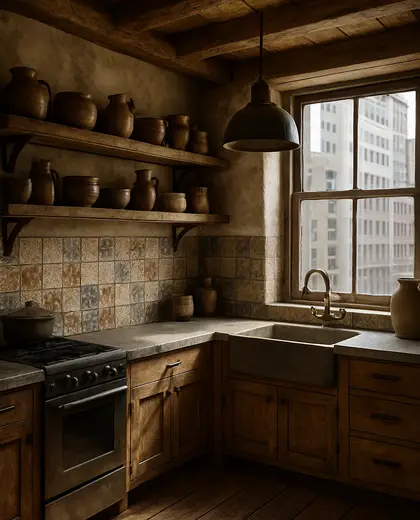
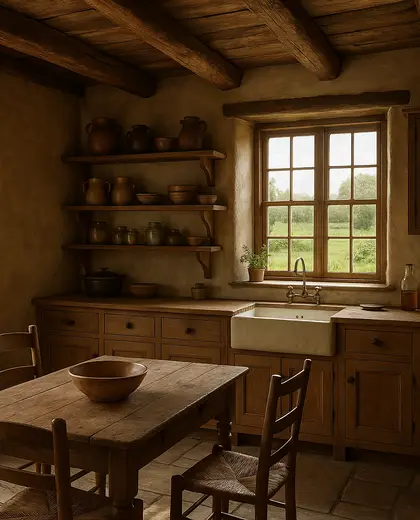
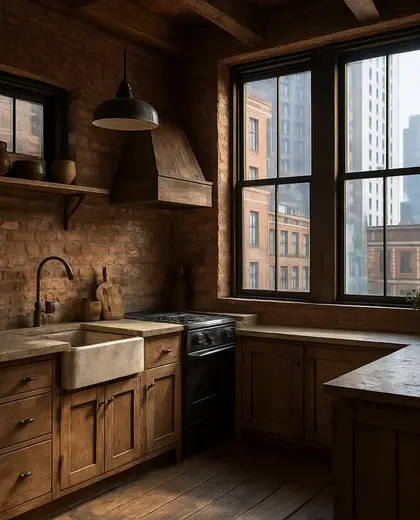
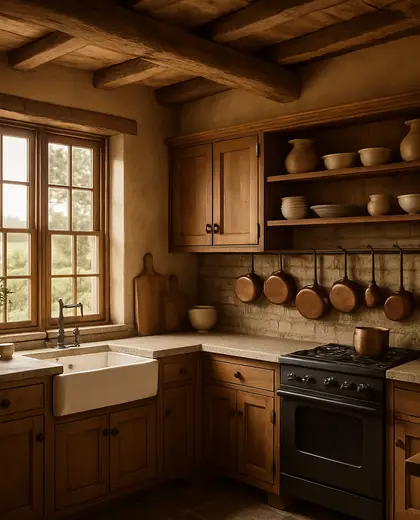
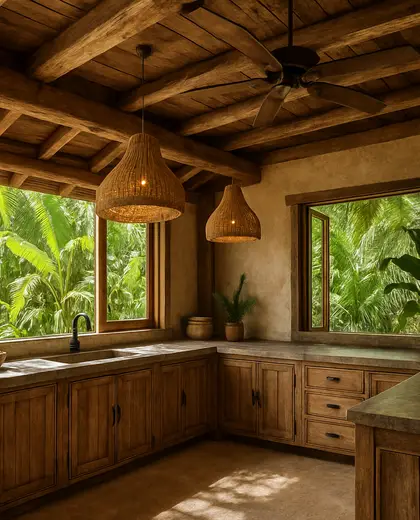
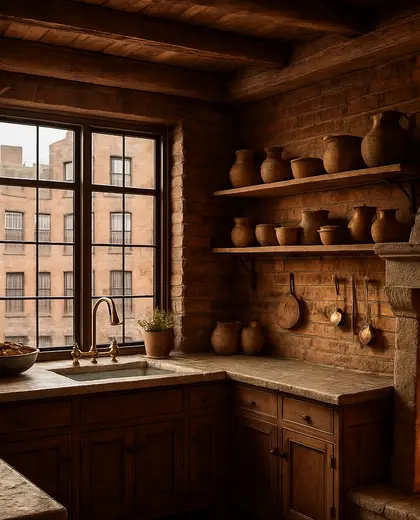
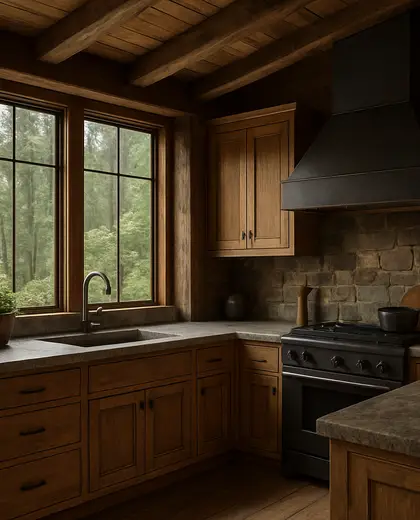
A rustic kitchen is defined by natural, timeworn materials such as wood, stone, and textured plaster, often left with visible grain, knots, and irregular finishes. The palette usually stays warm and earthy, with browns, creams, muted greens, and aged metal accents. Open shelving, sturdy cabinetry, apron sinks, and handmade details help give the space its grounded character.
- kitchen
- rustic
— References
References to explore
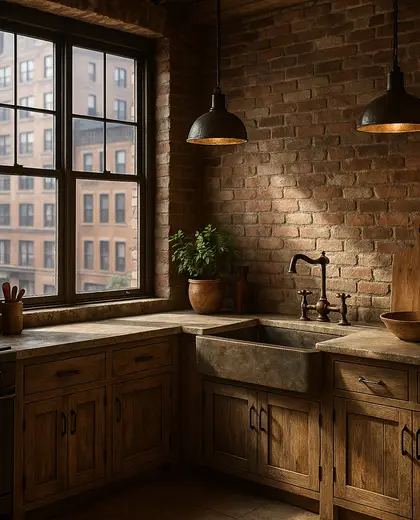
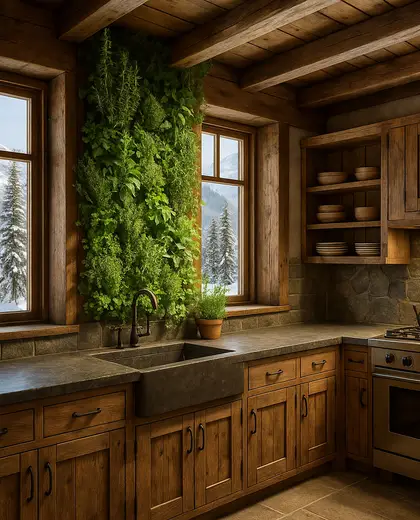
What makes a kitchen feel rustic?
Natural textures, visible wood grain, rougher finishes, and details that feel handcrafted or aged give the kitchen a rustic look.
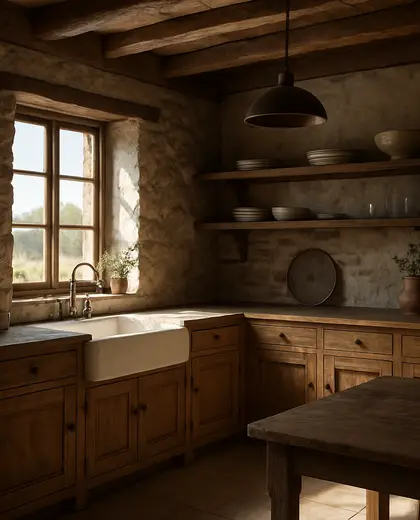
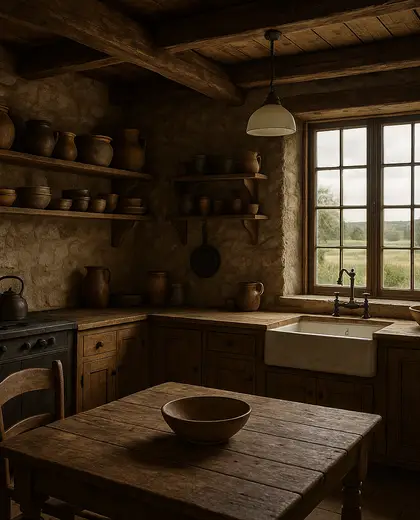
Can a rustic kitchen still feel modern?
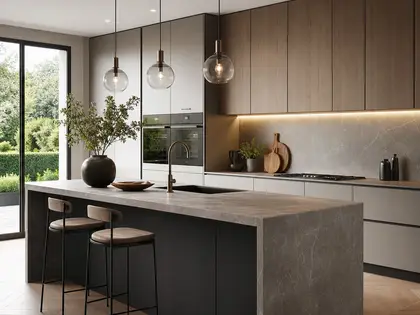
Yes. Keeping the layout clean, limiting ornament, and mixing rustic surfaces with simple cabinetry or streamlined appliances can make it feel current.
Is rustic kitchen design only for country homes?
No. Rustic elements can be used in apartments, urban homes, and renovations as long as the materials and proportions suit the space.
— The style
What defines it
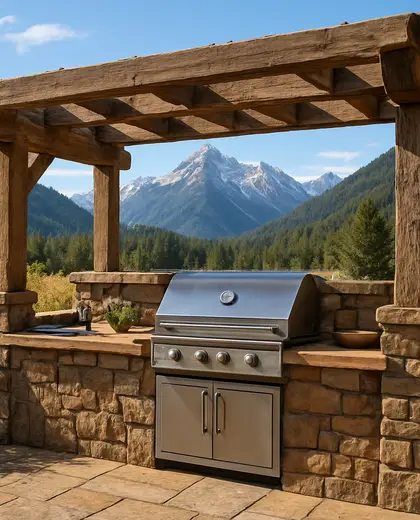
Wood, stone, brick, clay tile, plaster, and wrought iron are common, usually with matte or weathered finishes.
Warm neutrals, earthy browns, soft whites, muted greens, and aged black or bronze details.
Works well with farmhouse, traditional, cottage, and contemporary interiors when balanced with simpler lines.
— Professionals
Who has already built it
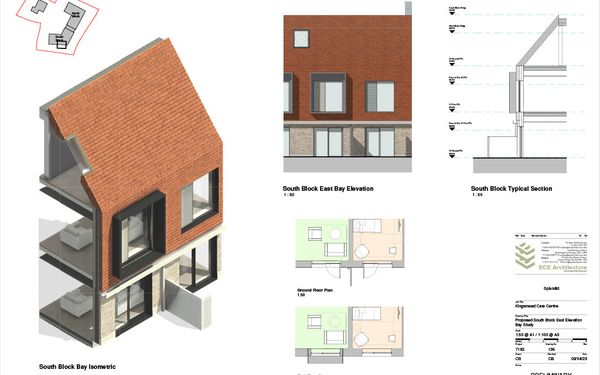

- paquis norris group limitedbuilders · Reading · 3 projectsView profile →
- LoftRobejoiners · Guildford · 4 projectsView profile →
- Beneito Faurelighting designers · 2 projectsView profile →
- Lusso Stonetile suppliers · Stocktonontees · 7 projectsView profile →
— Explore
Keep exploring
— Questions
Frequently asked questions
What makes a kitchen feel rustic?
Natural textures, visible wood grain, rougher finishes, and details that feel handcrafted or aged give the kitchen a rustic look.
Can a rustic kitchen still feel modern?
Yes. Keeping the layout clean, limiting ornament, and mixing rustic surfaces with simple cabinetry or streamlined appliances can make it feel current.
Is rustic kitchen design only for country homes?
No. Rustic elements can be used in apartments, urban homes, and renovations as long as the materials and proportions suit the space.