— Ideas & inspiration
A quiet yard shaped by desert light
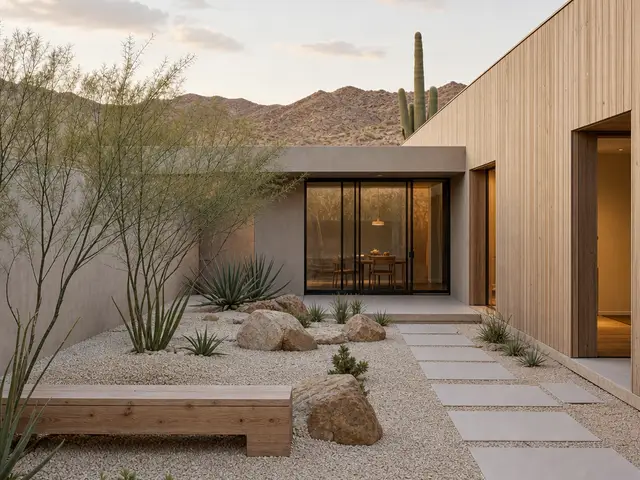
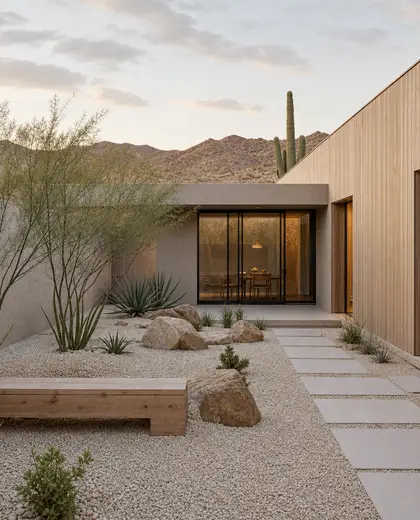
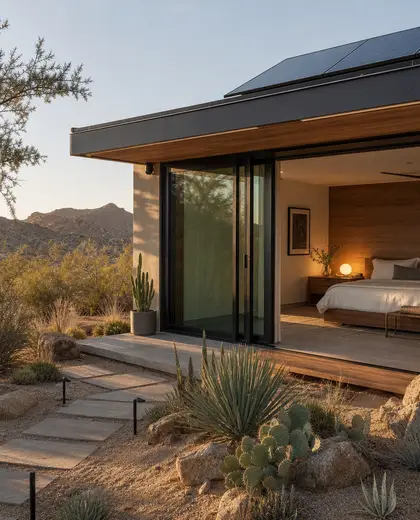
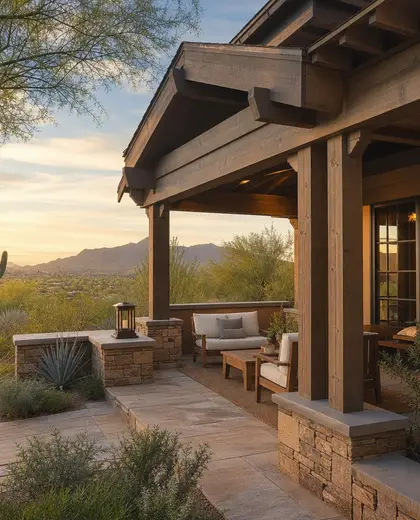
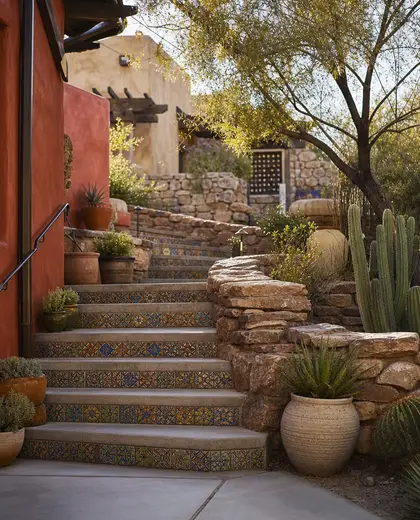
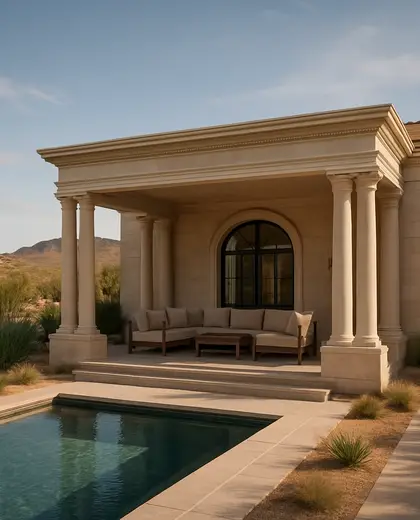
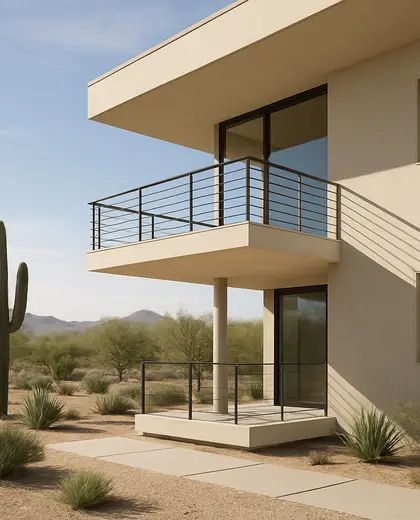
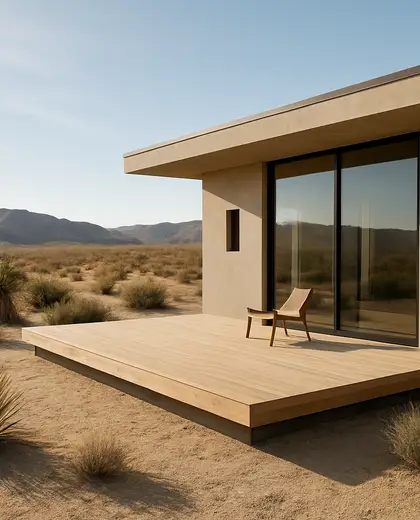
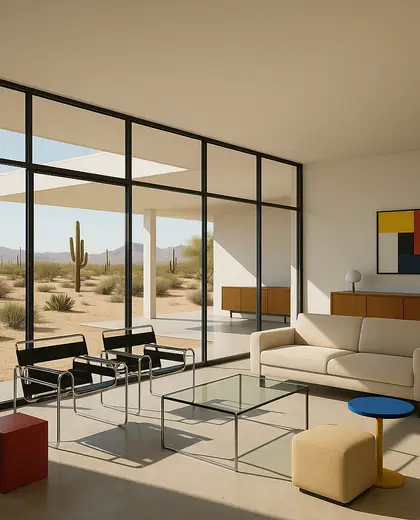
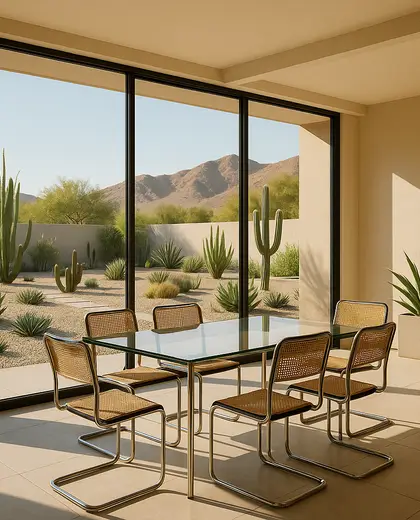
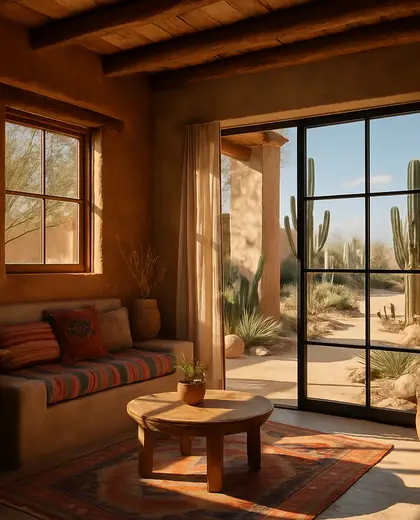
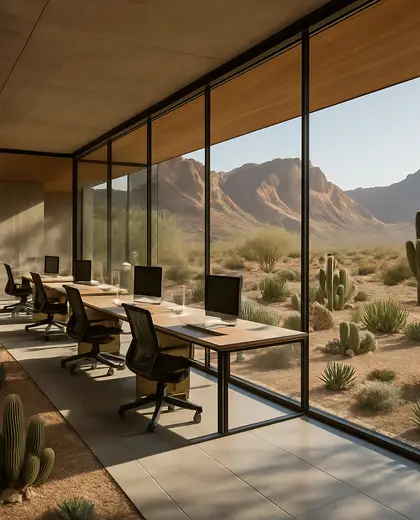
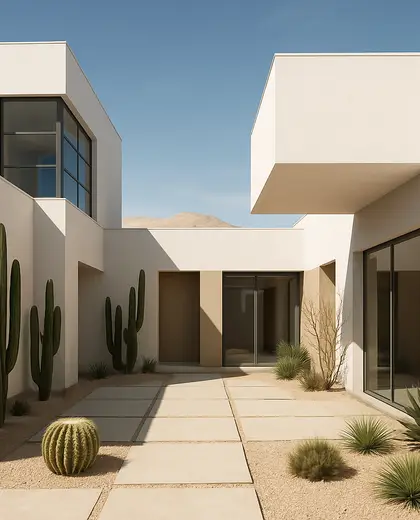
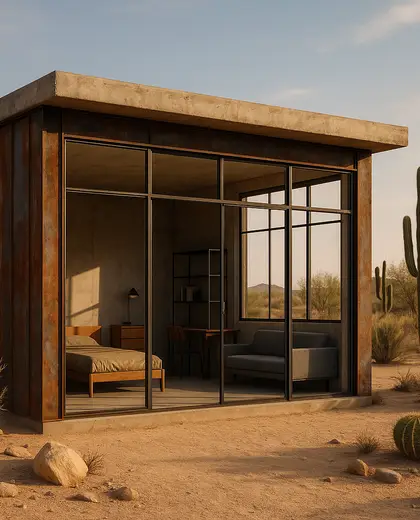
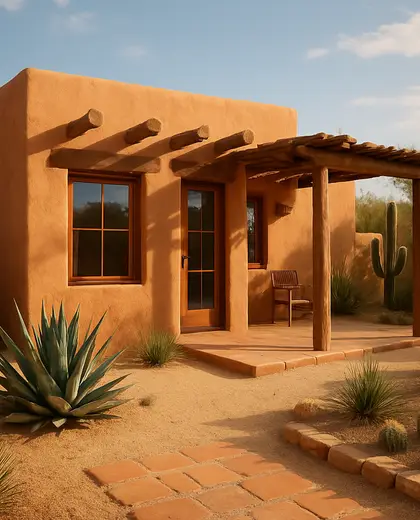
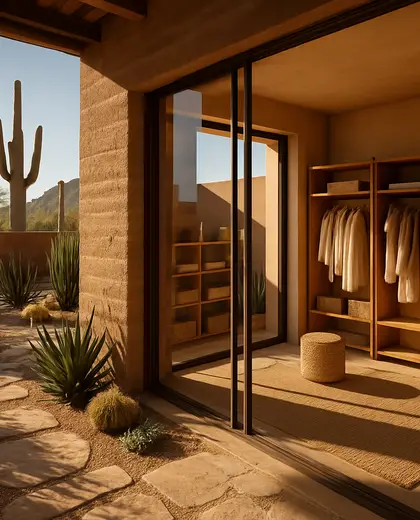
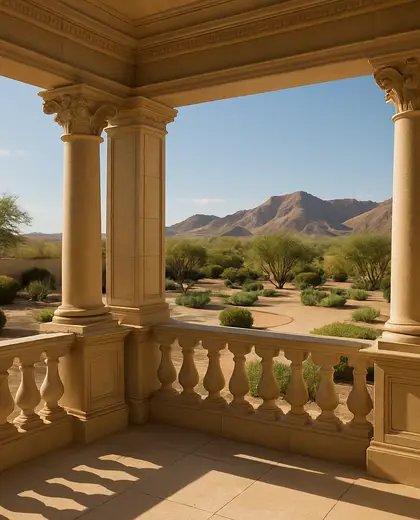
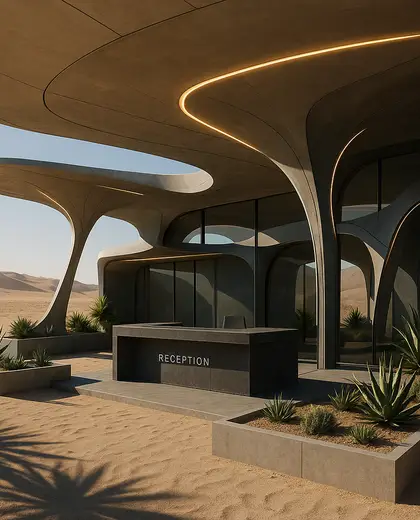
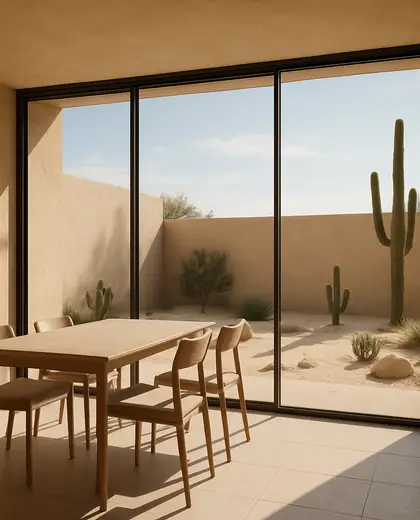
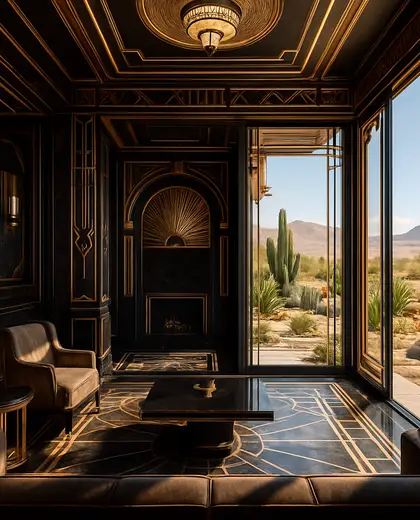
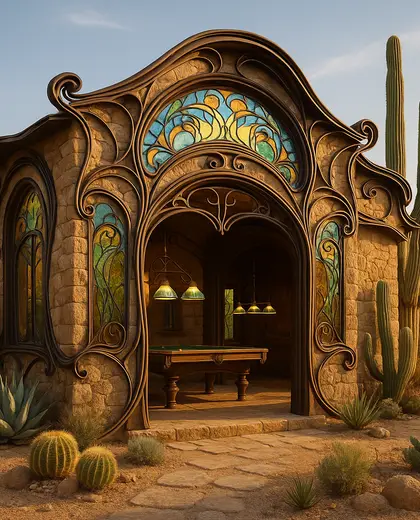
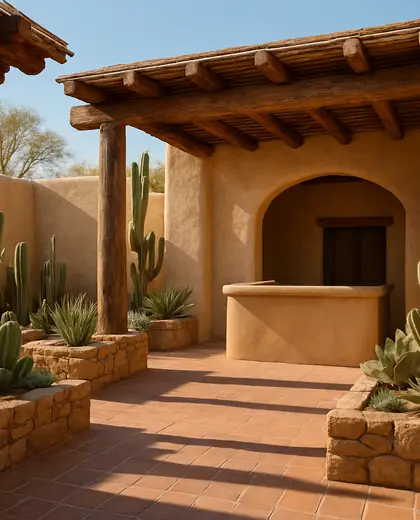
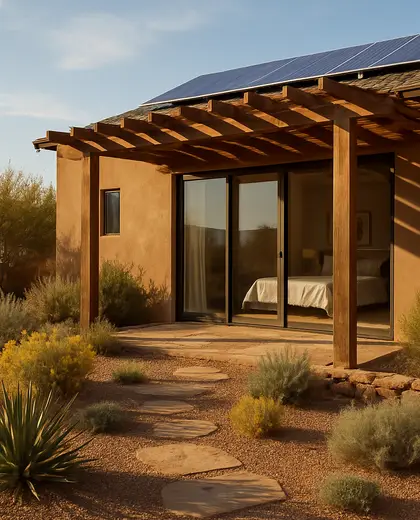
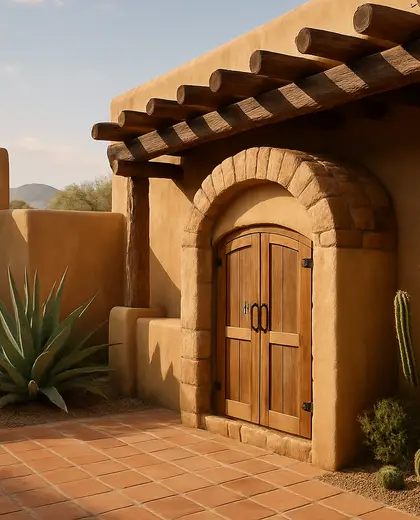
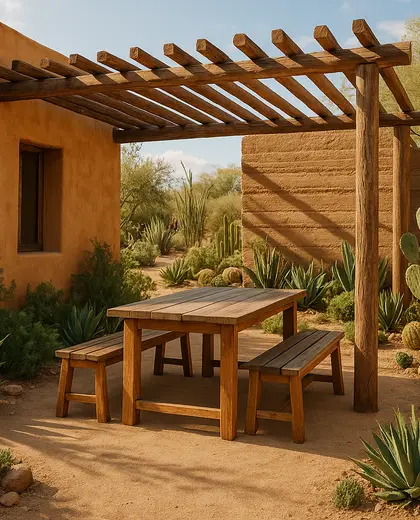
This composition pairs a yard layout with desert-inspired features: gravel, sand-toned paving, stone, and drought-tolerant planting. The look is defined by open ground planes, heat-resistant materials, low walls, and sparse vegetation that creates shade and structure without feeling heavy.
- yard
- desert
— References
References to explore
Is a desert-style yard only for very hot climates?
No, but it works best where the planting and hardscape can handle sun, dryness, and low water use. In wetter regions, drainage and plant selection need more attention.
What plants usually fit this look?
Succulents, cacti, agave, yucca, ornamental grasses, and other drought-tolerant species are common. Native plants are often the safest choice for long-term success.
Does this style need a lot of maintenance?
Usually less than a dense lawn garden, because there is less turf and more mineral ground cover. It still needs occasional cleanup, pruning, irrigation checks, and weed control.
— The style
What defines it
Gravel, decomposed granite, natural stone, concrete, weathered wood, and occasional metal accents.
Sand, beige, clay, terracotta, muted gray, sun-bleached brown, and dusty green.
Open yard planning, xeriscaping, low seating edges, cactus and succulents, and shaded courts or paths.
— Professionals
Who has already built it
- vorbild architecturearchitects · 6 projectsView profile →
- kerem erbagci3d renderers · London · 9 projectsView profile →
- paquis norris group limitedbuilders · Reading · 3 projectsView profile →
- LoftRobejoiners · Guildford · 4 projectsView profile →
— Explore
Keep exploring
— Questions
Frequently asked questions
Is a desert-style yard only for very hot climates?
No, but it works best where the planting and hardscape can handle sun, dryness, and low water use. In wetter regions, drainage and plant selection need more attention.
What plants usually fit this look?
Succulents, cacti, agave, yucca, ornamental grasses, and other drought-tolerant species are common. Native plants are often the safest choice for long-term success.
Does this style need a lot of maintenance?
Usually less than a dense lawn garden, because there is less turf and more mineral ground cover. It still needs occasional cleanup, pruning, irrigation checks, and weed control.