— Ideas & inspiration
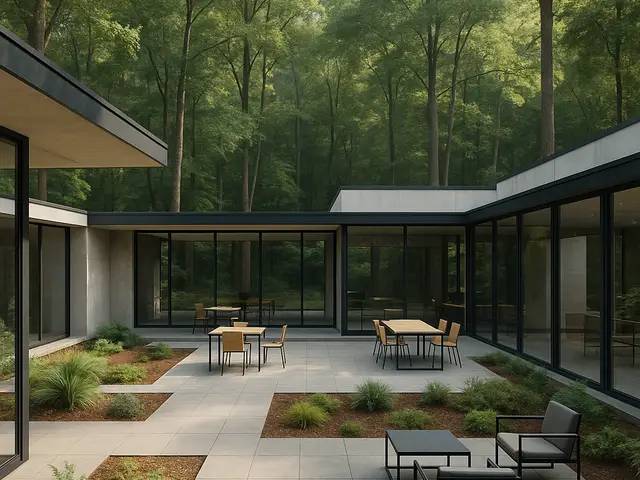
A yard framed by forest shade
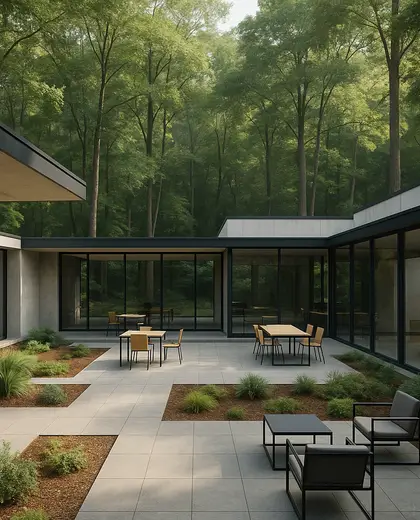
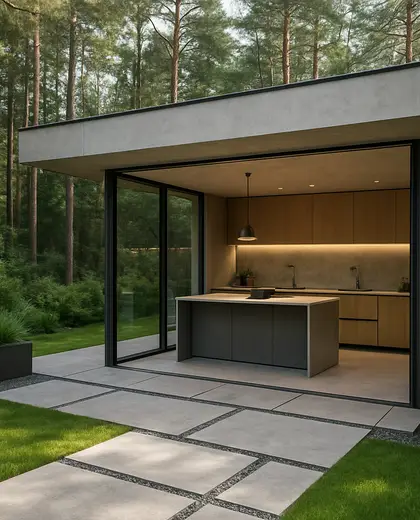
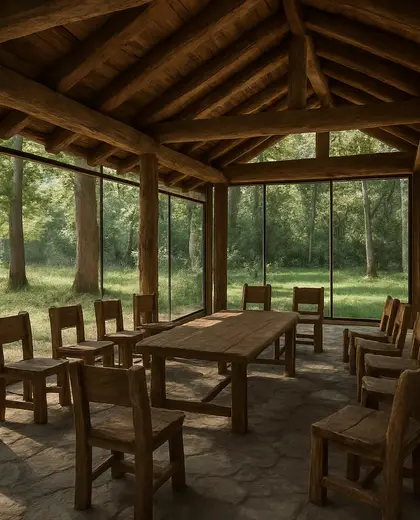
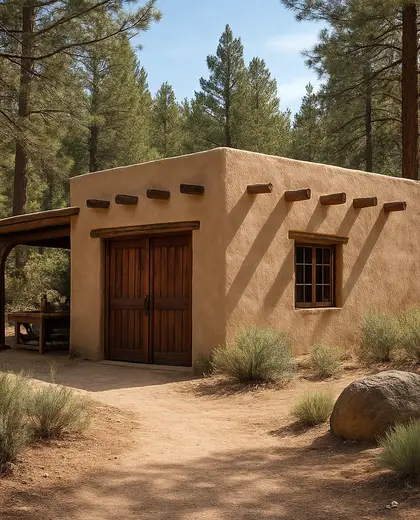
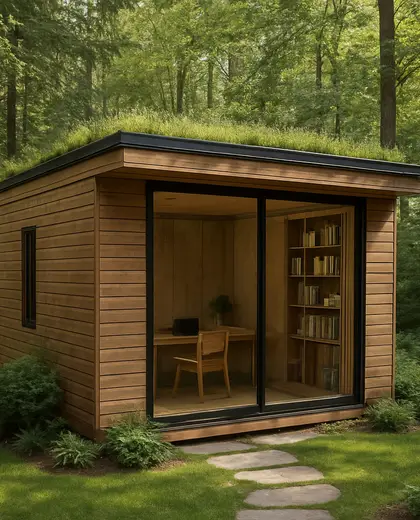
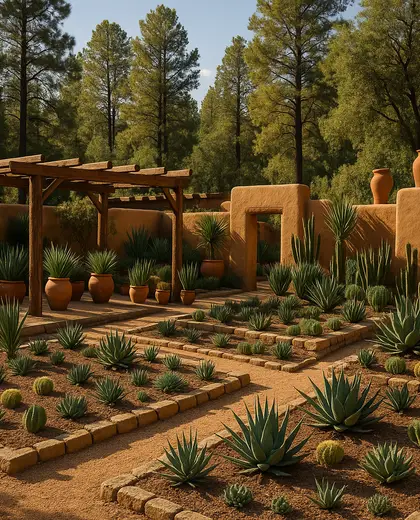
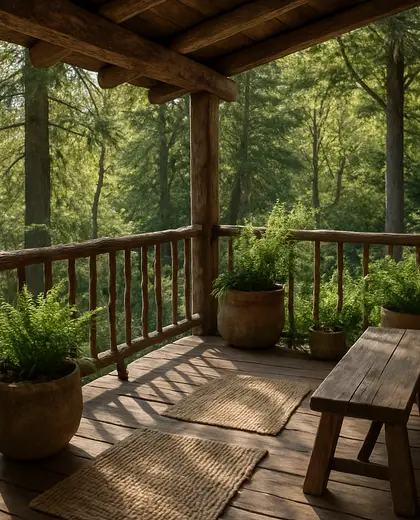
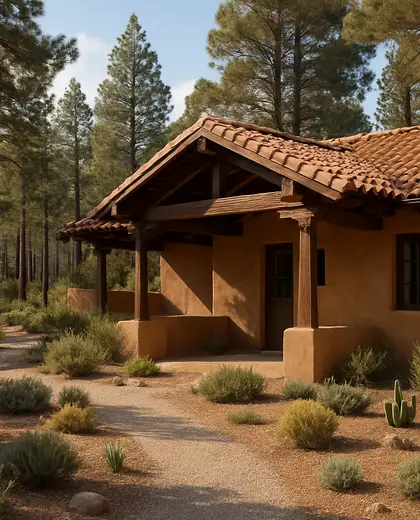
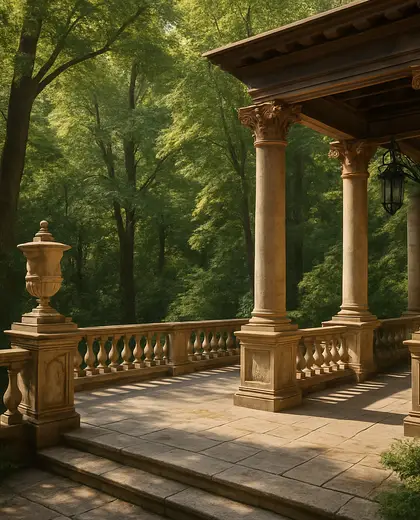
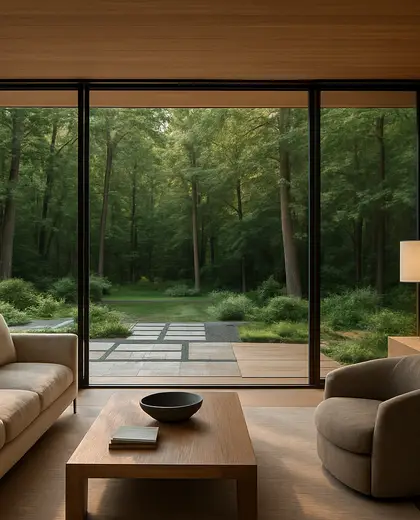
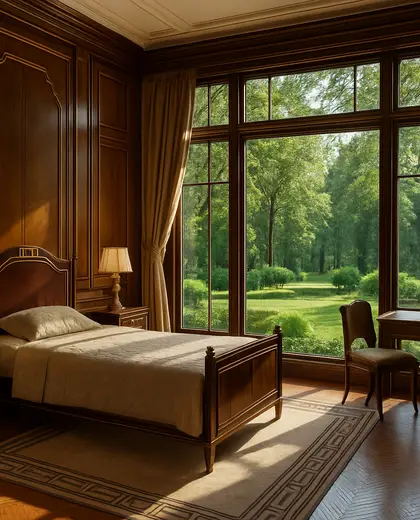
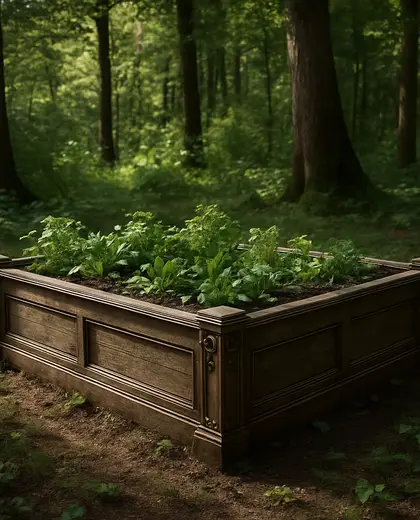
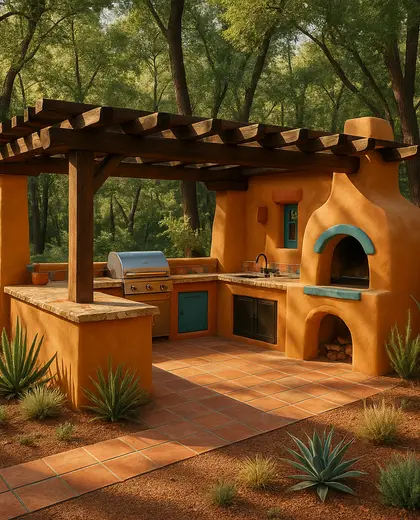
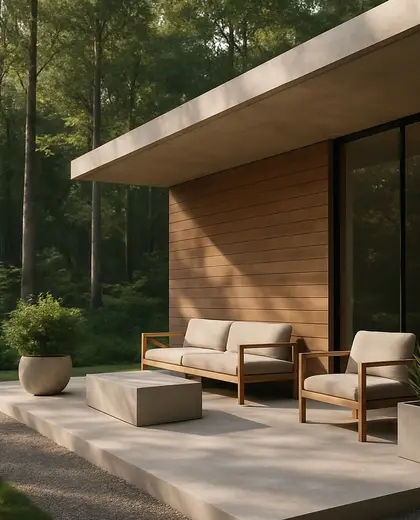
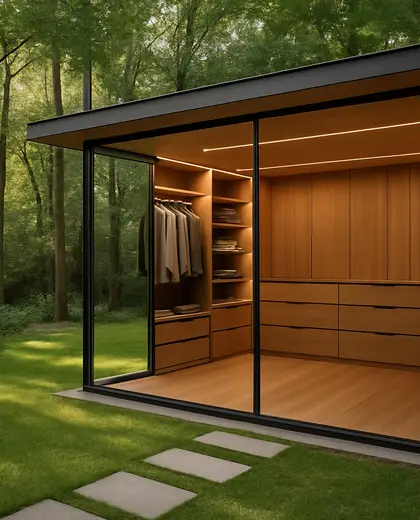
This composition pairs an open yard with the dense edge of trees, using clear ground planes, natural stone, timber, and planted borders to soften the transition. The palette stays earthy and muted: greens, browns, bark tones, weathered wood, and shadowed gray surfaces. Low walls, gravel, stepping paths, and layered planting usually define the boundary between the kept outdoor space and the woodland feel.
- yard
- forest
— References
References to explore
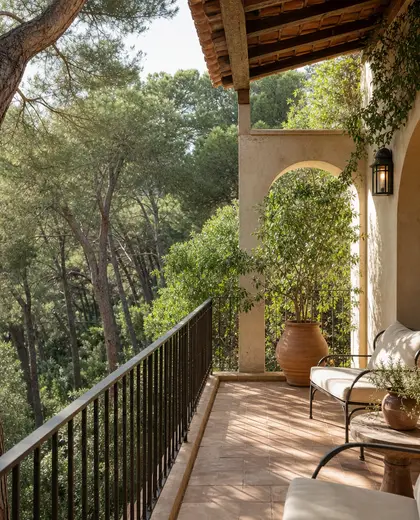
How do I keep a yard feeling open when it meets a forested edge?
Use a simple ground plane, keep major furniture and circulation in the open center, and place taller planting or screens at the perimeter so the space still reads as a yard.
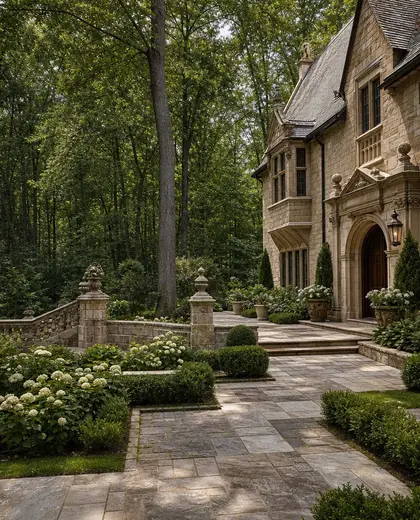
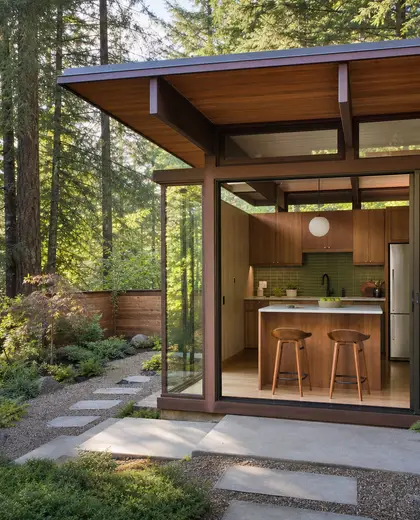
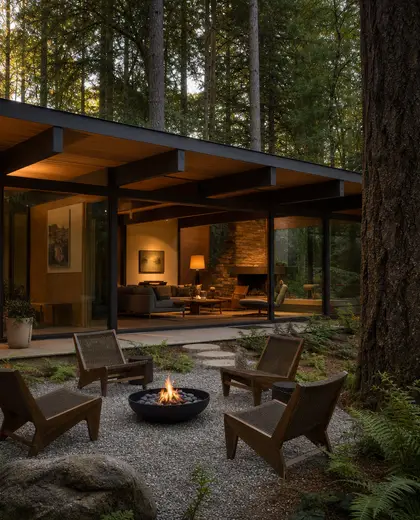
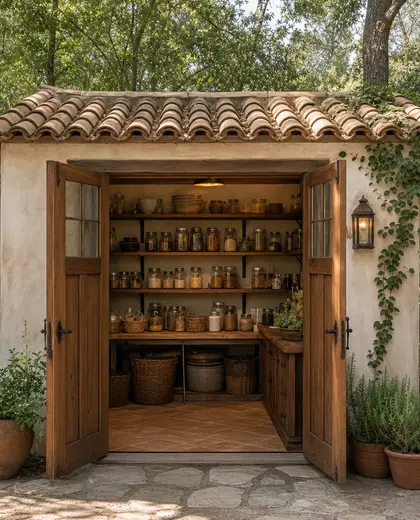
What plants work well in a yard-forest composition?
Shade-tolerant native trees, understory shrubs, ferns, grasses, and groundcovers usually fit best because they soften the transition without looking too formal.
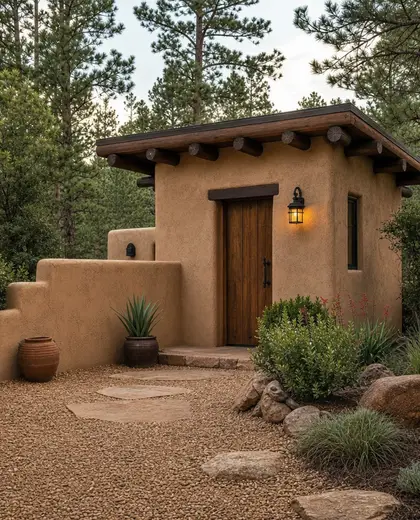
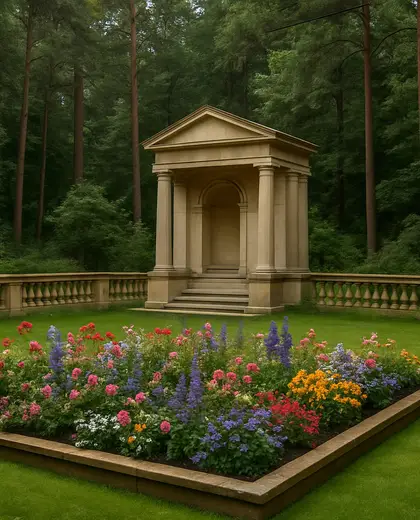
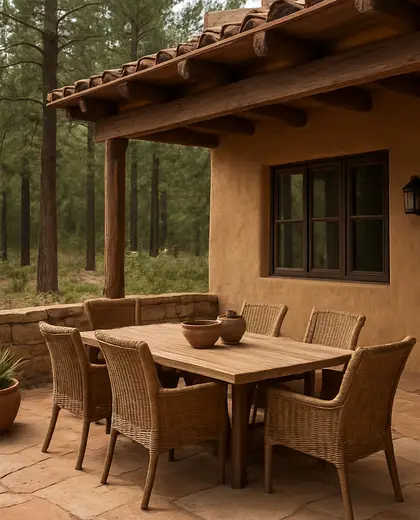
Does this style suit a small property?
Yes, if the design focuses on layered planting, a limited material palette, and a clear usable center. On smaller sites, the forest feeling often comes from density at the edges rather than from the amount of land.
— The style
What defines it
Timber, natural stone, gravel, planted borders, and weathered metal or concrete accents.
Leaf greens, bark brown, moss tones, soft gray, and sun-faded neutrals.
A usable yard layout, woodland planting, privacy screening, and a shaded edge that feels close to nature.
— Professionals
Who has already built it
- LoftRobejoiners · Guildford · 4 projectsView profile →
- Beneito Faurelighting designers · 2 projectsView profile →
- Lusso Stonetile suppliers · Stocktonontees · 7 projectsView profile →
- elizabeth bee interior deinterior designers · 4 projectsView profile →
— Explore
Keep exploring
— Questions
Frequently asked questions
How do I keep a yard feeling open when it meets a forested edge?
Use a simple ground plane, keep major furniture and circulation in the open center, and place taller planting or screens at the perimeter so the space still reads as a yard.
What plants work well in a yard-forest composition?
Shade-tolerant native trees, understory shrubs, ferns, grasses, and groundcovers usually fit best because they soften the transition without looking too formal.
Does this style suit a small property?
Yes, if the design focuses on layered planting, a limited material palette, and a clear usable center. On smaller sites, the forest feeling often comes from density at the edges rather than from the amount of land.