— Ideas & inspiration
Art Deco elegance in an alpine setting
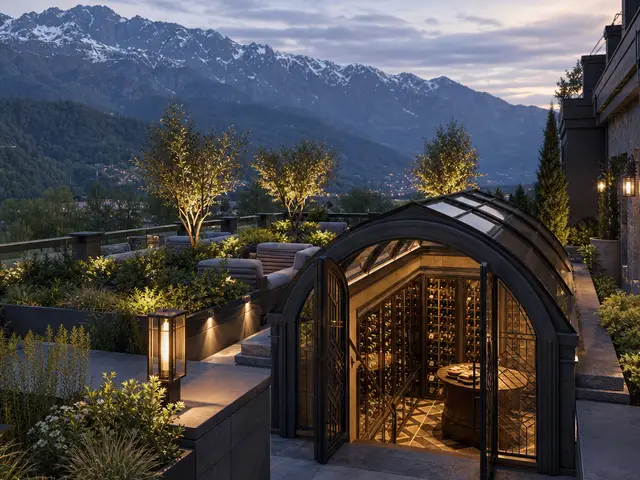
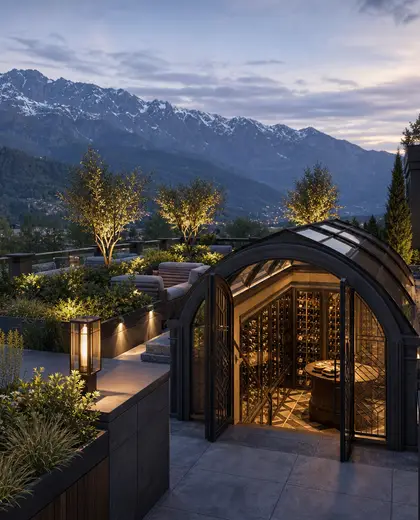
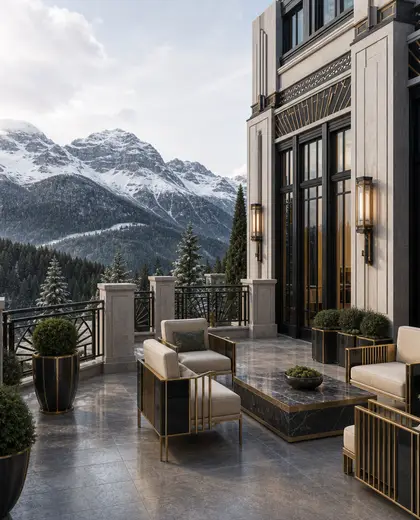
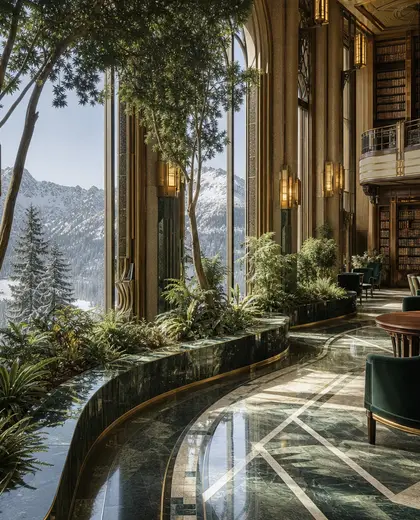
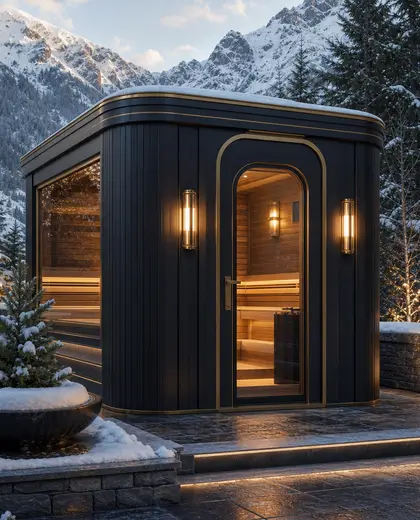
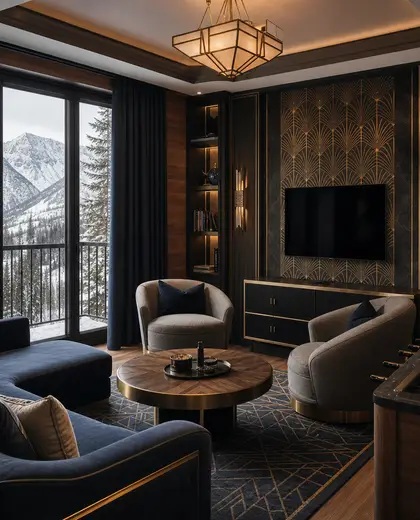
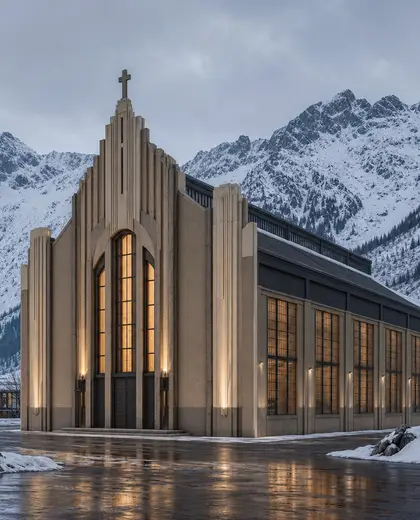
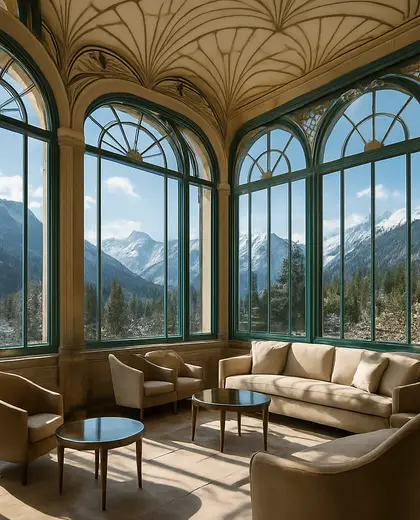
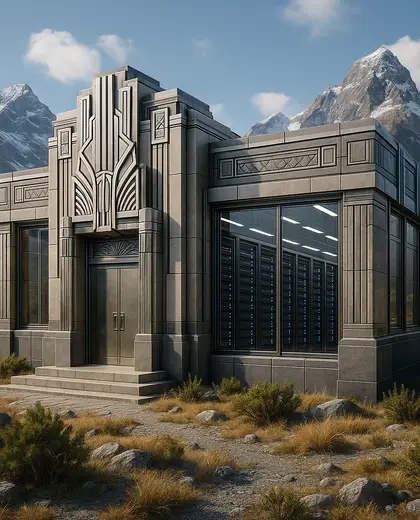
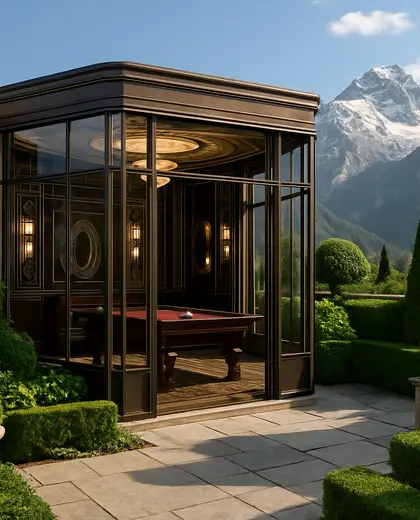
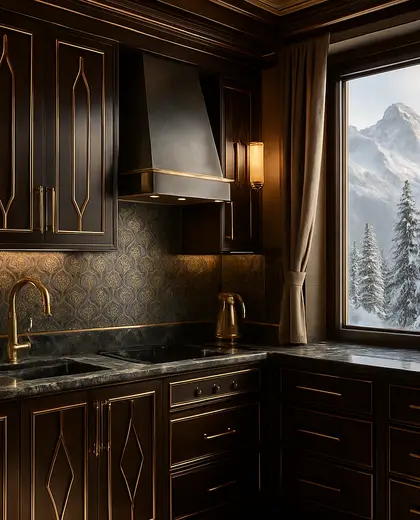
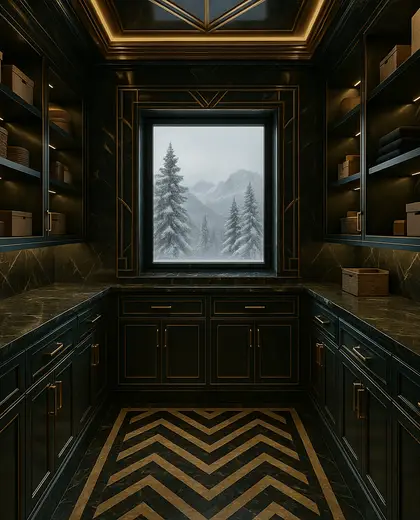
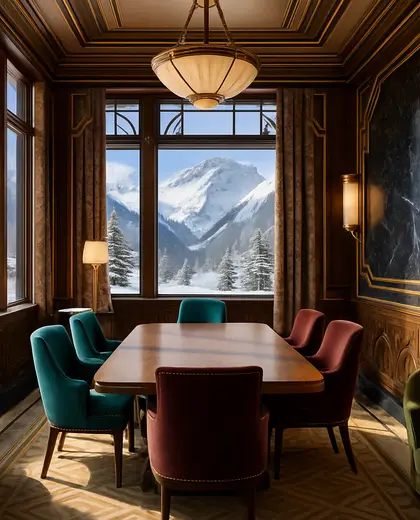
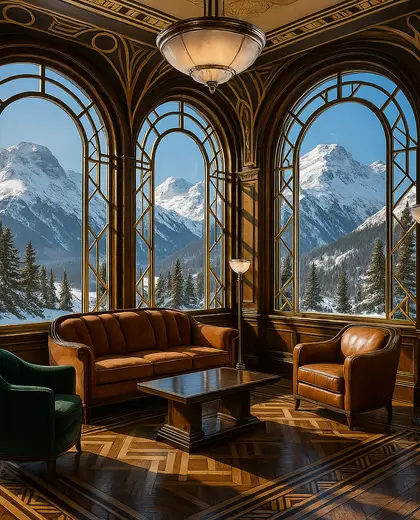
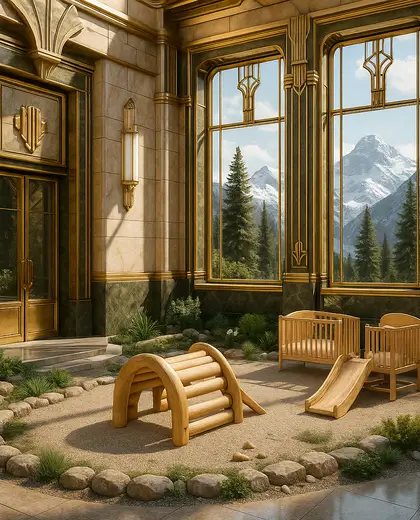
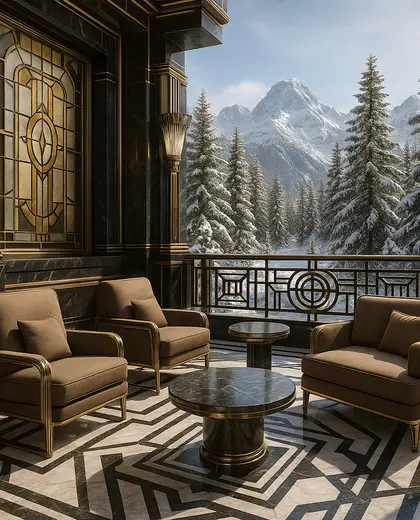
Art deco alpine design combines the geometry and glamour of art deco with the warmth and ruggedness of mountain living. It often uses rich woods, stone, brass, velvet, and symmetrical detailing, paired with a palette of deep neutrals, forest tones, and muted metallics. The result feels tailored and polished, but still grounded in chalet materials and landscape references.
- art deco
- alpine
— References
References to explore
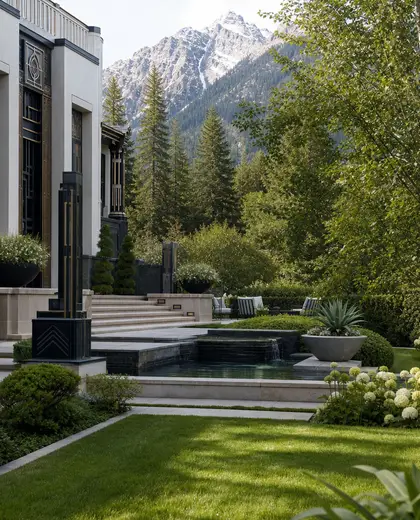
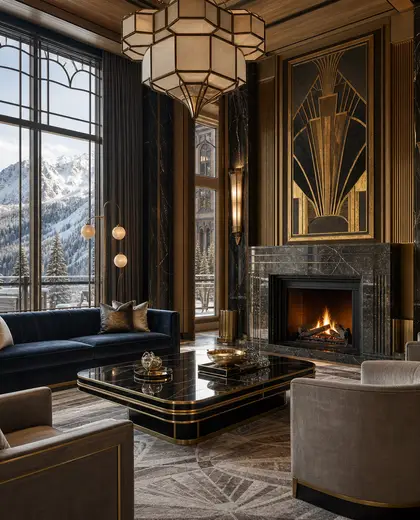
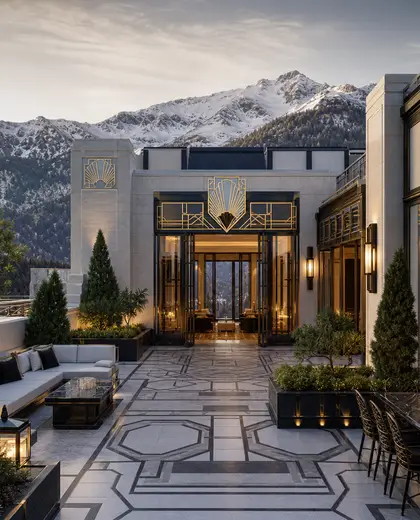
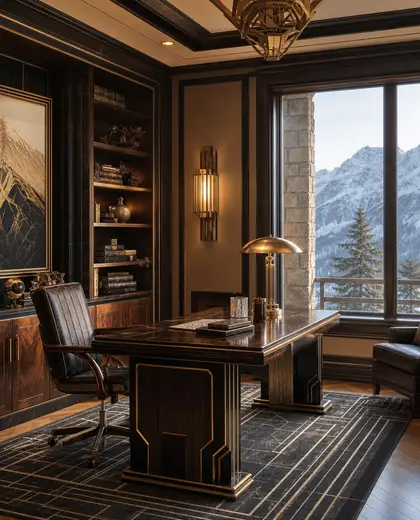
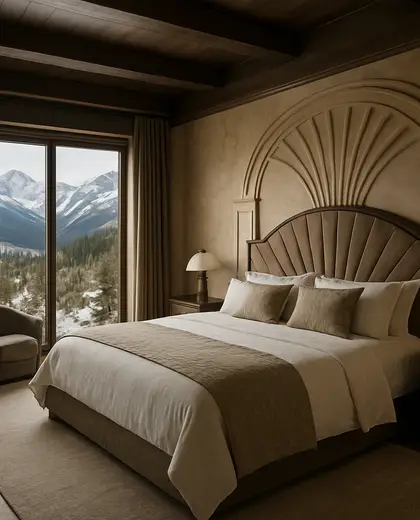
Will this style feel too formal for a mountain home?
It can if every surface is highly polished, but the alpine layer keeps it relaxed. Using timber, stone, and tactile fabrics softens the deco geometry and makes the space feel livable.
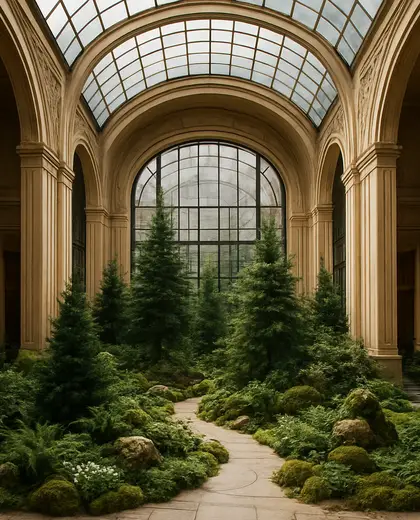
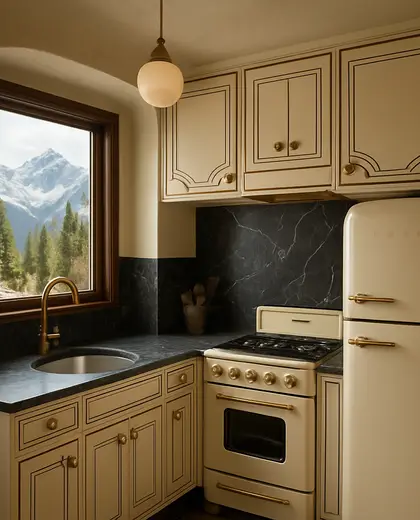
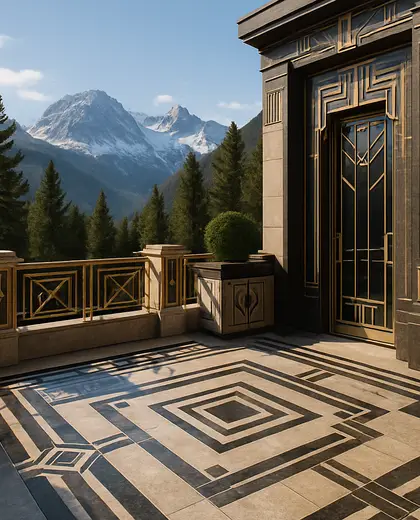
What finishes work best in an art deco alpine interior?
Natural finishes with contrast work best: matte or honed stone, medium to dark wood, and brushed metal rather than very shiny surfaces. Velvet or boucle can add the decorative richness without feeling cold.
Is this style better for a cabin or a modern house?
It works in both, but it is especially effective in homes with strong architectural lines, tall ceilings, or a fireplace focal point. In a cabin, it can sharpen the interior; in a modern house, it can add warmth and character.
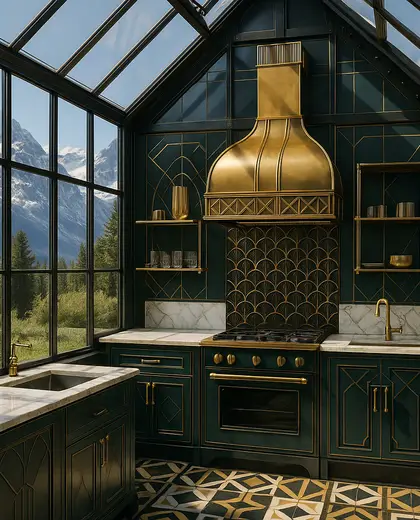
— The style
What defines it
Walnut or oak, natural stone, brass or bronze accents, velvet, leather, and textured wool
Deep greens, charcoal, cream, warm brown, black, and restrained gold or copper highlights
Alpine chalet elements such as exposed timber, stone fireplaces, cozy textiles, and mountain-inspired forms
— Professionals
Who has already built it
- vorbild architecturearchitects · 6 projectsView profile →
- kerem erbagci3d renderers · London · 9 projectsView profile →
- paquis norris group limitedbuilders · Reading · 3 projectsView profile →
- LoftRobejoiners · Guildford · 4 projectsView profile →
— ARTICLES
Related reading
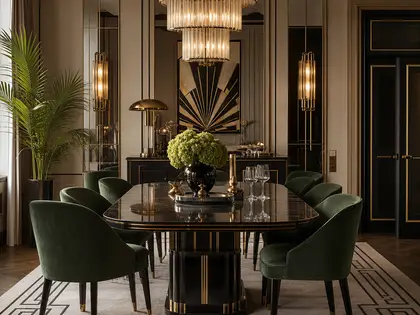
Art deco dining room: how to bring the look home
A practical style guide for creating an Art Deco dining room with rich materials, elegant geometry and glamorous finishing touches.
Read article →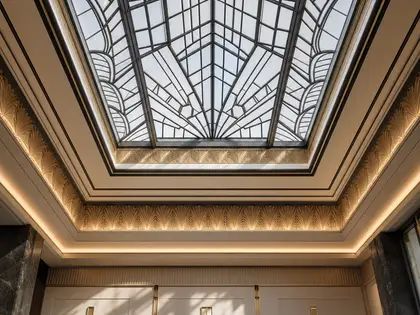
Art Deco roof ideas: how to get the look
A practical style guide to creating an Art Deco roof with elegant geometry, luxurious materials and crisp detailing.
Read article →— Questions
Frequently asked questions
Will this style feel too formal for a mountain home?
It can if every surface is highly polished, but the alpine layer keeps it relaxed. Using timber, stone, and tactile fabrics softens the deco geometry and makes the space feel livable.
What finishes work best in an art deco alpine interior?
Natural finishes with contrast work best: matte or honed stone, medium to dark wood, and brushed metal rather than very shiny surfaces. Velvet or boucle can add the decorative richness without feeling cold.
Is this style better for a cabin or a modern house?
It works in both, but it is especially effective in homes with strong architectural lines, tall ceilings, or a fireplace focal point. In a cabin, it can sharpen the interior; in a modern house, it can add warmth and character.