— Ideas & inspiration
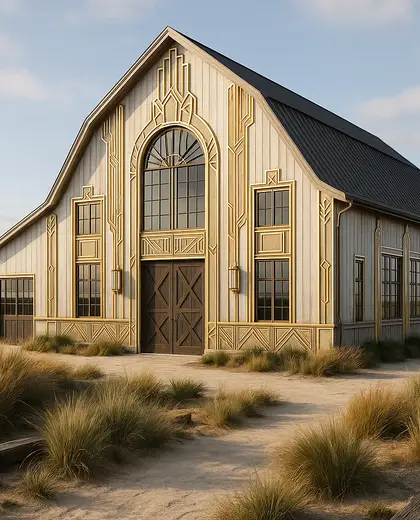
Art deco ease by the sea
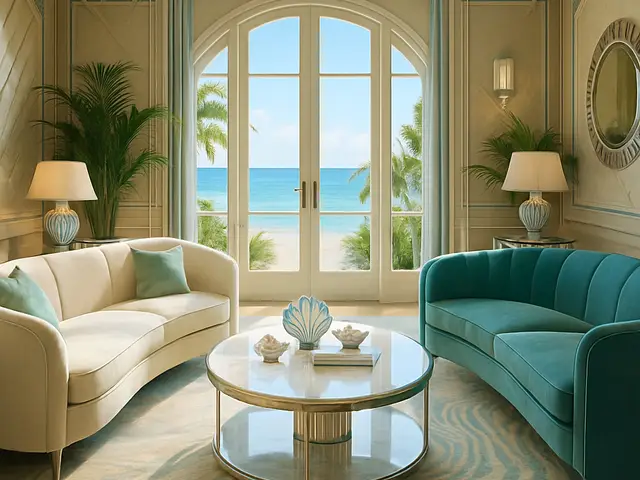
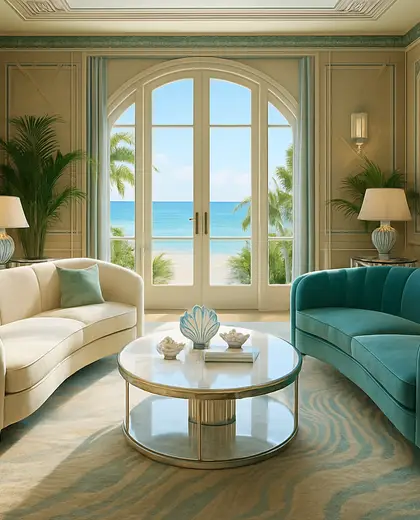
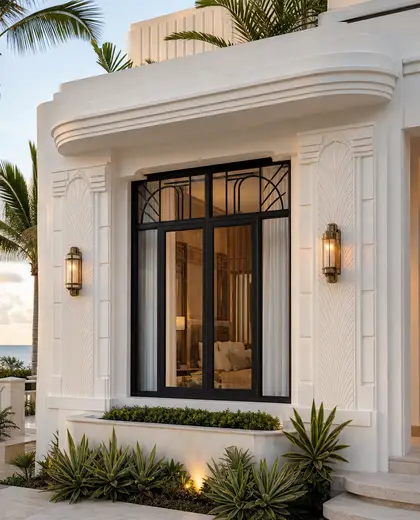
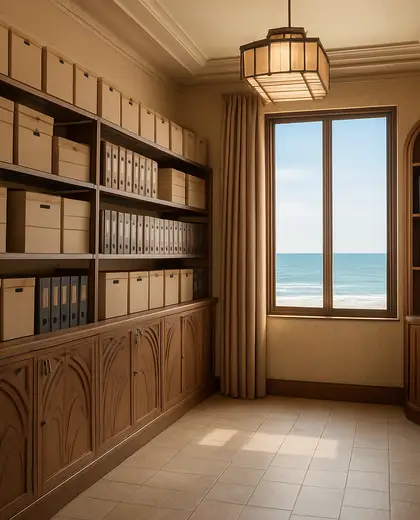
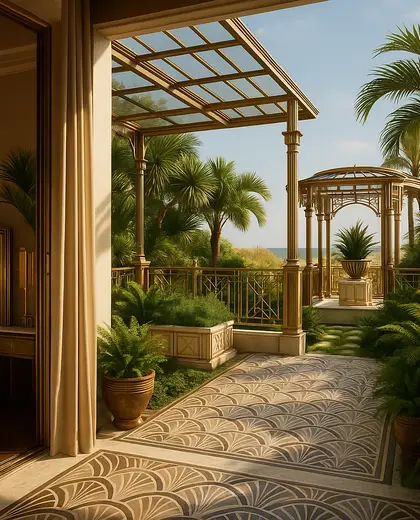
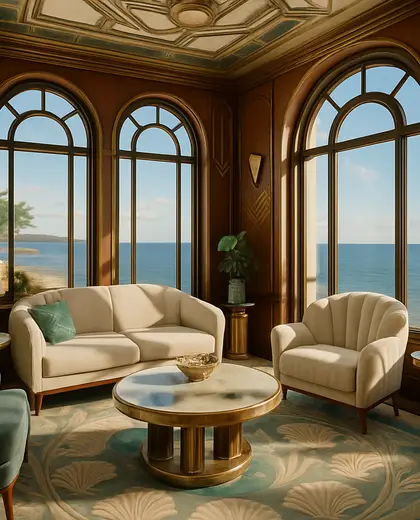
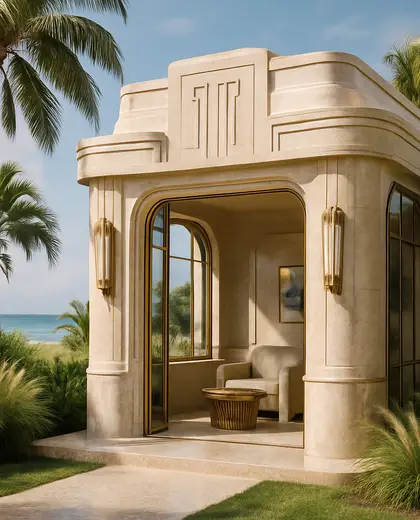
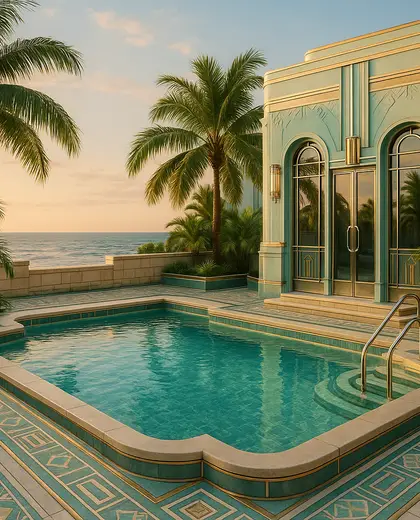
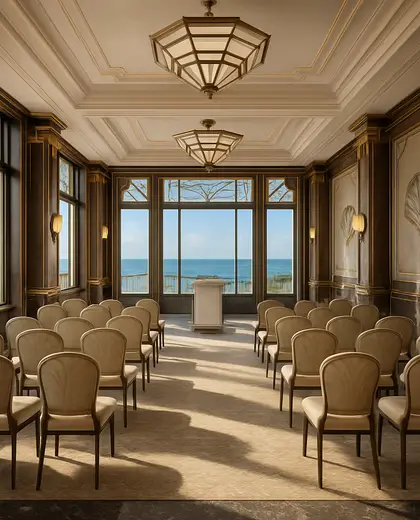
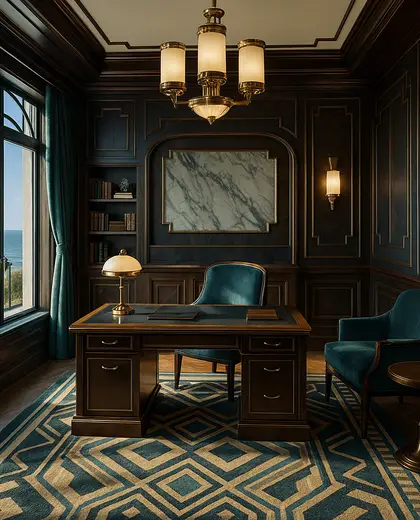
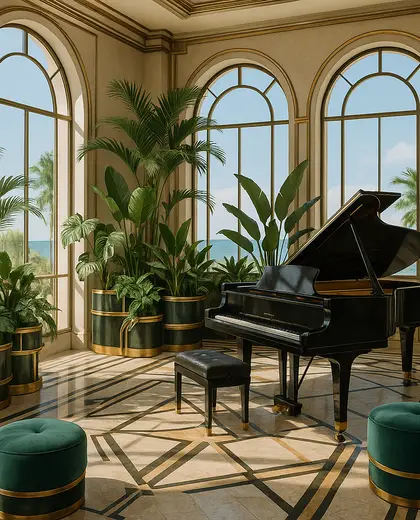
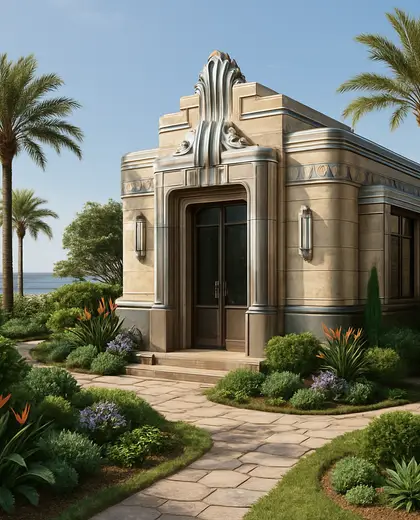
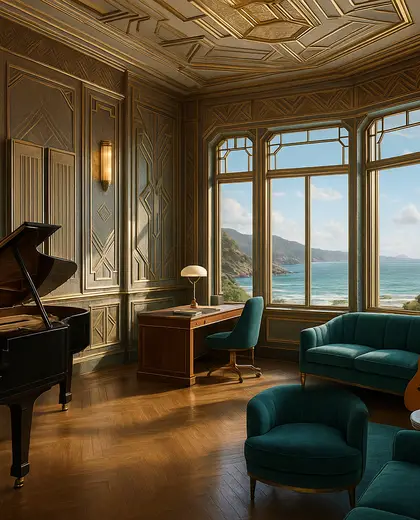
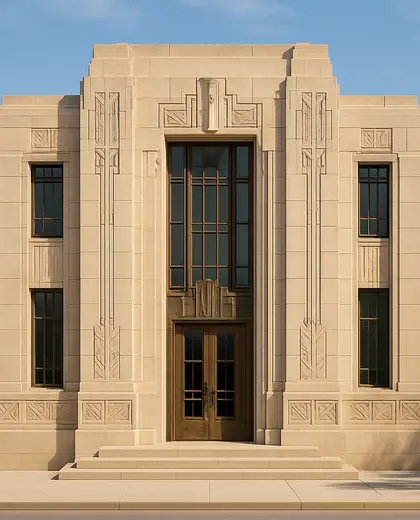
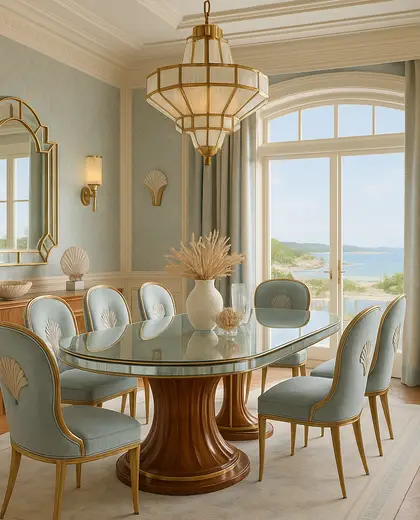
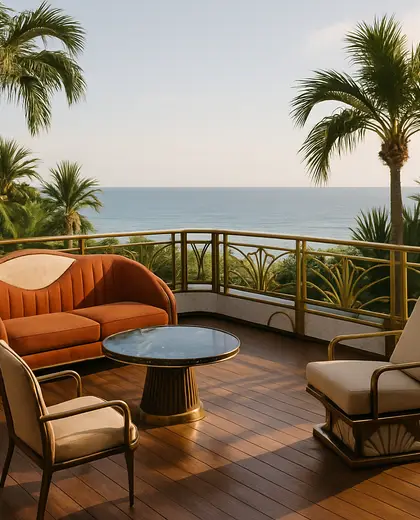
This composition pairs Art Deco geometry with a coastal sense of lightness. It typically uses lacquered wood, velvet, chrome, ribbed glass, and natural stone, softened by linen, rattan, and pale finishes. Strong symmetrical lines, sunburst motifs, curved forms, and streamlined detailing keep it elegant while the palette stays airy and beach-adjacent.
- art deco
- coastal
— References
References to explore
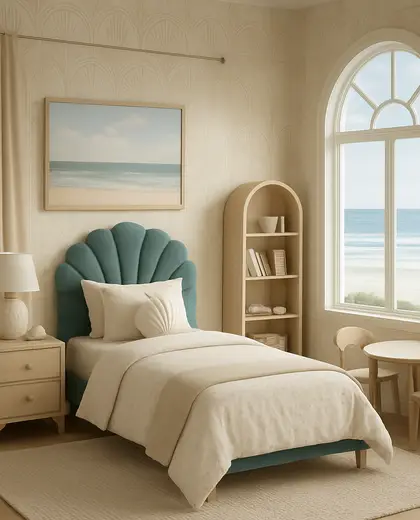
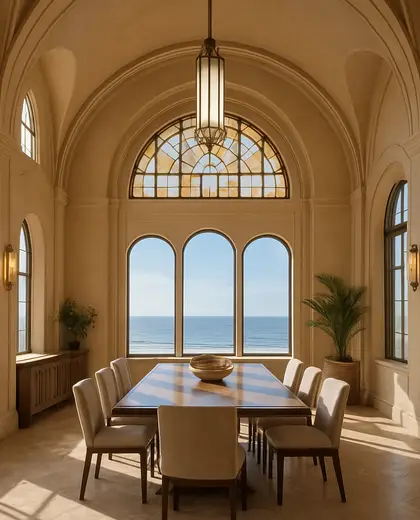
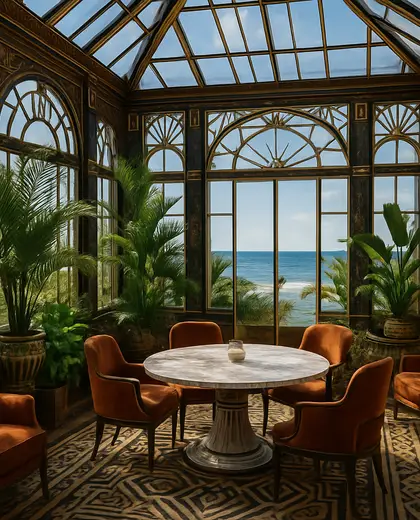
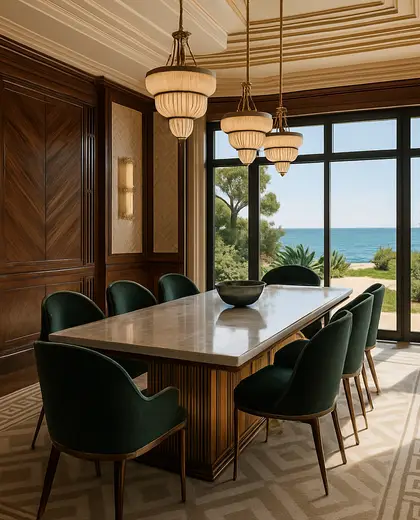
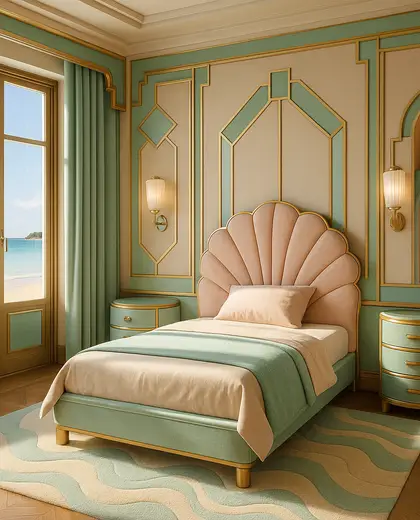
How do I keep it from feeling too glamorous or too beachy?
Balance is key: use Deco shapes in the architecture or furniture, then keep the finishes light and natural. Too much chrome and dark contrast makes it formal; too much driftwood and rope makes it themed.
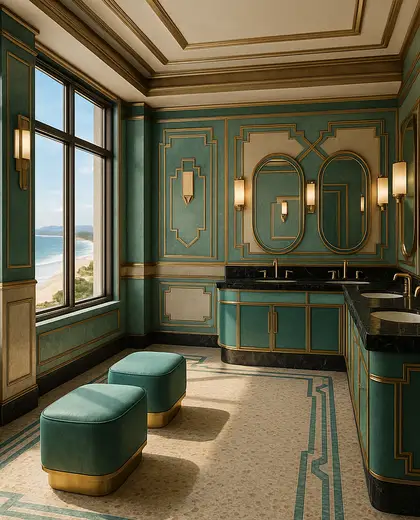
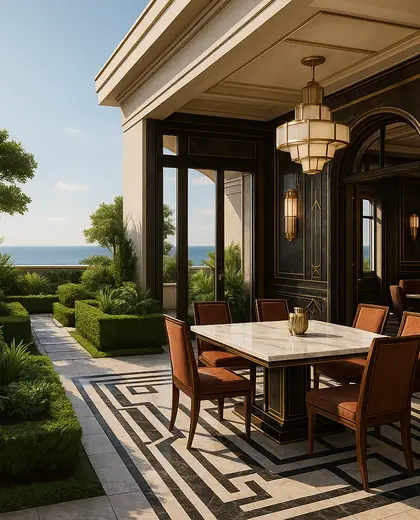
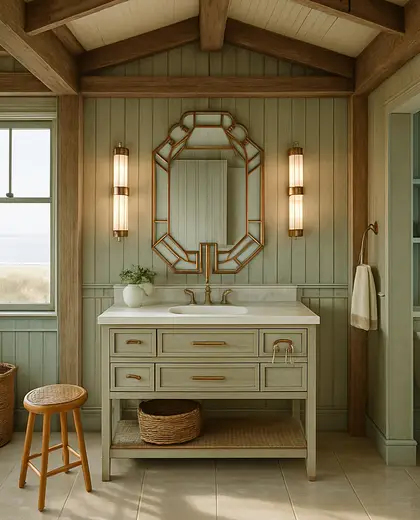
What flooring works well in this style?
Light oak, honed stone, or terrazzo are strong choices because they support both the Deco and coastal sides of the look. A patterned rug can add Deco character without making the room heavy.
What details make the style recognizable?
Look for fluted surfaces, arched or stepped forms, sunburst-inspired accents, symmetry, and layered textures. Coastal influence usually appears through airy drapery, woven pieces, and a palette drawn from sand and sea.
— The style
What defines it
Lacquered wood, polished metal, marble or stone, ribbed glass, velvet, linen, and occasional rattan or cane.
Soft white, sand, shell, sea-glass blue, pale gray, and muted gold or bronze accents.
Art Deco’s symmetry, glamour, and geometric ornament with coastal textures, brightness, and relaxed natural finishes.
— Professionals
Who has already built it
- LoftRobejoiners · Guildford · 4 projectsView profile →
- Beneito Faurelighting designers · 2 projectsView profile →
- Lusso Stonetile suppliers · Stocktonontees · 7 projectsView profile →
- elizabeth bee interior deinterior designers · 4 projectsView profile →
— Explore
Keep exploring
— ARTICLES
Related reading
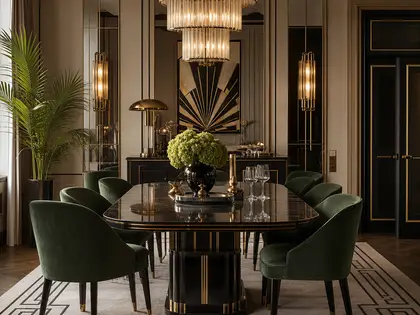
Art deco dining room: how to bring the look home
A practical style guide for creating an Art Deco dining room with rich materials, elegant geometry and glamorous finishing touches.
Read article →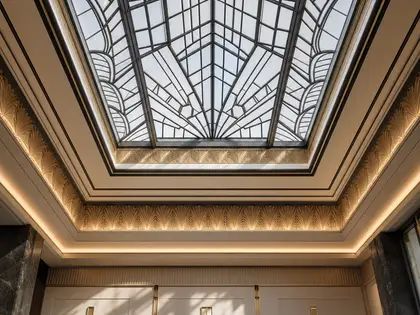
Art Deco roof ideas: how to get the look
A practical style guide to creating an Art Deco roof with elegant geometry, luxurious materials and crisp detailing.
Read article →— Questions
Frequently asked questions
How do I keep it from feeling too glamorous or too beachy?
Balance is key: use Deco shapes in the architecture or furniture, then keep the finishes light and natural. Too much chrome and dark contrast makes it formal; too much driftwood and rope makes it themed.
What flooring works well in this style?
Light oak, honed stone, or terrazzo are strong choices because they support both the Deco and coastal sides of the look. A patterned rug can add Deco character without making the room heavy.
What details make the style recognizable?
Look for fluted surfaces, arched or stepped forms, sunburst-inspired accents, symmetry, and layered textures. Coastal influence usually appears through airy drapery, woven pieces, and a palette drawn from sand and sea.