— Ideas & inspiration
Art deco lines with mountain calm
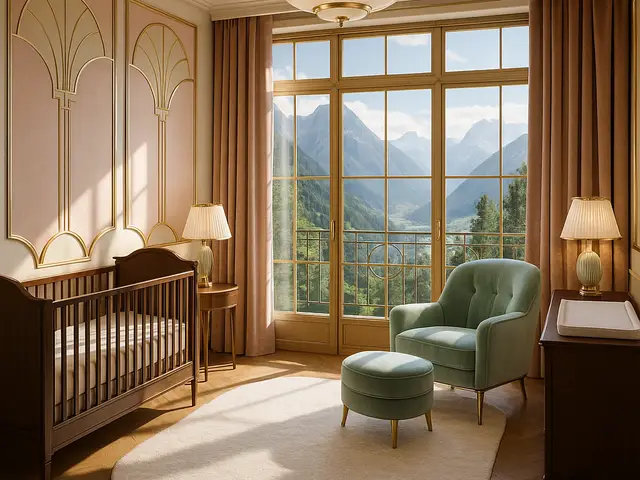
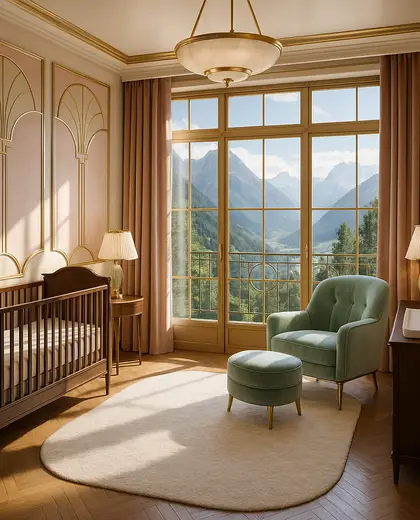
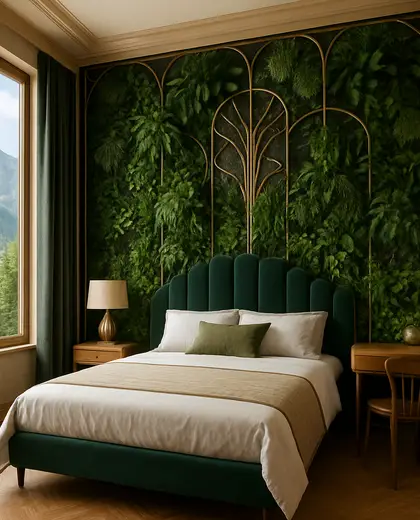
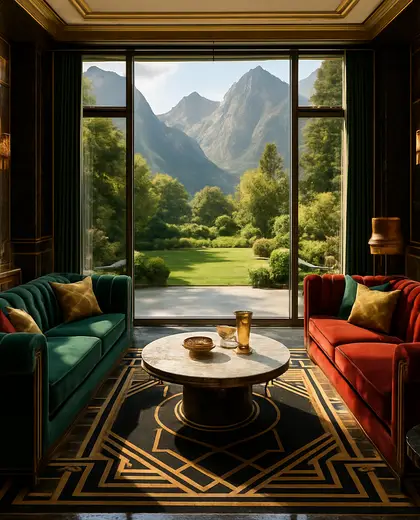
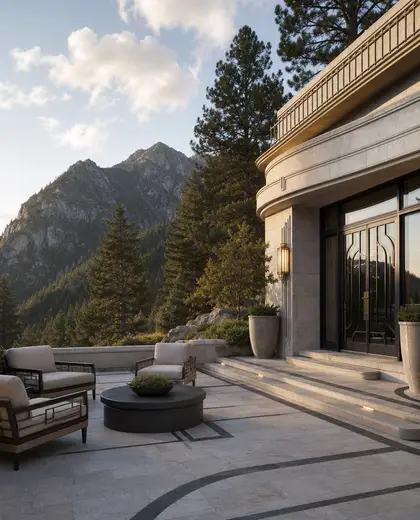
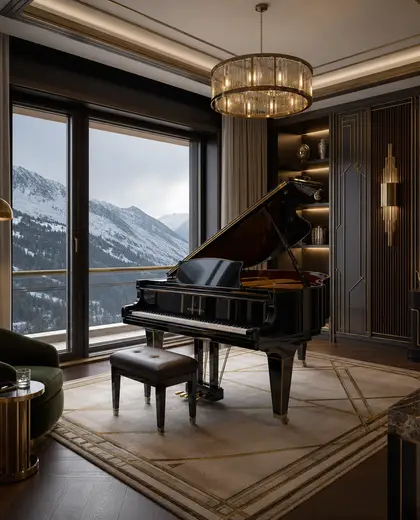
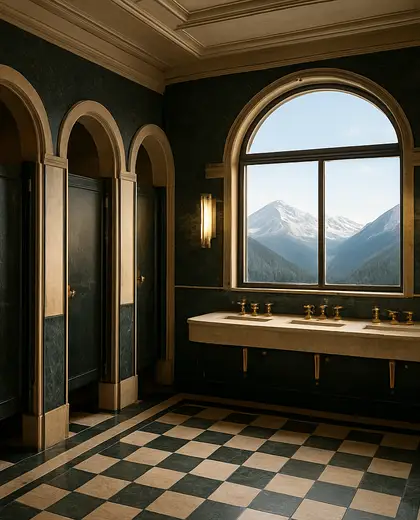
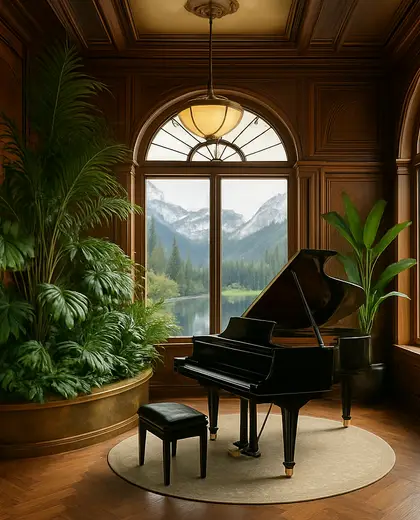
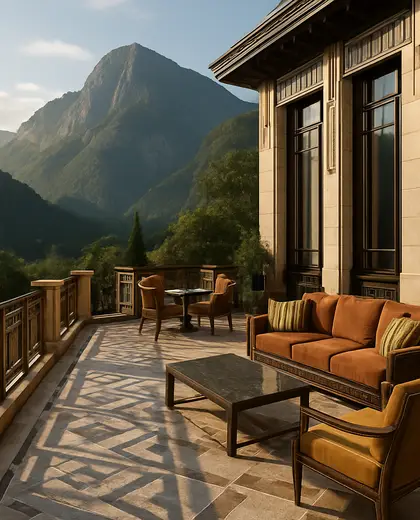
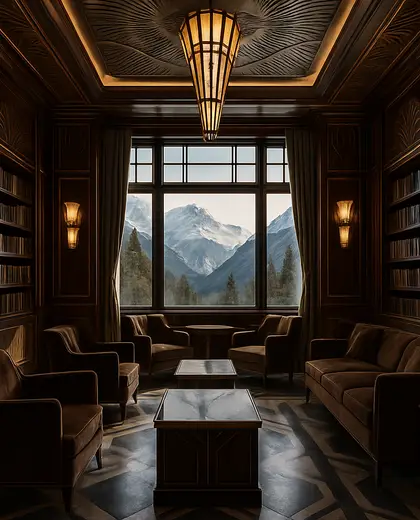
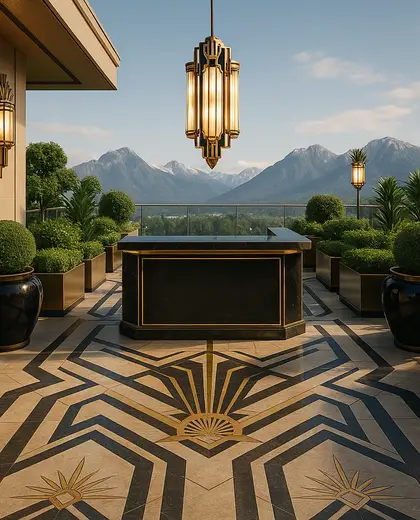
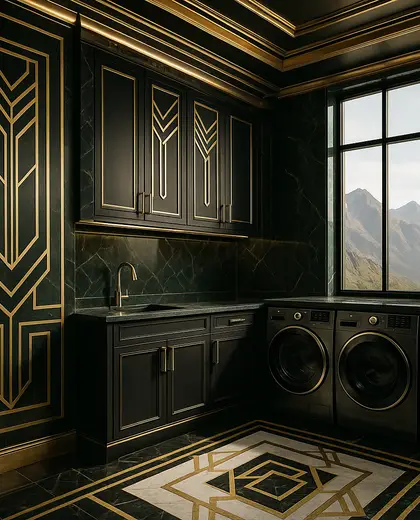
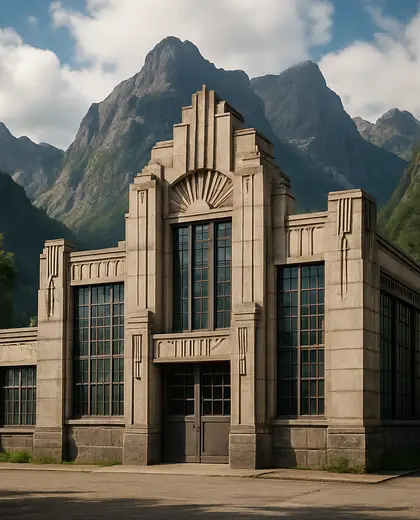
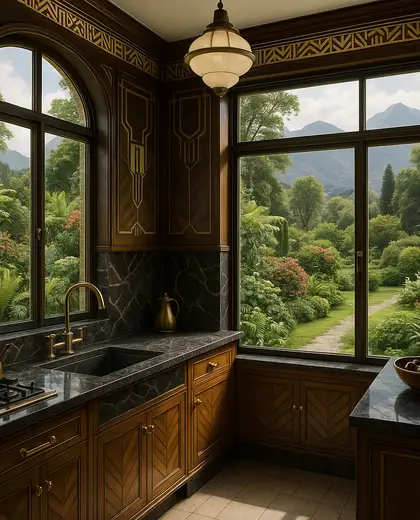
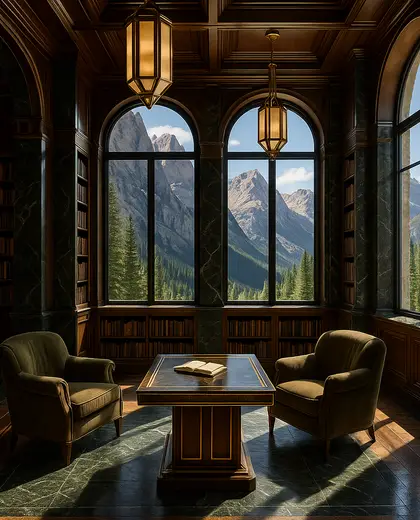
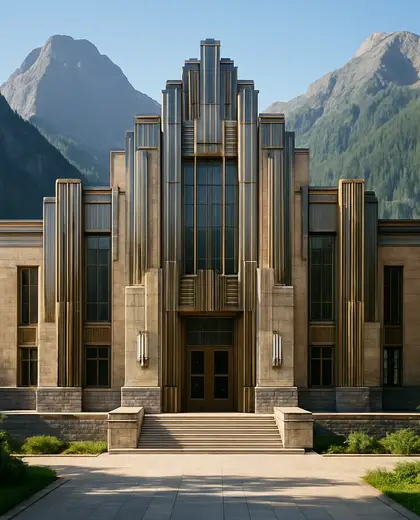
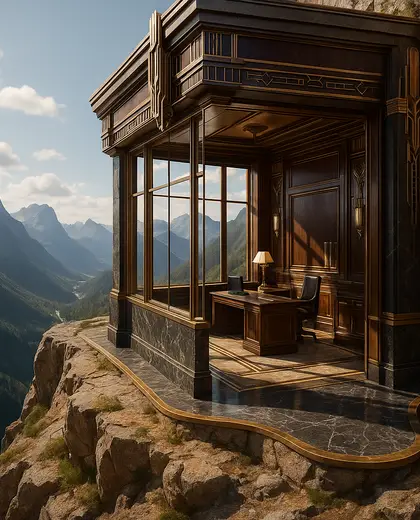
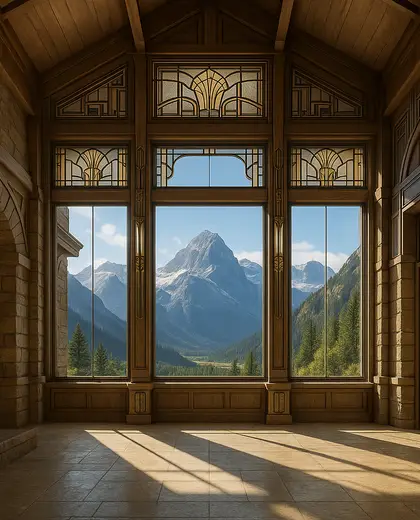
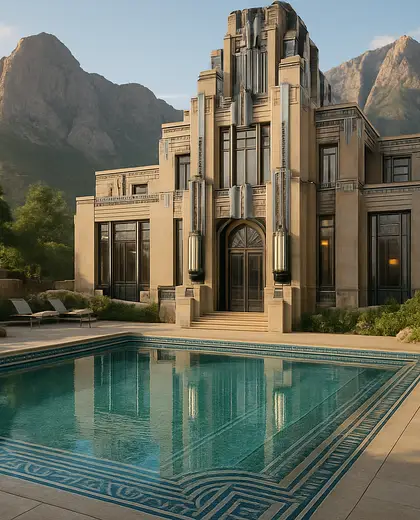
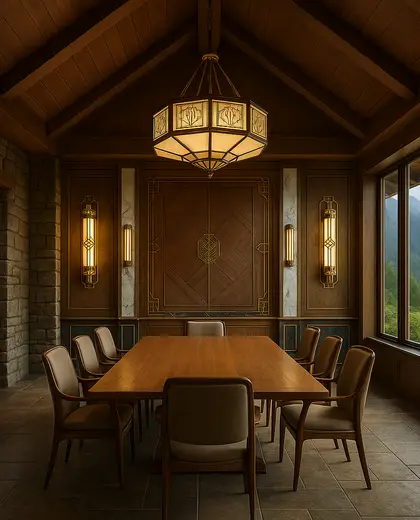
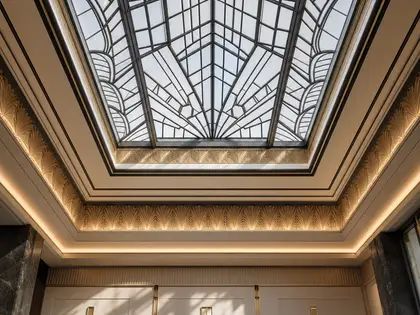
This composition pairs Art Deco geometry with the quiet, grounded feel of mountain architecture. It often uses stone, dark wood, plaster, bronze or brass details, with stepped forms, vertical emphasis, and strong symmetry set against a muted, nature-led palette. The result is a refined interior or exterior that feels elegant, solid, and tied to the landscape.
- art deco
- mountain
— References
References to explore
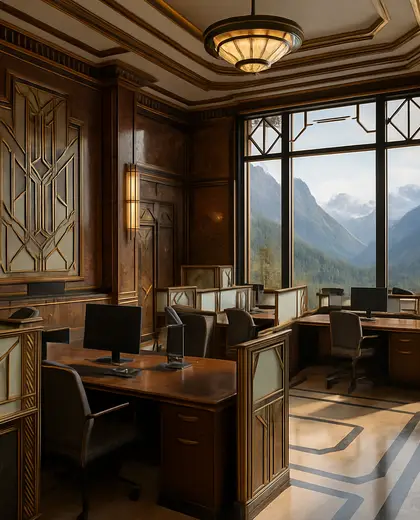
What makes an Art Deco mountain composition recognizable?
It is defined by clean geometric lines and symmetrical detailing balanced with rugged, natural materials and a grounded, landscape-oriented feel.
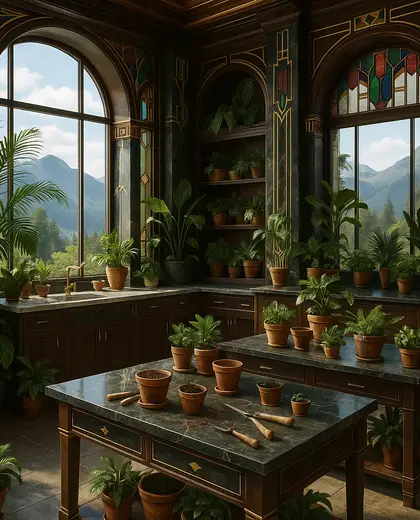
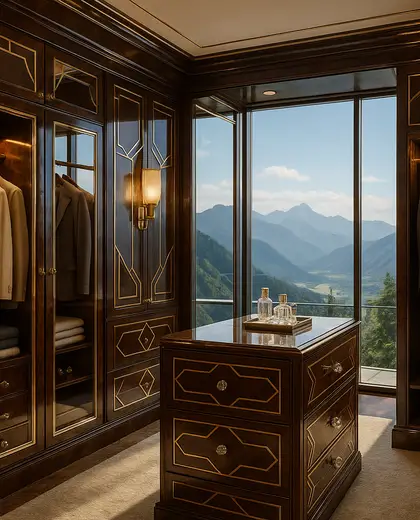
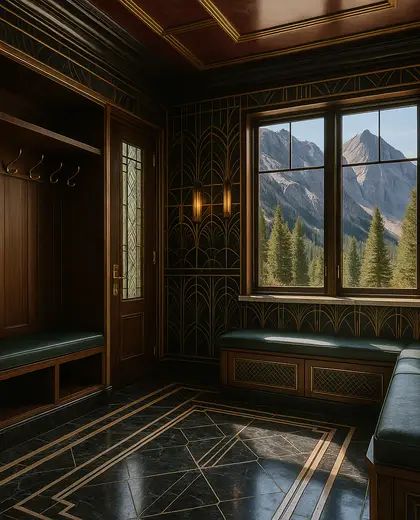
Does this style work better inside or outside?
It can work in both. Inside, it shows up in built-ins, lighting, and wall detailing; outside, it appears in strong massing, stone cladding, and vertical window rhythms.
What should I avoid if I want it to feel authentic?
Avoid overly ornate decoration, glossy bright colors, and too many competing finishes. The style works best when the geometry is disciplined and the material palette stays restrained.

— The style
What defines it
Stone, dark timber, plaster, bronze, brass, and occasional marble or terrazzo details.
Earthy neutrals, charcoal, deep green, warm brown, black, and metallic accents.
Stepped geometry, symmetry, tall openings, layered surfaces, and mountain-inspired massing or textures.
— Professionals
Who has already built it
- vorbild architecturearchitects · 6 projectsView profile →
- kerem erbagci3d renderers · London · 9 projectsView profile →
- paquis norris group limitedbuilders · Reading · 3 projectsView profile →
- LoftRobejoiners · Guildford · 4 projectsView profile →
— Questions
Frequently asked questions
What makes an Art Deco mountain composition recognizable?
It is defined by clean geometric lines and symmetrical detailing balanced with rugged, natural materials and a grounded, landscape-oriented feel.
Does this style work better inside or outside?
It can work in both. Inside, it shows up in built-ins, lighting, and wall detailing; outside, it appears in strong massing, stone cladding, and vertical window rhythms.
What should I avoid if I want it to feel authentic?
Avoid overly ornate decoration, glossy bright colors, and too many competing finishes. The style works best when the geometry is disciplined and the material palette stays restrained.