— Ideas & inspiration
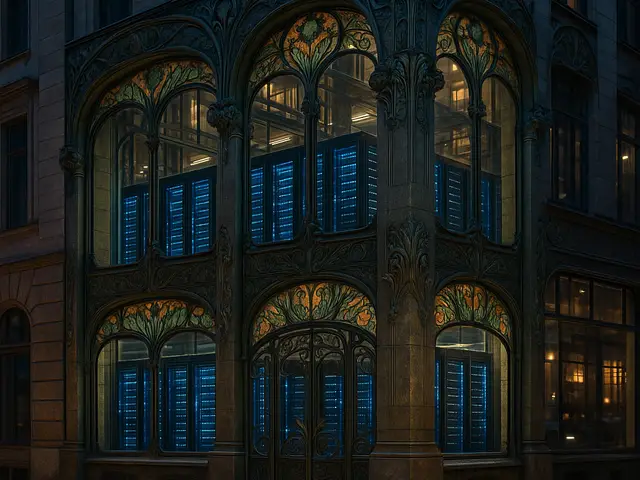
Art nouveau buildings with flowing decorative character
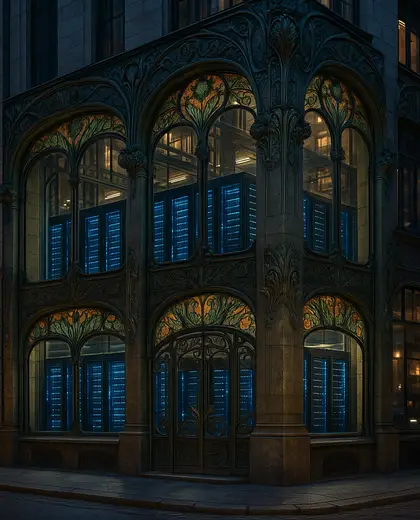
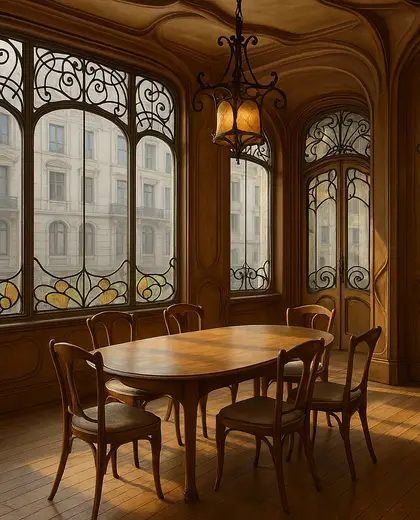
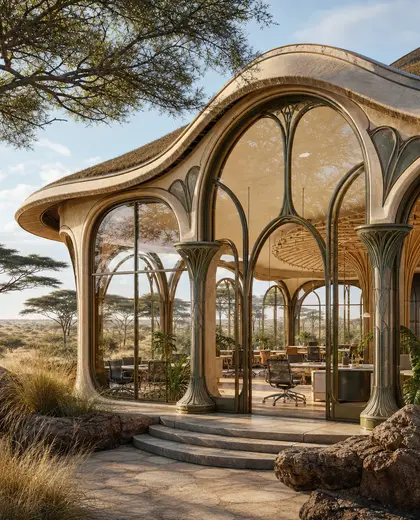
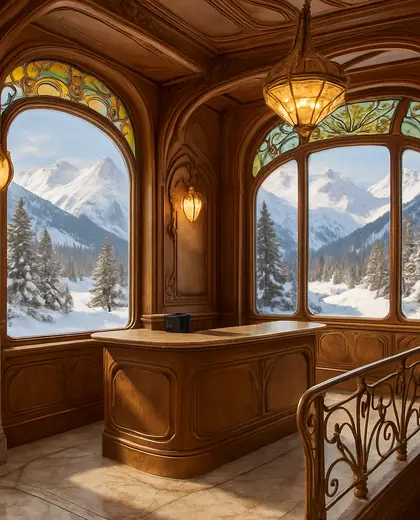
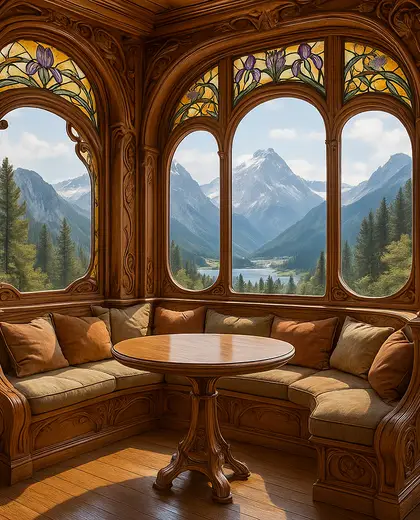
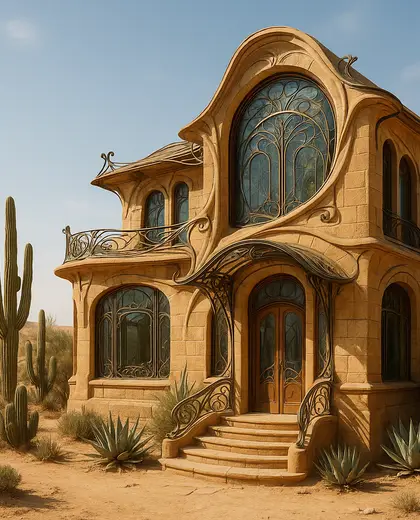
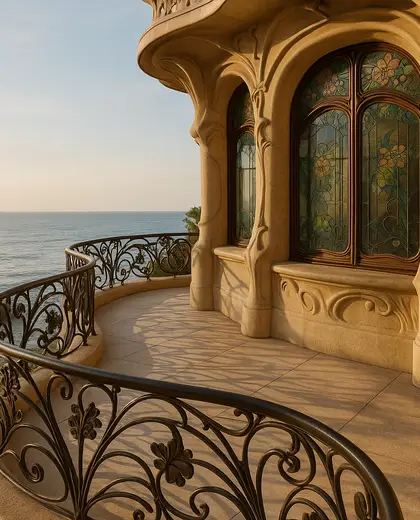
This composition is defined by curving, plant-inspired ornament layered onto a building’s structure. Typical materials include stone, brick, wrought iron, ceramic tile, stained glass, and carved wood, often arranged in asymmetrical facades with arched openings and sinuous lines. The palette is usually warm and muted, with cream, olive, amber, deep green, and soft gold accents.
- building
- art nouveau
— References
References to explore
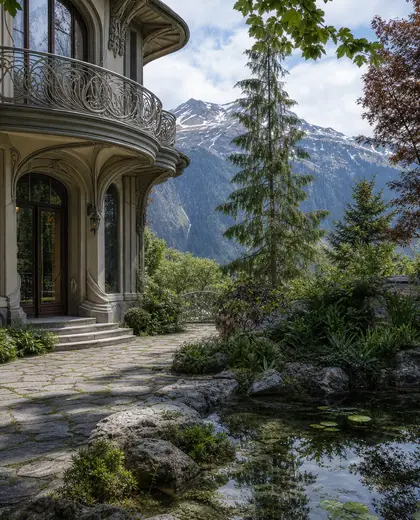
What makes a building feel art nouveau rather than simply decorative?
The key is the use of organic, flowing lines and plant-based motifs integrated into the architecture itself, not just added as surface decoration.
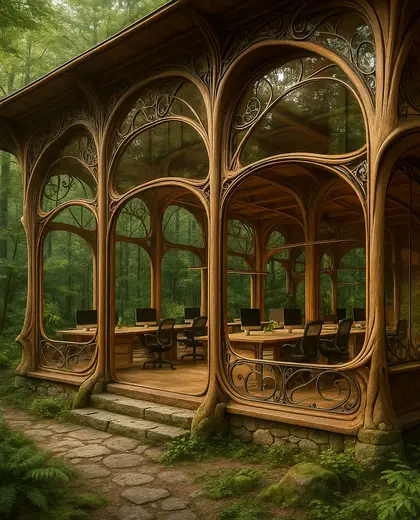
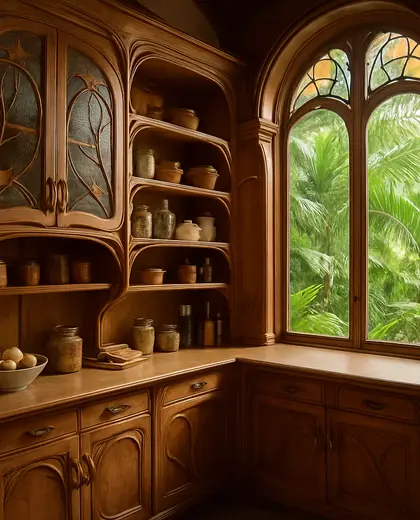
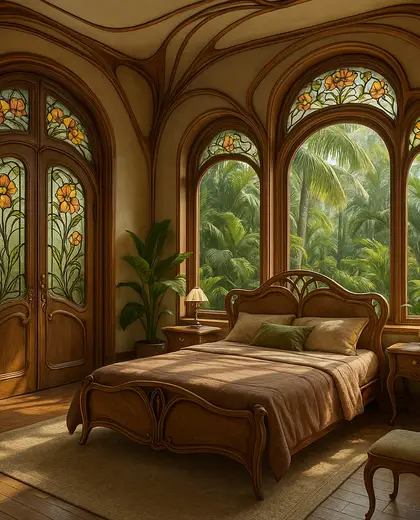
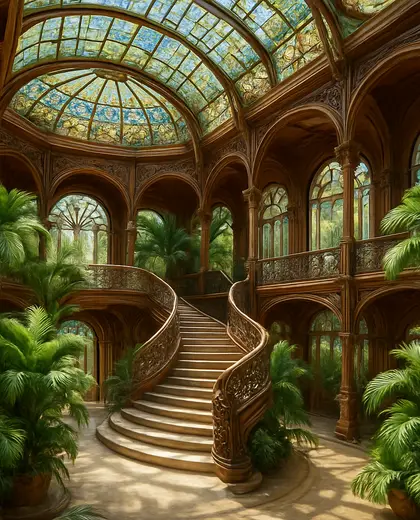
Which parts of the building usually show the style most clearly?
Facades, entrances, balconies, stair rails, windows, and interior details often carry the strongest art nouveau character.
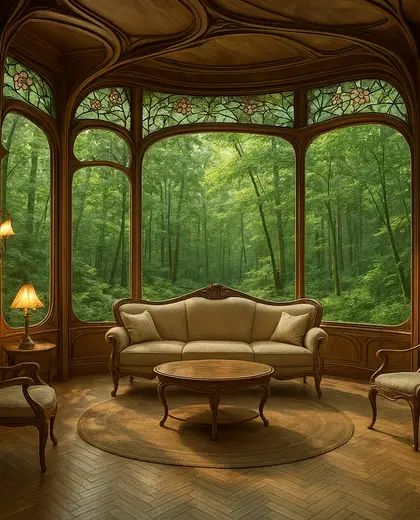
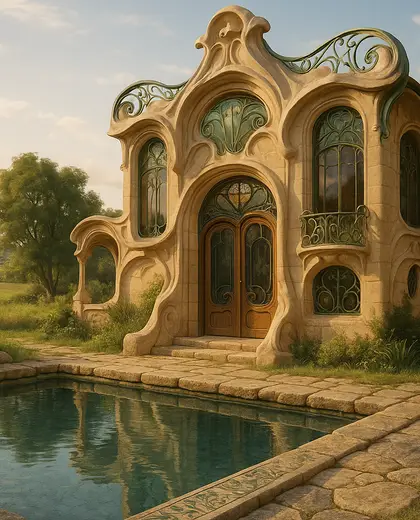
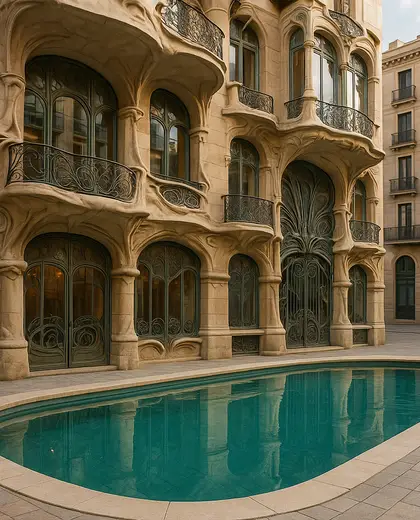
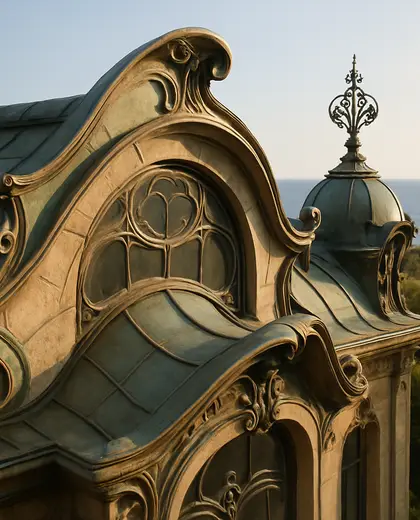
Does this style work better with certain materials?
Yes. It is especially effective with materials that can be shaped or detailed, such as wrought iron, carved wood, stone, tile, and glass.
— The style
What defines it
Stone, brick, wrought iron, ceramic tile, stained glass, and carved wood are the most common materials.
Soft neutrals with earthy greens, amber, cream, muted gold, and occasional jewel tones.
Structural building forms paired with decorative botanical motifs, curved ironwork, and ornamental glass.
— Professionals
Who has already built it
- vorbild architecturearchitects · 6 projectsView profile →
- kerem erbagci3d renderers · London · 9 projectsView profile →
- paquis norris group limitedbuilders · Reading · 3 projectsView profile →
- LoftRobejoiners · Guildford · 4 projectsView profile →
— Explore
Keep exploring
— Questions
Frequently asked questions
What makes a building feel art nouveau rather than simply decorative?
The key is the use of organic, flowing lines and plant-based motifs integrated into the architecture itself, not just added as surface decoration.
Which parts of the building usually show the style most clearly?
Facades, entrances, balconies, stair rails, windows, and interior details often carry the strongest art nouveau character.
Does this style work better with certain materials?
Yes. It is especially effective with materials that can be shaped or detailed, such as wrought iron, carved wood, stone, tile, and glass.