— Ideas & inspiration
Urban building forms and city-facing details
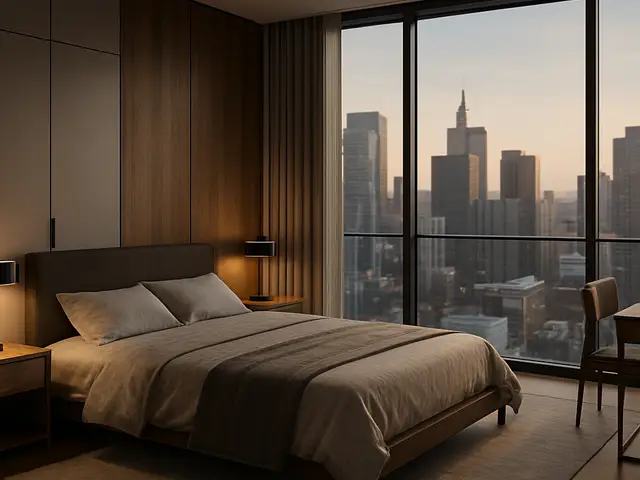
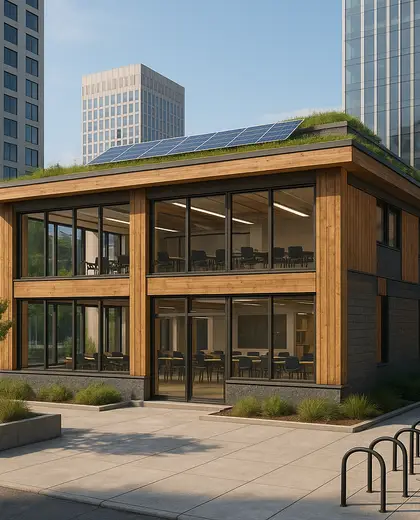
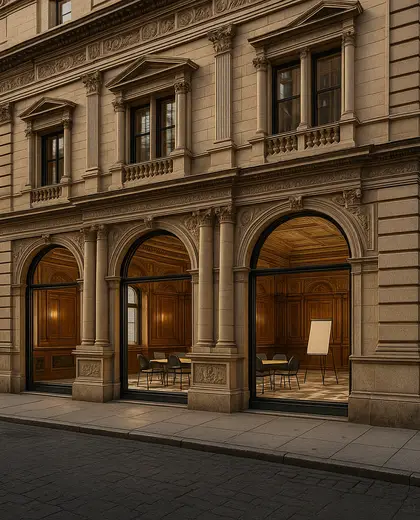
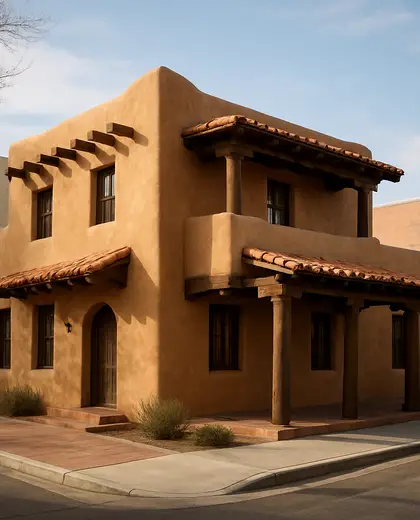
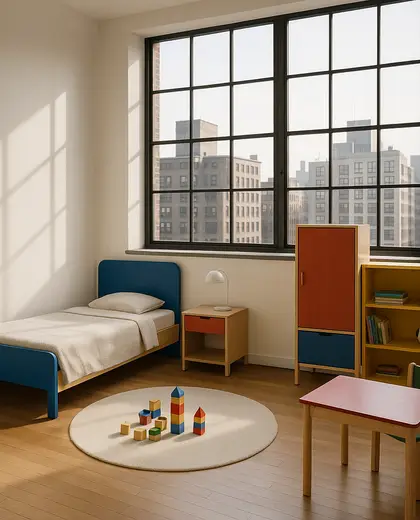
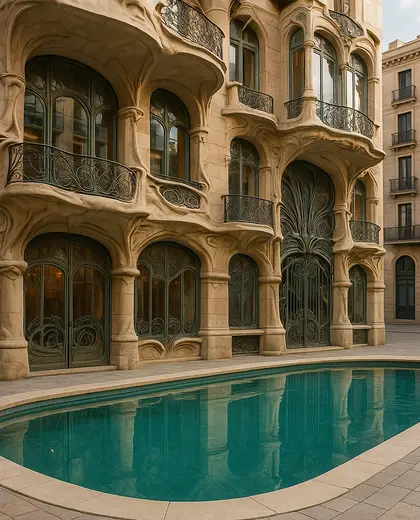
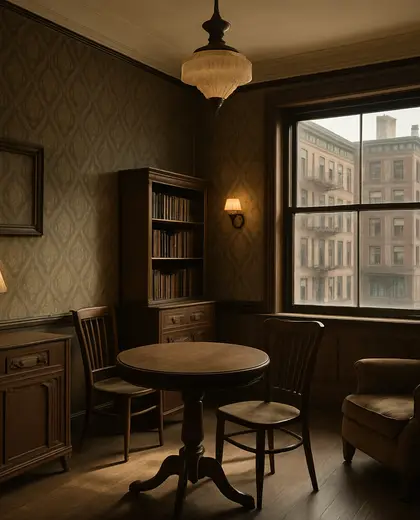
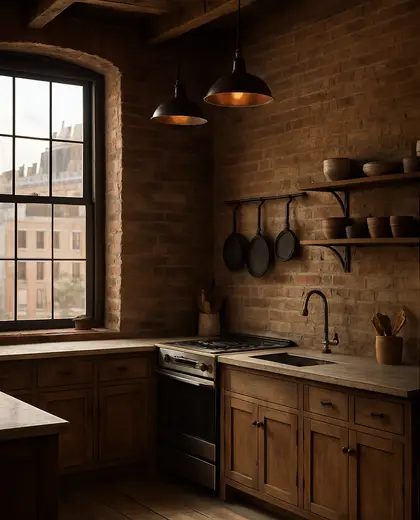
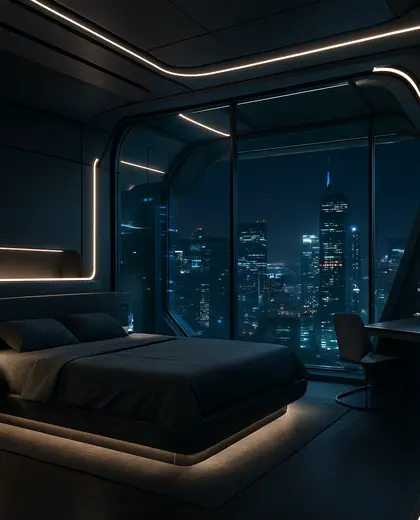
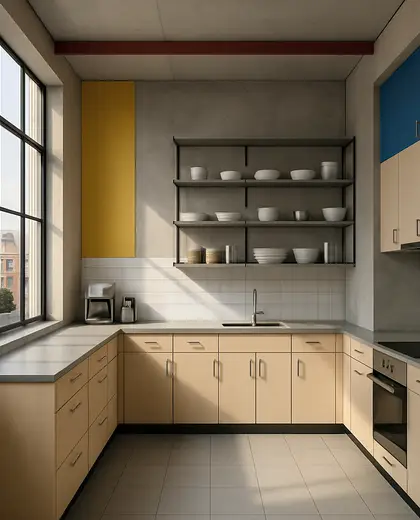
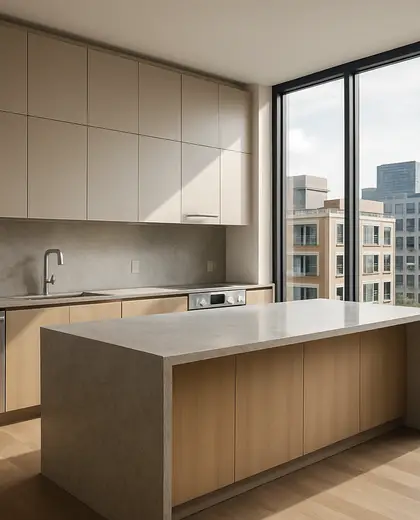
This composition is defined by solid building masses shaped for the city: masonry, concrete, metal, and glass arranged in clear, disciplined volumes. The palette usually stays grounded in stone, charcoal, warm gray, black, and muted earth tones, with large openings, gridded facades, and sharp edges that read cleanly against an urban backdrop. It combines structural clarity with street-level detail, often pairing durable exterior materials with terraces, screens, and deep window reveals.
- building
- urban
— References
References to explore
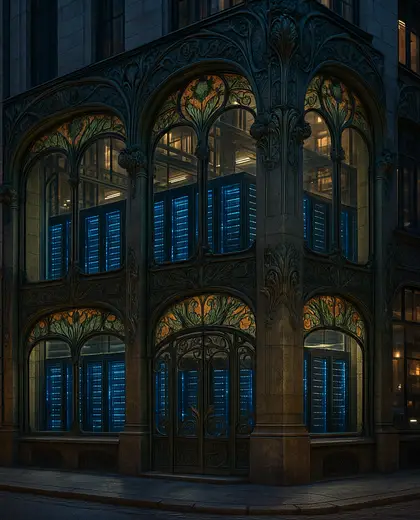
Is this style suitable for a narrow city lot?
Yes. Its compact massing, vertical emphasis, and clean facades often work well on tight urban sites.
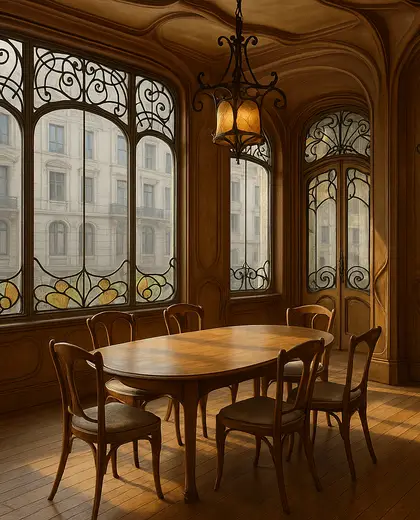
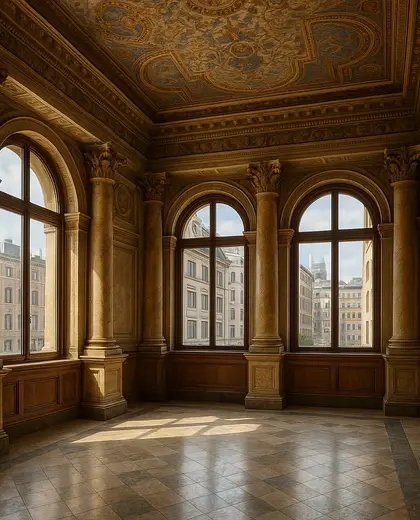
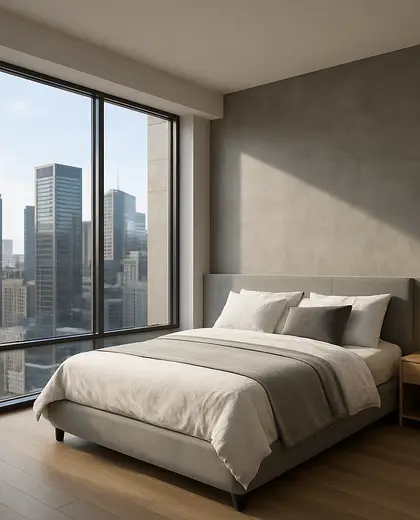
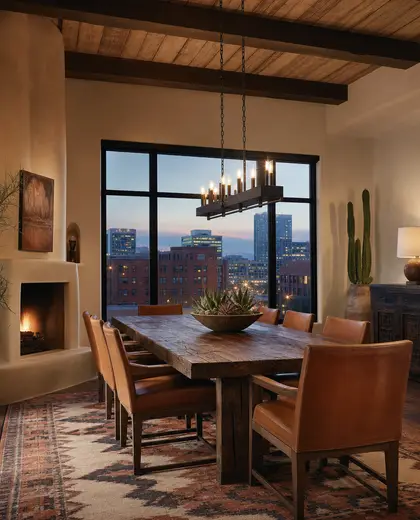
Does it have to look industrial?
No. It can feel industrial, but it can also be refined, minimal, or warm depending on the material mix and detailing.
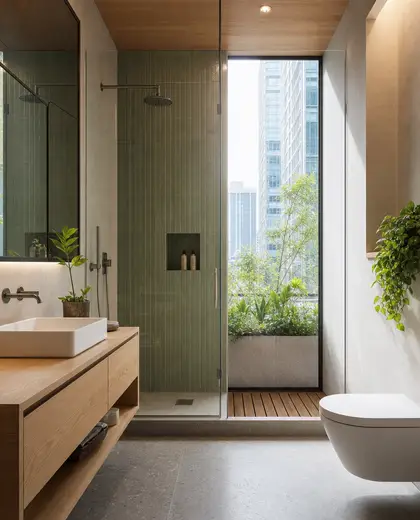
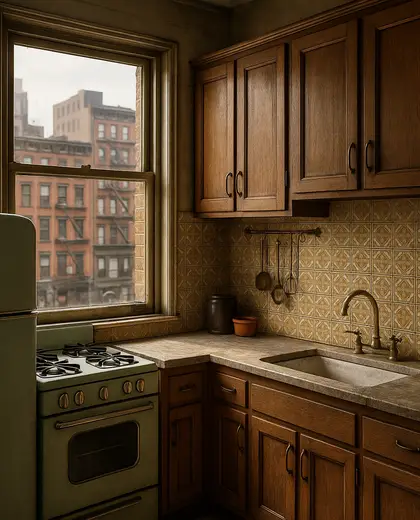
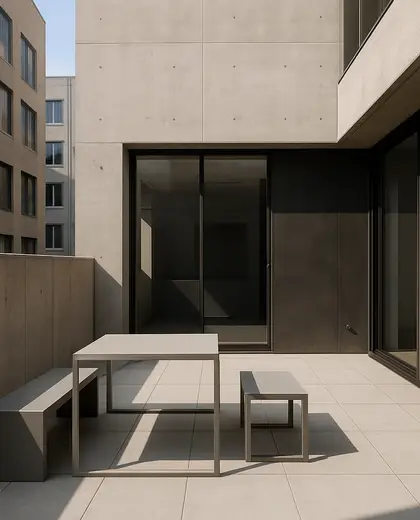
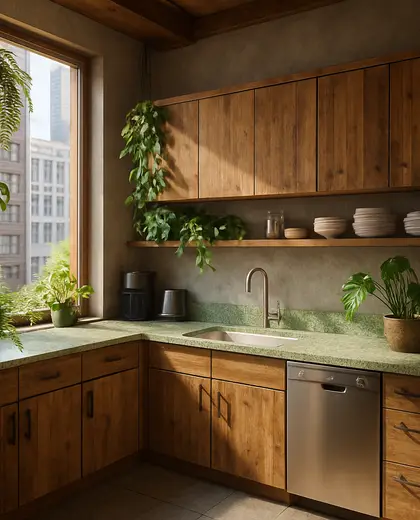
What should I prioritize if I want this look at home?
Focus on durable exterior materials, a controlled color palette, strong window proportions, and details that connect the building to the street.
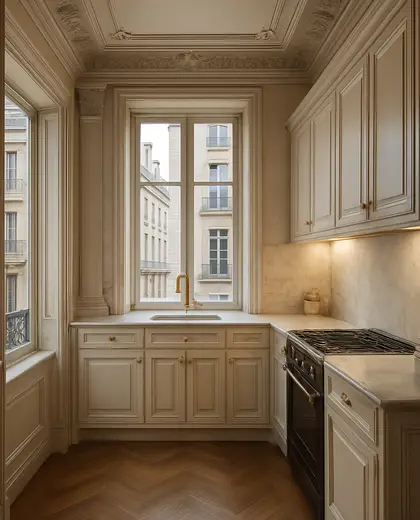

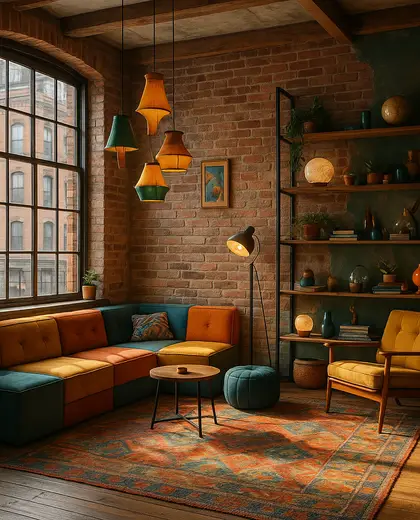
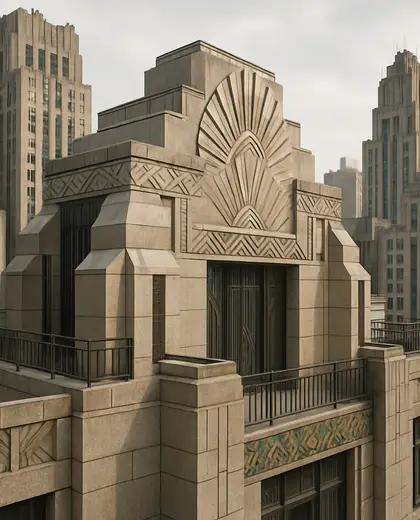
— The style
What defines it
Common materials include brick, exposed concrete, steel, aluminum, and large glass panels.
The palette is usually restrained: gray, black, beige, clay, and other muted urban tones.
It often combines with terraces, courtyards, street-level glazing, screens, and other city-oriented elements.
— Professionals
Who has already built it
- LoftRobejoiners · Guildford · 4 projectsView profile →
- Beneito Faurelighting designers · 2 projectsView profile →
- Lusso Stonetile suppliers · Stocktonontees · 7 projectsView profile →
- elizabeth bee interior deinterior designers · 4 projectsView profile →
— Explore
Keep exploring
— Questions
Frequently asked questions
Is this style suitable for a narrow city lot?
Yes. Its compact massing, vertical emphasis, and clean facades often work well on tight urban sites.
Does it have to look industrial?
No. It can feel industrial, but it can also be refined, minimal, or warm depending on the material mix and detailing.
What should I prioritize if I want this look at home?
Focus on durable exterior materials, a controlled color palette, strong window proportions, and details that connect the building to the street.