— Ideas & inspiration
Building with neoclassical grace
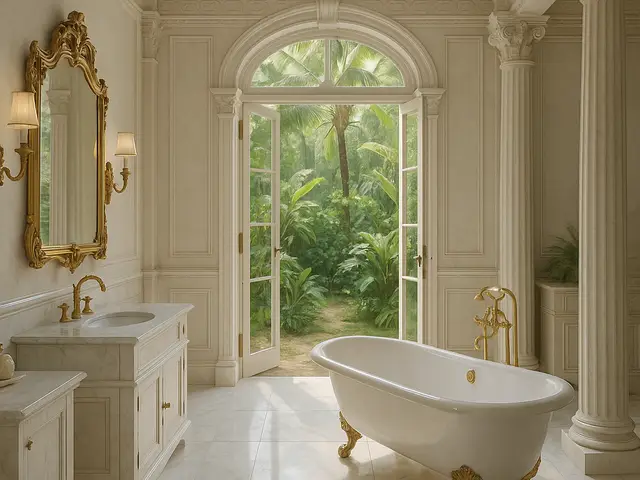
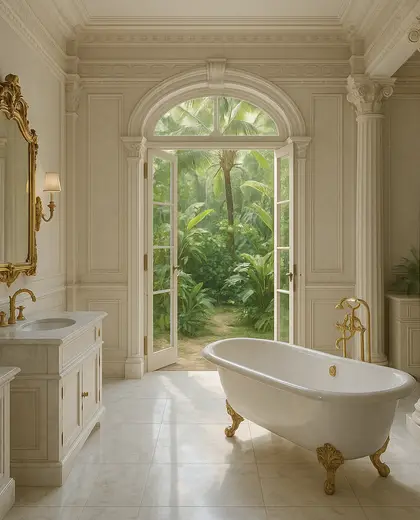
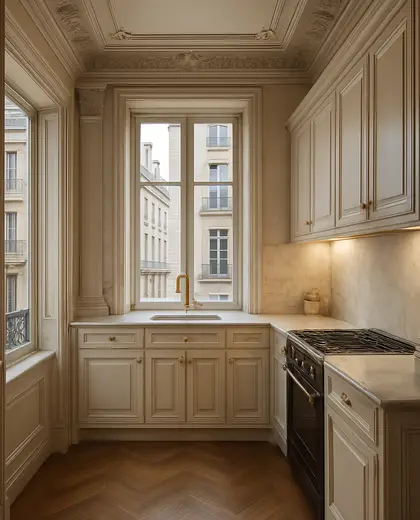
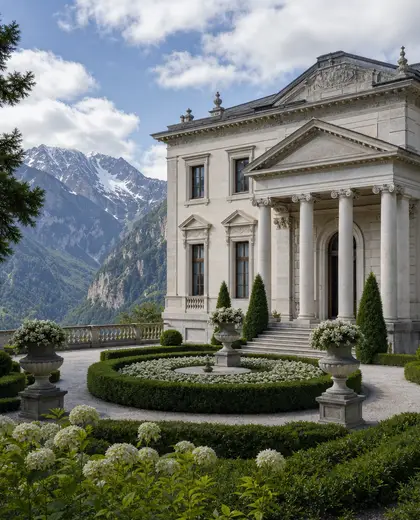
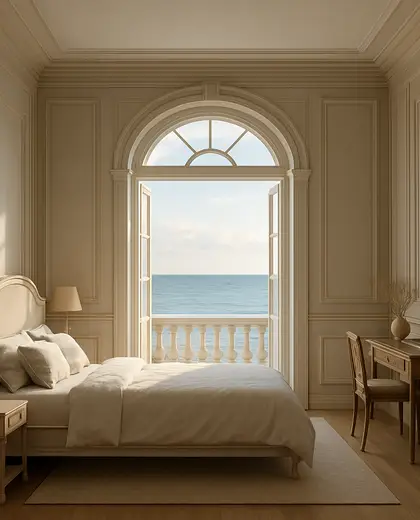
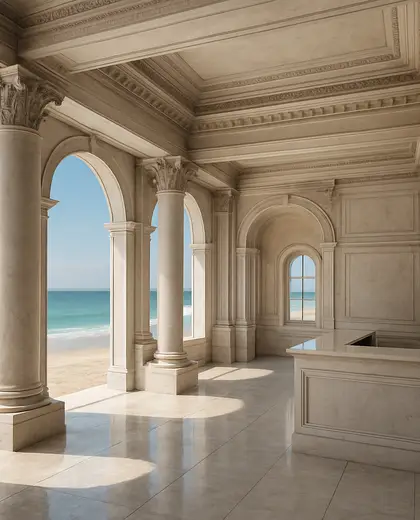
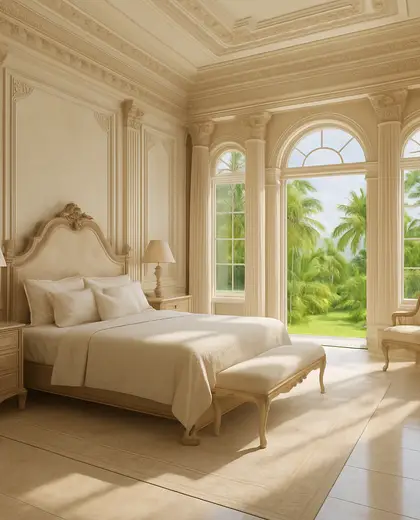
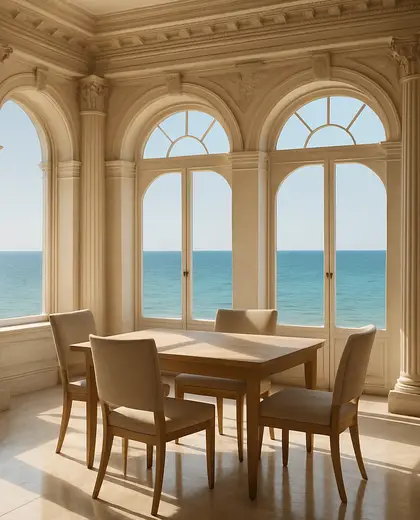
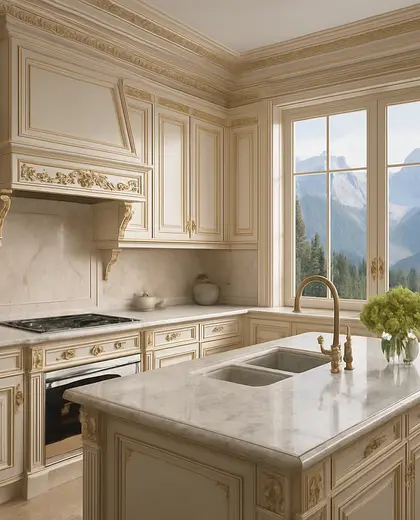
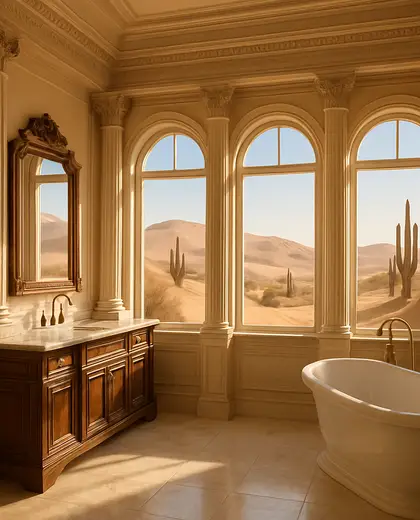
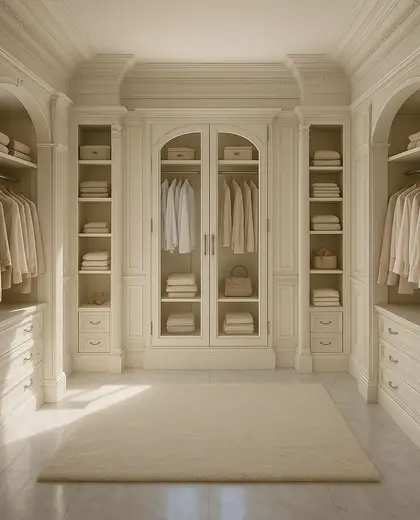
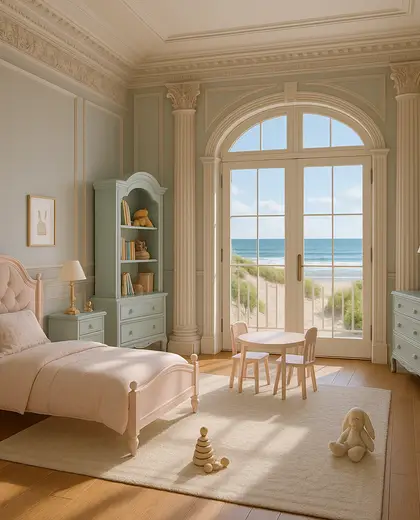
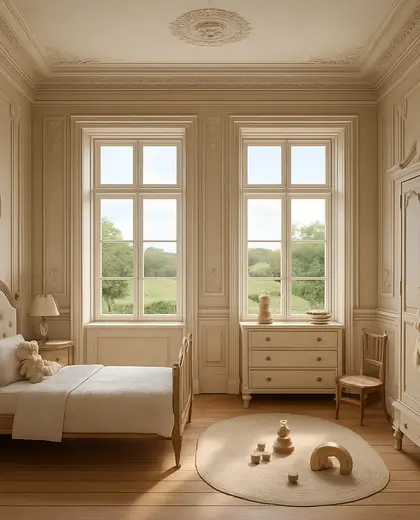
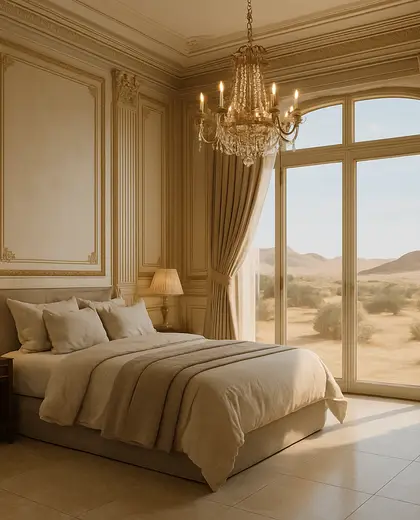
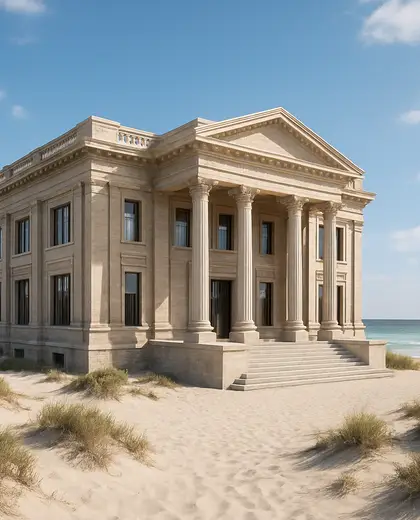
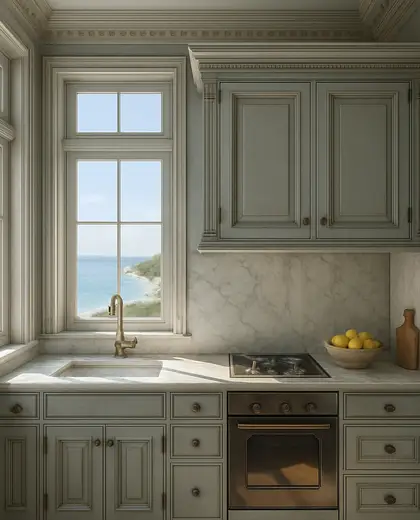
This composition is defined by symmetrical massing, formal proportions, and classical detailing applied to a building’s envelope and interiors. Common materials include stone, stucco, plaster, wood, and metal trim, often finished in crisp, refined surfaces. The look relies on columns, pilasters, cornices, pediments, and tall balanced openings to create a composed, historic feel.
- building
- neoclassical
— References
References to explore
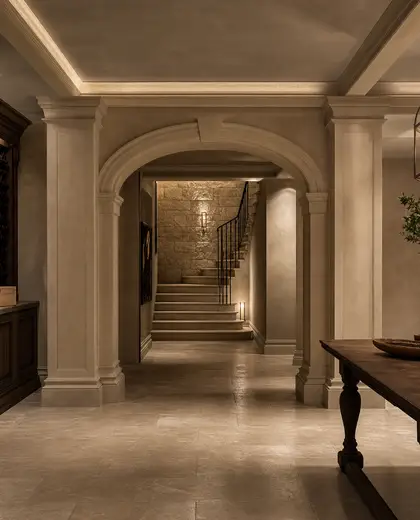
Is neoclassical suitable for a modern house?
Yes. It is often adapted to contemporary homes through simpler ornament, cleaner lines, and updated layouts while keeping classical symmetry and proportions.
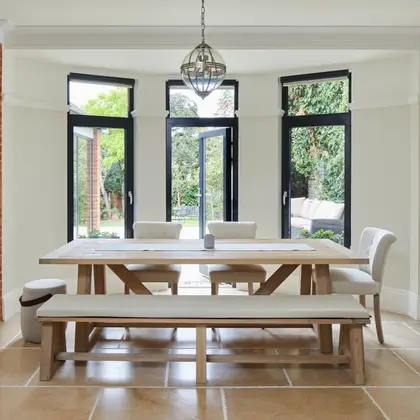
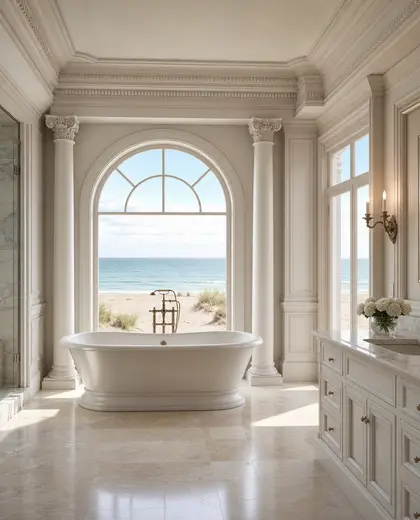
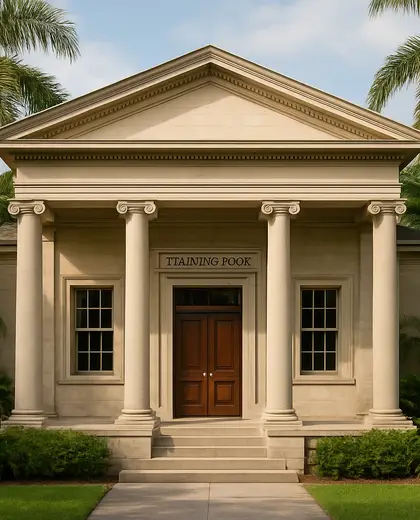

What exterior details define this style?
Look for columns or pilasters, a centered entry, balanced windows, cornices, pediments, and a façade organized around clear axes.
Does this style work only on large buildings?
No. It can be scaled to apartments, townhouses, villas, and public buildings, though the level of ornament usually changes with the project size.
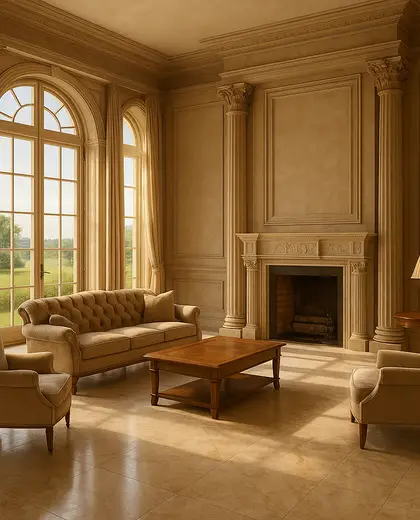
— The style
What defines it
Stone, stucco, plaster, painted wood, and restrained metal detailing are typical.
Usually light and neutral: whites, creams, soft grays, beige, and muted stone tones.
It pairs classical order with modern building construction, formal façades, and elegant interior layouts.
— Professionals
Who has already built it
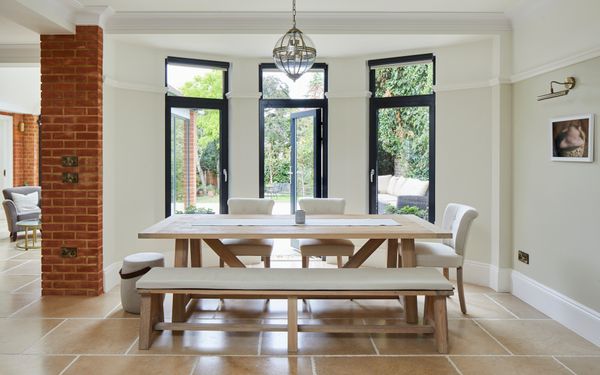

- LoftRobejoiners · Guildford · 4 projectsView profile →
- Beneito Faurelighting designers · 2 projectsView profile →
- Lusso Stonetile suppliers · Stocktonontees · 7 projectsView profile →
- paquis norris group limitedbuilders · Reading · 3 projectsView profile →
— Explore
Keep exploring
— Questions
Frequently asked questions
Is neoclassical suitable for a modern house?
Yes. It is often adapted to contemporary homes through simpler ornament, cleaner lines, and updated layouts while keeping classical symmetry and proportions.
What exterior details define this style?
Look for columns or pilasters, a centered entry, balanced windows, cornices, pediments, and a façade organized around clear axes.
Does this style work only on large buildings?
No. It can be scaled to apartments, townhouses, villas, and public buildings, though the level of ornament usually changes with the project size.