— Ideas & inspiration
Building composition
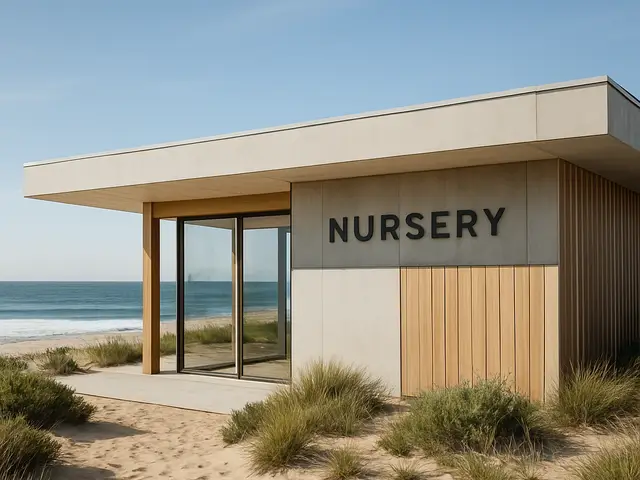
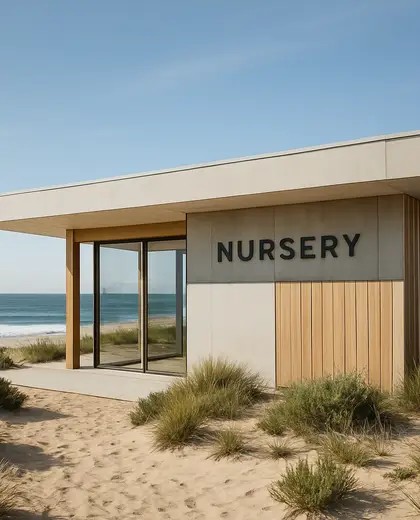
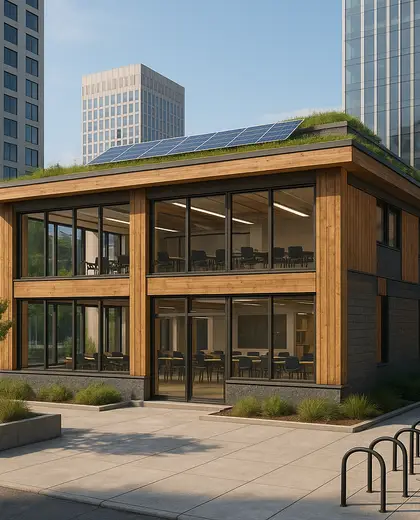
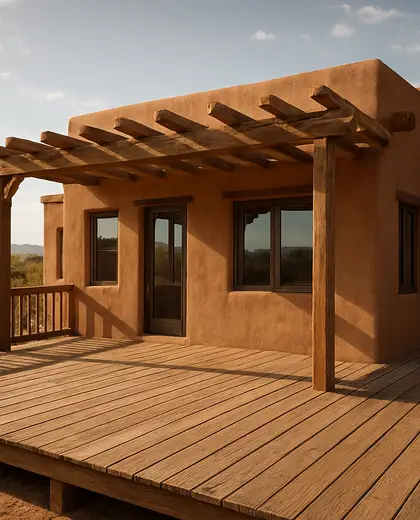
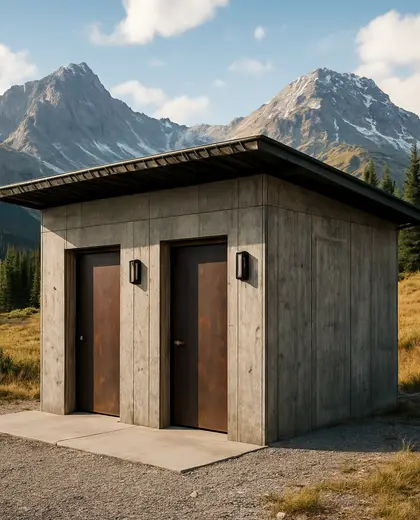
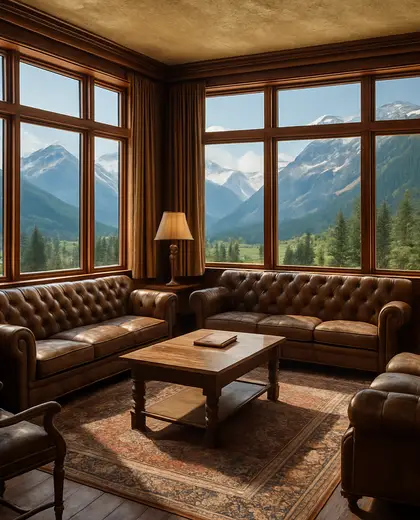
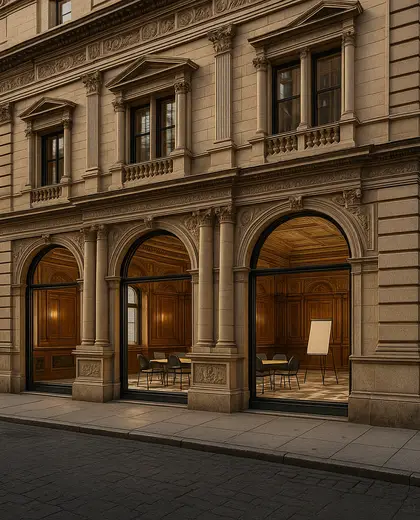
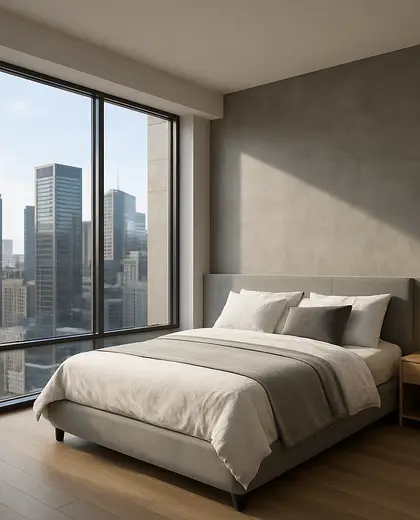
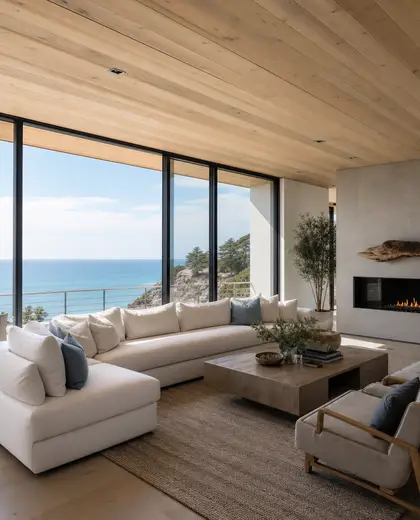
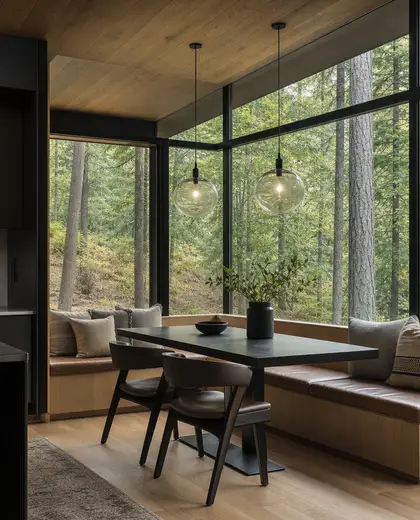
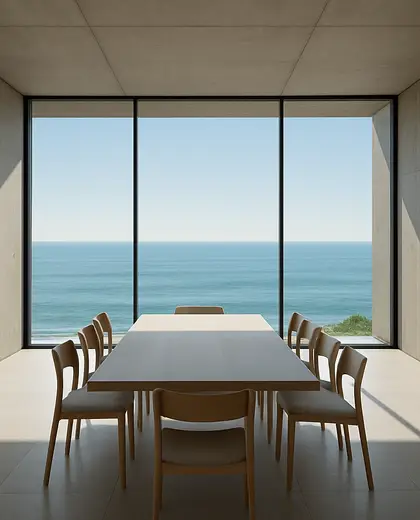
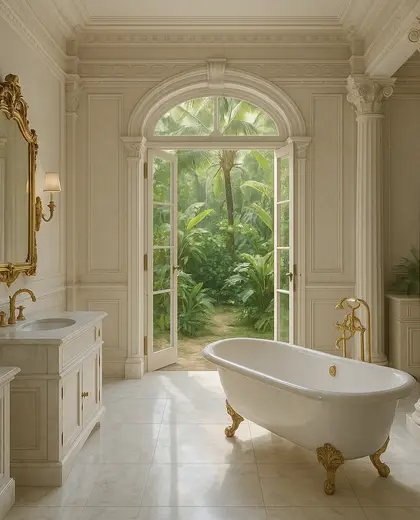
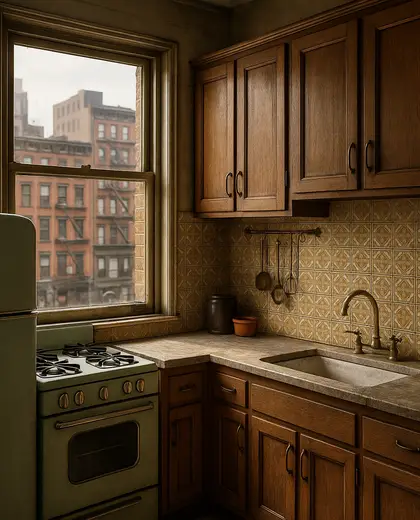
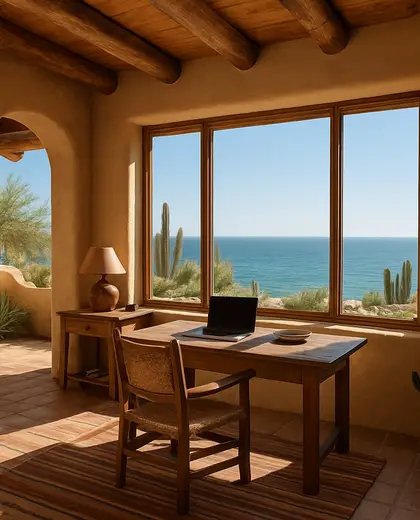
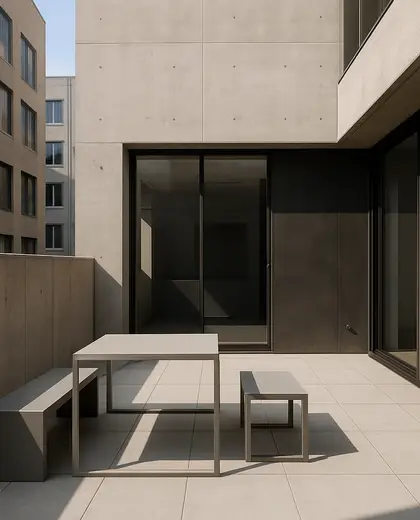
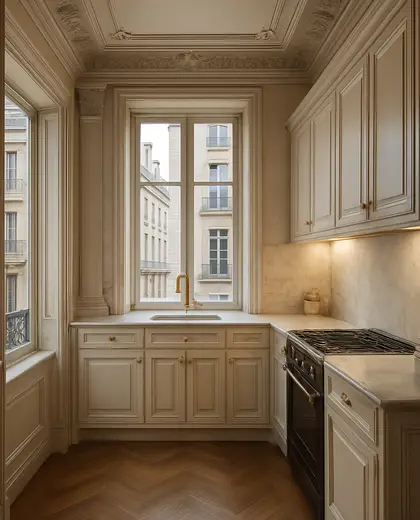
Building composition is defined by the way walls, roof, openings, and structure are arranged into a clear architectural whole. It typically uses durable materials such as concrete, masonry, steel, timber, and glass, with a restrained palette of greys, earth tones, off-white, and natural finishes. The look depends on proportion, solid masses, clean lines, and the relationship between indoor spaces and the exterior shell.
- building
— References
References to explore
What makes a building composition different from a house style?
A composition is about how the parts of the building are put together: massing, openings, structure, and material balance. A style is broader and may include decorative or historical references.
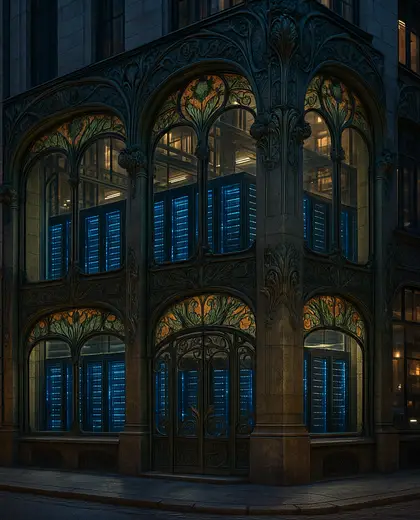
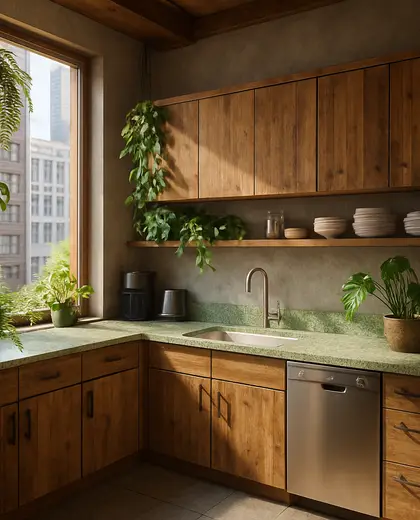
Can this composition work with warmer materials?
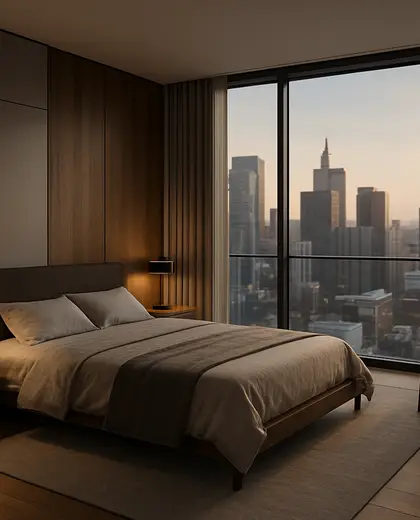
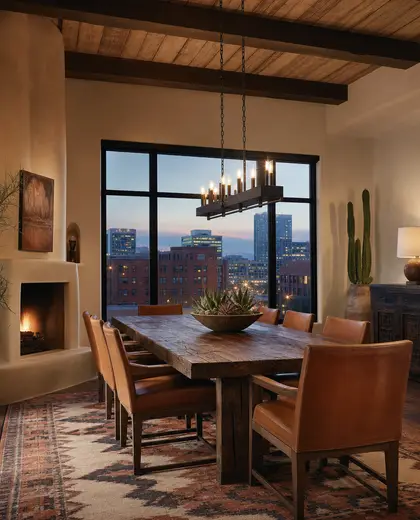
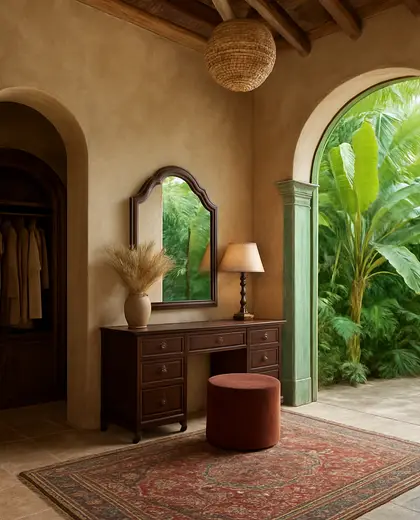
Yes. Timber, terracotta, and textured plaster can soften the look while keeping the overall composition clear and architectural.
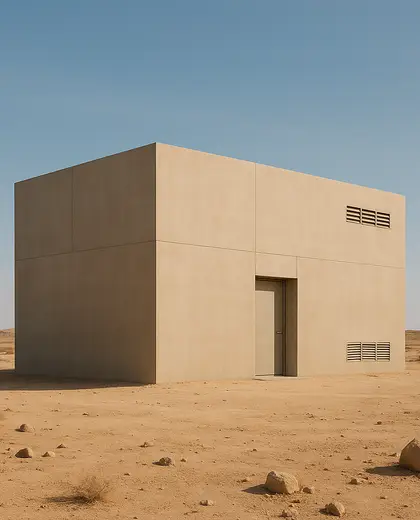
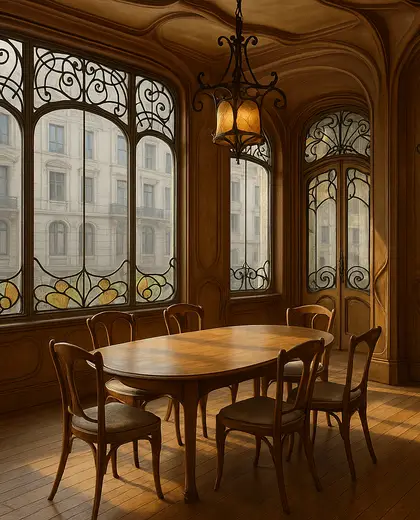
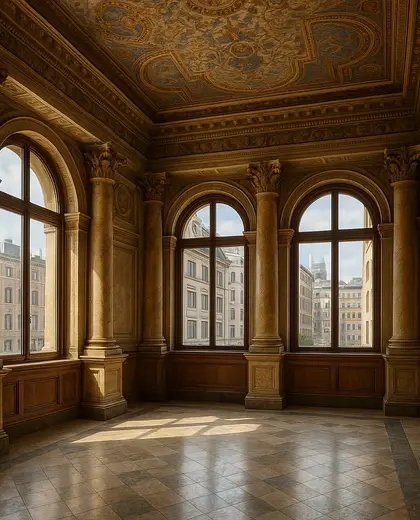
Does building composition suit small homes?
Yes. It can work very well in smaller homes because it focuses on proportion, simple forms, and well-placed openings rather than size or ornament.
— The style
What defines it
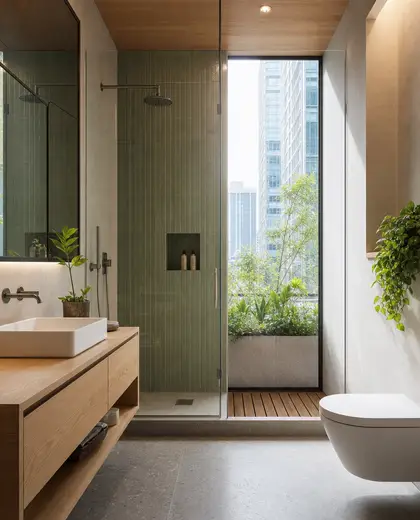
Concrete, brick, stone, steel, timber, plaster, and glass are the most common materials, often left visible or used in simple finishes.
Neutral and grounded tones usually dominate: grey, beige, white, black, and the natural color of wood or stone.
This composition is often paired with minimal detailing, large openings, flat or simple pitched roofs, and landscape elements that emphasize mass and structure.
— Professionals
Who has already built it
- LoftRobejoiners · Guildford · 4 projectsView profile →
- Beneito Faurelighting designers · 2 projectsView profile →
- Lusso Stonetile suppliers · Stocktonontees · 7 projectsView profile →
- elizabeth bee interior deinterior designers · 4 projectsView profile →
— Questions
Frequently asked questions
What makes a building composition different from a house style?
A composition is about how the parts of the building are put together: massing, openings, structure, and material balance. A style is broader and may include decorative or historical references.
Can this composition work with warmer materials?
Yes. Timber, terracotta, and textured plaster can soften the look while keeping the overall composition clear and architectural.
Does building composition suit small homes?
Yes. It can work very well in smaller homes because it focuses on proportion, simple forms, and well-placed openings rather than size or ornament.