— Ideas & inspiration
Building in the desert
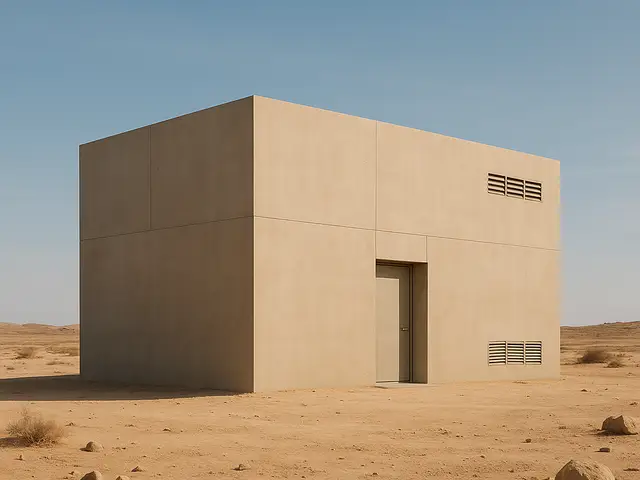
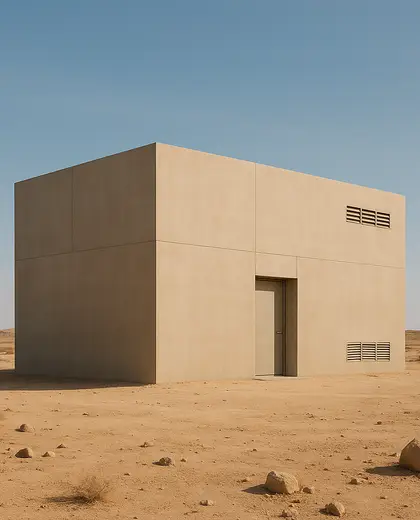
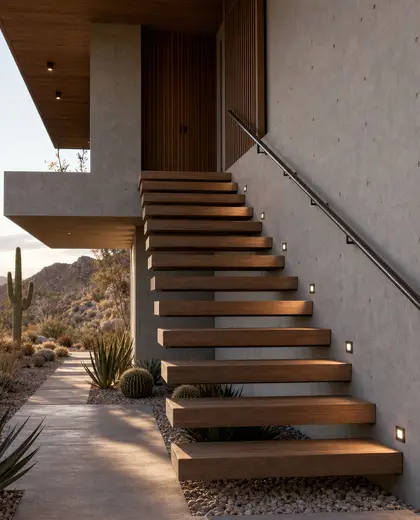
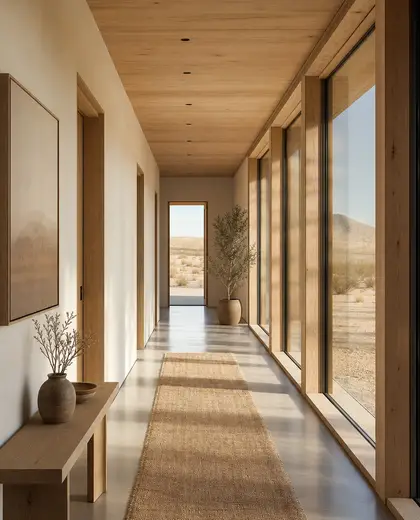
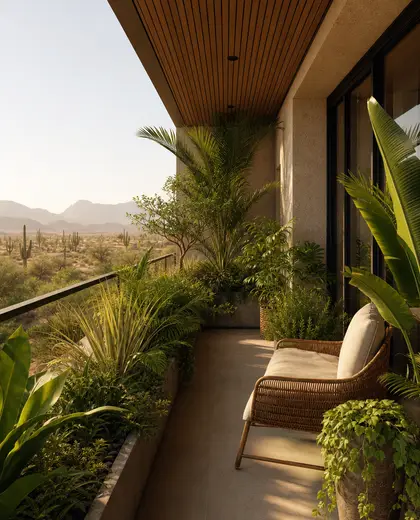
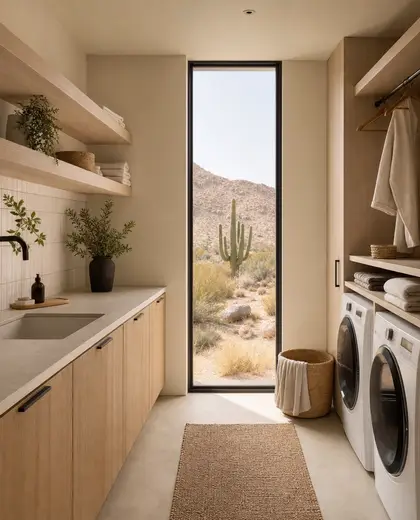
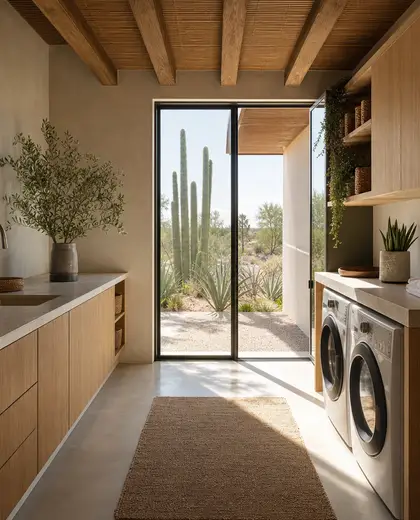
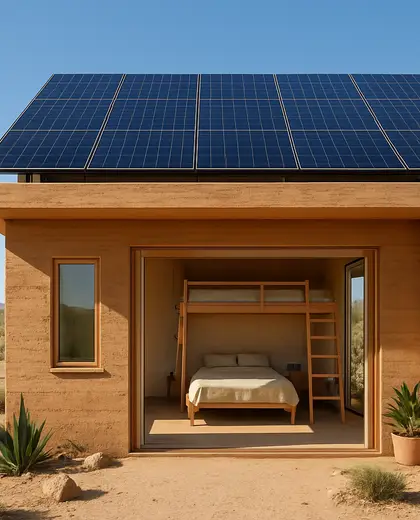
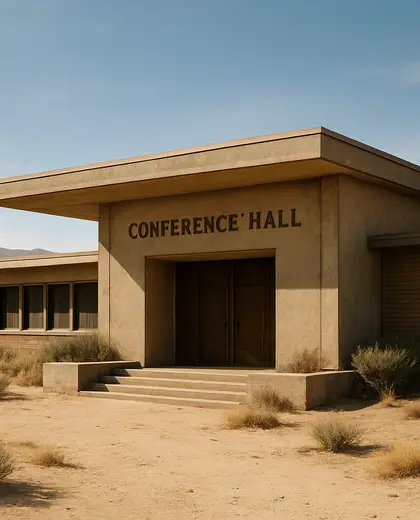
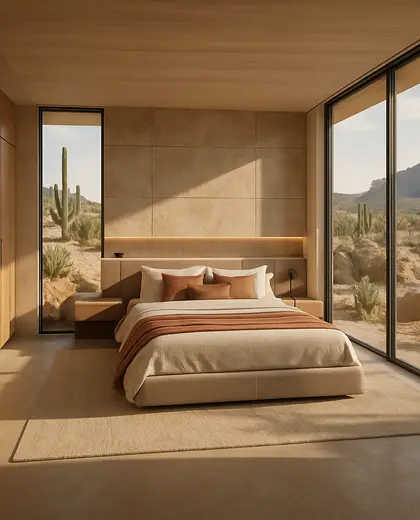
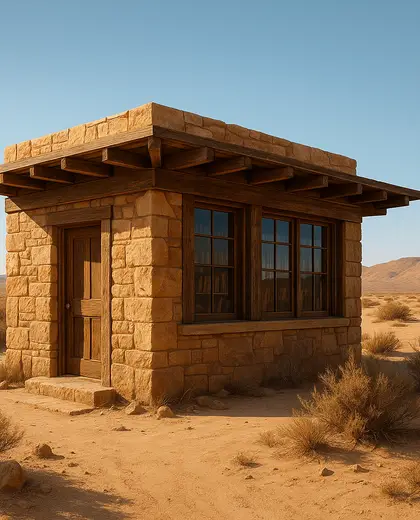
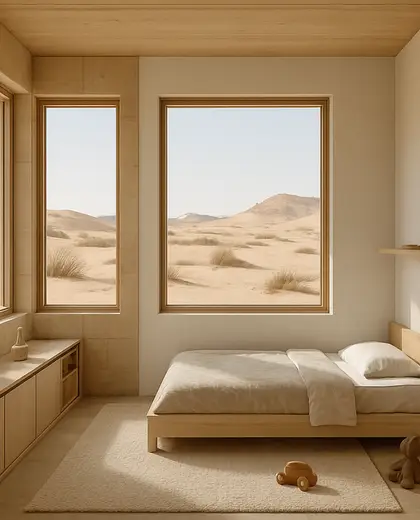
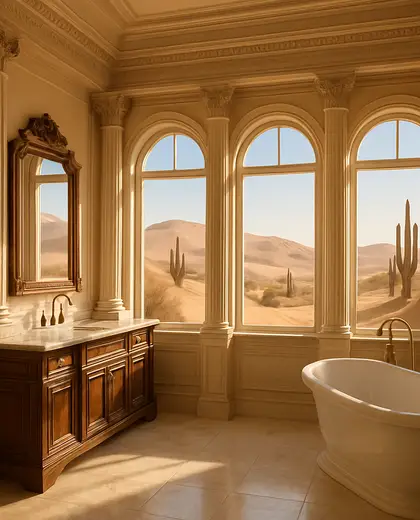
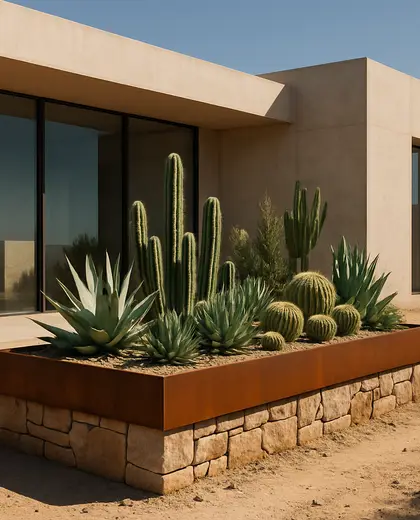
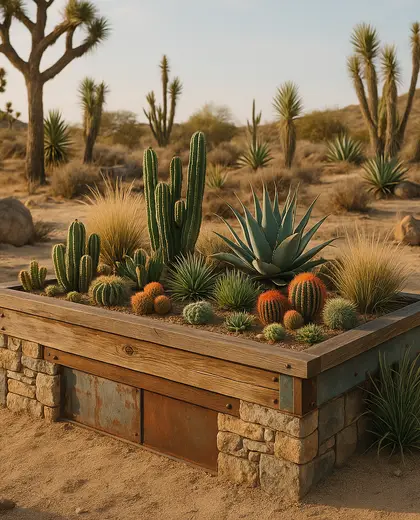
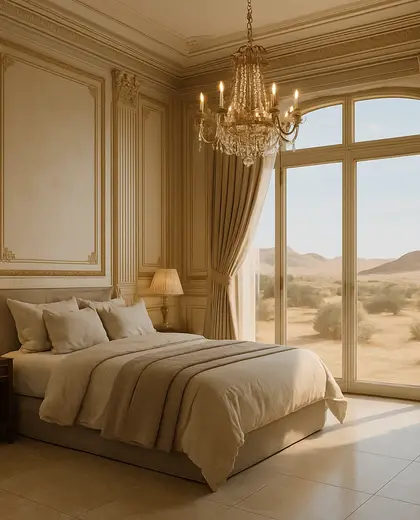
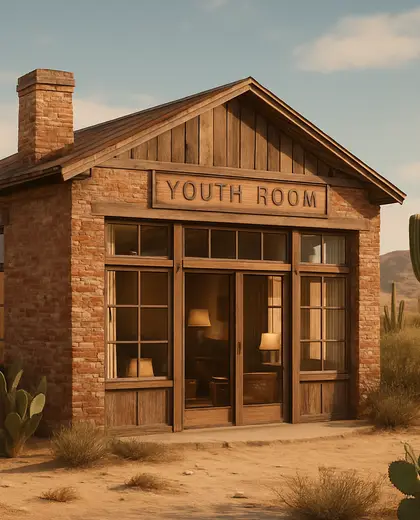
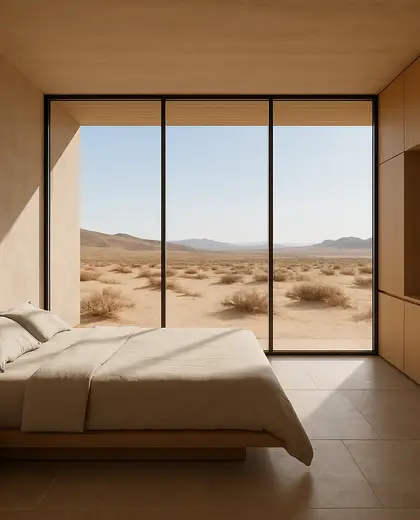
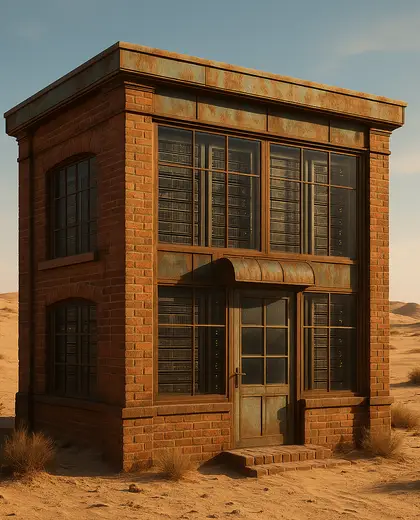
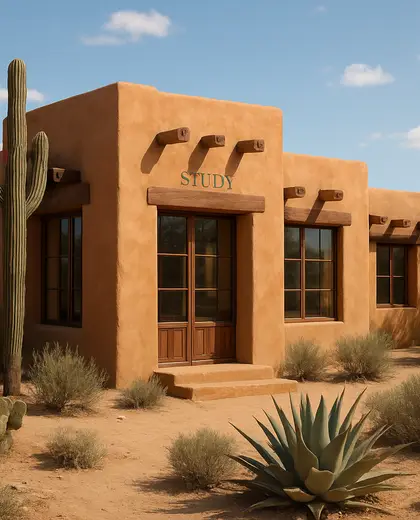
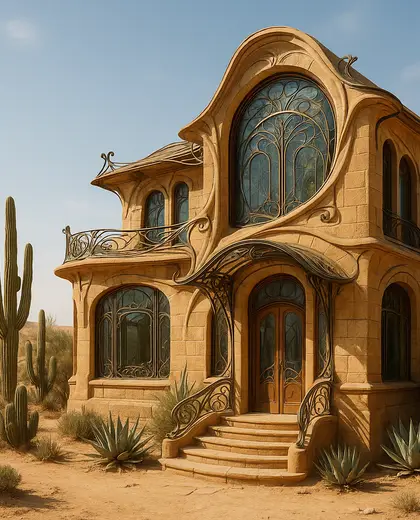
This composition is defined by massing, shade, and thermal resilience. It typically uses stone, adobe, rammed earth, concrete, and weathered timber, with deep overhangs, courtyards, screened openings, and thick walls to handle heat and glare.
- building
- desert
— References
References to explore
How do desert buildings stay comfortable in hot weather?
They rely on thick walls, shaded outdoor rooms, cross-ventilation, small or recessed glazing, and high-performance insulation to reduce heat gain.
What exterior finishes work best in a desert setting?
Durable mineral finishes, textured plaster, stone, concrete, and UV-stable wood or metal details work well because they handle sun and wind better than delicate surfaces.
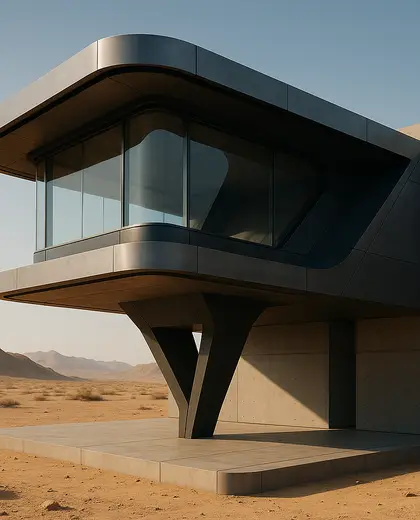
Can a desert-inspired building still feel modern?
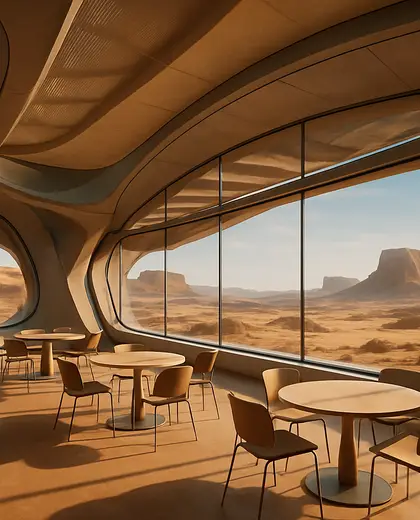
Yes. The look can be very contemporary when the forms are simple, the openings are precise, and the materials stay natural and restrained.
— The style
What defines it
Rammed earth, adobe, stone, concrete, stucco, and timber are common, often paired with metal shading elements.
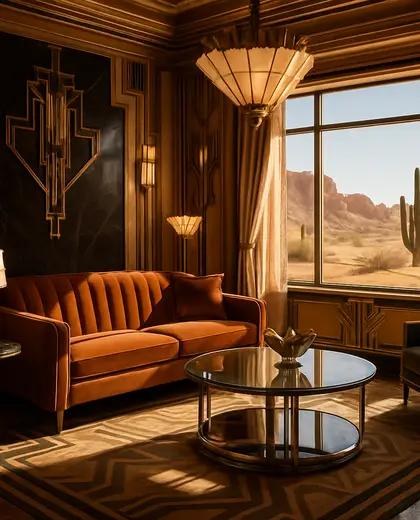
Earth tones dominate: sand, clay, ochre, camel, taupe, sun-bleached white, and muted charcoal accents.
It often combines with courtyard planning, shaded terraces, low horizontal forms, and views framed for light control.
— Professionals
Who has already built it
- maria mateaarchitects · London · 7 projectsView profile →
- kerem erbagci3d renderers · London · 9 projectsView profile →
- paquis norris group limitedbuilders · Reading · 3 projectsView profile →
- LoftRobejoiners · Guildford · 4 projectsView profile →
— Explore
Keep exploring
— Questions
Frequently asked questions
How do desert buildings stay comfortable in hot weather?
They rely on thick walls, shaded outdoor rooms, cross-ventilation, small or recessed glazing, and high-performance insulation to reduce heat gain.
What exterior finishes work best in a desert setting?
Durable mineral finishes, textured plaster, stone, concrete, and UV-stable wood or metal details work well because they handle sun and wind better than delicate surfaces.
Can a desert-inspired building still feel modern?
Yes. The look can be very contemporary when the forms are simple, the openings are precise, and the materials stay natural and restrained.