— Ideas & inspiration
Coastal facades with a breezy, sun-washed finish
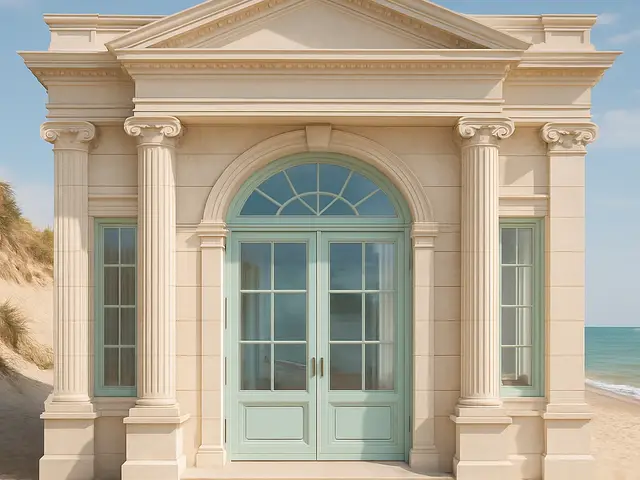
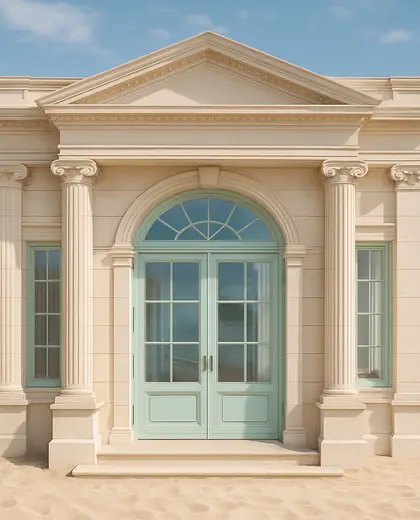
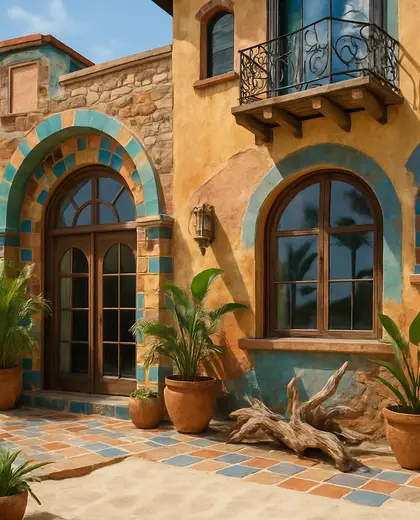
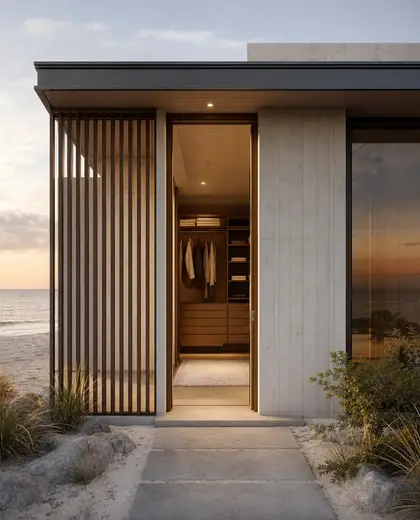
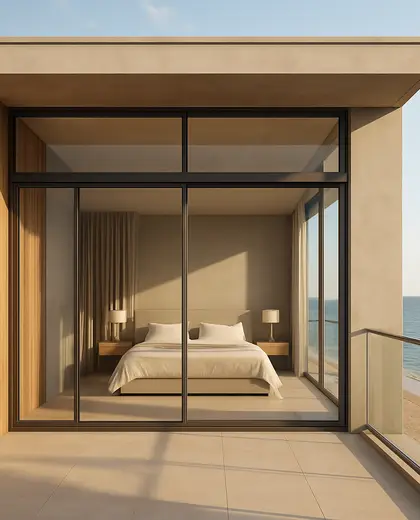
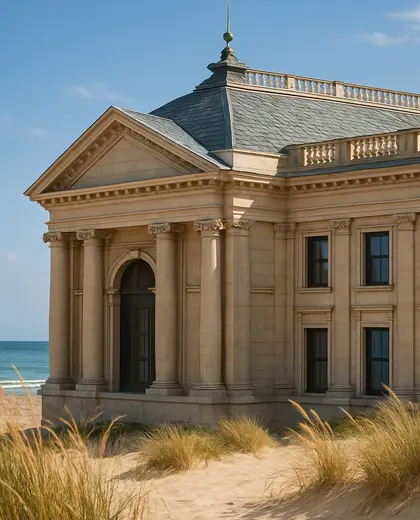
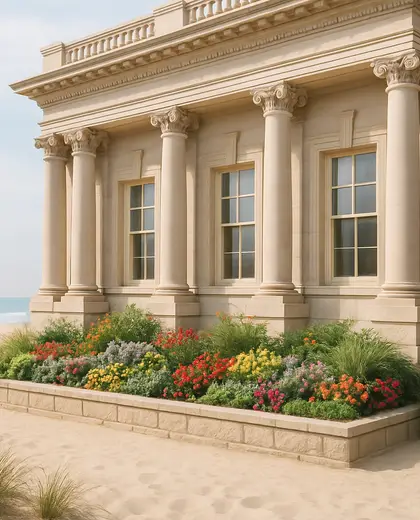
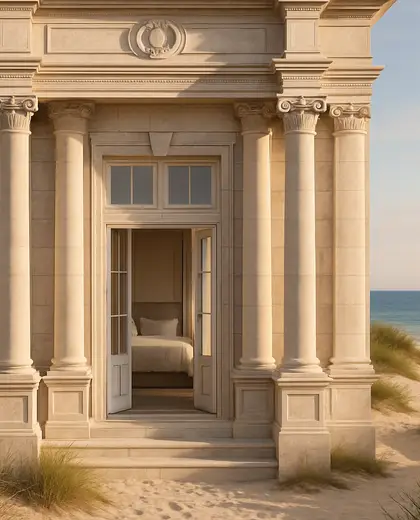
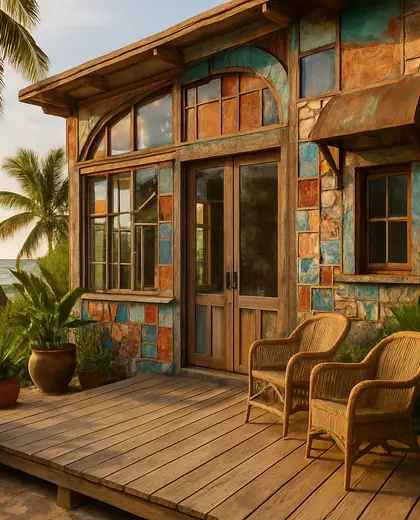
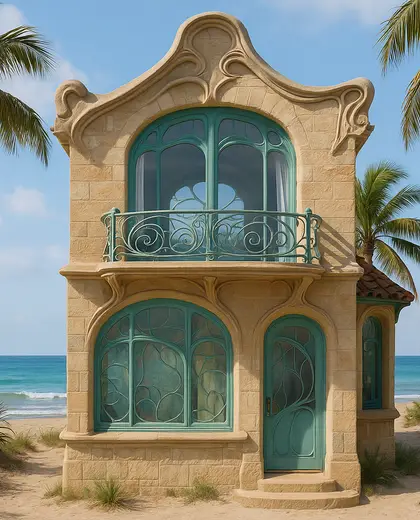
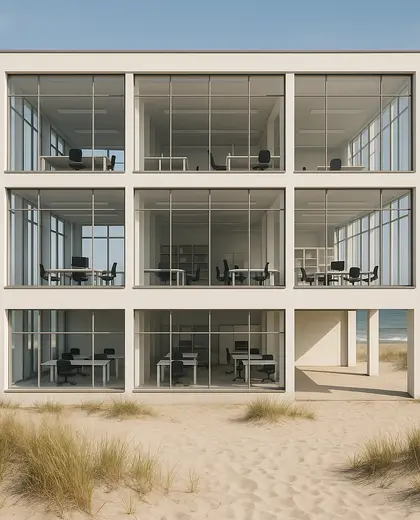
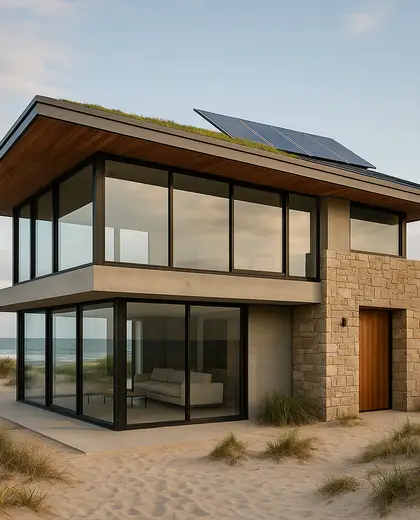
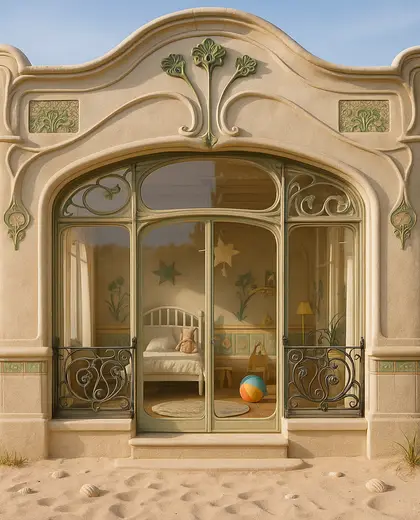
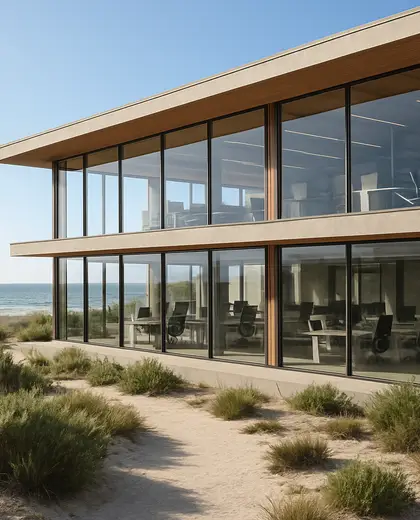
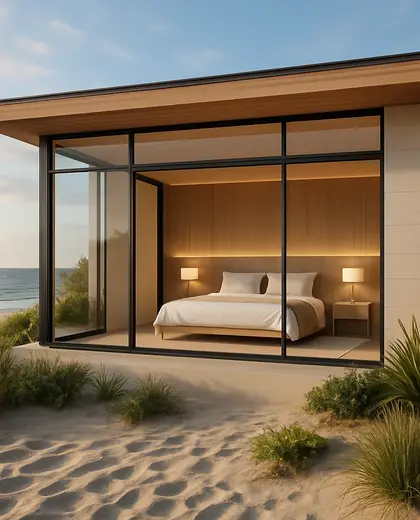
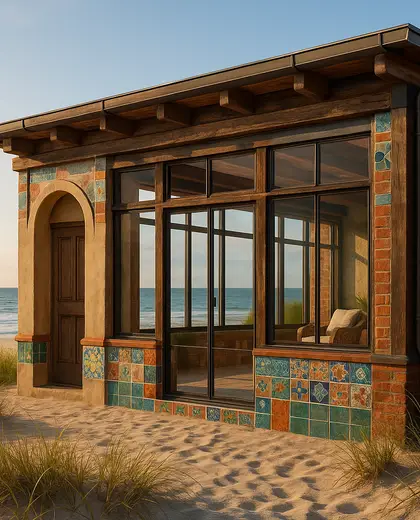
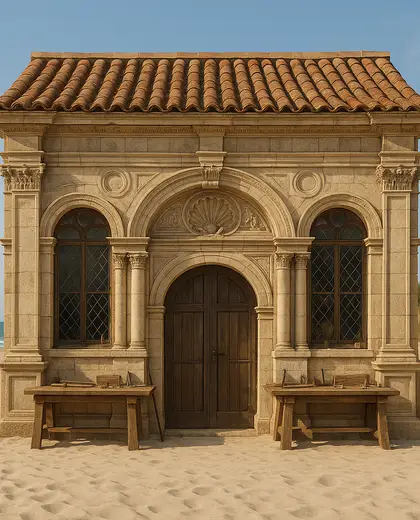
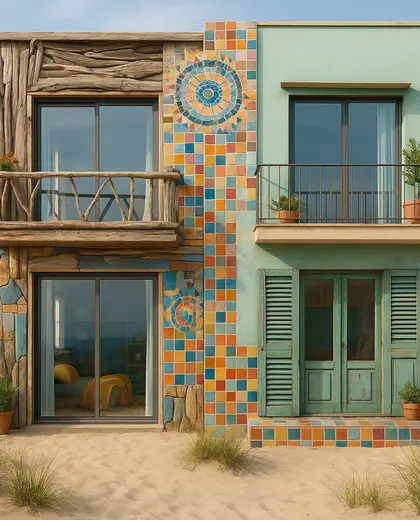
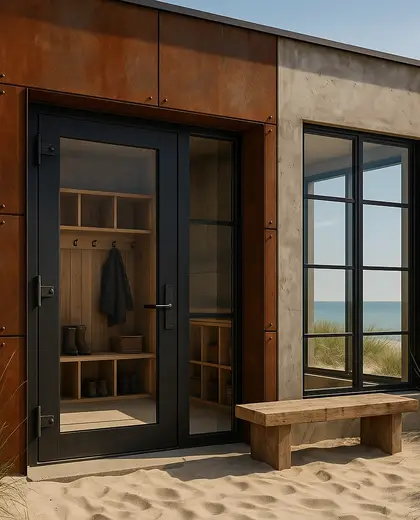
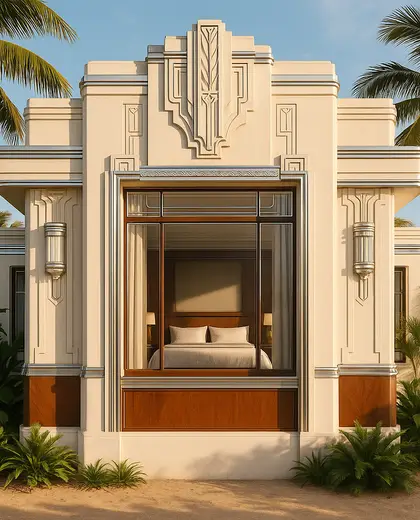
A beach-inspired facade usually pairs light-toned plaster, timber, stone, or fiber-cement cladding with simple, weathered details. The look is defined by open porches, shade screens, large windows, and materials that can handle salt air and bright sun. The palette stays soft and natural, often centered on white, sand, beige, driftwood gray, and pale blue accents.
- facade
- beach
— References
References to explore
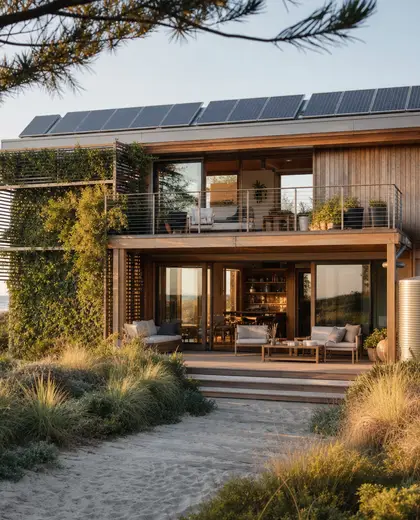
What makes a facade feel beach-inspired without looking themed?
Keep the forms simple and use natural, durable materials in a restrained palette. Subtle shade elements and generous openings usually read as coastal without becoming decorative.
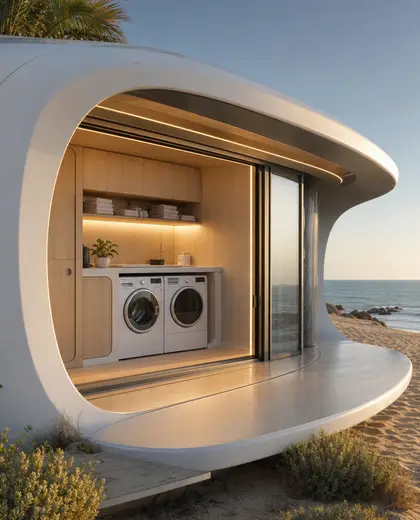
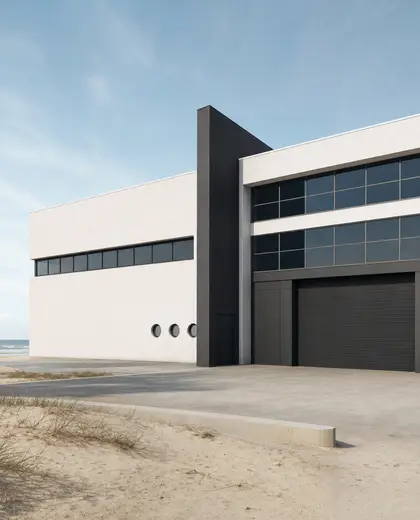
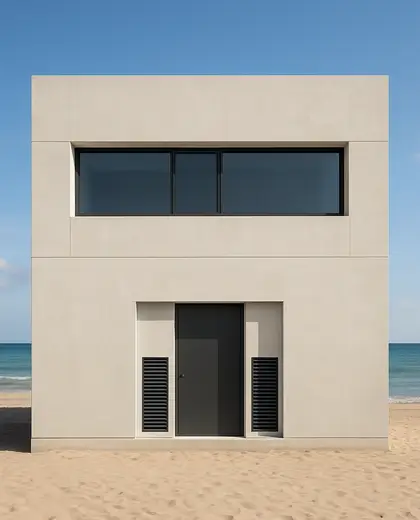
What materials work best near the sea?
Choose finishes that resist moisture and salt exposure, such as mineral plaster, treated timber, stone, stainless steel, and marine-grade metals. The key is durability as much as appearance.
Can a beach facade work on a modern home?
Yes, if you keep the massing clean and use coastal cues through color, texture, and shading rather than ornament. Large windows, light cladding, and screened outdoor areas fit well on contemporary forms.
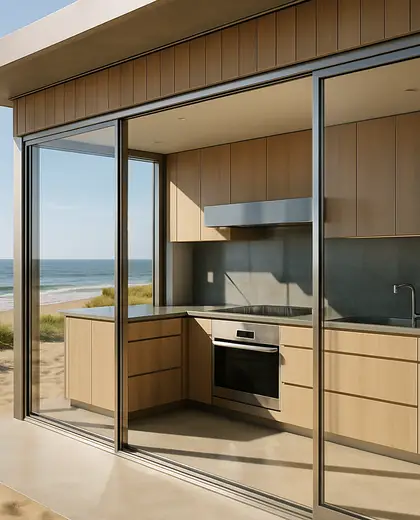
— The style
What defines it
Light stucco, weather-resistant timber, stone, metal trim, and durable exterior coatings are common choices.
White, cream, sand, taupe, weathered gray, and muted blue create the typical coastal feel.
This facade style works well with verandas, pergolas, wide glazing, shutters, and relaxed landscaped entries.
— Professionals
Who has already built it
- vorbild architecturearchitects · 6 projectsView profile →
- kerem erbagci3d renderers · London · 9 projectsView profile →
- paquis norris group limitedbuilders · Reading · 3 projectsView profile →
- LoftRobejoiners · Guildford · 4 projectsView profile →
— Questions
Frequently asked questions
What makes a facade feel beach-inspired without looking themed?
Keep the forms simple and use natural, durable materials in a restrained palette. Subtle shade elements and generous openings usually read as coastal without becoming decorative.
What materials work best near the sea?
Choose finishes that resist moisture and salt exposure, such as mineral plaster, treated timber, stone, stainless steel, and marine-grade metals. The key is durability as much as appearance.
Can a beach facade work on a modern home?
Yes, if you keep the massing clean and use coastal cues through color, texture, and shading rather than ornament. Large windows, light cladding, and screened outdoor areas fit well on contemporary forms.