— Ideas & inspiration
Facade composition
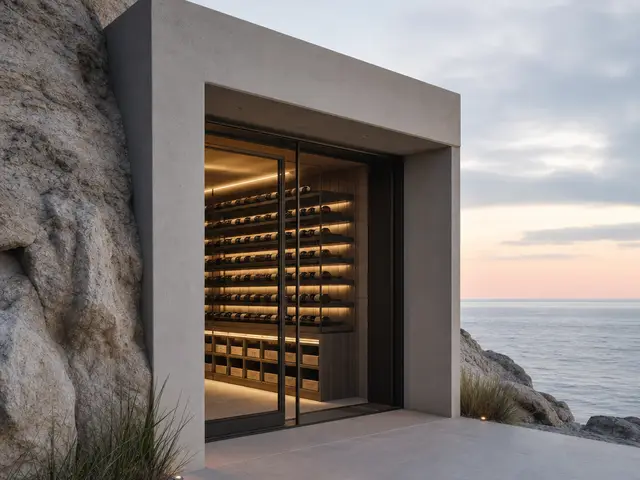
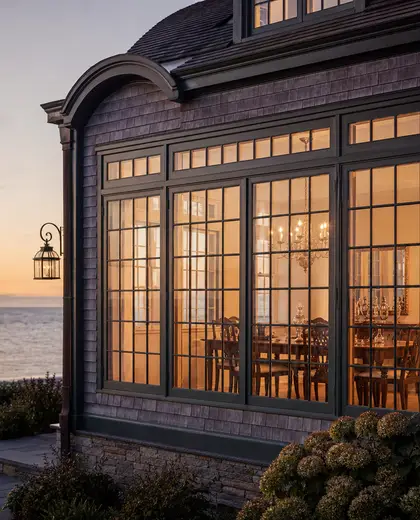
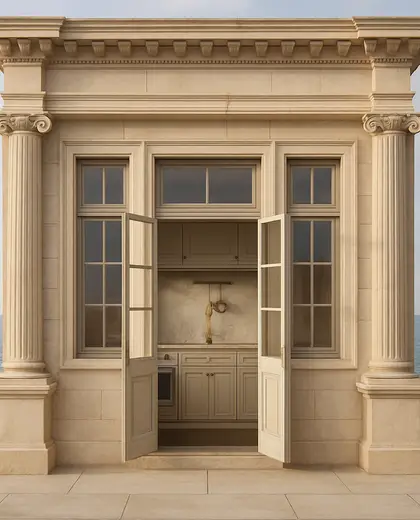
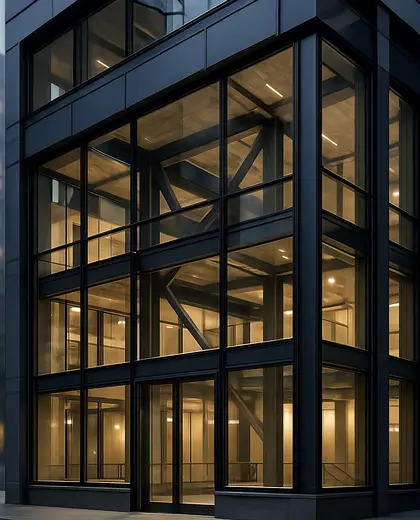
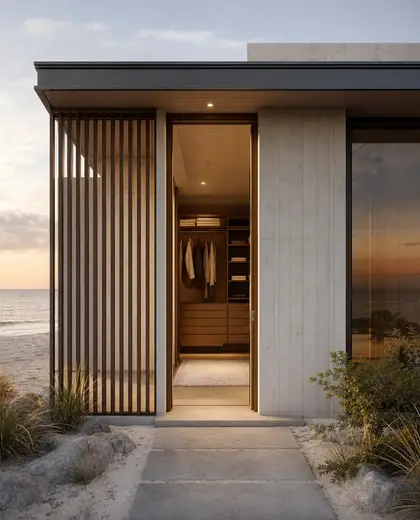
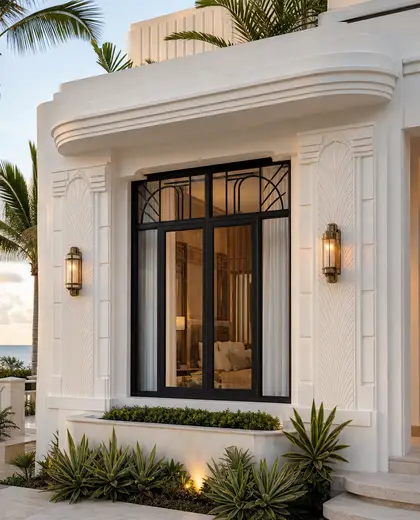
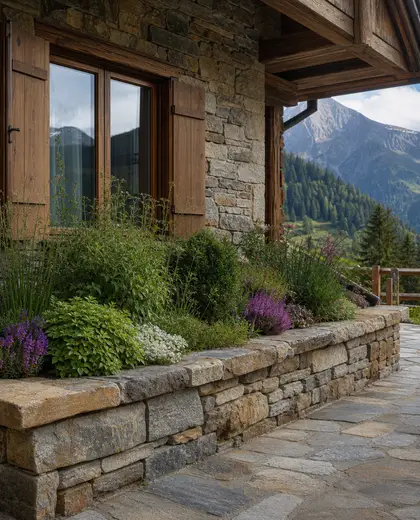
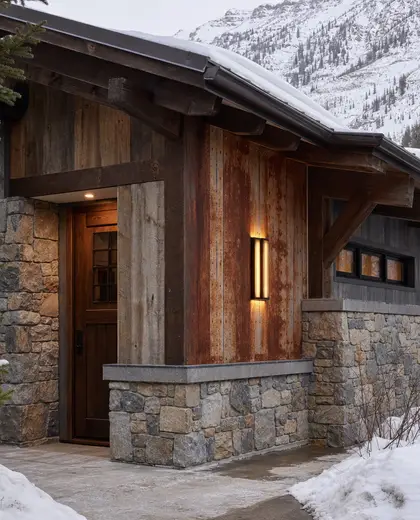
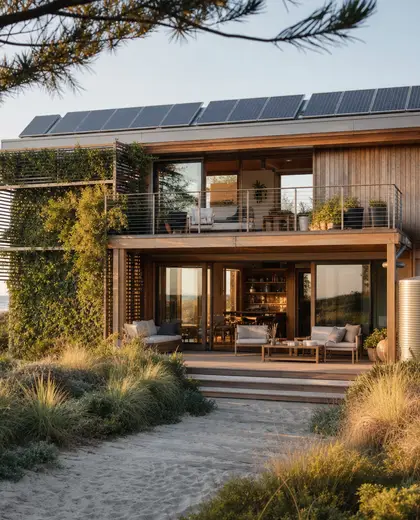
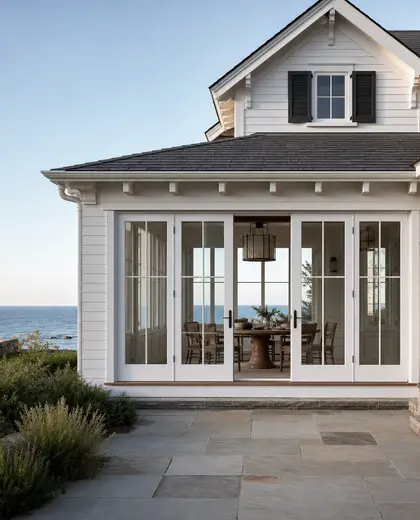
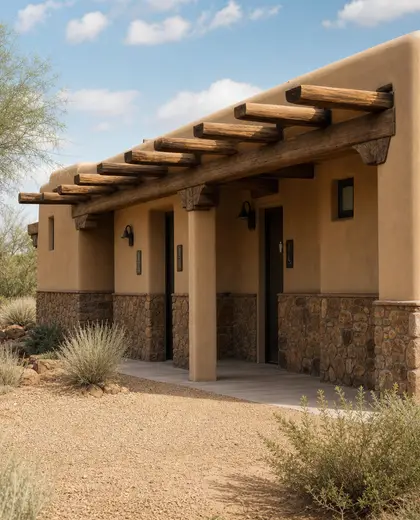
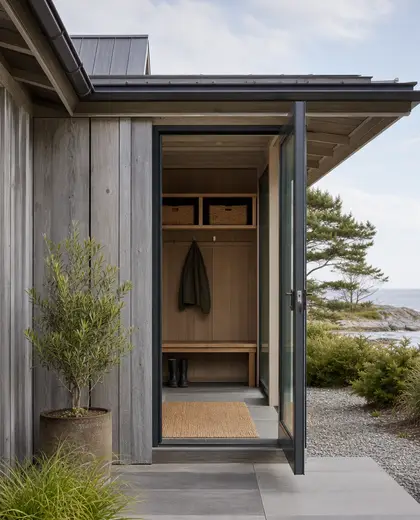
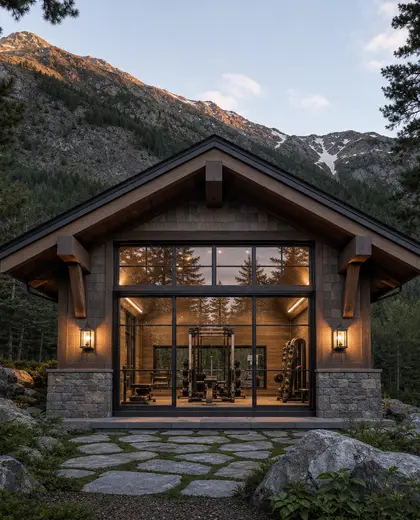
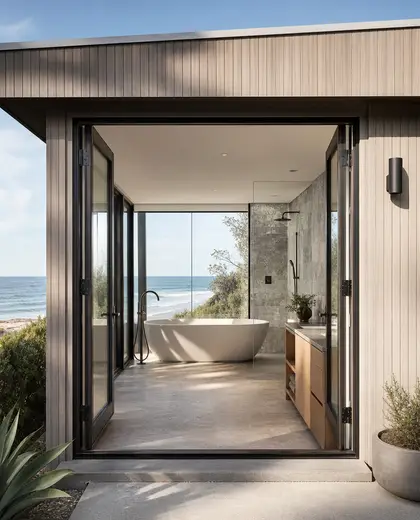
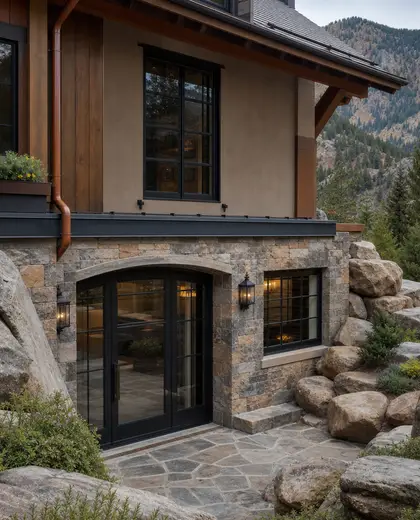
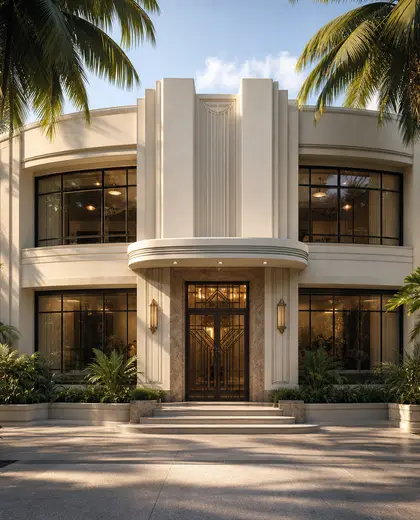
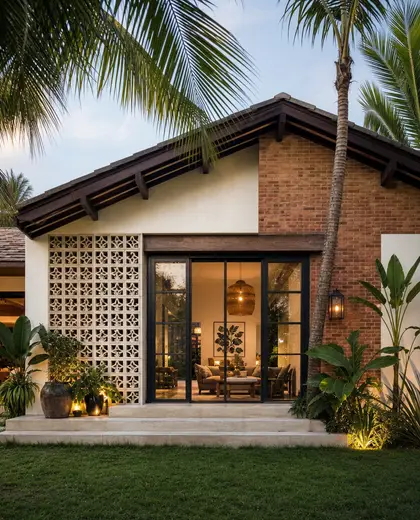
A facade composition is defined by the exterior skin of a building: cladding, openings, trims, and structural lines that shape how the front face reads. It often uses materials like stone, brick, stucco, wood, metal, or glass, arranged to create proportion, depth, and rhythm. The result is a balanced outer composition that controls light, privacy, and the building's visual identity.
- facade
— References
References to explore
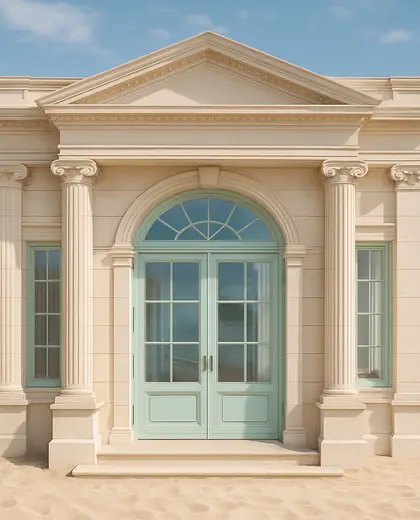
What is included in a facade composition?
It includes the visible outer layers and features of the building, such as wall finishes, windows, doors, sunshades, trims, and any decorative or structural accents.
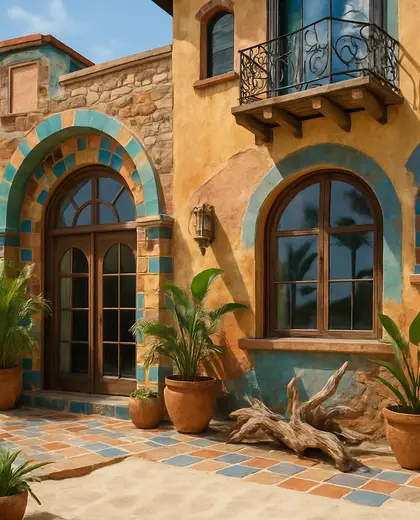


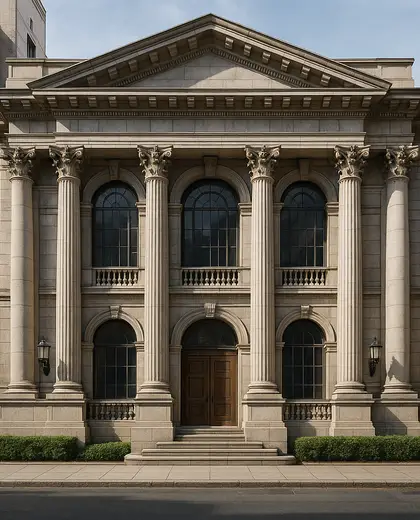
Does a facade composition have to use one material only?
No. Many facades rely on two or more materials to create contrast, such as brick with metal, stucco with timber, or stone with glass.
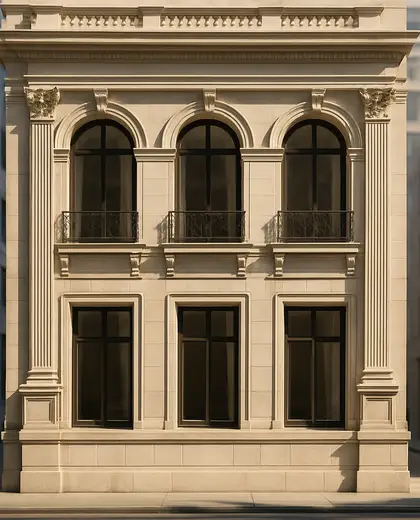
How do I choose the right facade composition for my home?
Start with the climate, local context, maintenance level, and the look you want from the street. The best choice usually balances durability, proportion, and how the exterior connects to the roof, openings, and landscape.

— The style
What defines it
Brick, stone, render, timber, metal panels, glass, and composite cladding are common, often combined in layered assemblies.
Usually restrained and architectural: whites, greys, earth tones, charcoal, black, warm wood tones, and muted metallic finishes.
Roof lines, window placement, entry detailing, landscaping, and structural bays to give the exterior a coherent front elevation.
— Professionals
Who has already built it
- vorbild architecturearchitects · 6 projectsView profile →
- kerem erbagci3d renderers · London · 9 projectsView profile →
- paquis norris group limitedbuilders · Reading · 3 projectsView profile →
- LoftRobejoiners · Guildford · 4 projectsView profile →
— Explore
Keep exploring
— Questions
Frequently asked questions
What is included in a facade composition?
It includes the visible outer layers and features of the building, such as wall finishes, windows, doors, sunshades, trims, and any decorative or structural accents.
Does a facade composition have to use one material only?
No. Many facades rely on two or more materials to create contrast, such as brick with metal, stucco with timber, or stone with glass.
How do I choose the right facade composition for my home?
Start with the climate, local context, maintenance level, and the look you want from the street. The best choice usually balances durability, proportion, and how the exterior connects to the roof, openings, and landscape.