— Ideas & inspiration
Rural facades with quiet, grounded character
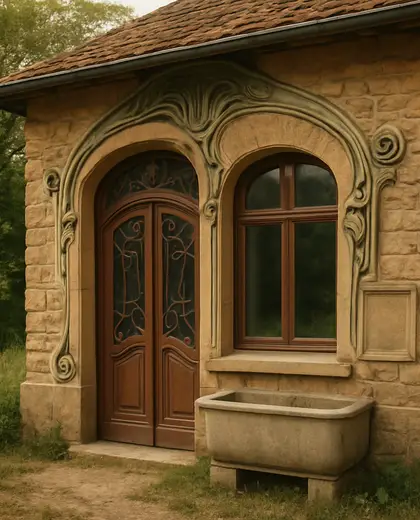
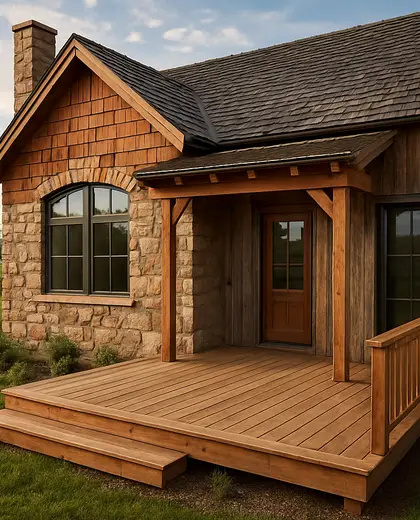
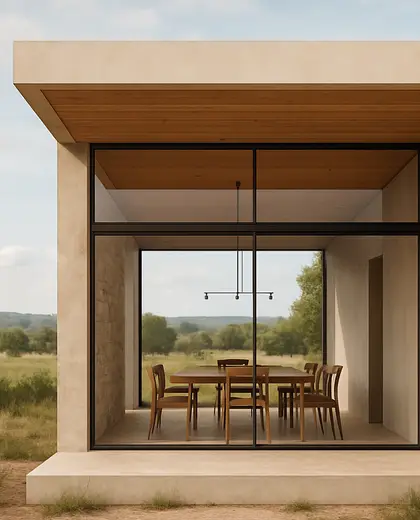
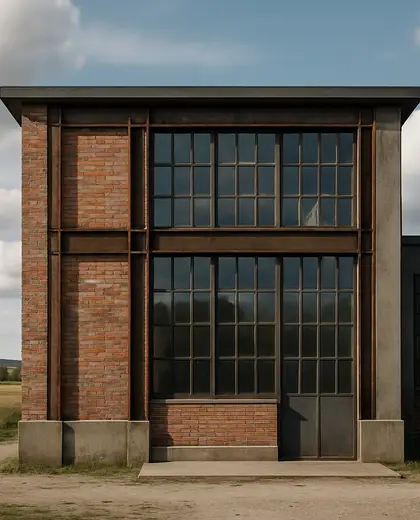
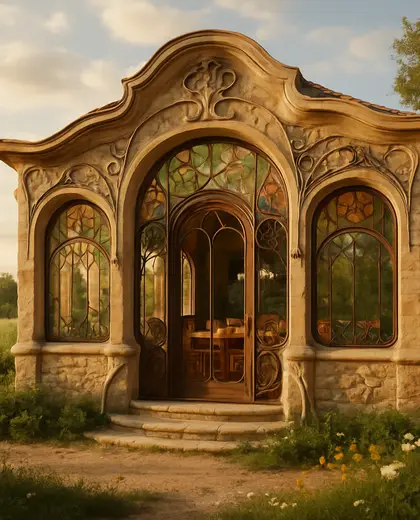
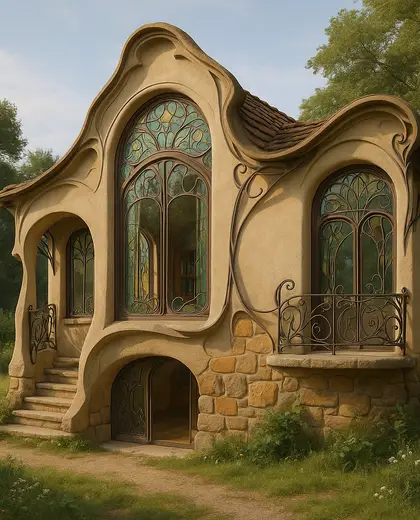
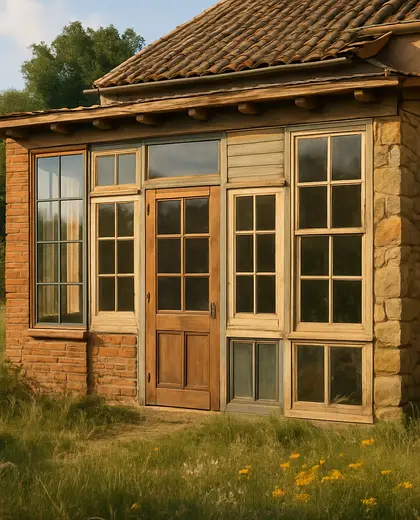
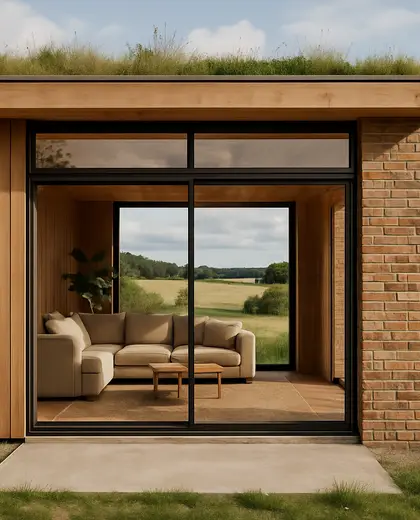
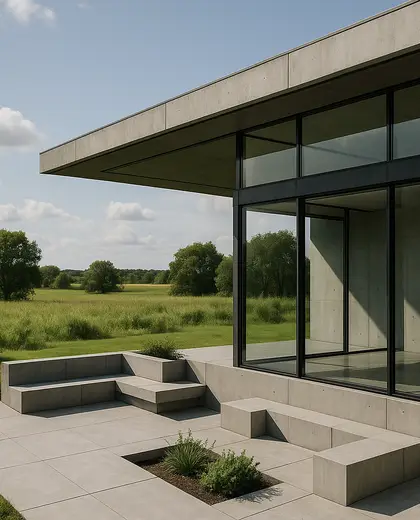
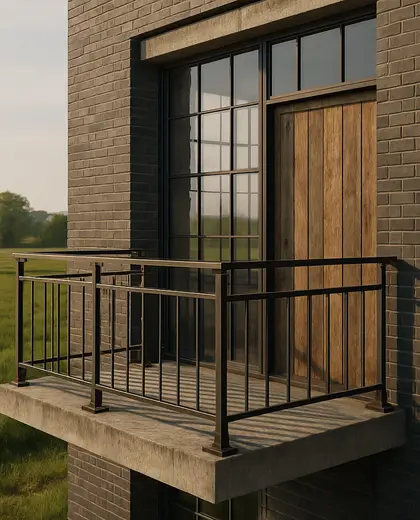
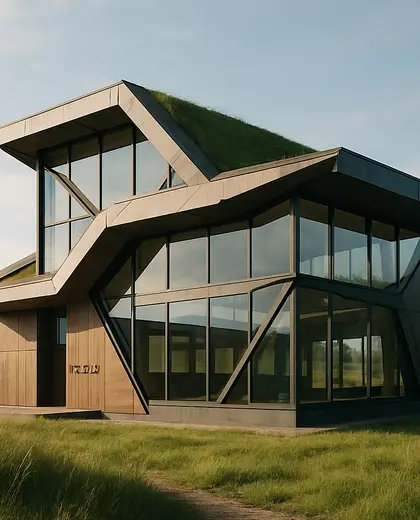
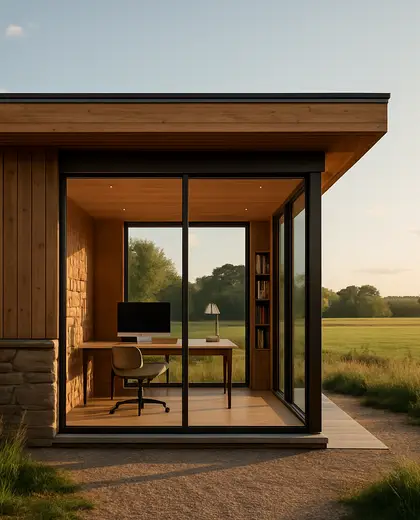
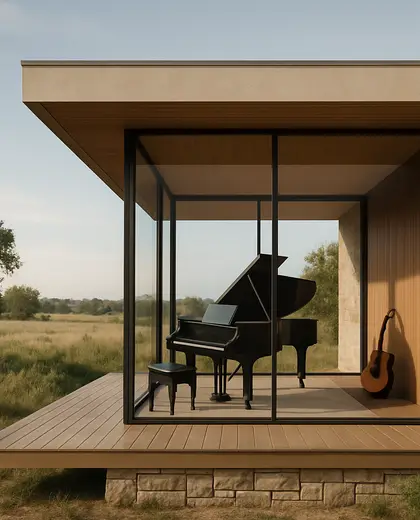
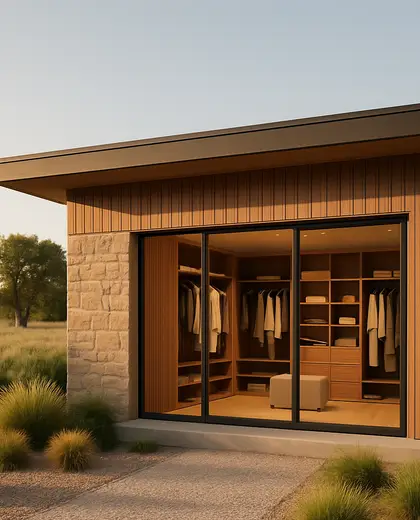
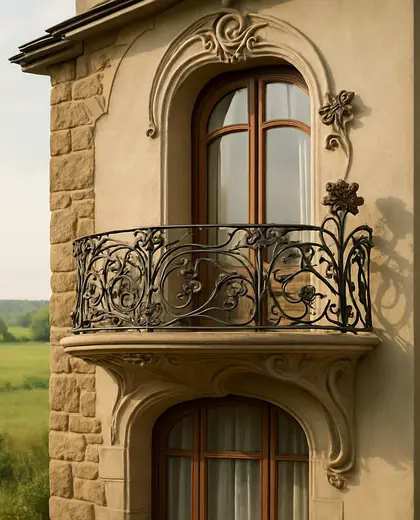
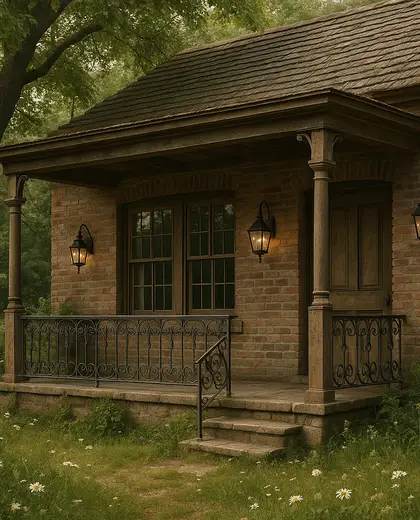
This composition is defined by facades that feel rooted in the landscape: timber, stone, brick, lime render, and dark metal are common choices. The palette stays muted and natural, with earth tones, weathered finishes, and soft contrasts that let the building sit comfortably in a rural setting. Openings are usually simple and well-proportioned, with strong rooflines, deep reveals, and textures that age gracefully.
- facade
- rural
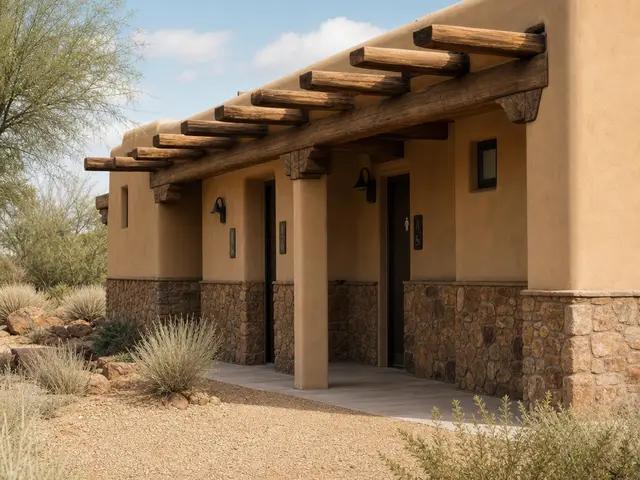
— References
References to explore
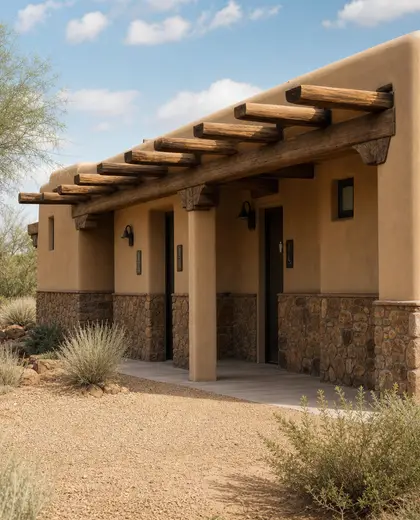
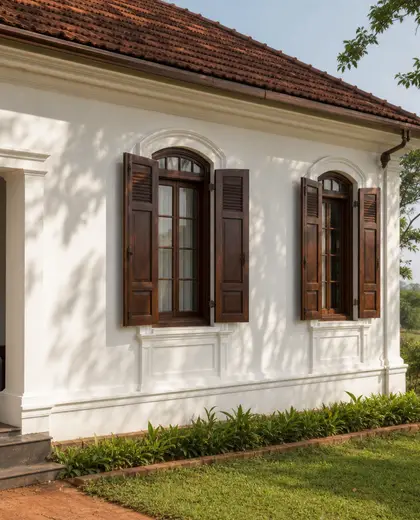
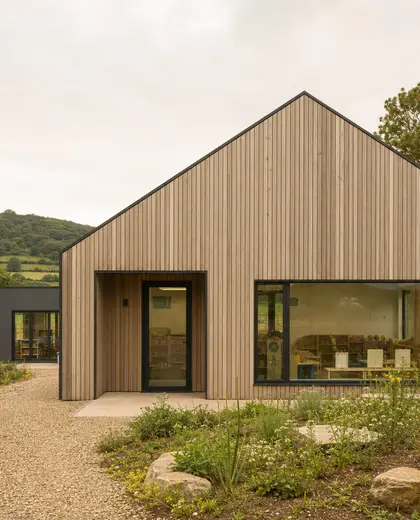
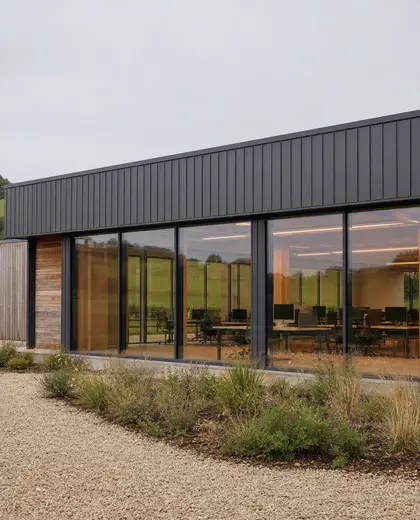
What makes a facade feel rural rather than suburban?
Rural facades usually rely on simpler forms, natural materials, and a palette that blends with the site. They avoid overly polished finishes and decorative complexity.
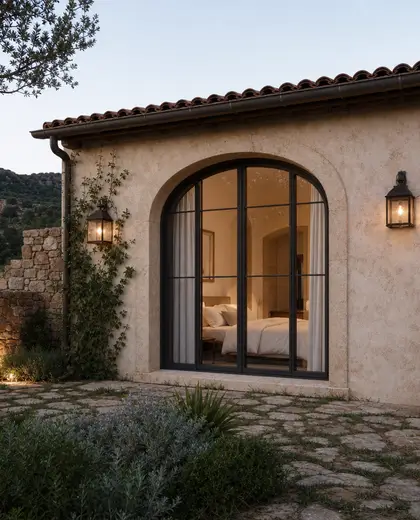
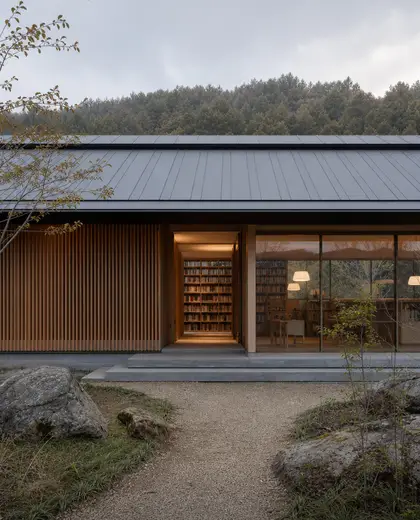
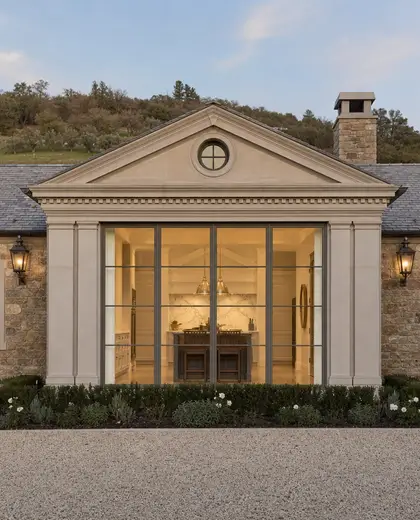
Can a rural facade still look modern?
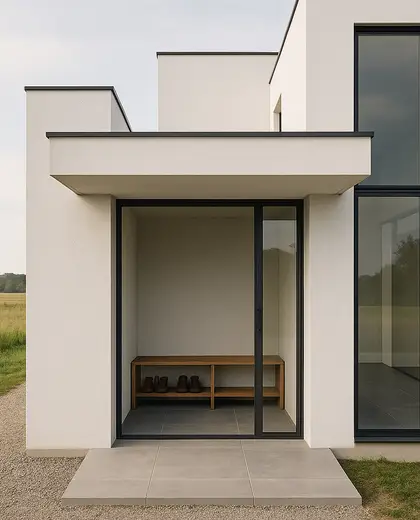
Yes. A modern rural facade often uses clean lines, minimal detailing, and traditional materials in a more streamlined way. The key is keeping the massing and finishes calm and site-sensitive.
Which materials work best for a rural facade?
Materials that weather well and feel authentic are the best fit, such as timber, stone, brick, and lime-based renders. The right choice depends on climate, maintenance expectations, and the character of the surrounding landscape.
— The style
What defines it
Timber cladding, local stone, brick, lime plaster, corrugated metal, and treated wood are typical.
Soft whites, greys, clay, brown, charcoal, and weathered natural tones dominate.
Often paired with pitched roofs, barn-inspired forms, large sheltered openings, and restrained detailing.
— Professionals
Who has already built it
- LoftRobejoiners · Guildford · 4 projectsView profile →
- Beneito Faurelighting designers · 2 projectsView profile →
- Lusso Stonetile suppliers · Stocktonontees · 7 projectsView profile →
- elizabeth bee interior deinterior designers · 4 projectsView profile →
— Questions
Frequently asked questions
What makes a facade feel rural rather than suburban?
Rural facades usually rely on simpler forms, natural materials, and a palette that blends with the site. They avoid overly polished finishes and decorative complexity.
Can a rural facade still look modern?
Yes. A modern rural facade often uses clean lines, minimal detailing, and traditional materials in a more streamlined way. The key is keeping the massing and finishes calm and site-sensitive.
Which materials work best for a rural facade?
Materials that weather well and feel authentic are the best fit, such as timber, stone, brick, and lime-based renders. The right choice depends on climate, maintenance expectations, and the character of the surrounding landscape.