— Ideas & inspiration
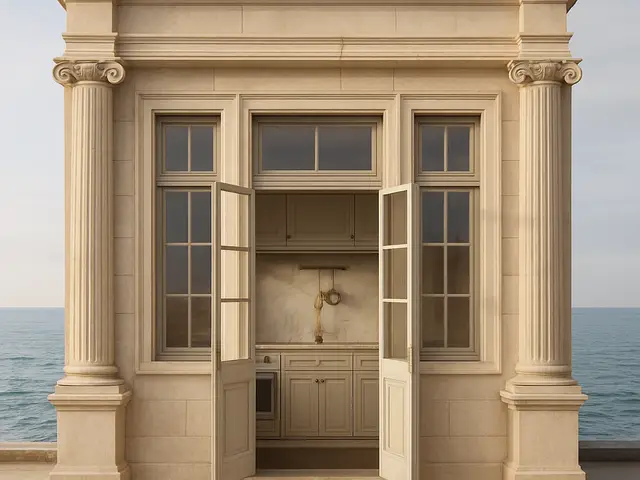
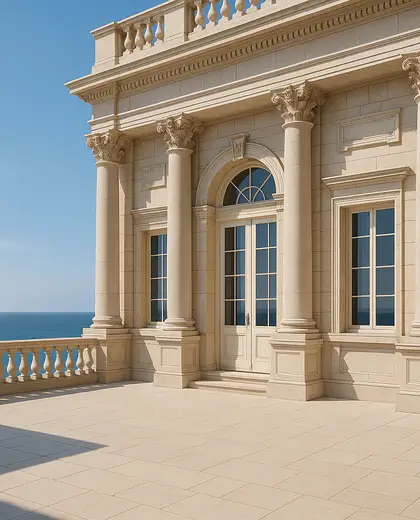
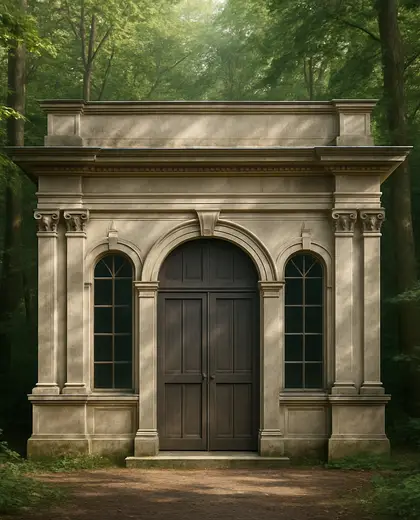
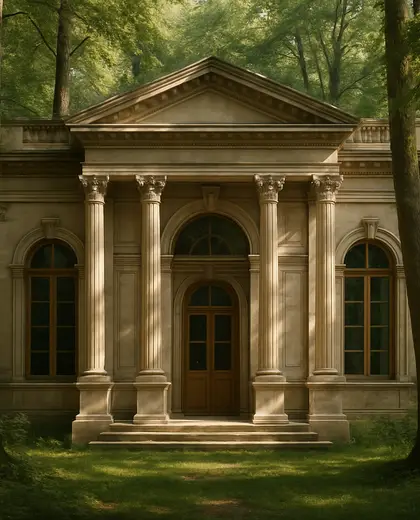
Neoclassical facade with balanced proportions and refined ornament
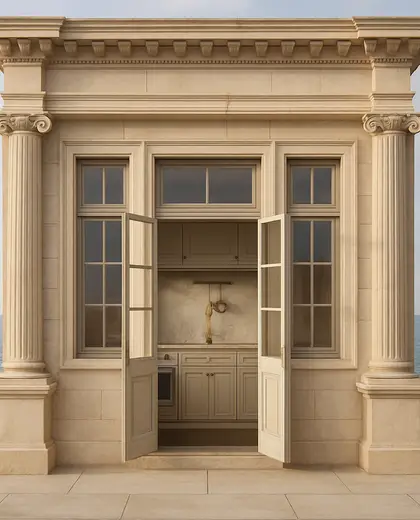
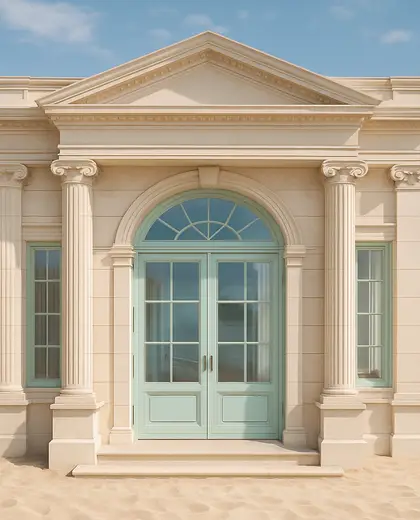
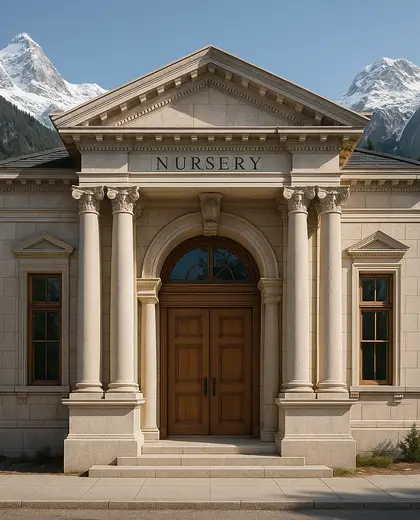
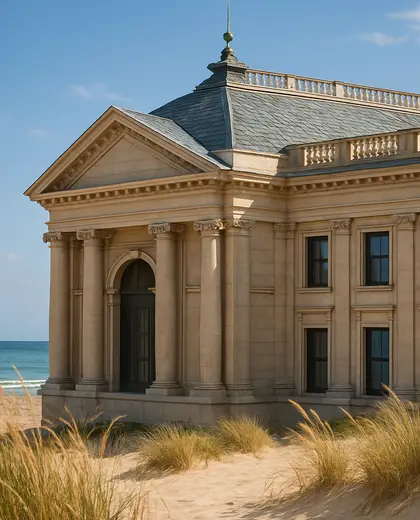
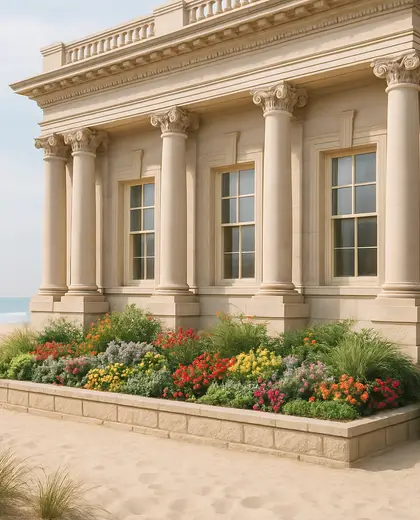
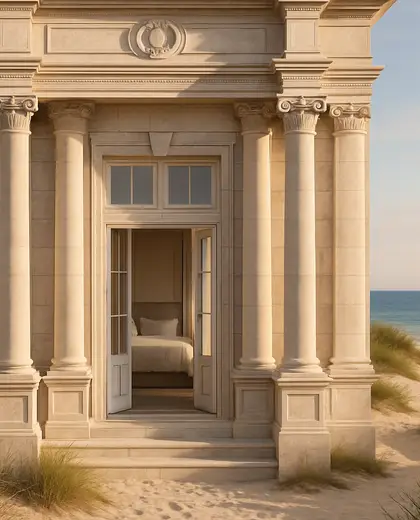
A neoclassical facade is defined by symmetrical composition, clear hierarchy, and restrained classical detailing. It often uses stone, stucco, or smooth rendered surfaces, with columns or pilasters, cornices, pediments, and evenly spaced openings that give the exterior a formal, composed presence. The look is usually crisp and elegant rather than ornate, with ornament concentrated at entrances, windows, and rooflines.
- facade
- neoclassical
— References
References to explore
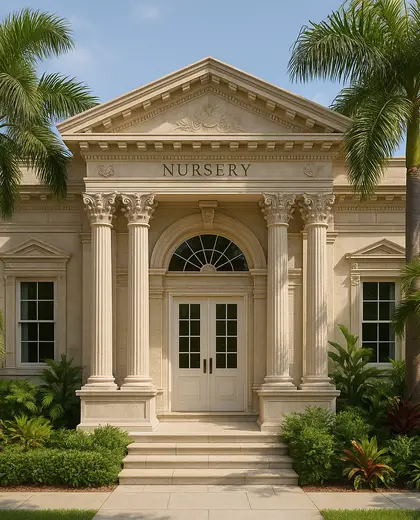
Is a neoclassical facade always very ornate?
No. Many neoclassical facades are deliberately restrained, using proportion and symmetry more than heavy decoration. The ornament is usually focused on key features like the entrance, cornice, or window surrounds.
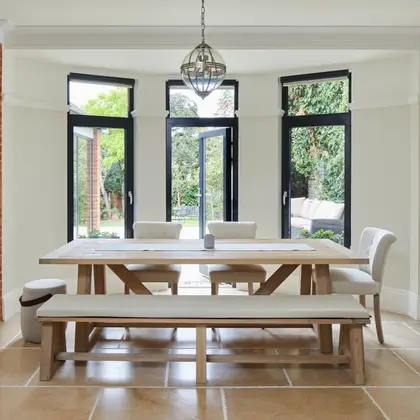

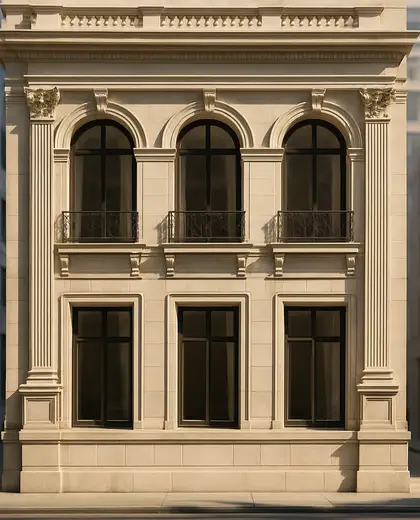
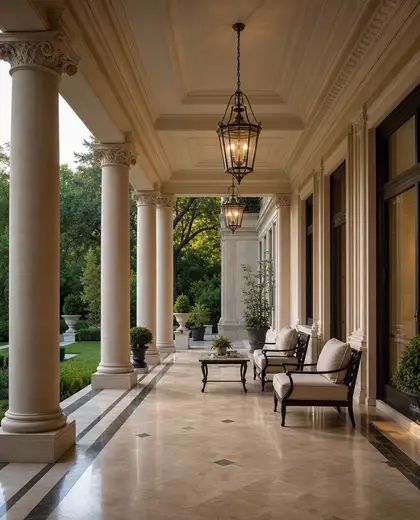
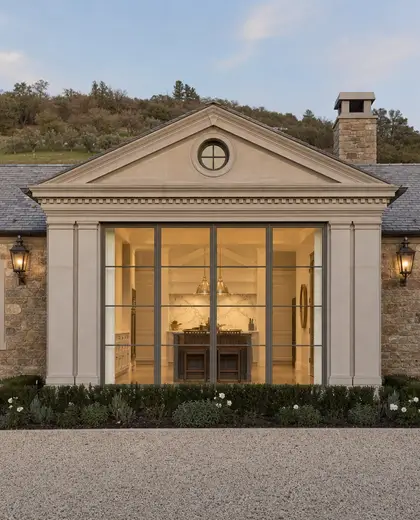
What materials work best for a neoclassical exterior?
Smooth stucco, plaster, stone cladding, and well-detailed trim are common because they support clean lines and classical moldings. The finish should read refined and even, not textured or overly rustic.
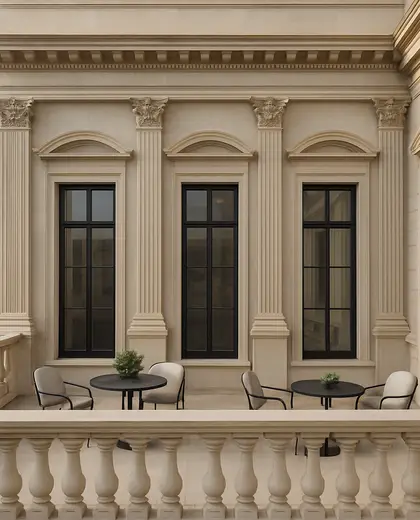
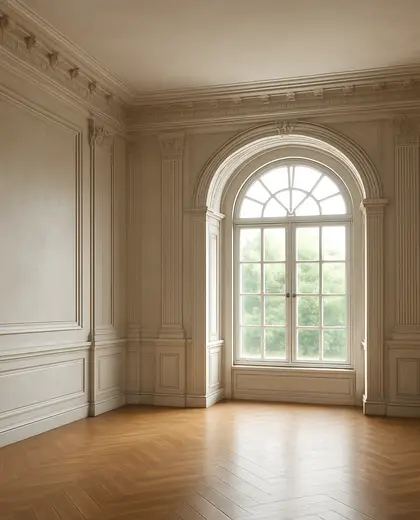
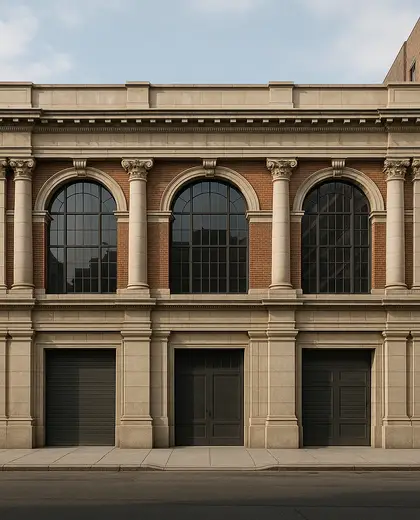
Can a neoclassical facade feel contemporary?
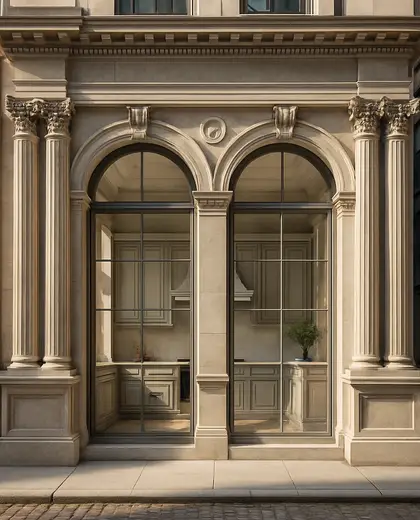
Yes, if the classical proportions are kept but the detailing is simplified. Larger glazing, cleaner moldings, and a limited palette can make the facade feel more current while still referencing neoclassical architecture.
— The style
What defines it
Stone, stucco, lime plaster, smooth render, and cast ornament are the most common choices.
Off-white, warm ivory, pale gray, sand, and muted stone tones are typical, often accented with darker metalwork or doors.
It pairs well with symmetrical window layouts, classical columns, wrought iron balconies, and formal entry portals.
— Professionals
Who has already built it
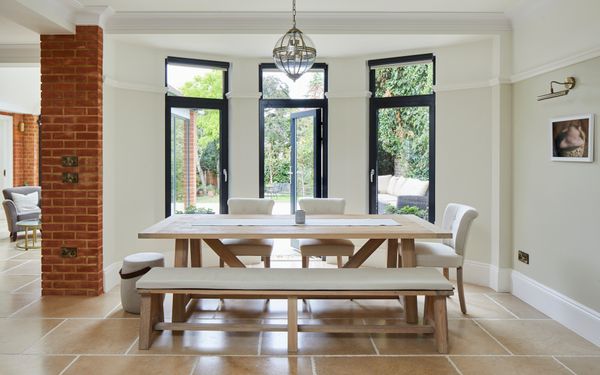

- paquis norris group limitedbuilders · Reading · 3 projectsView profile →
- LoftRobejoiners · Guildford · 4 projectsView profile →
- Beneito Faurelighting designers · 2 projectsView profile →
- Lusso Stonetile suppliers · Stocktonontees · 7 projectsView profile →
— Explore
Keep exploring
— Questions
Frequently asked questions
Is a neoclassical facade always very ornate?
No. Many neoclassical facades are deliberately restrained, using proportion and symmetry more than heavy decoration. The ornament is usually focused on key features like the entrance, cornice, or window surrounds.
What materials work best for a neoclassical exterior?
Smooth stucco, plaster, stone cladding, and well-detailed trim are common because they support clean lines and classical moldings. The finish should read refined and even, not textured or overly rustic.
Can a neoclassical facade feel contemporary?
Yes, if the classical proportions are kept but the detailing is simplified. Larger glazing, cleaner moldings, and a limited palette can make the facade feel more current while still referencing neoclassical architecture.