— Ideas & inspiration
A coastal facade with salt-weathered calm
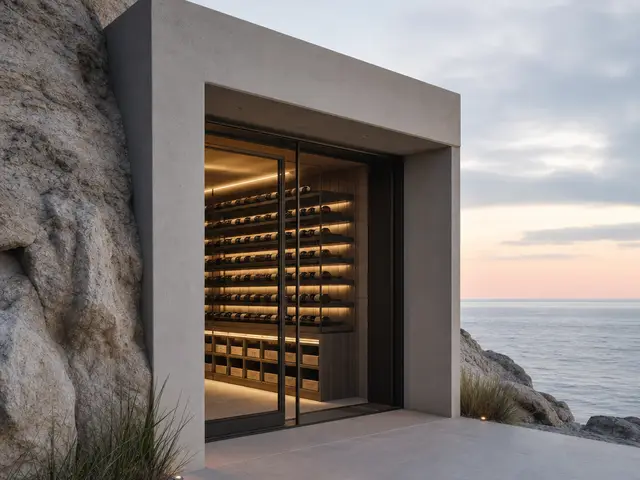
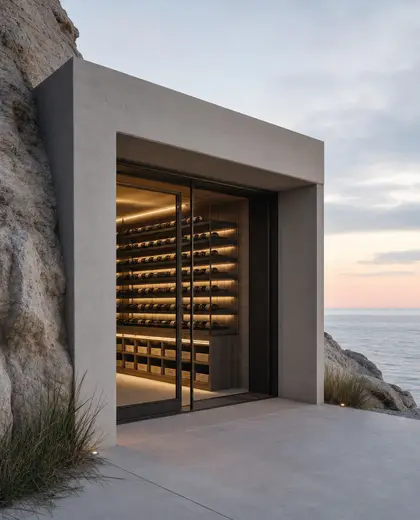
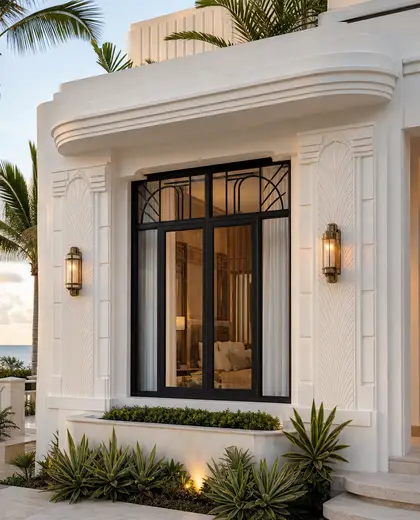
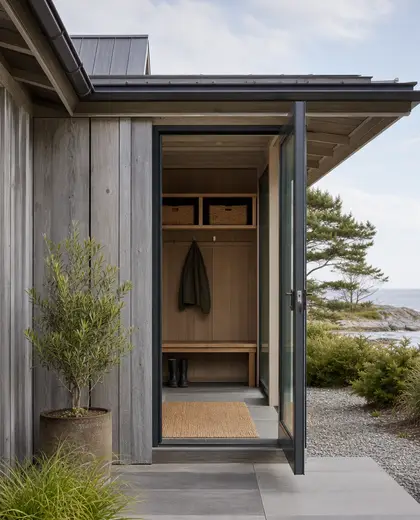
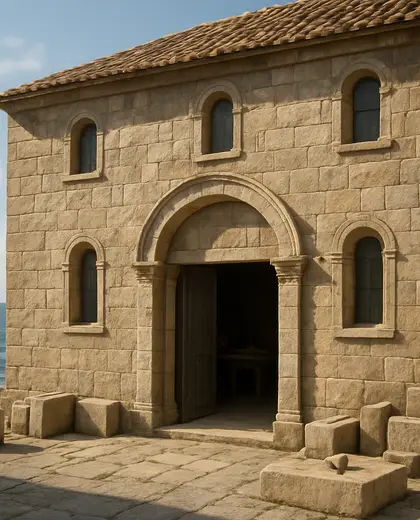
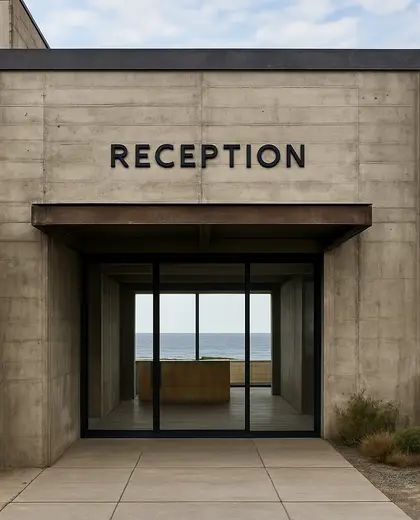
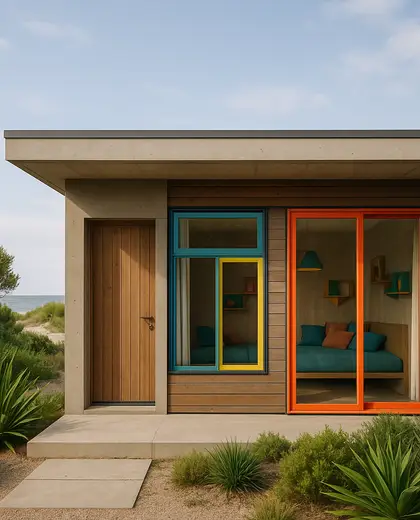
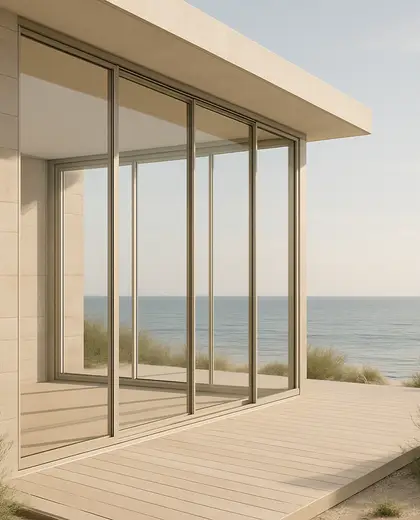
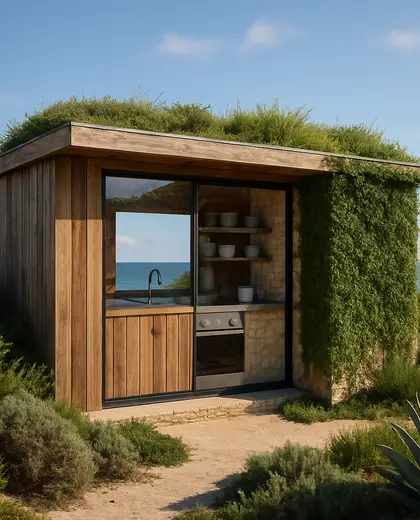
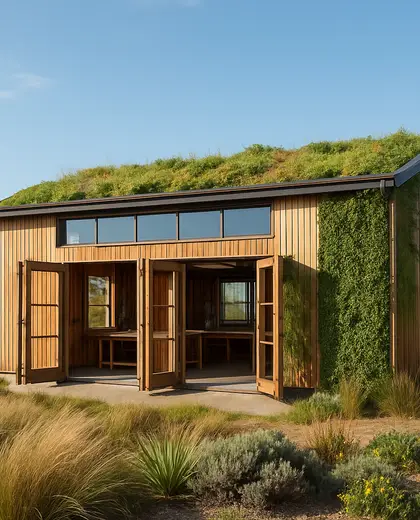
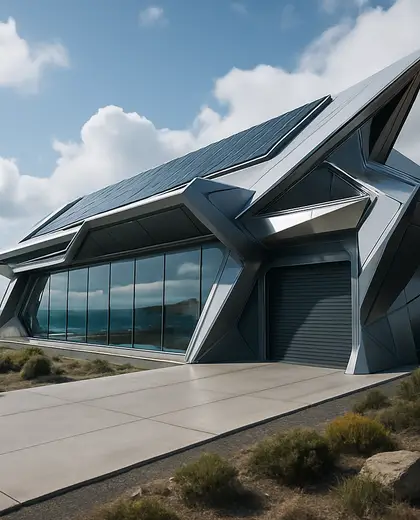
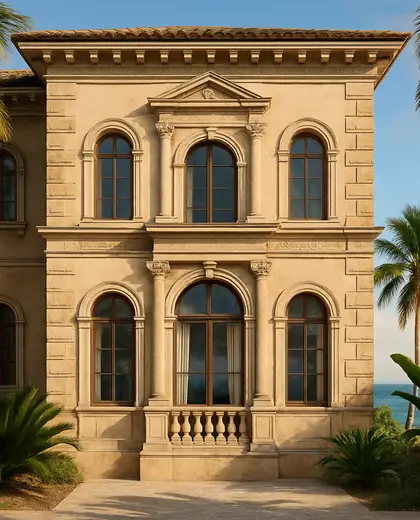
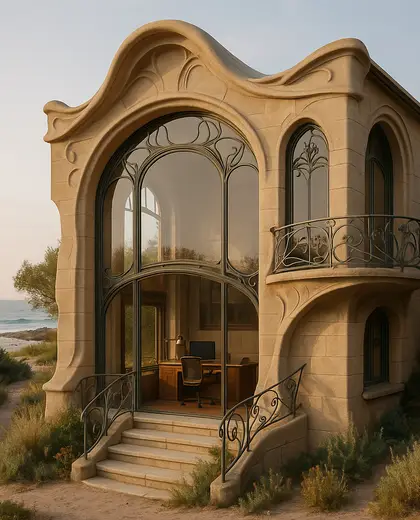
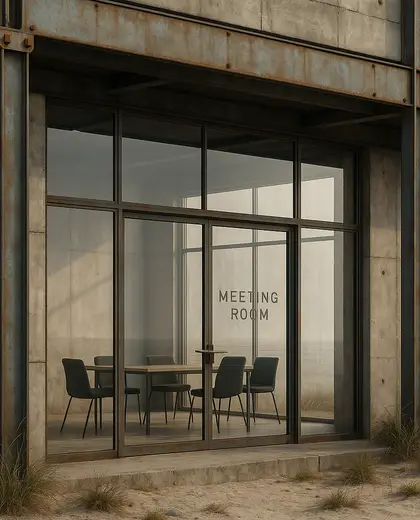
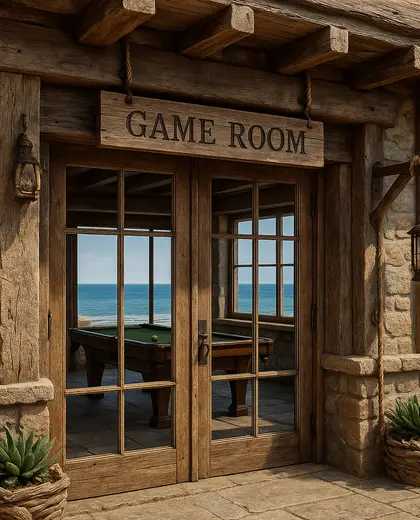
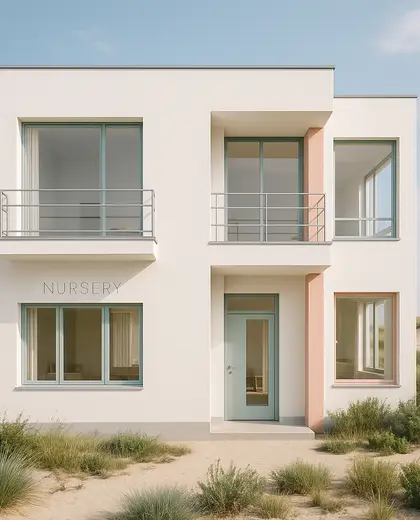
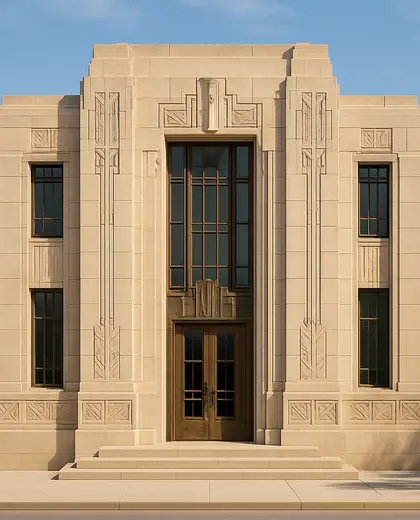
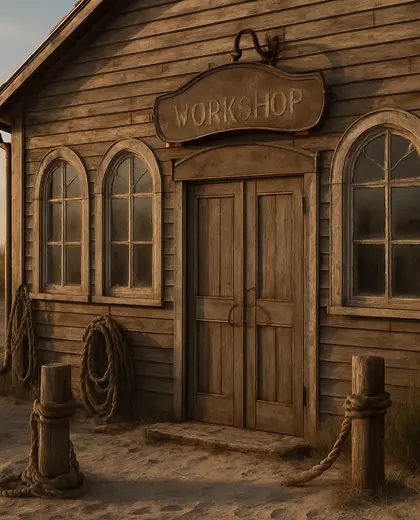
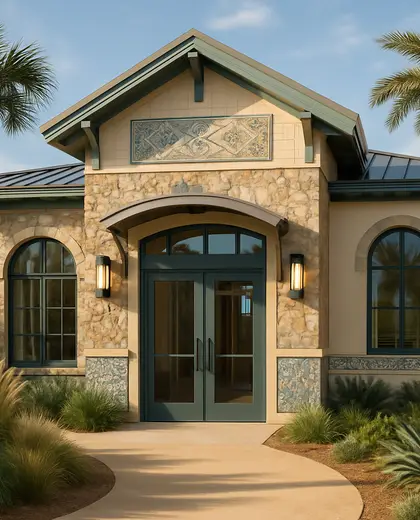
A coastal facade is defined by weather-resistant cladding, broad openings, and details that stand up to wind, sun, and salt air. Common choices include timber, fiber cement, stucco, stone, and metal, often paired with shaded terraces, deep overhangs, and crisp trim. The palette usually stays light and muted, with whites, sand, gray, driftwood tones, and blue accents.
- facade
- coastal
— References
References to explore
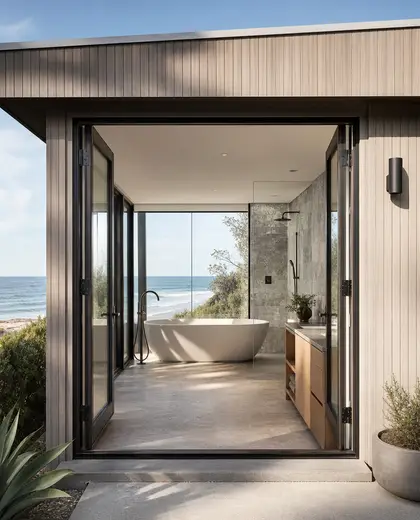
What makes a facade feel coastal without looking themed?
Use a restrained material palette, light colors, and practical elements like shading, glazing, and weather-resistant finishes. Avoid too many decorative nautical details.
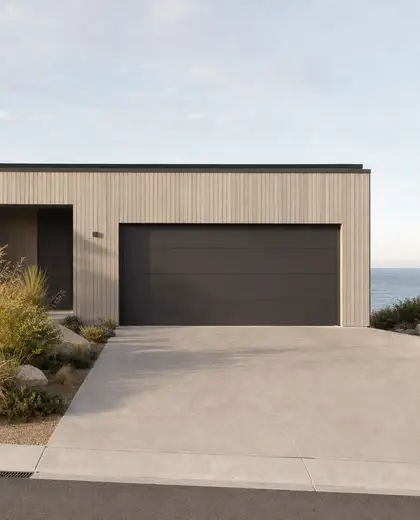
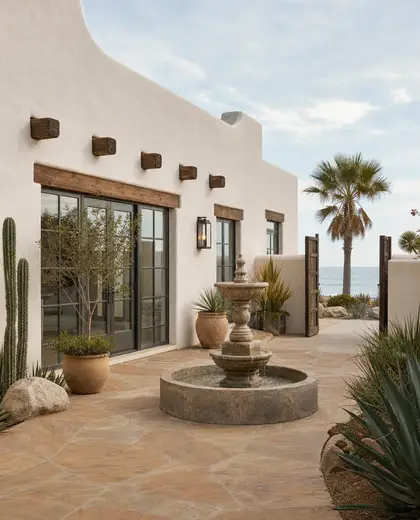
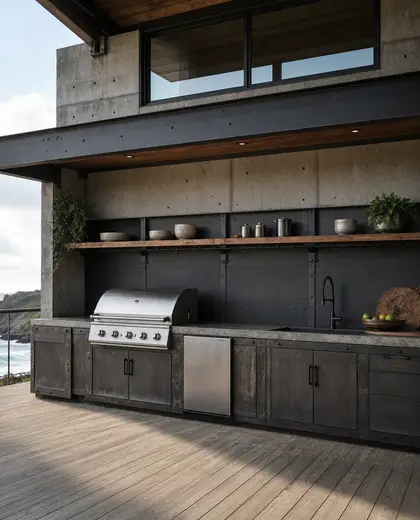
Which materials hold up best in a coastal environment?
Corrosion-resistant metal, properly sealed timber, fiber cement, stucco, and dense stone are common choices. The best option depends on exposure to salt, wind, and moisture.
Can this style work away from the beach?
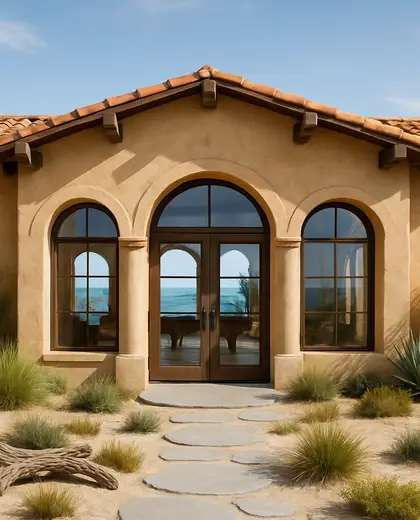
Yes. The look can be adapted inland by using the same light palette, layered shading, and breezy proportions. The result reads coastal without needing an ocean view.
— The style
What defines it
Timber, fiber cement, stucco, stone, and corrosion-resistant metal are common for durability near the sea.
Soft whites, beige, sand, pale gray, and weathered wood tones keep the facade bright and relaxed.
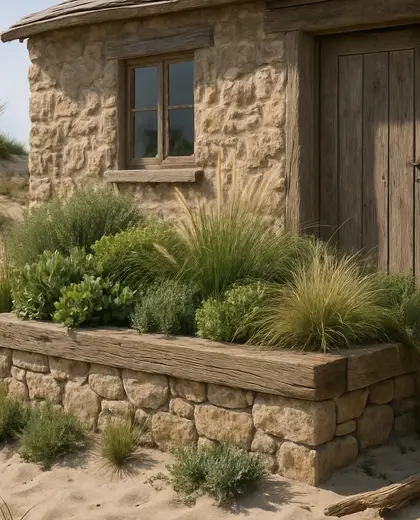
Works well with shaded balconies, generous glazing, louvered screens, and simple coastal landscaping.
— Professionals
Who has already built it
- vorbild architecturearchitects · 6 projectsView profile →
- kerem erbagci3d renderers · London · 9 projectsView profile →
- paquis norris group limitedbuilders · Reading · 3 projectsView profile →
- LoftRobejoiners · Guildford · 4 projectsView profile →
— Questions
Frequently asked questions
What makes a facade feel coastal without looking themed?
Use a restrained material palette, light colors, and practical elements like shading, glazing, and weather-resistant finishes. Avoid too many decorative nautical details.
Which materials hold up best in a coastal environment?
Corrosion-resistant metal, properly sealed timber, fiber cement, stucco, and dense stone are common choices. The best option depends on exposure to salt, wind, and moisture.
Can this style work away from the beach?
Yes. The look can be adapted inland by using the same light palette, layered shading, and breezy proportions. The result reads coastal without needing an ocean view.