— Ideas & inspiration
Building in the rural landscape
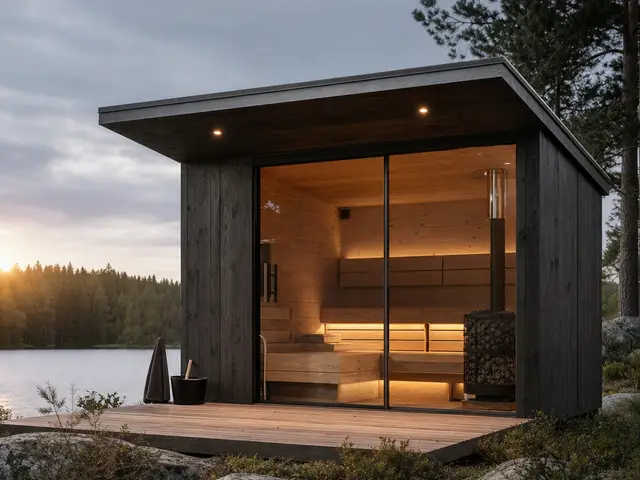
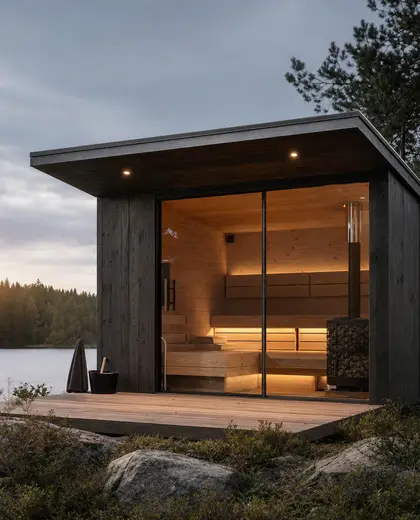
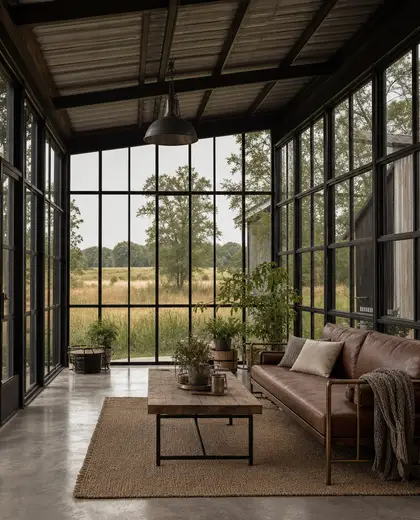
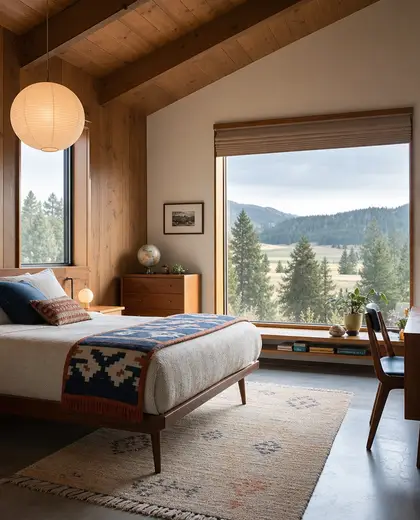
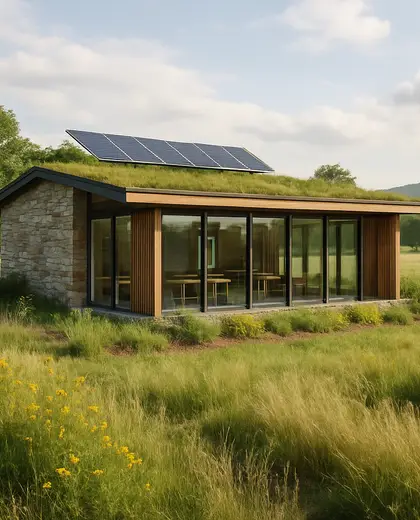
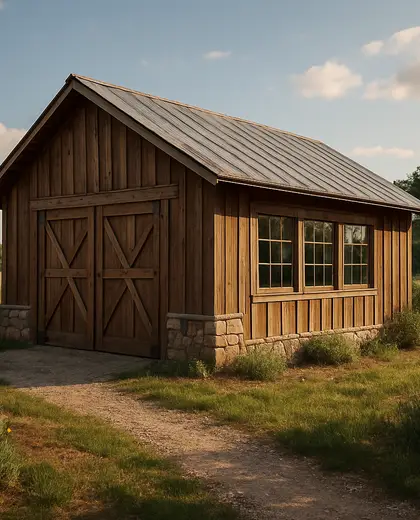
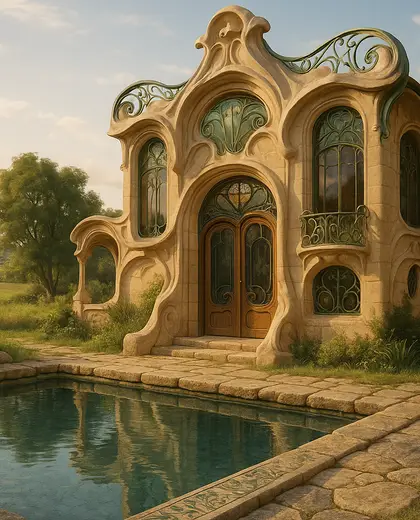
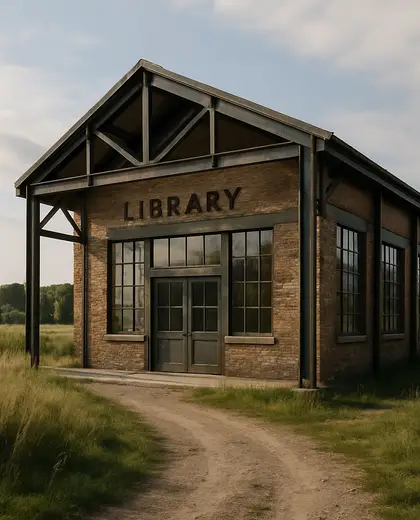
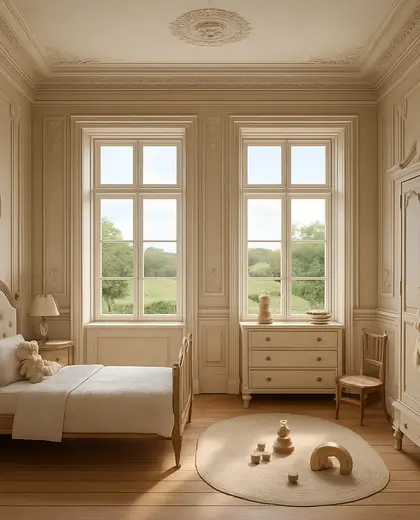
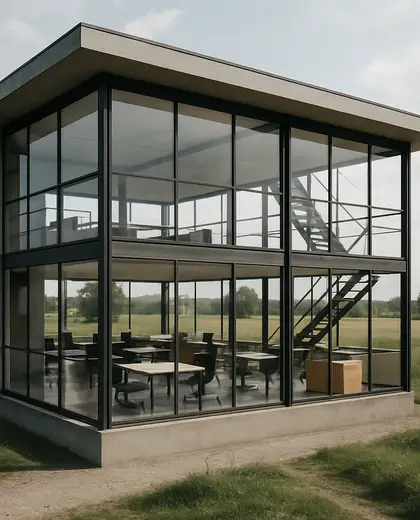
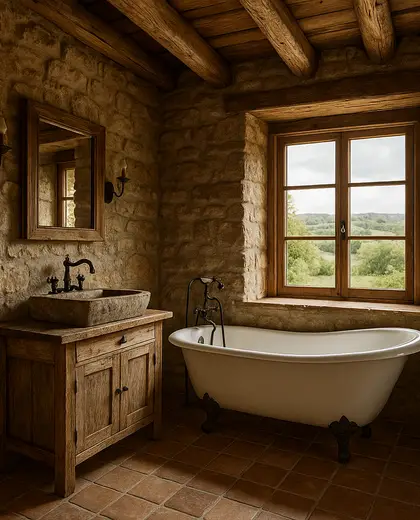
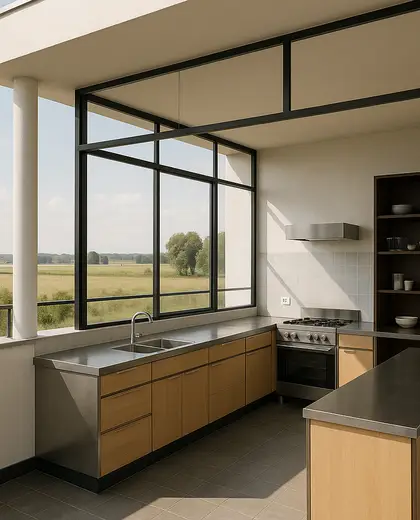
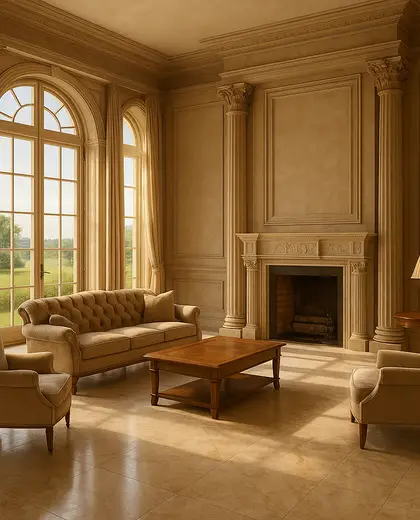
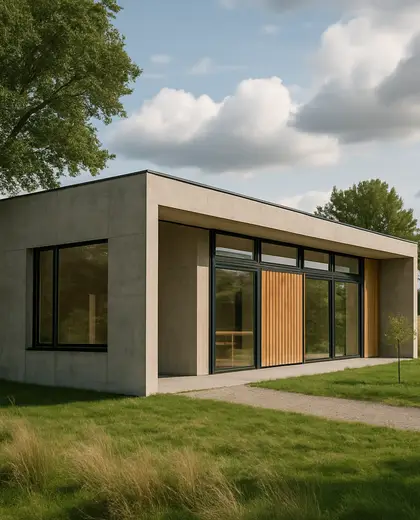
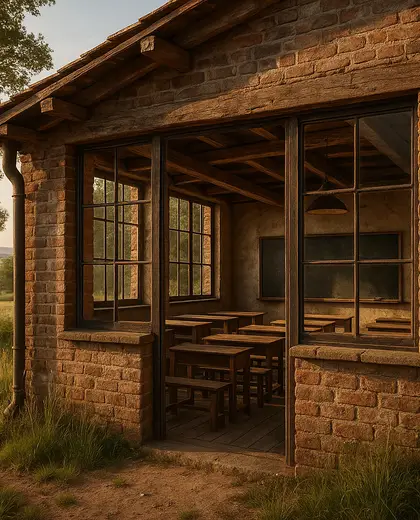
This composition is defined by simple volumes, pitched or low-slung rooflines, and materials that feel familiar to the countryside, such as timber, stone, brick, and weathered metal. The palette is usually muted and earthy, with natural greys, browns, off-whites, and soft greens that sit quietly in open land. Large openings, sheltered thresholds, and practical detailing help the building connect to fields, gardens, and changing weather.
- building
- rural
— References
References to explore
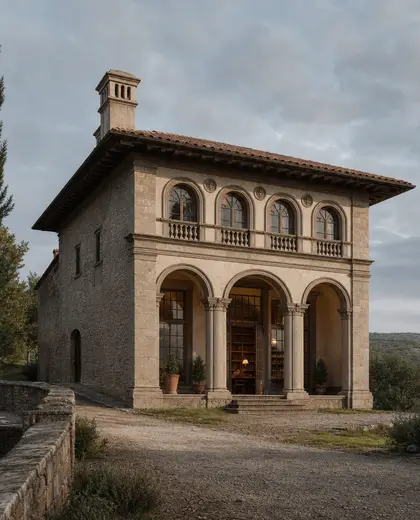
What makes a building feel rural rather than suburban?
Rural buildings usually use simpler forms, fewer decorative details, and materials that age naturally. They also respond more directly to landscape, wind, and daylight.
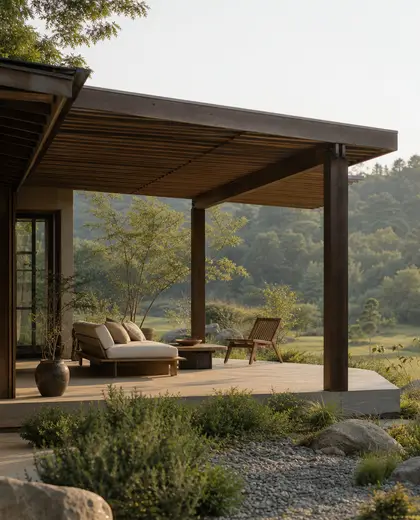
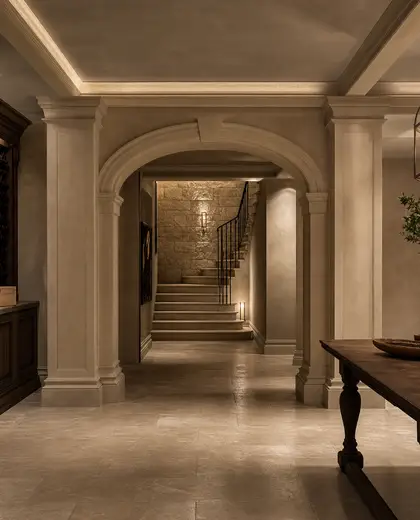
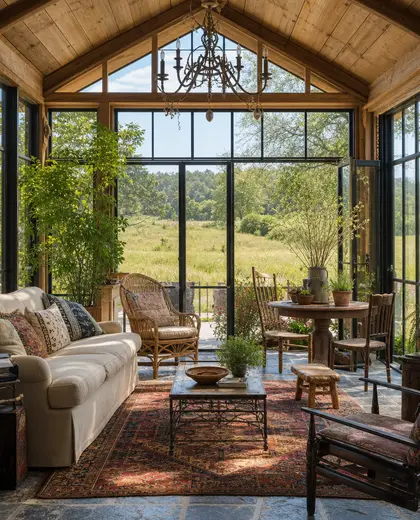
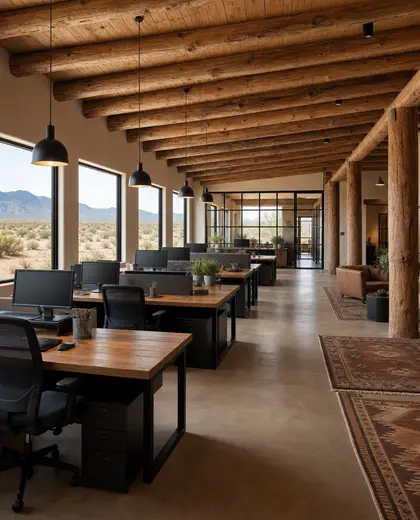
Can a rural building still feel contemporary?
Yes. Contemporary rural design often keeps the same restrained massing and natural materials, but uses cleaner lines, larger glazing, and more precise detailing.
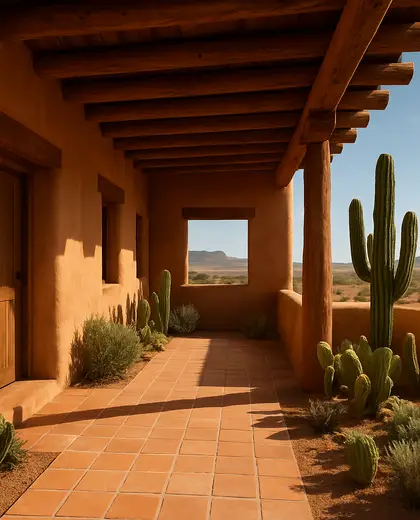
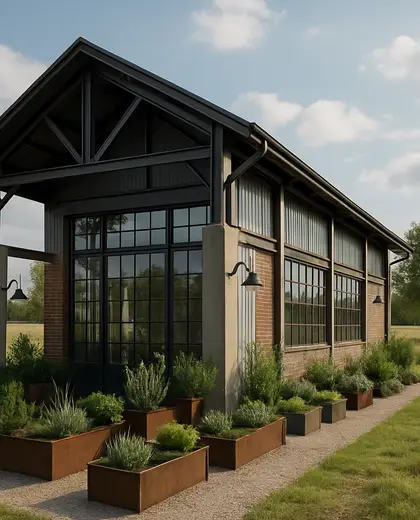
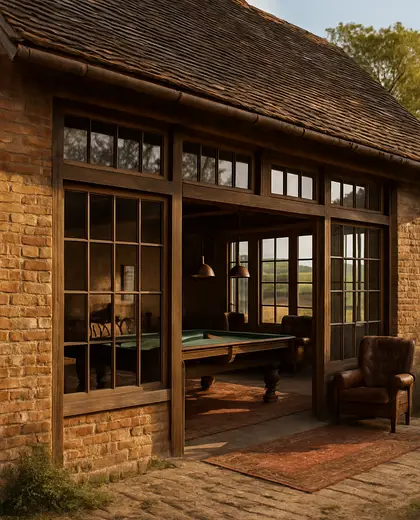
What finishes work best for a rural setting?
Finishes that are matte, natural, or softly weathered tend to work best. Avoid overly glossy surfaces if you want the building to sit comfortably in the landscape.
— The style
What defines it
Timber, stone, brick, concrete, and standing-seam metal are common, often left with natural or lightly weathered finishes.
Earth tones, faded neutrals, and subdued greens or greys create a calm visual link to the surrounding land.
It pairs well with agricultural views, gardens, barns, outbuildings, hedgerows, and open plots with long sightlines.
— Professionals
Who has already built it
- vorbild architecturearchitects · 6 projectsView profile →
- kerem erbagci3d renderers · London · 9 projectsView profile →
- paquis norris group limitedbuilders · Reading · 3 projectsView profile →
- LoftRobejoiners · Guildford · 4 projectsView profile →
— Explore
Keep exploring
— Questions
Frequently asked questions
What makes a building feel rural rather than suburban?
Rural buildings usually use simpler forms, fewer decorative details, and materials that age naturally. They also respond more directly to landscape, wind, and daylight.
Can a rural building still feel contemporary?
Yes. Contemporary rural design often keeps the same restrained massing and natural materials, but uses cleaner lines, larger glazing, and more precise detailing.
What finishes work best for a rural setting?
Finishes that are matte, natural, or softly weathered tend to work best. Avoid overly glossy surfaces if you want the building to sit comfortably in the landscape.