— Ideas & inspiration
Coastal public spaces shaped by wind, salt, and open horizons
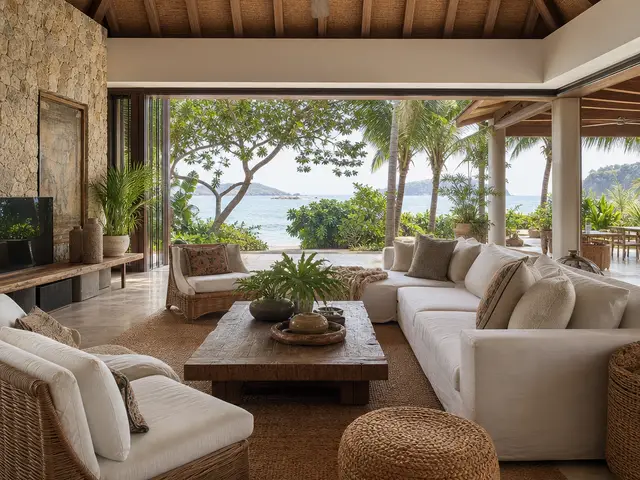
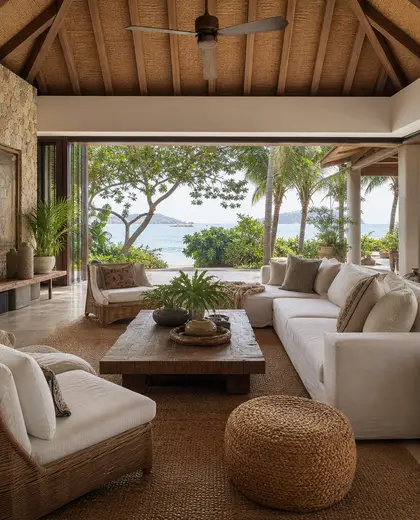
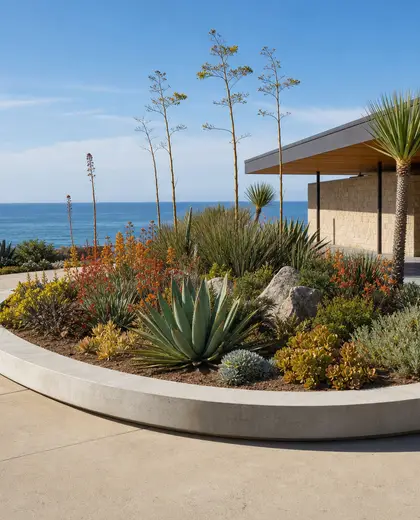
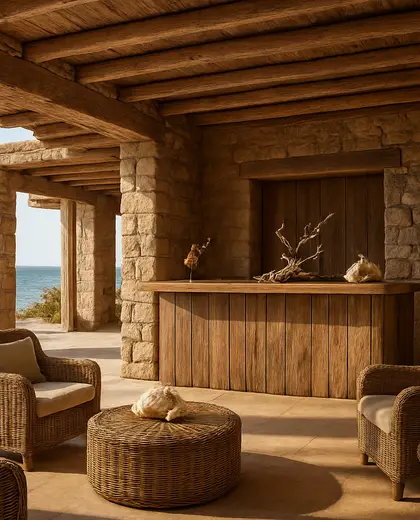
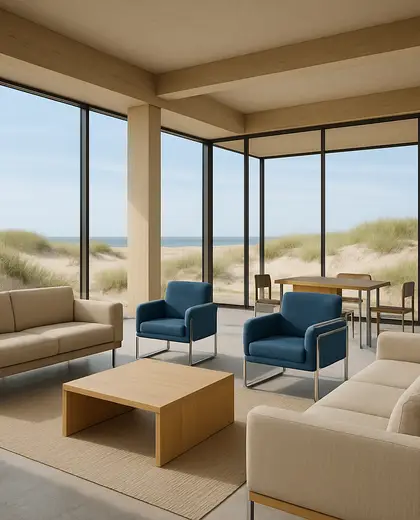
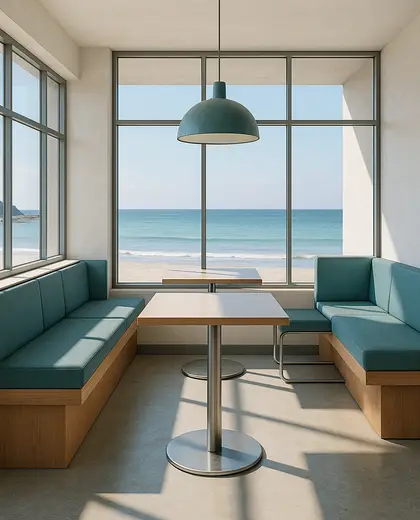
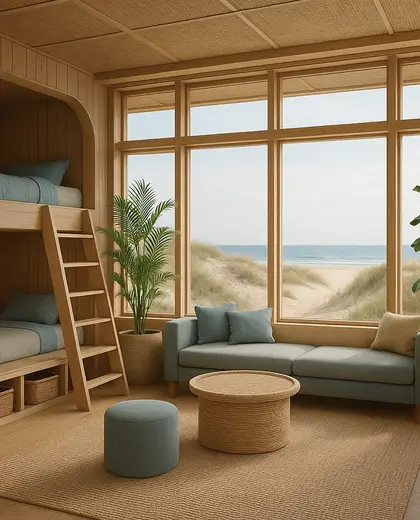
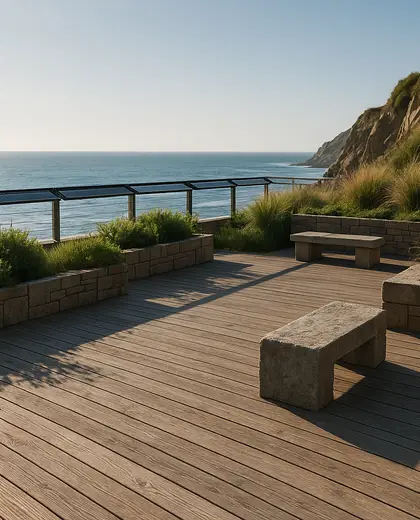
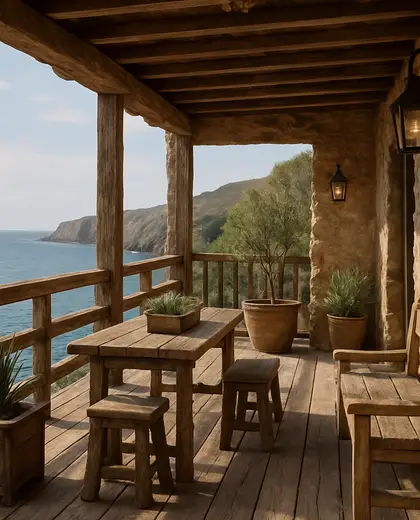
This composition is defined by weather-resistant materials, open circulation, and elements that frame views rather than block them. Typical choices include stone, concrete, timber, and metal in finishes that can handle salt air, paired with shaded seating, low walls, and durable paving. The palette usually stays light and weathered, with sand, driftwood, off-white, grey, and sea-washed blue.
- public space
- coastal
— References
References to explore
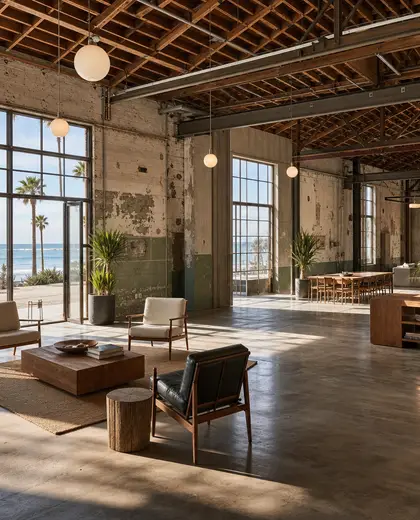
What makes a public space feel coastal without becoming themed?
Use durable, simple forms and materials that respond to the site, then keep colors and details restrained. Subtle references to shoreline textures and light work better than decorative motifs.
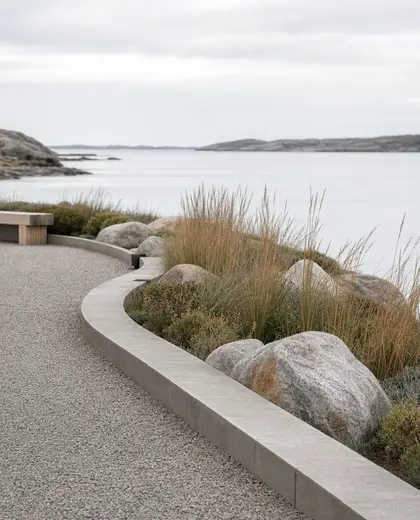
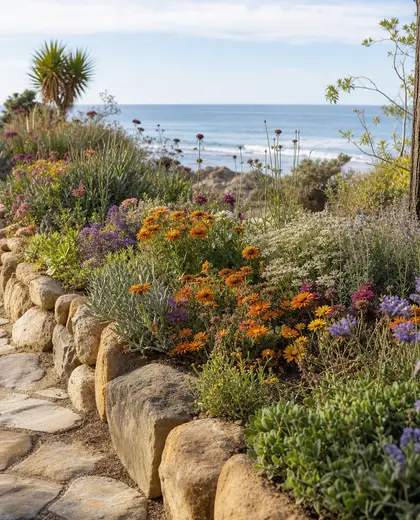
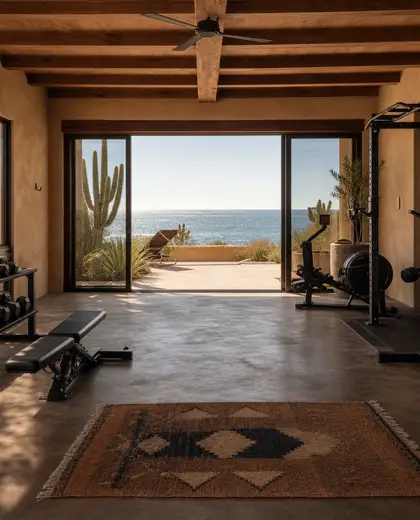
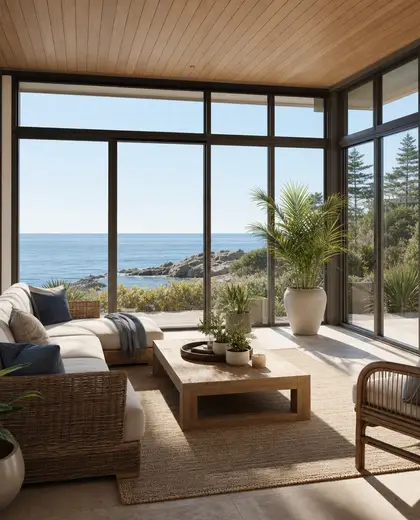
Which materials hold up best near the sea?
Stone, reinforced concrete, marine-grade metal, and properly detailed hardwoods are common choices. The key is corrosion resistance, drainage, and finishes that age well in salt air.
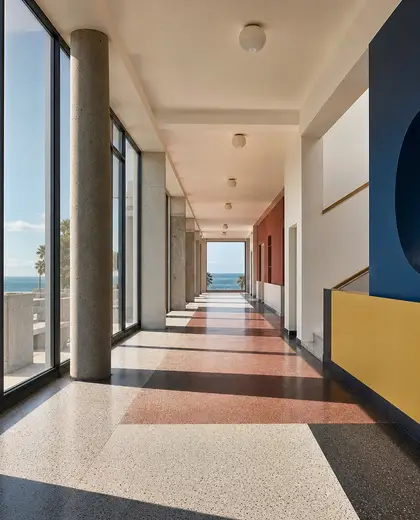
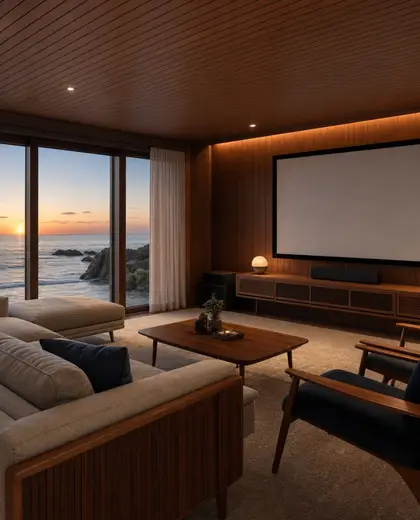
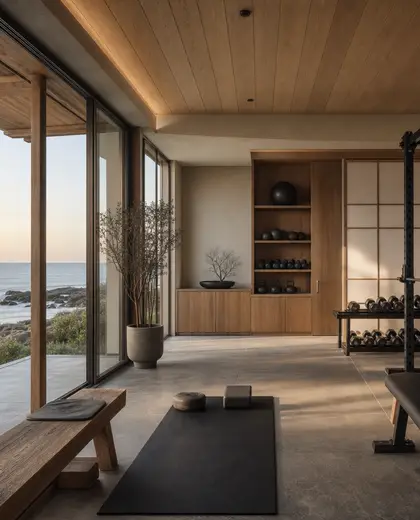
Can this style work in a small plaza or entry space?
Yes. A compact coastal public space can still feel open by using low seating, permeable paving, light colors, and clear sightlines to the water or horizon, even if those views are partial.
— The style
What defines it
Concrete, stone, hardwoods, galvanized or powder-coated metal, and textured paving that withstands coastal exposure.
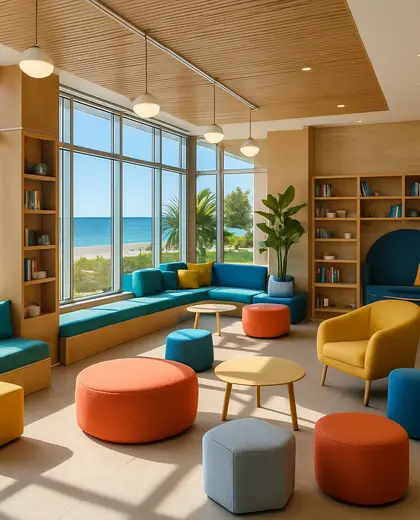
Soft neutrals and weathered tones: sand, chalk white, grey, muted blue, and faded timber.
Open promenades, benches, steps, retaining walls, planting, railings, and wind-screening elements designed for public use.
— Professionals
Who has already built it
- vorbild architecturearchitects · 6 projectsView profile →
- kerem erbagci3d renderers · London · 9 projectsView profile →
- paquis norris group limitedbuilders · Reading · 3 projectsView profile →
- LoftRobejoiners · Guildford · 4 projectsView profile →
— Questions
Frequently asked questions
What makes a public space feel coastal without becoming themed?
Use durable, simple forms and materials that respond to the site, then keep colors and details restrained. Subtle references to shoreline textures and light work better than decorative motifs.
Which materials hold up best near the sea?
Stone, reinforced concrete, marine-grade metal, and properly detailed hardwoods are common choices. The key is corrosion resistance, drainage, and finishes that age well in salt air.
Can this style work in a small plaza or entry space?
Yes. A compact coastal public space can still feel open by using low seating, permeable paving, light colors, and clear sightlines to the water or horizon, even if those views are partial.