— Ideas & inspiration
Public spaces shaped by mountain terrain
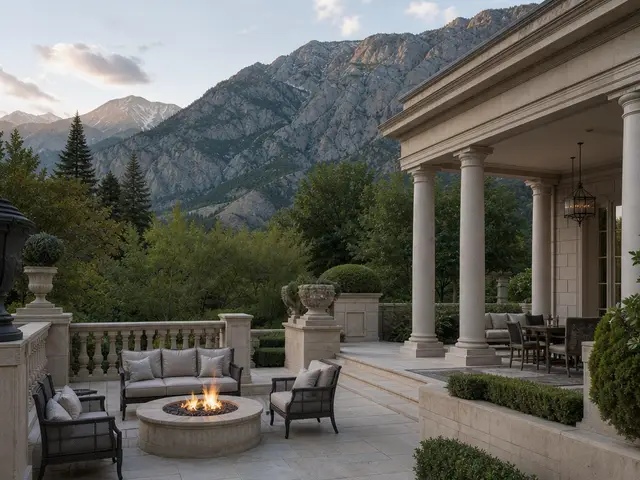
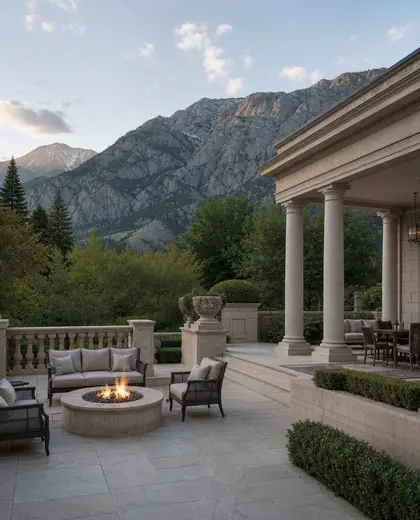
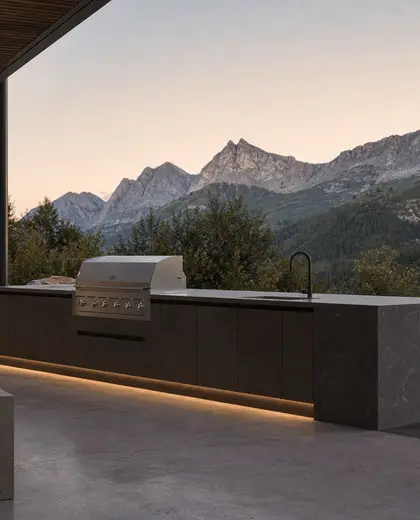
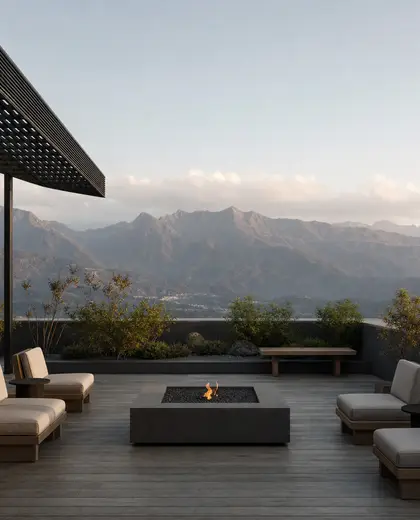
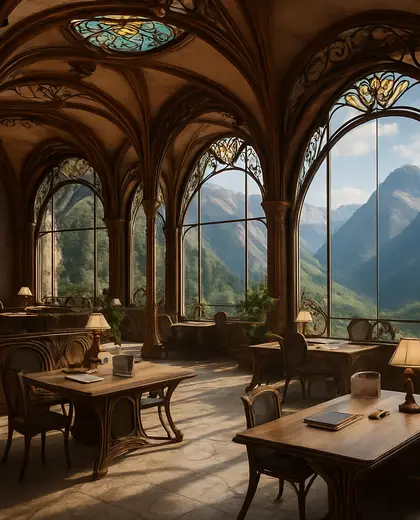
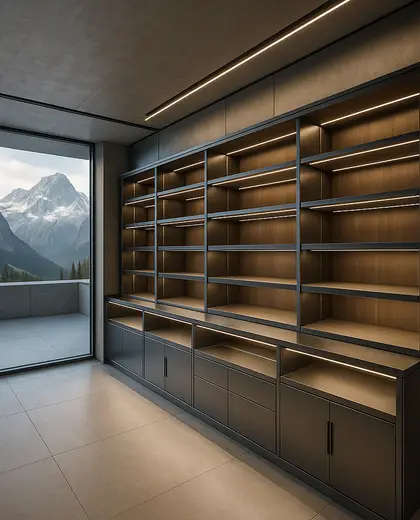
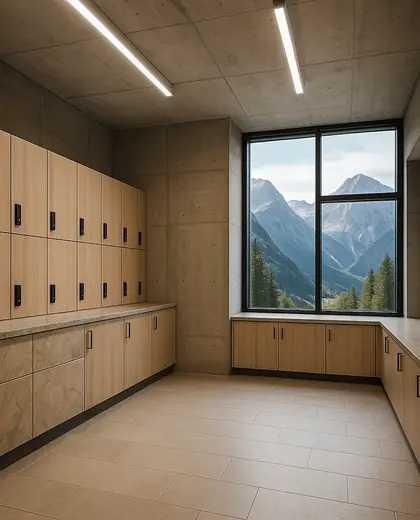
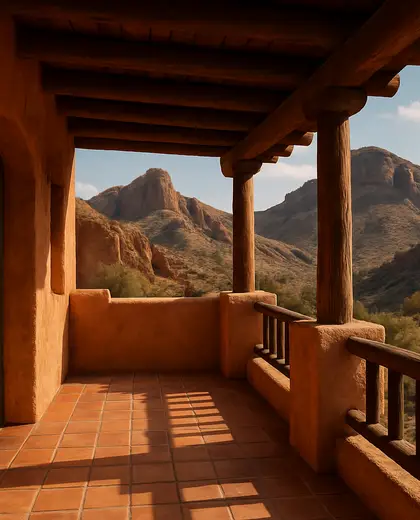
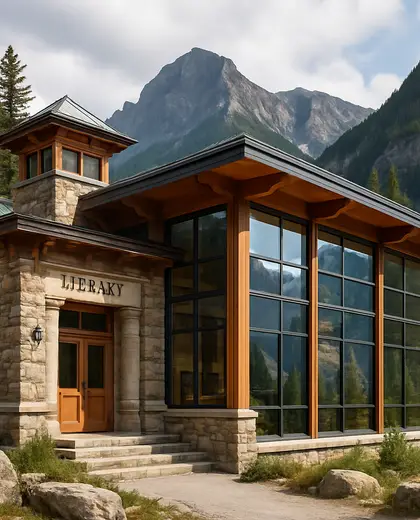
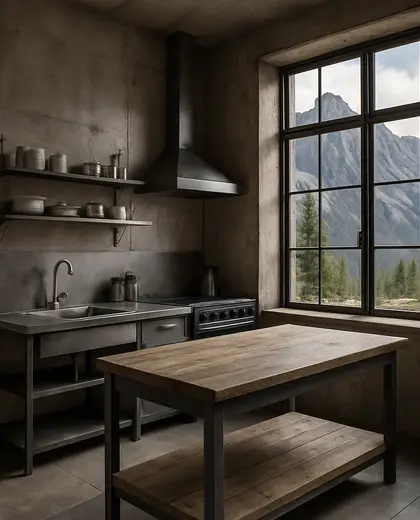
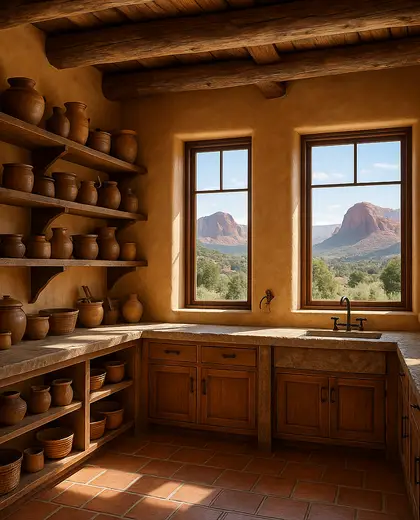
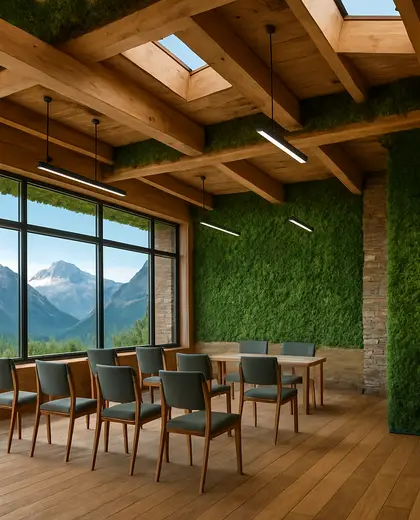
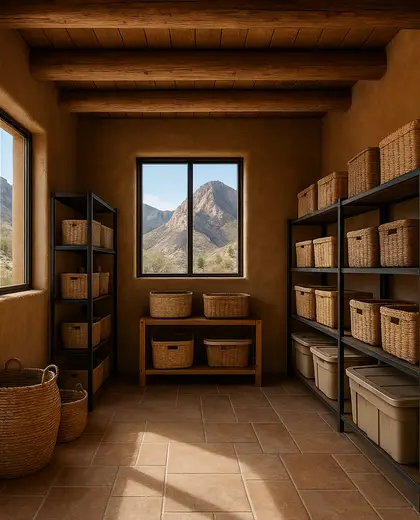
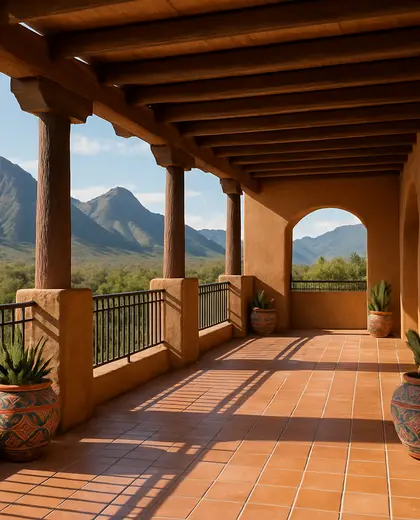
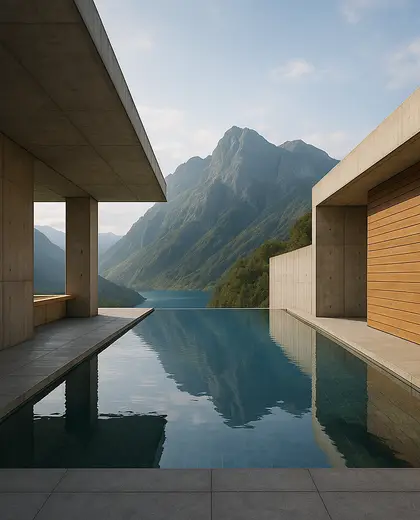
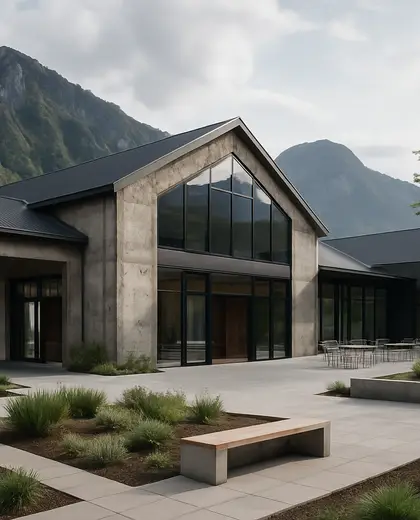
This composition is defined by durable, low-maintenance materials such as stone, concrete, weathering steel, timber, and glass, arranged to suit steep slopes, exposed edges, and changing light. The palette usually stays earthy and muted: greys, sand tones, dark brown, charcoal, and the natural color of rock and wood. Key elements include terraces, retaining walls, stepped circulation, sheltered overlooks, and open structures that frame views rather than block them.
- public space
- mountain
— References
References to explore
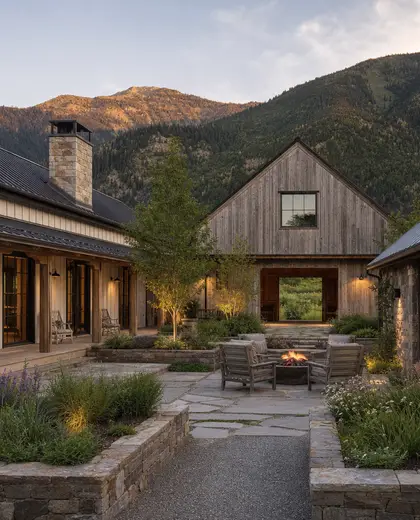
How is a public space on a mountain different from a flat-site public space?
It usually follows the terrain more closely, using stepped levels, ramps, and terraces instead of a single flat ground plane.
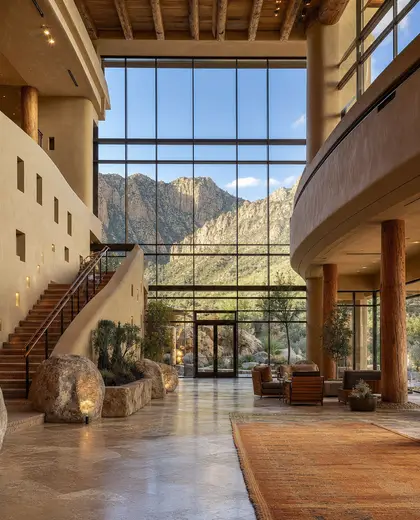
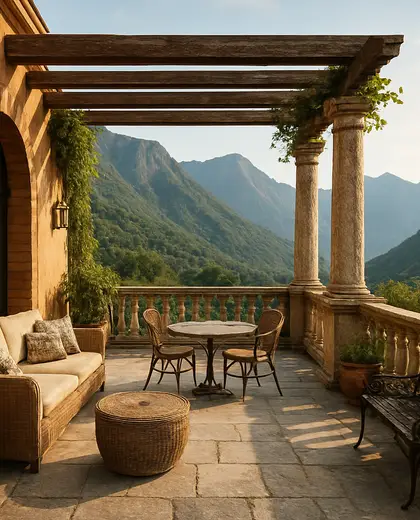
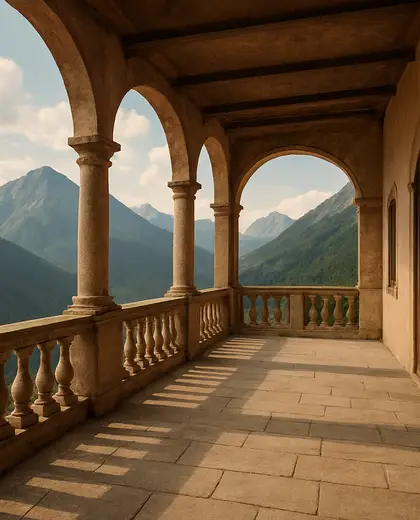
What materials work best in this setting?
Materials that resist weather and wear are best, especially stone, concrete, treated timber, and corrosion-resistant metal details.
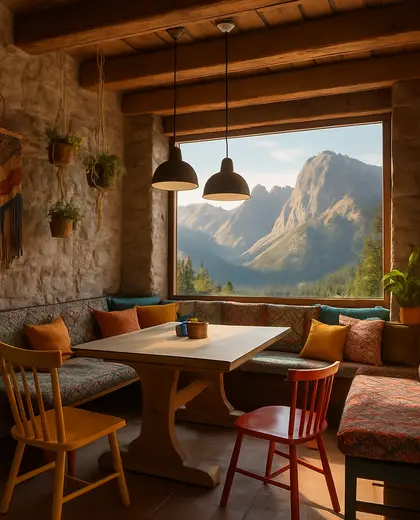
Can this style feel welcoming, or is it too rugged?
It can feel very welcoming when sheltered seating, clear circulation, warm wood surfaces, and well-placed lighting soften the harder landscape elements.
— The style
What defines it
Stone, board-formed concrete, timber decking, metal railings, and glass are common because they age well outdoors and handle uneven terrain.
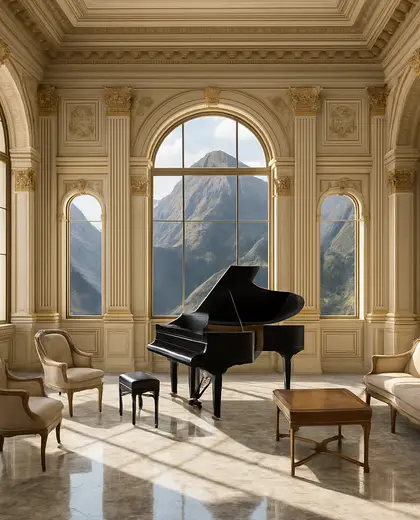
Muted earth tones dominate: granite grey, moss green, warm brown, rust, charcoal, and off-white.
It combines public gathering functions with landscape features such as paths, steps, platforms, lookout points, and wind protection.
— Professionals
Who has already built it
- kerem erbagci3d renderers · London · 9 projectsView profile →
- paquis norris group limitedbuilders · Reading · 3 projectsView profile →
- LoftRobejoiners · Guildford · 4 projectsView profile →
- Beneito Faurelighting designers · 2 projectsView profile →
— Questions
Frequently asked questions
How is a public space on a mountain different from a flat-site public space?
It usually follows the terrain more closely, using stepped levels, ramps, and terraces instead of a single flat ground plane.
What materials work best in this setting?
Materials that resist weather and wear are best, especially stone, concrete, treated timber, and corrosion-resistant metal details.
Can this style feel welcoming, or is it too rugged?
It can feel very welcoming when sheltered seating, clear circulation, warm wood surfaces, and well-placed lighting soften the harder landscape elements.