— Ideas & inspiration
Public life at the edge of the desert
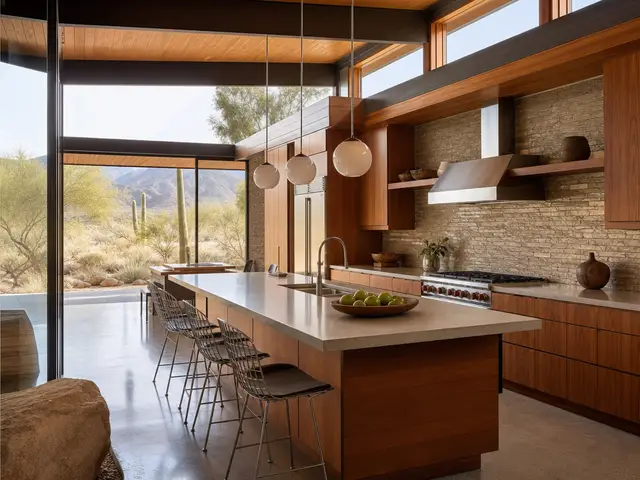
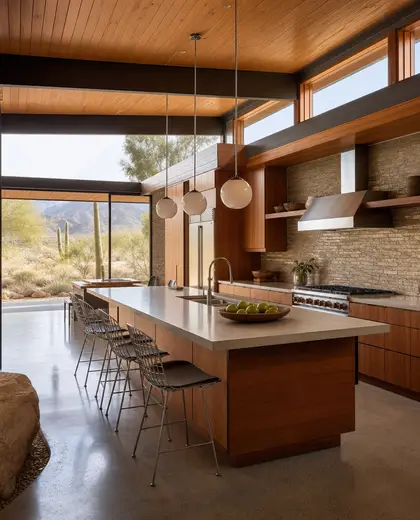
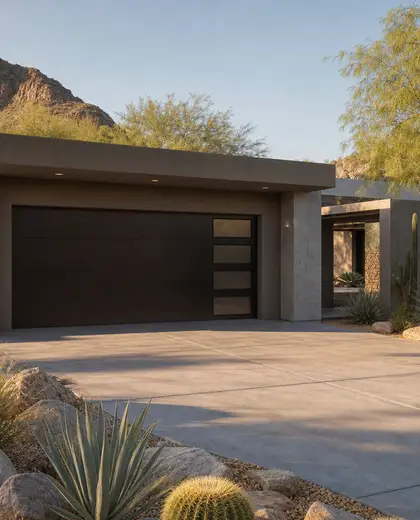
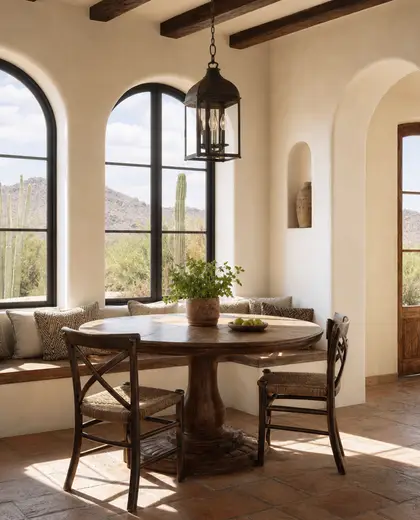
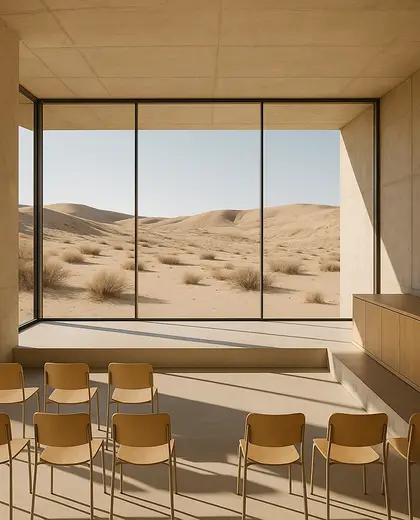
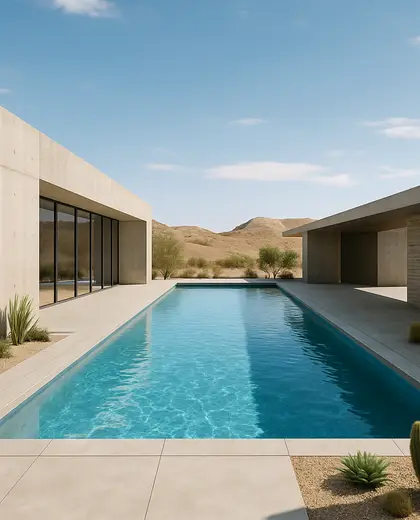
This composition is defined by open civic ground shaped for heat, shade, and gathering. It often uses stone, concrete, rammed earth, and weathered metal, with arcades, canopies, wind walls, planted courtyards, and strong ground planes that hold up in dry climates. The look is sparse and durable, with large voids, deep shadow, and a clear threshold between exposed and sheltered areas.
- public space
- desert
— References
References to explore
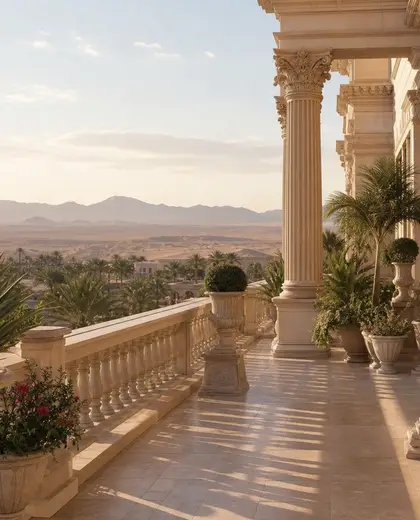
How do you make a public space work in a desert climate?
Prioritize shade, airflow, and durable surfaces. Use arcades, canopies, planted pockets, and shaded seating to make exposed areas usable through the day.
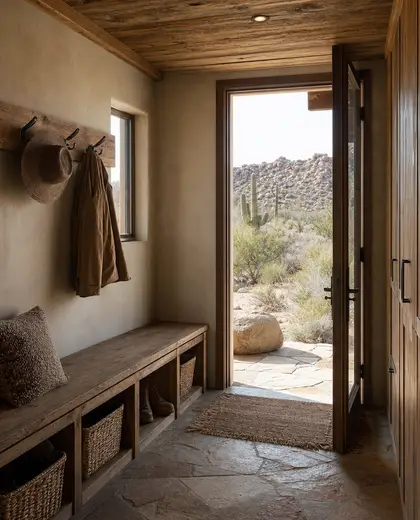
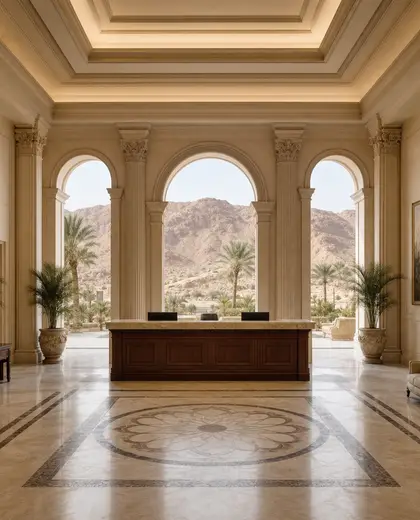
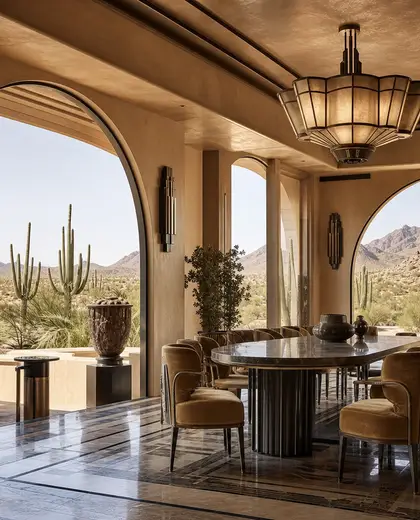
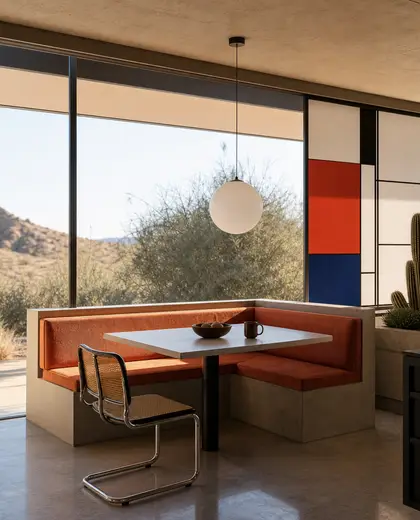
What materials hold up best outdoors in desert conditions?
Dense stone, reinforced concrete, rammed earth, and corrosion-resistant metal perform well, especially when details reduce heat gain and direct sun exposure.
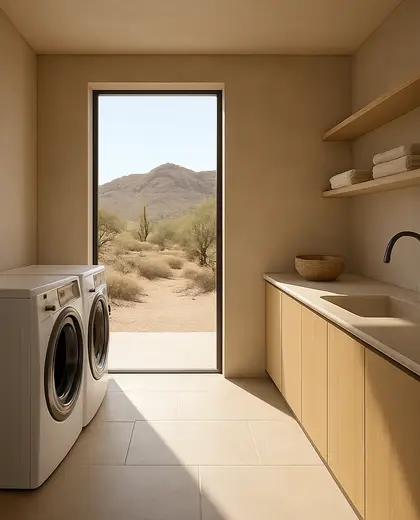
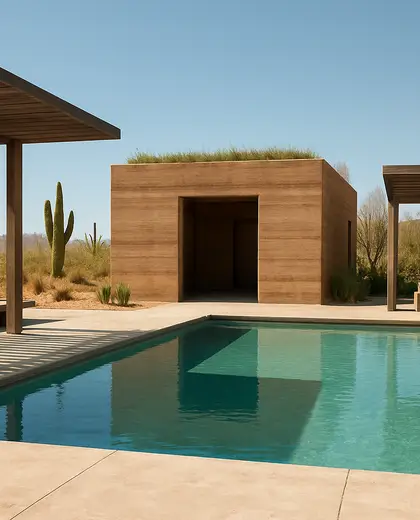
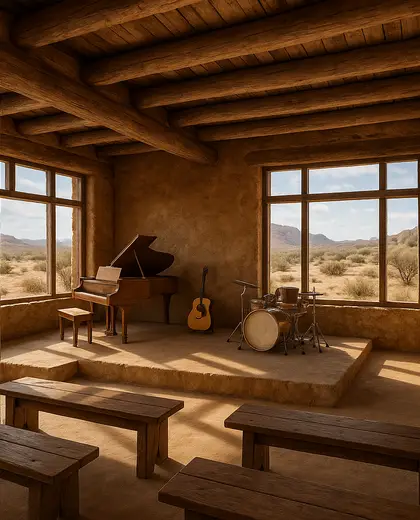
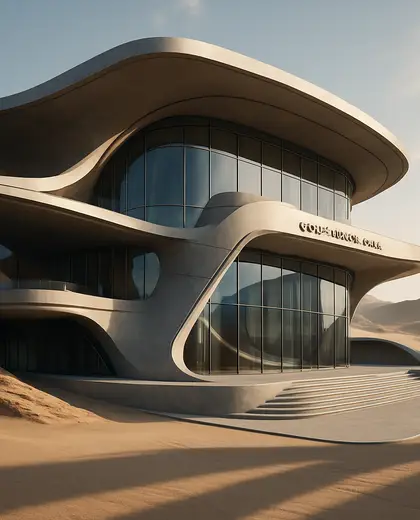
Can a desert public space still feel inviting?
Yes, if it balances open ground with protected edges. Seating, water-sensitive planting, and layered shade help create comfort without losing the spacious character.
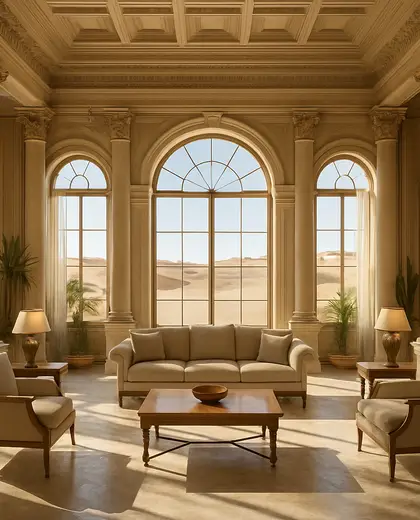
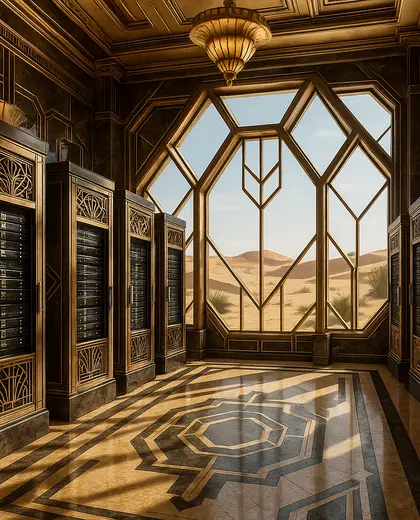
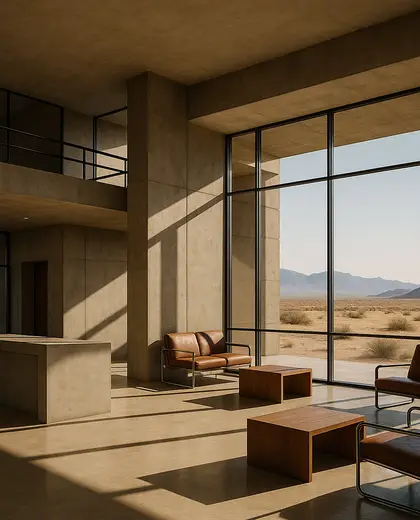
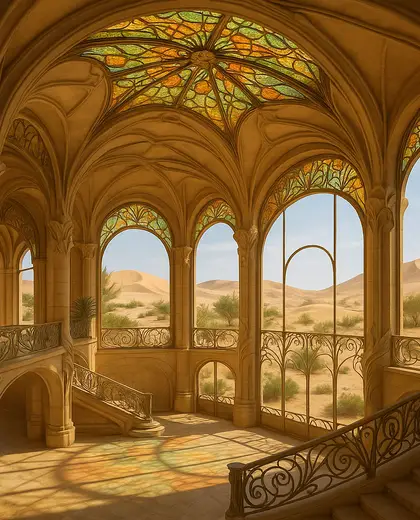
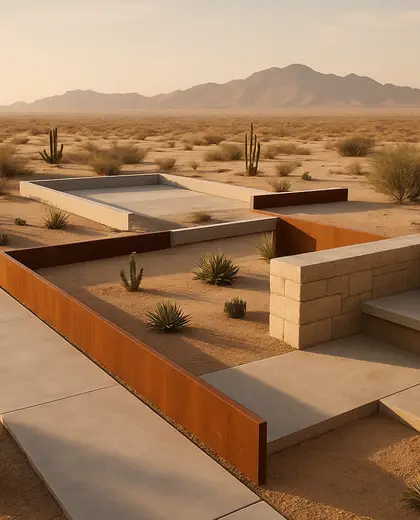
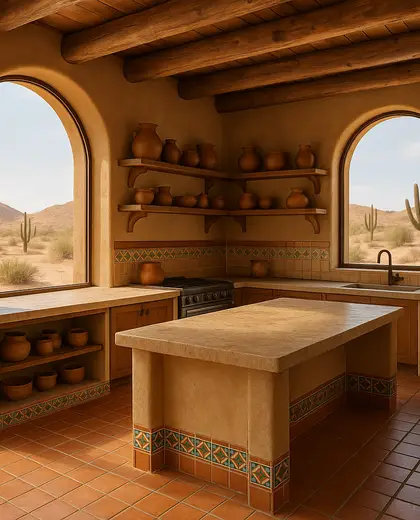
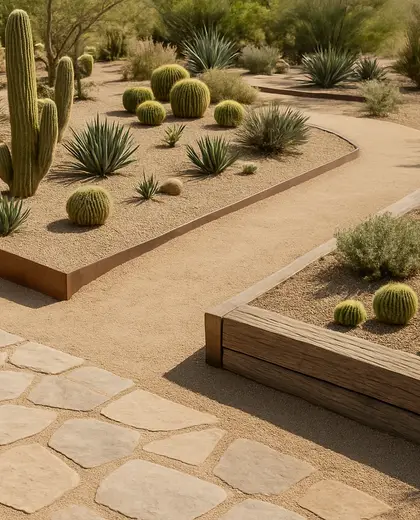
— The style
What defines it
Stone, concrete, rammed earth, shade cloth, perforated metal, and timber used sparingly for warmth.
Sand, clay, sun-bleached beige, charcoal, and muted earth tones with low-contrast finishes.
Civic plazas, promenades, courtyards, market forecourts, and shaded pedestrian routes.
— Professionals
Who has already built it
- elizabeth bee interior deinterior designers · 4 projectsView profile →
- slade slade design3d renderers · Bristol · 6 projectsView profile →
- maria mateaarchitects · London · 7 projectsView profile →
- paquis norris group limitedbuilders · Reading · 3 projectsView profile →
— Questions
Frequently asked questions
How do you make a public space work in a desert climate?
Prioritize shade, airflow, and durable surfaces. Use arcades, canopies, planted pockets, and shaded seating to make exposed areas usable through the day.
What materials hold up best outdoors in desert conditions?
Dense stone, reinforced concrete, rammed earth, and corrosion-resistant metal perform well, especially when details reduce heat gain and direct sun exposure.
Can a desert public space still feel inviting?
Yes, if it balances open ground with protected edges. Seating, water-sensitive planting, and layered shade help create comfort without losing the spacious character.