— Ideas & inspiration
Public space shaped by the beach
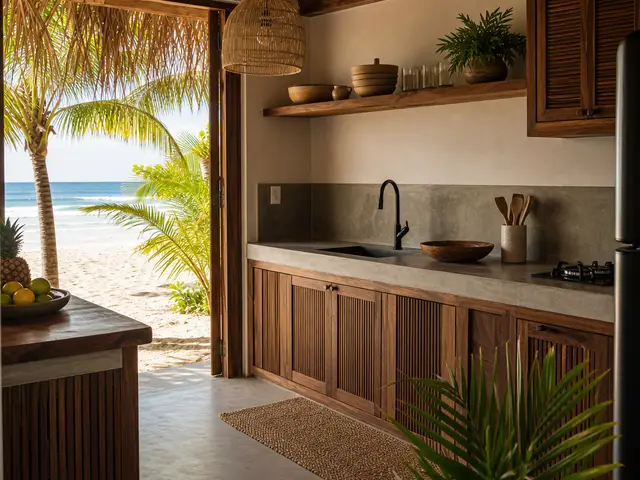
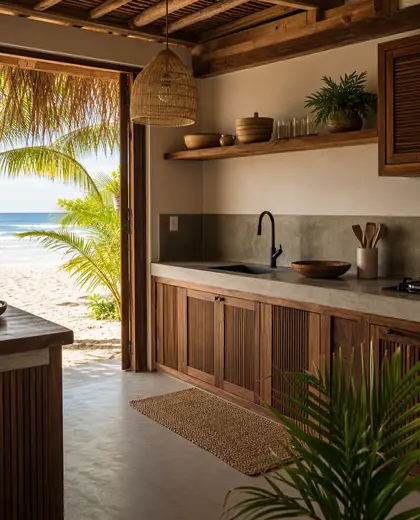
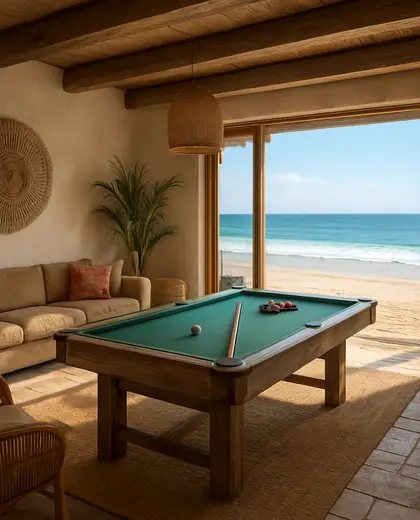
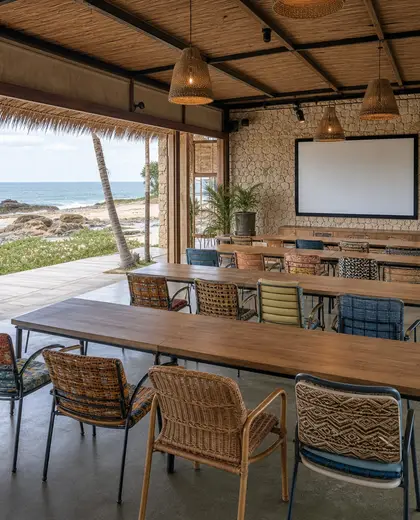
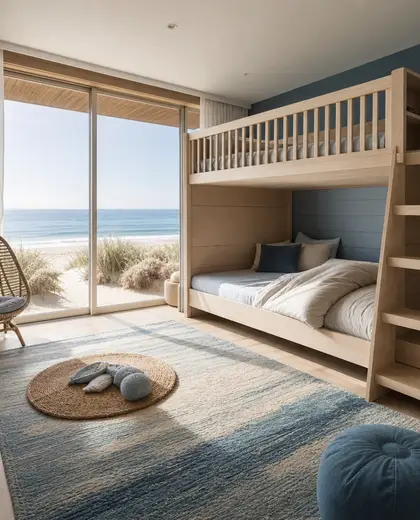
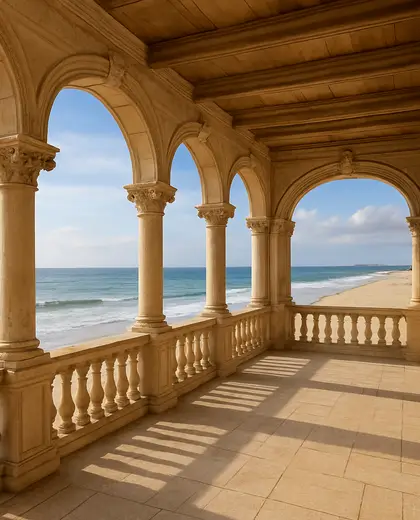
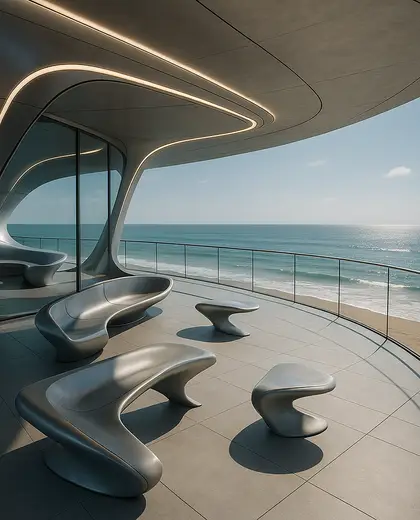
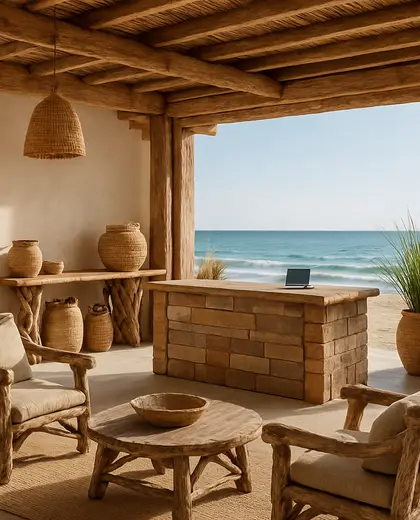
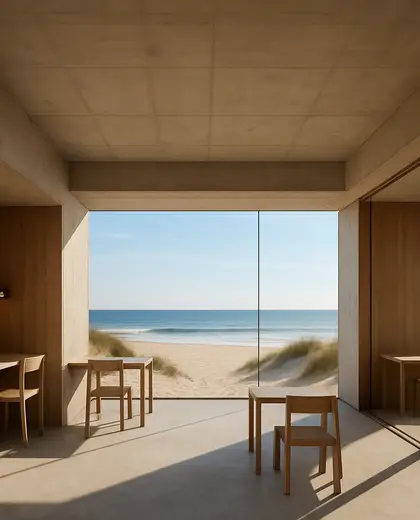
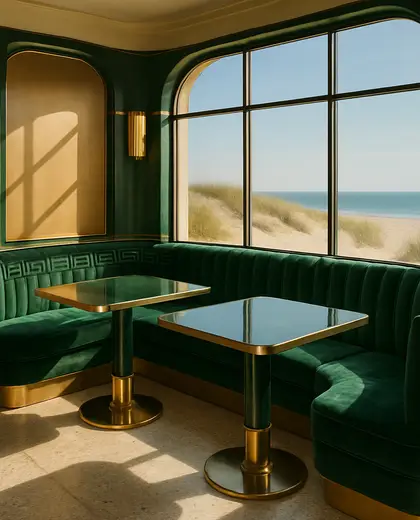
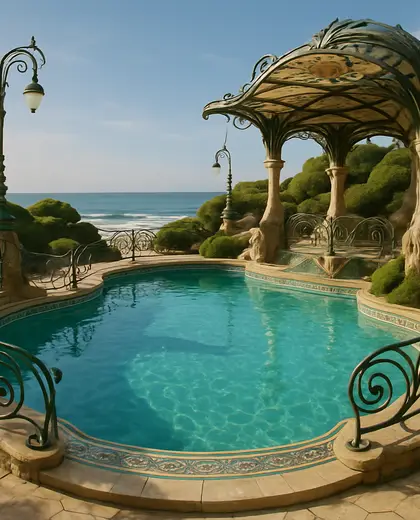
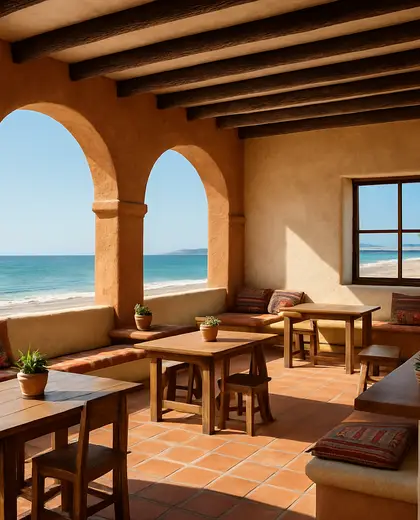
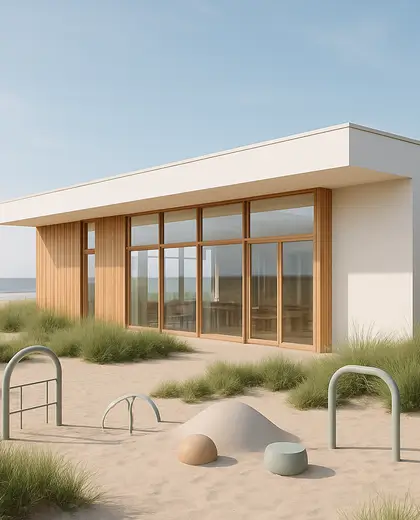
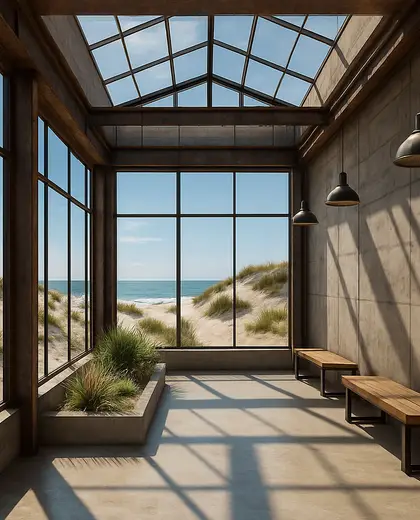
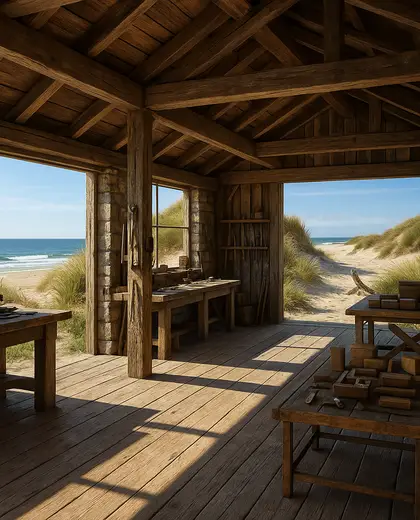
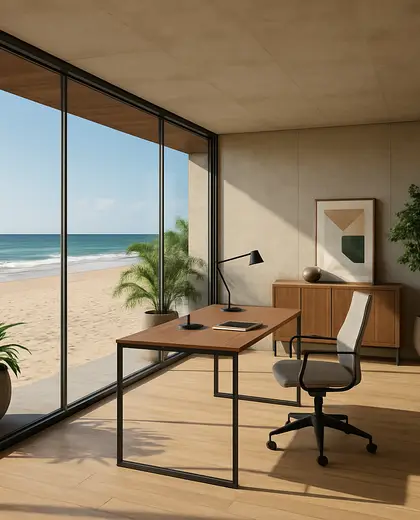
This composition is defined by durable, weather-resistant materials such as concrete, timber, stone, and treated metal, chosen for exposure to salt, sun, and sand. The palette stays light and natural, with sandy beige, weathered gray, driftwood tones, and soft blues. Open paving, benches, shade structures, and low planting help the space feel civic, relaxed, and coastal.
- public space
- beach
— References
References to explore
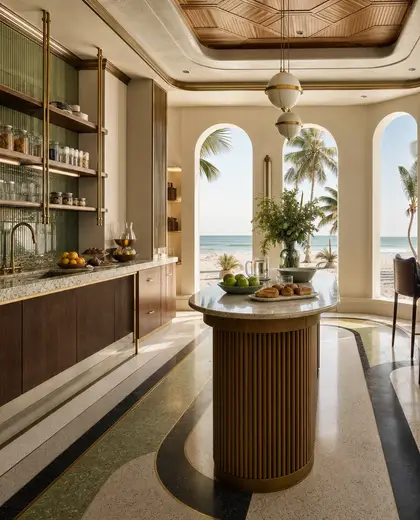
How do you make a public space feel coastal without looking themed?
Use restrained colors, honest materials, and simple forms. A few references to the shoreline, like timber slats, pale paving, and planted dunes, usually feel more natural than decorative motifs.
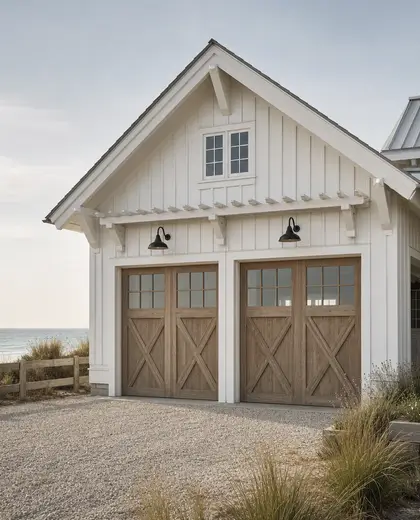
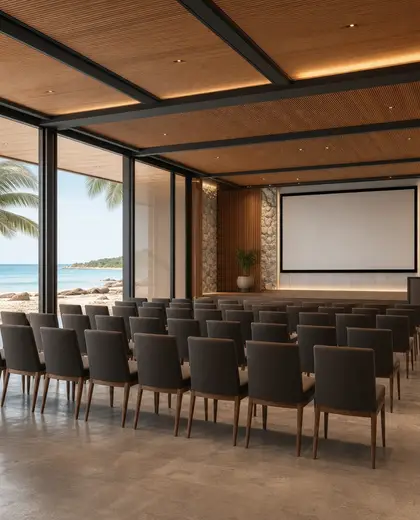
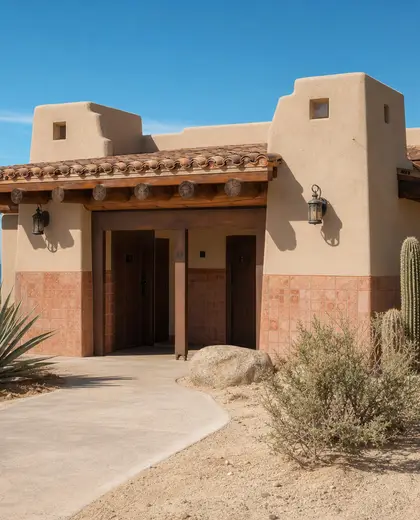
What materials work best near the beach?
Choose materials that resist moisture, salt, and UV exposure, such as sealed concrete, hardwood or treated timber, stone, and marine-grade metal. Surfaces should also be easy to clean after sand and wind exposure.
What should a homeowner or community focus on first in this type of design?
Start with circulation, seating, shade, and durability, then add planting and lighting. In a beach setting, comfort and weather resistance matter as much as visual style.
— The style
What defines it
Concrete, timber, natural stone, terrazzo, and corrosion-resistant metal hold up well in coastal conditions.
Sand, off-white, pale gray, muted blue, and sun-faded wood tones create a calm seaside feel.
Seating, promenades, dunes, boardwalks, planting beds, lighting, and windbreaks for everyday public use.
— Professionals
Who has already built it
- slade slade design3d renderers · Bristol · 6 projectsView profile →
- marcela tossiinterior designers · London · 6 projectsView profile →
- maria mateaarchitects · London · 7 projectsView profile →
- paquis norris group limitedbuilders · Reading · 3 projectsView profile →
— Questions
Frequently asked questions
How do you make a public space feel coastal without looking themed?
Use restrained colors, honest materials, and simple forms. A few references to the shoreline, like timber slats, pale paving, and planted dunes, usually feel more natural than decorative motifs.
What materials work best near the beach?
Choose materials that resist moisture, salt, and UV exposure, such as sealed concrete, hardwood or treated timber, stone, and marine-grade metal. Surfaces should also be easy to clean after sand and wind exposure.
What should a homeowner or community focus on first in this type of design?
Start with circulation, seating, shade, and durability, then add planting and lighting. In a beach setting, comfort and weather resistance matter as much as visual style.