— Ideas & inspiration
Public space composition
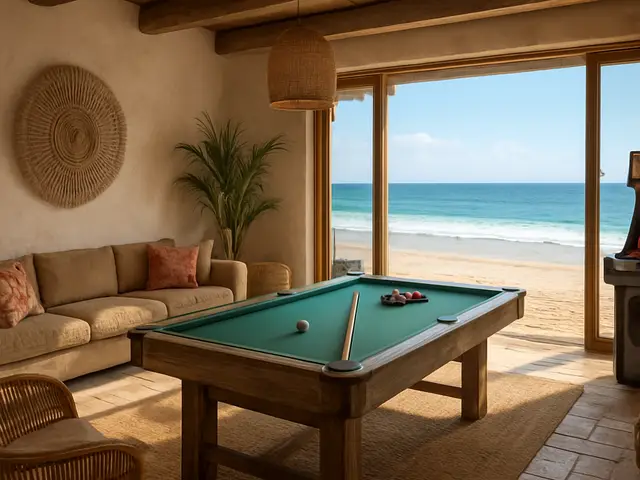
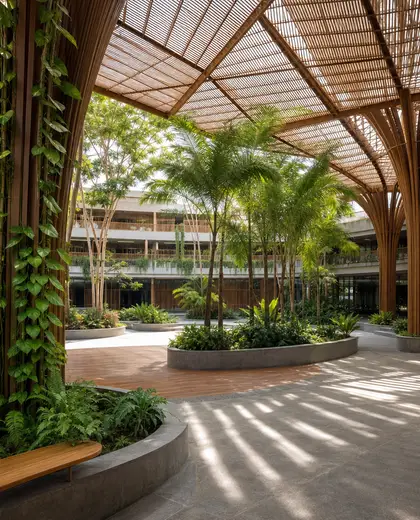
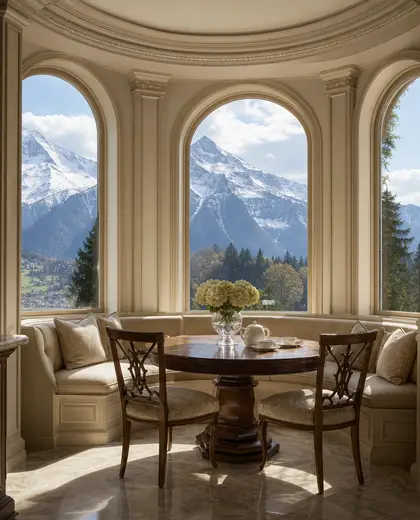
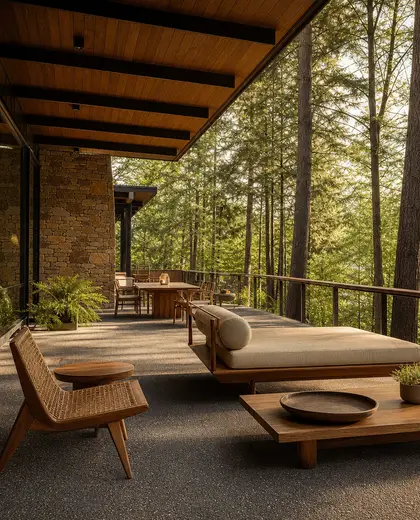
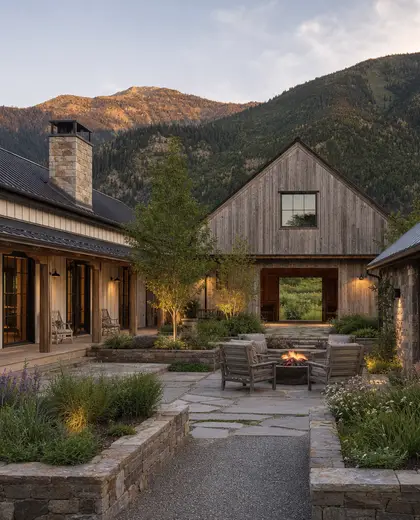
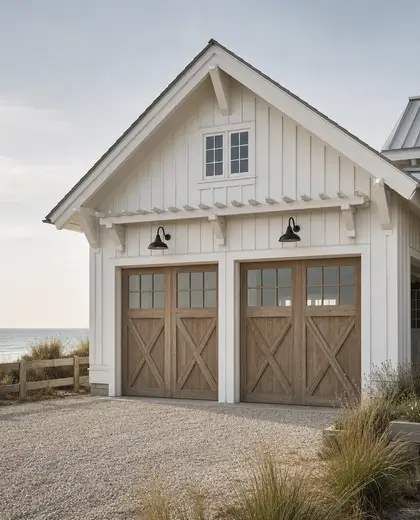
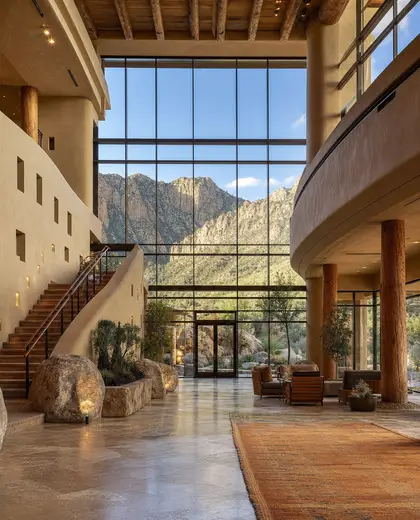
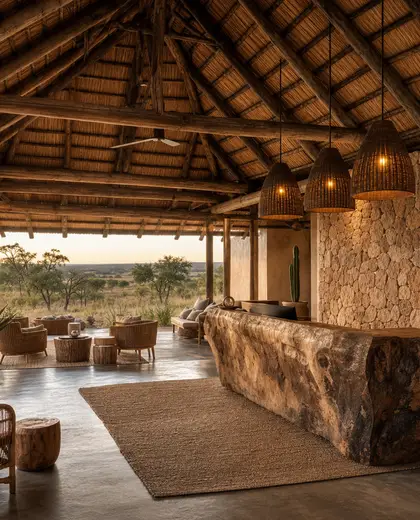
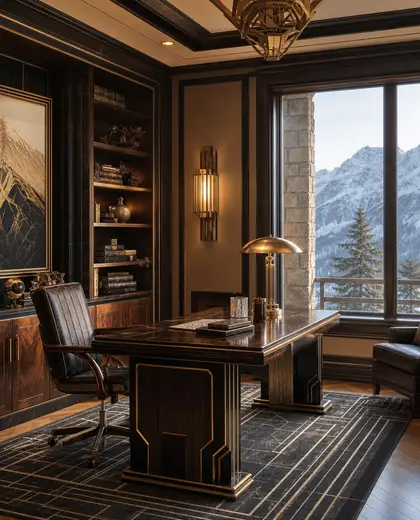
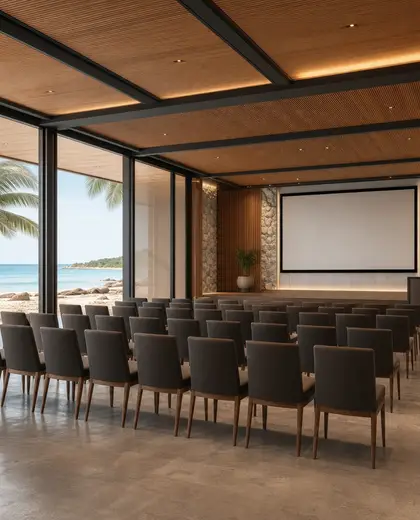
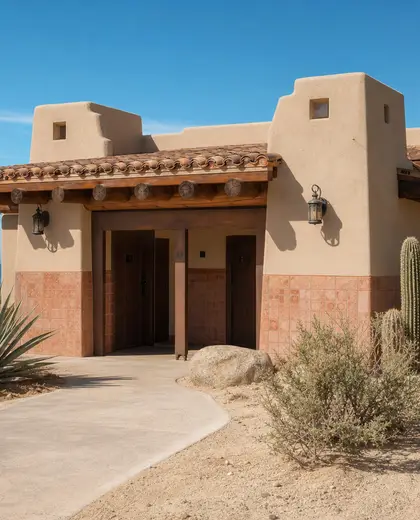
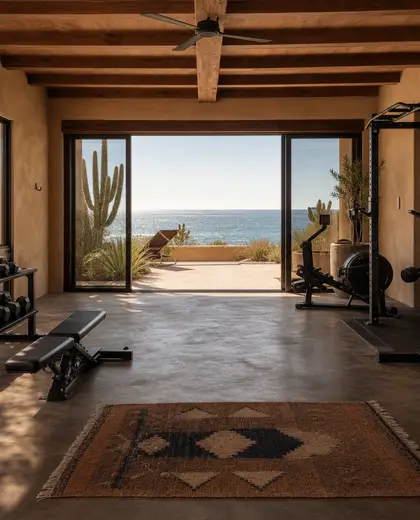
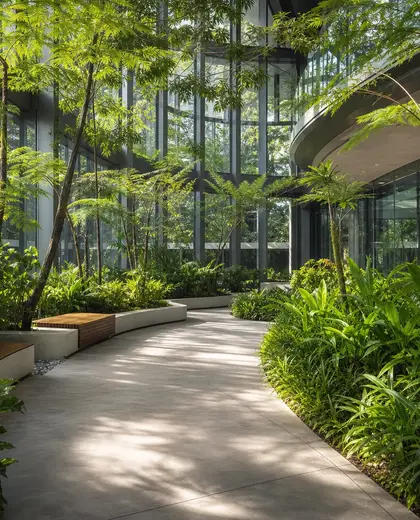
A public space composition is defined by durable, high-traffic materials such as concrete, stone, brick, metal, and hardwood, often paired with easy-clean finishes and weather-resistant details. The palette usually stays grounded in neutrals, with gray, beige, black, white, and muted earth tones, so the space feels calm and readable. It is shaped by clear circulation, open sightlines, seating, lighting, paving, and planted edges that organize movement and rest.
- public space
— References
References to explore
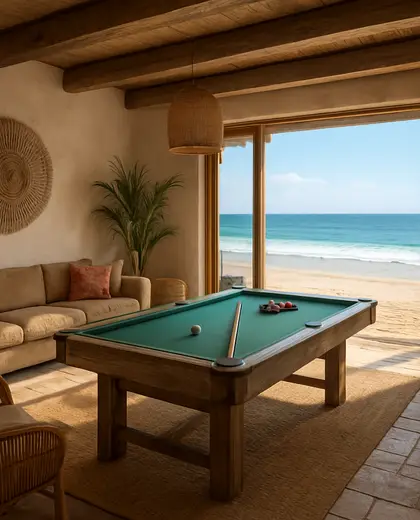
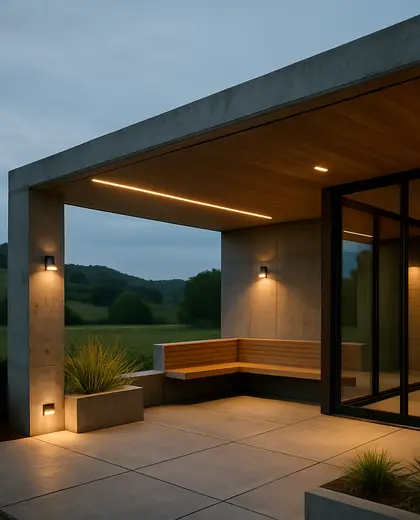
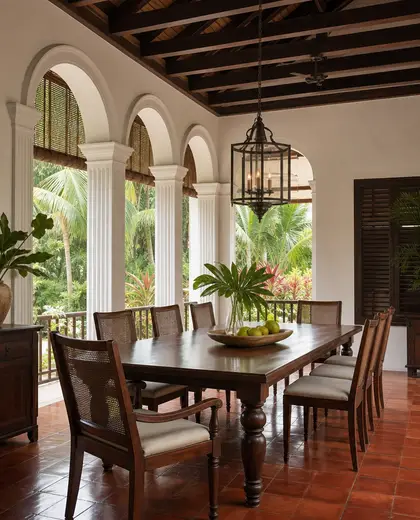
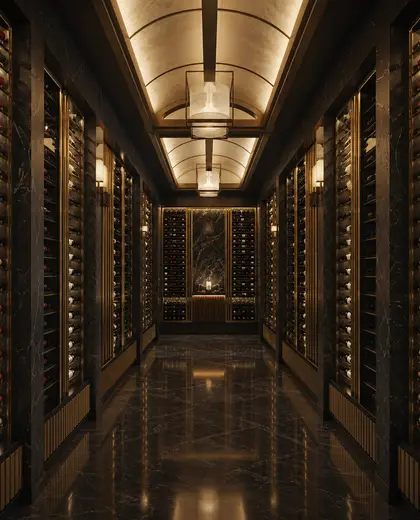
What makes a space feel like a public space composition?
It usually relies on open access, robust materials, and a clear layout for walking, waiting, sitting, and gathering.
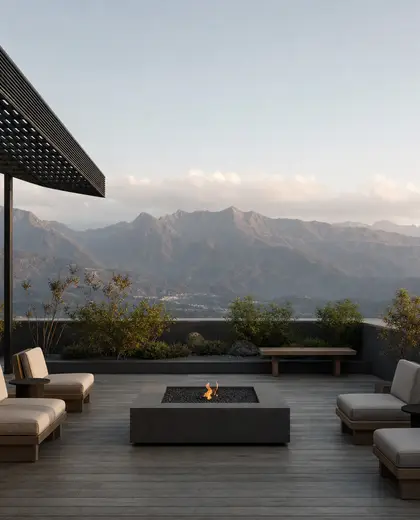
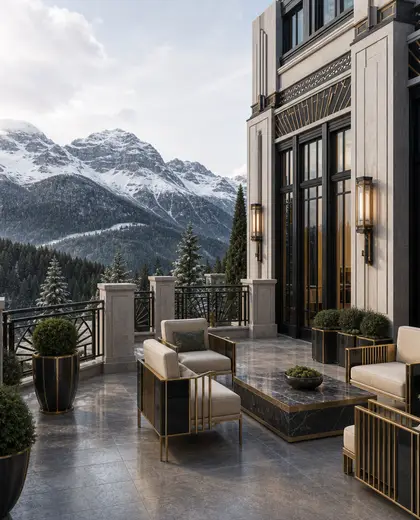
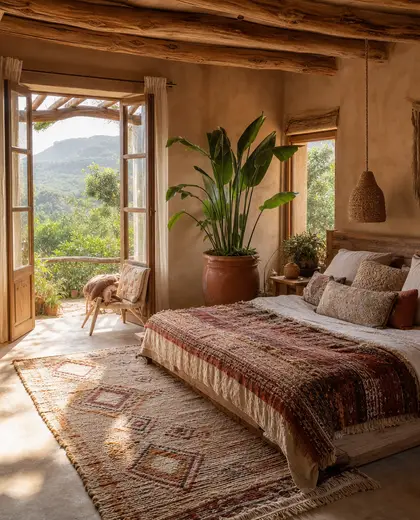
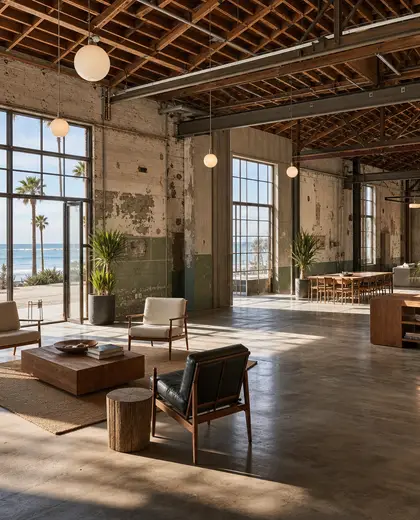
Can this composition still feel warm, not just hard and utilitarian?
Yes. Warmer timber, planting, softer lighting, and textured masonry can balance the harder structural elements.
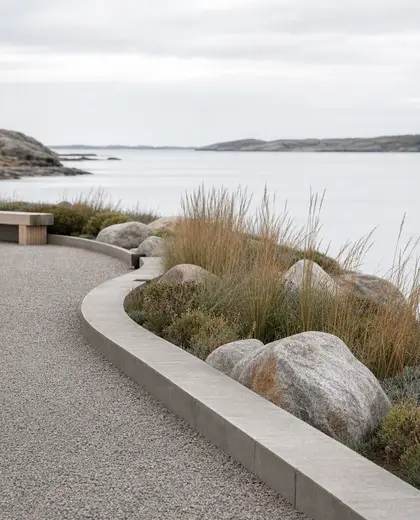
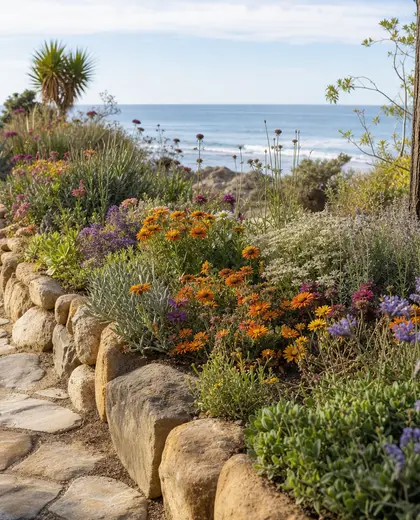
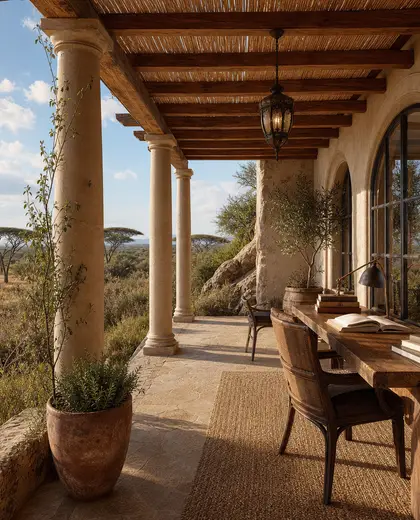
Which finishes are best for long-term use?
Low-maintenance, weather-resistant finishes are the safest choice, especially for flooring, seating, railings, and exposed façades.
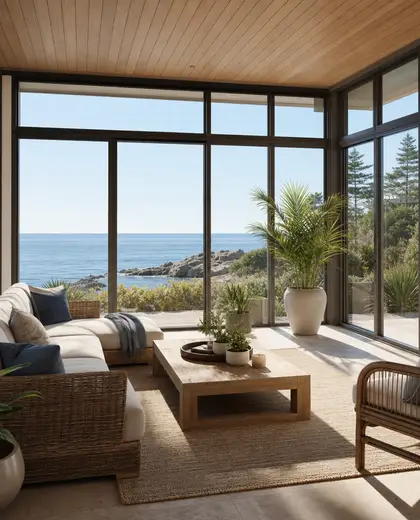
— The style
What defines it
Concrete, stone, brick, metal, glass, and treated timber are common because they handle heavy use and exposure well.
Mostly neutral and restrained: grays, off-whites, charcoal, sandy tones, and weathered natural hues.
Works well with landscape planting, benches, canopies, lighting, signage, and durable paving patterns.
— Professionals
Who has already built it
- LoftRobejoiners · Guildford · 4 projectsView profile →
- Beneito Faurelighting designers · 2 projectsView profile →
- Lusso Stonetile suppliers · Stocktonontees · 7 projectsView profile →
- elizabeth bee interior deinterior designers · 4 projectsView profile →
— Explore
Keep exploring
— Questions
Frequently asked questions
What makes a space feel like a public space composition?
It usually relies on open access, robust materials, and a clear layout for walking, waiting, sitting, and gathering.
Can this composition still feel warm, not just hard and utilitarian?
Yes. Warmer timber, planting, softer lighting, and textured masonry can balance the harder structural elements.
Which finishes are best for long-term use?
Low-maintenance, weather-resistant finishes are the safest choice, especially for flooring, seating, railings, and exposed façades.