— Ideas & inspiration
Contemporary calm in the desert
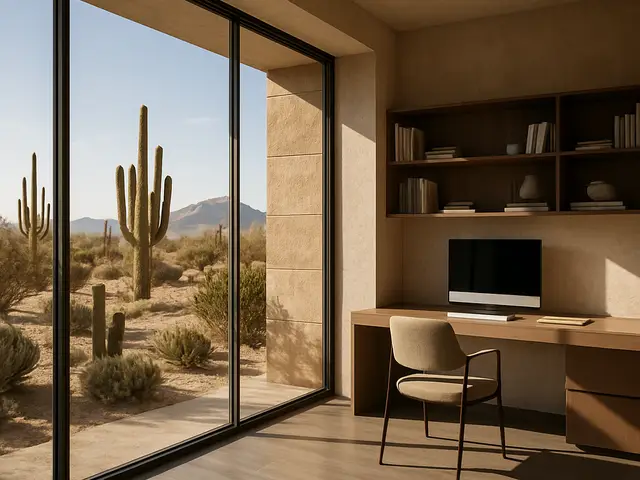
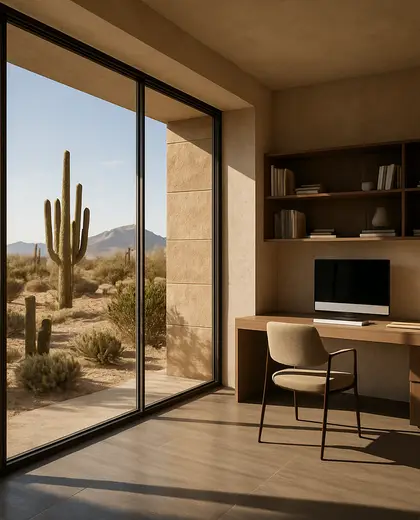
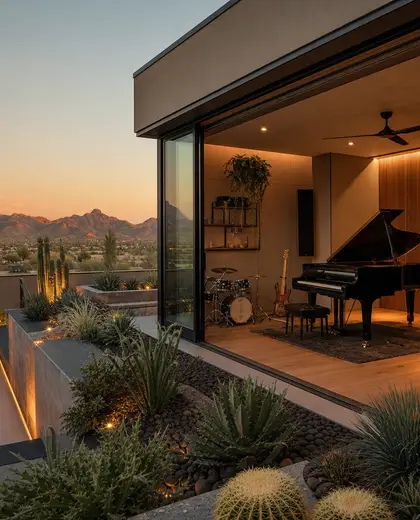
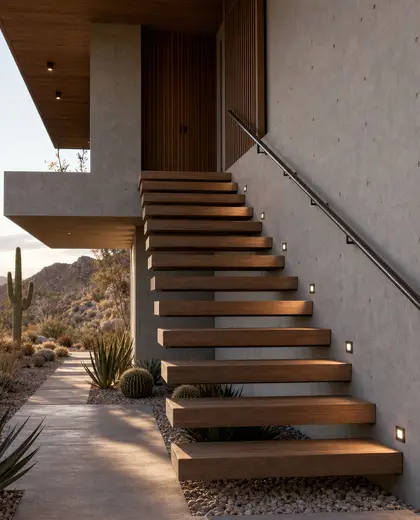
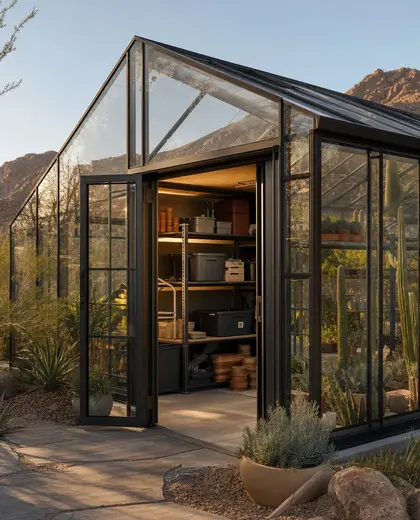
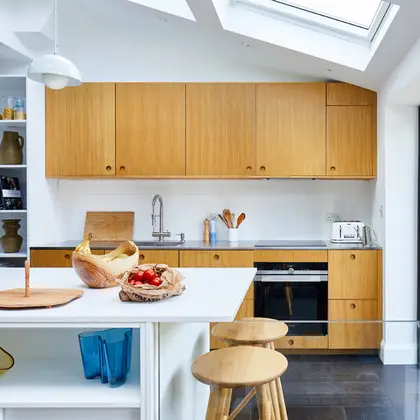
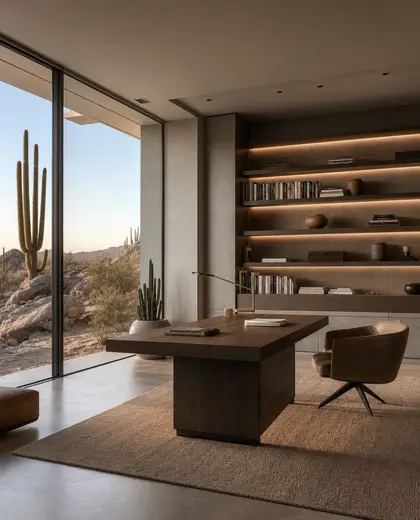
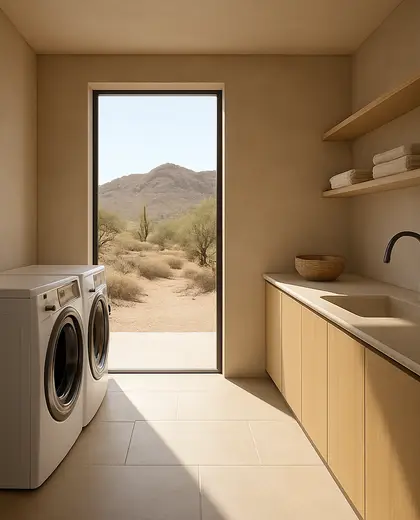
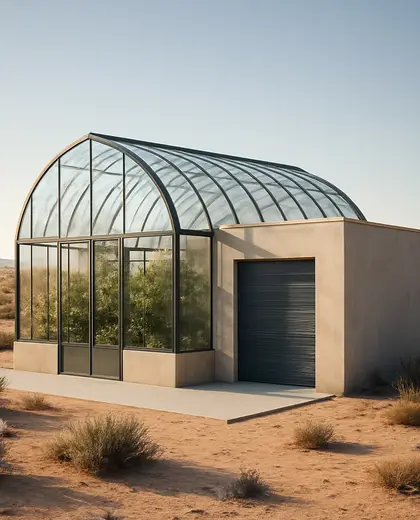
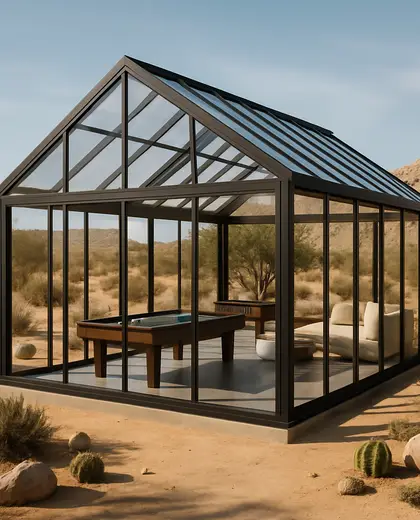
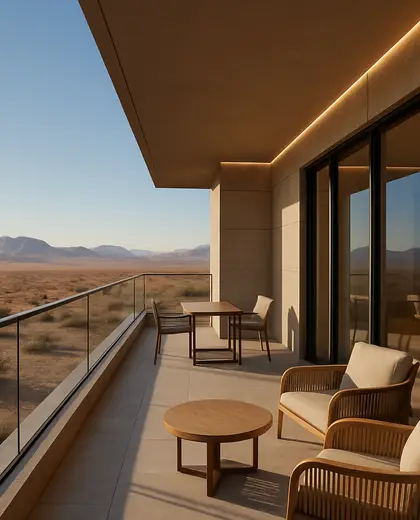
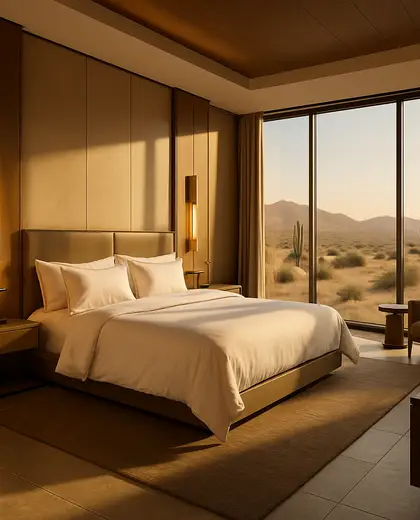
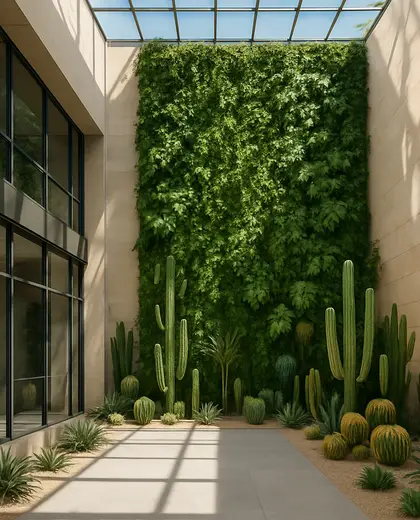
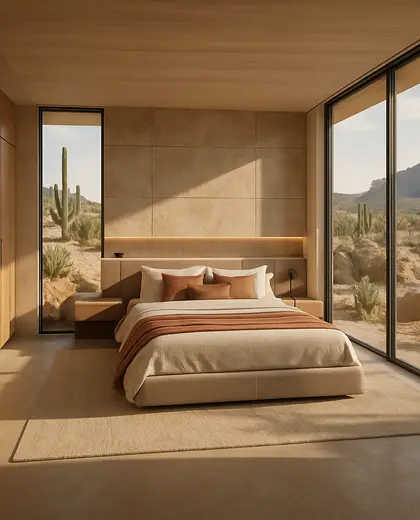
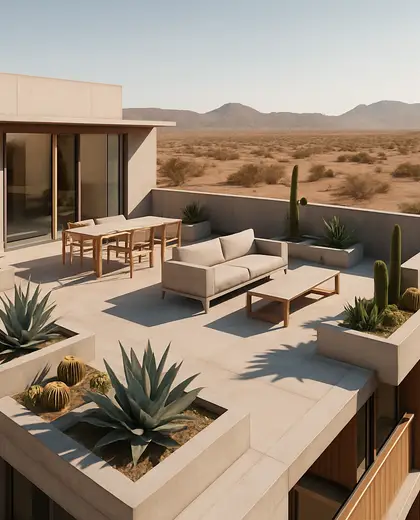
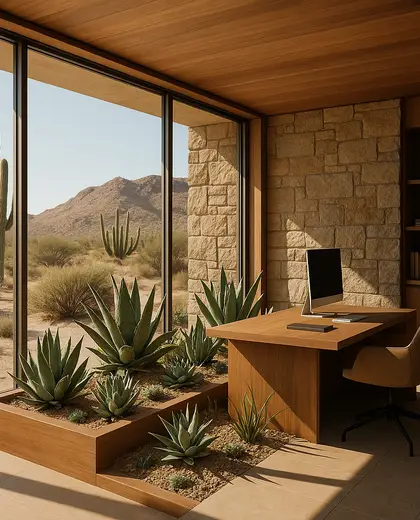
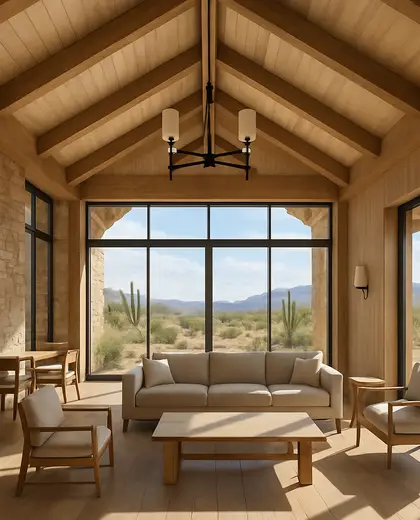
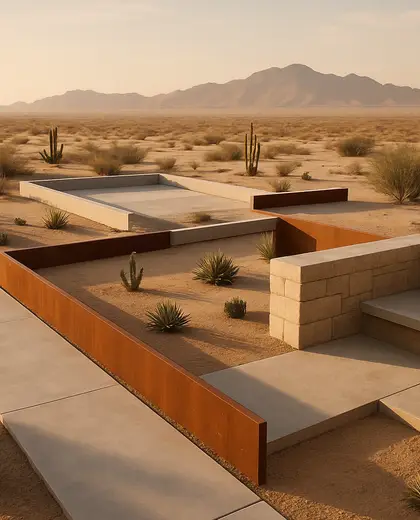
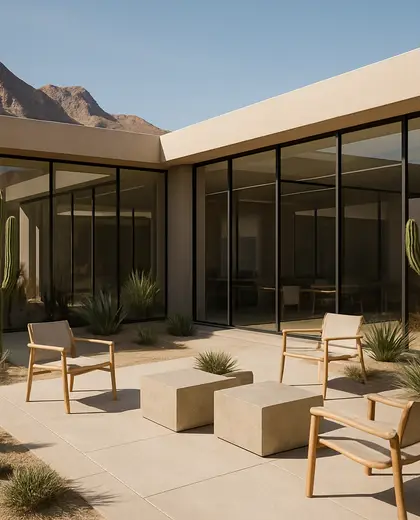
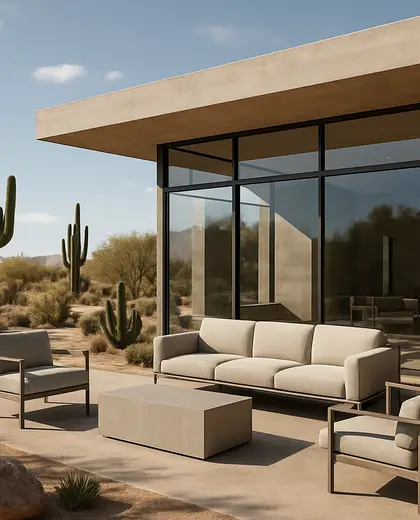
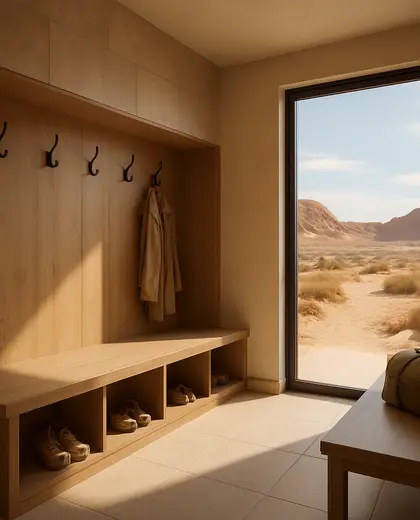
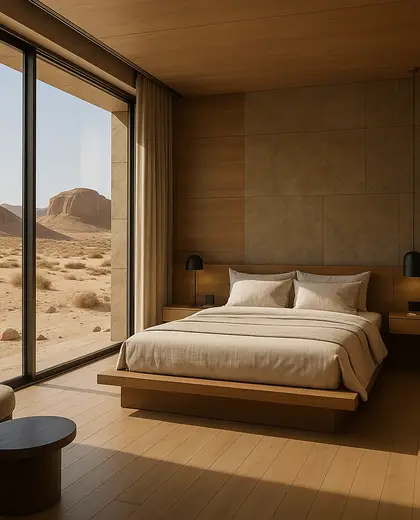
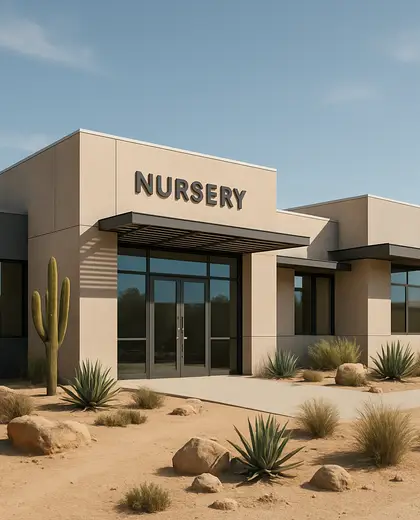
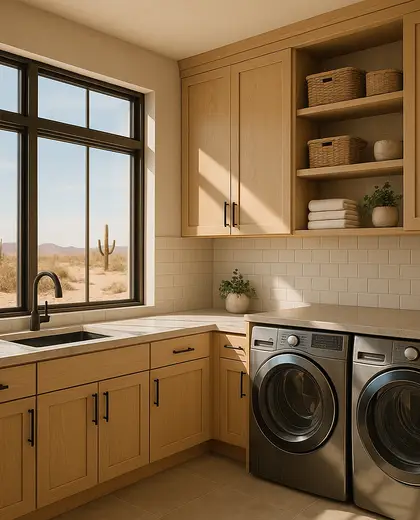
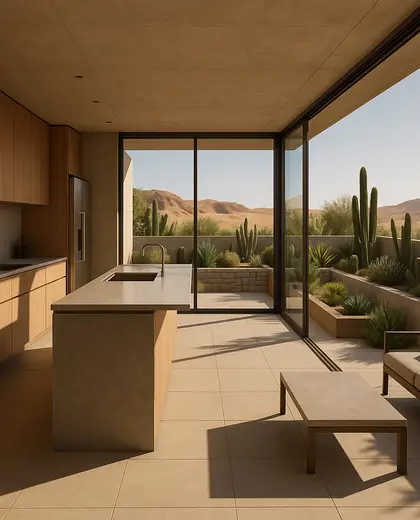
Contemporary desert design pairs clean, restrained forms with materials that hold up in dry heat, such as stucco, stone, concrete, steel, and glass. The palette usually stays sun-washed and muted, with sand, clay, beige, taupe, charcoal, and weathered wood. Broad overhangs, shaded courtyards, deep openings, and a strong indoor-outdoor connection define the composition.
- contemporary
- desert
— References
References to explore

Conference hall trends to watch now: materials, layouts and smart tech that are shaping 2026
A practical look at the latest conference hall trends, from quieter materials and flexible layouts to smarter tech, calmer colours and easy updates that do not require a full refurbishment.
Read article →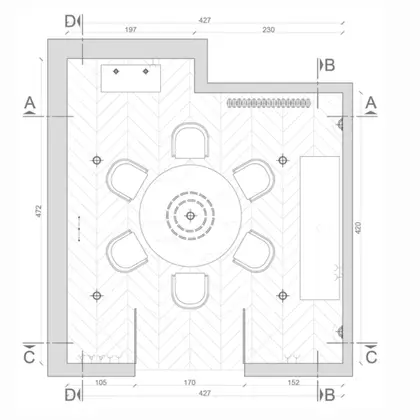
Is contemporary desert style only for homes in hot climates?
No. It works best in dry, sunny settings, but the same ideas can be adapted elsewhere by focusing on sun shading, warm textures, and a restrained material palette.
What materials make this style feel authentic?
Textured stucco, stone, concrete, wood, and metal details are typical. Large glass areas are common too, but they are usually balanced with shade and recessed openings.
How do I keep it from feeling too stark?
Use layered neutrals, natural textures, soft landscaping, and warmer timber finishes. Courtyards, woven textiles, and masonry with visible grain also help soften the look.
— The style
What defines it
Stucco, rammed earth, stone, concrete, steel, and large expanses of glass are common, often softened with timber or textured plaster.
Warm neutrals dominate: sand, ivory, adobe, tan, taupe, sage, and dark accents that echo rock and shadow.
It often combines flat or low-pitched roofs, shaded patios, deep recesses, and landscape planting suited to arid climates.
— Professionals
Who has already built it
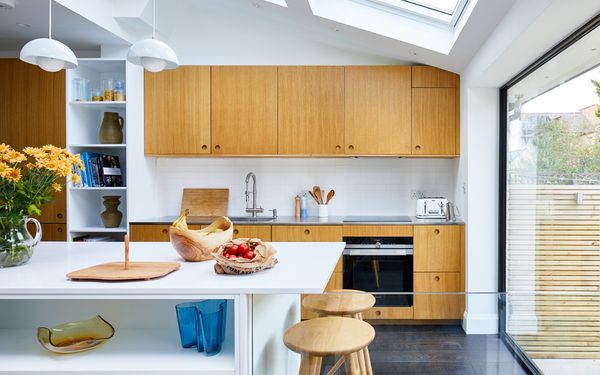

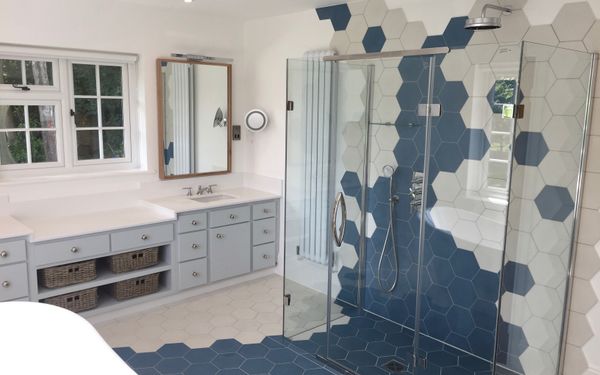

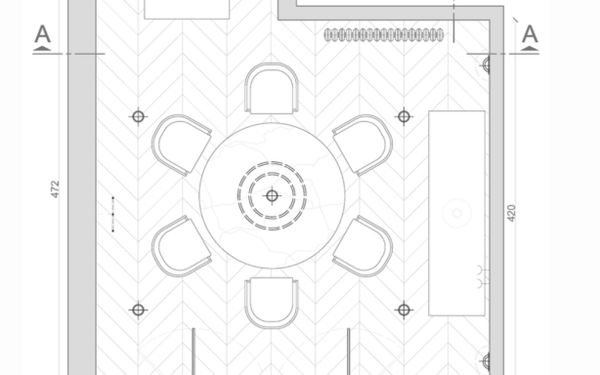

- paquis norris group limitedbuilders · Reading · 3 projectsView profile →
- LoftRobejoiners · Guildford · 4 projectsView profile →
- Beneito Faurelighting designers · 2 projectsView profile →
- Lusso Stonetile suppliers · Stocktonontees · 7 projectsView profile →
— Explore
Keep exploring
— ARTICLES
Related reading
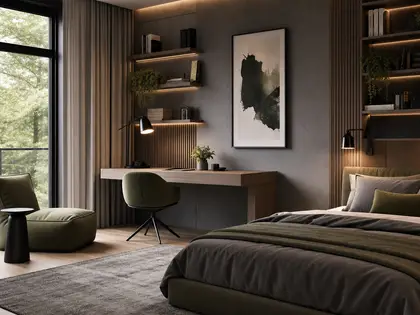
Youth room renovation budget guide: what to spend, what to save
A practical UK budget guide for renovating a youth room, including typical costs, sensible places to invest, and the hidden extras that often catch people out.
Read article →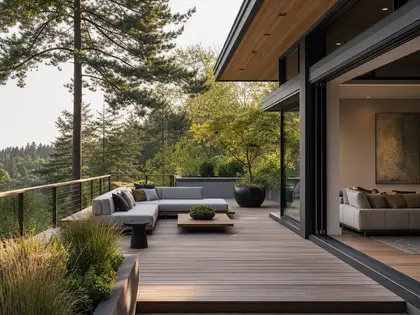
5 mistakes to avoid when planning a deck
A practical guide to the most common deck planning mistakes, with simple fixes that help you create a safer, smarter and more enjoyable outdoor space.
Read article →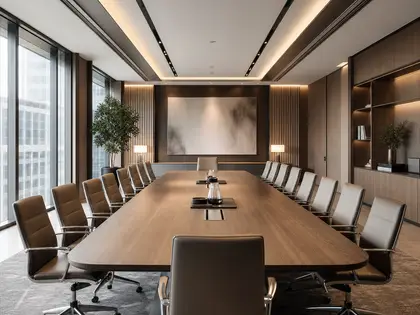
Conference hall trends to watch now: materials, layouts and smart tech that are shaping 2026
A practical look at the latest conference hall trends, from quieter materials and flexible layouts to smarter tech, calmer colours and easy updates that do not require a full refurbishment.
Read article →— Questions
Frequently asked questions
Is contemporary desert style only for homes in hot climates?
No. It works best in dry, sunny settings, but the same ideas can be adapted elsewhere by focusing on sun shading, warm textures, and a restrained material palette.
What materials make this style feel authentic?
Textured stucco, stone, concrete, wood, and metal details are typical. Large glass areas are common too, but they are usually balanced with shade and recessed openings.
How do I keep it from feeling too stark?
Use layered neutrals, natural textures, soft landscaping, and warmer timber finishes. Courtyards, woven textiles, and masonry with visible grain also help soften the look.