— Ideas & inspiration
Contemporary architecture by the ocean
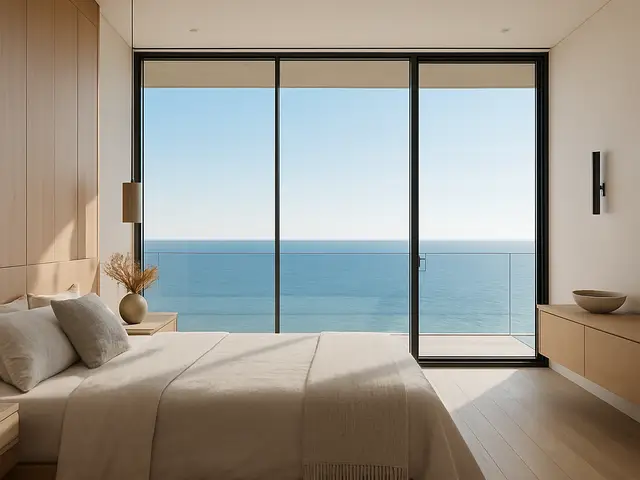
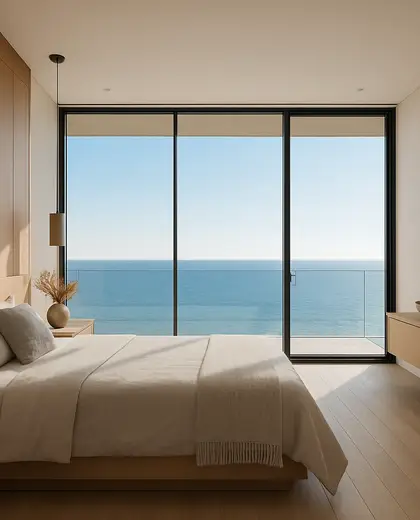
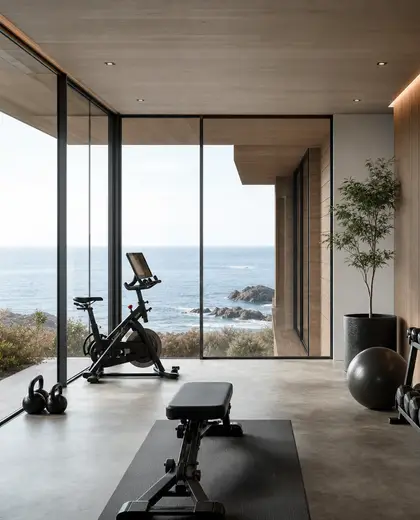
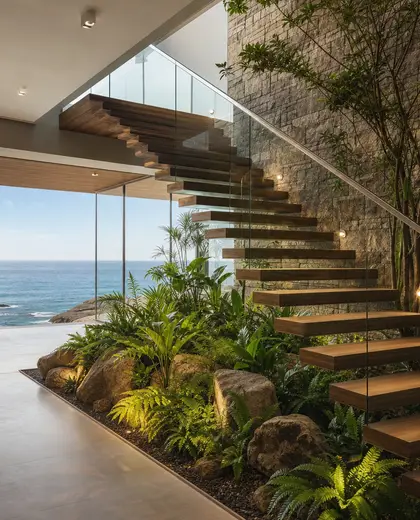
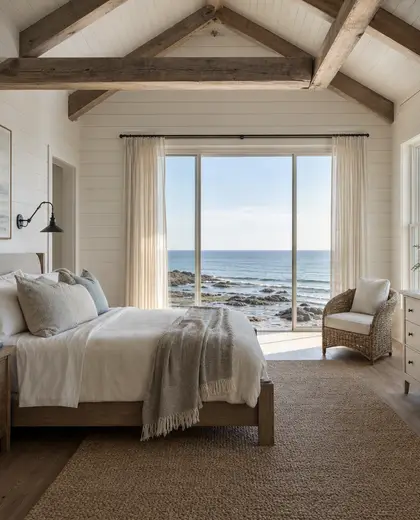
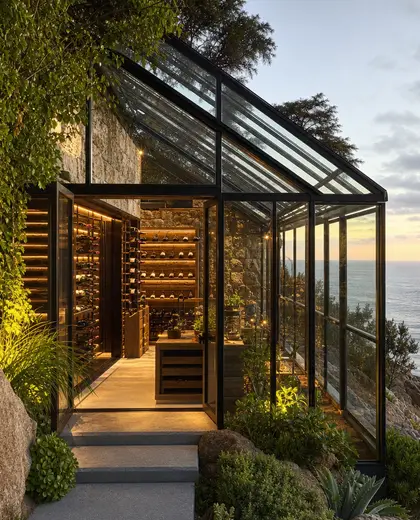
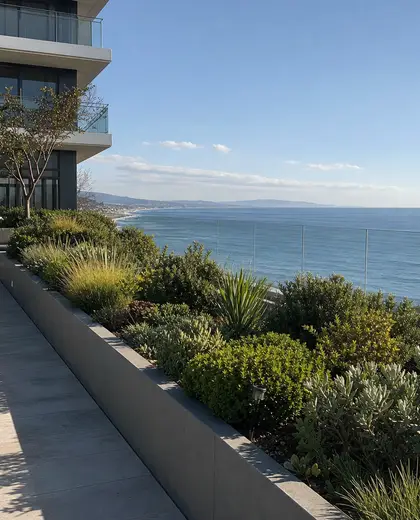
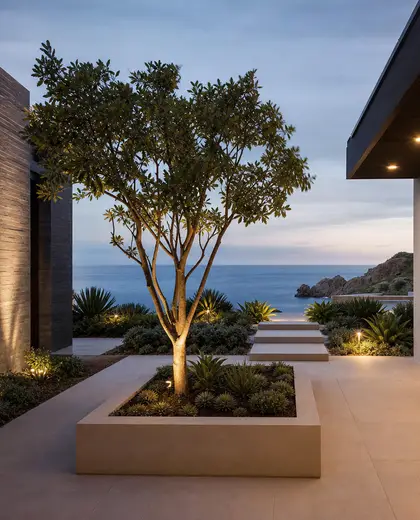
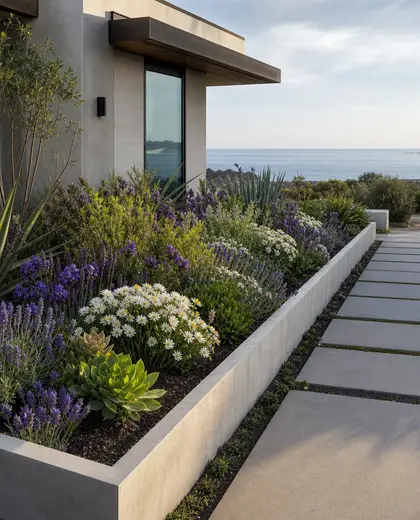
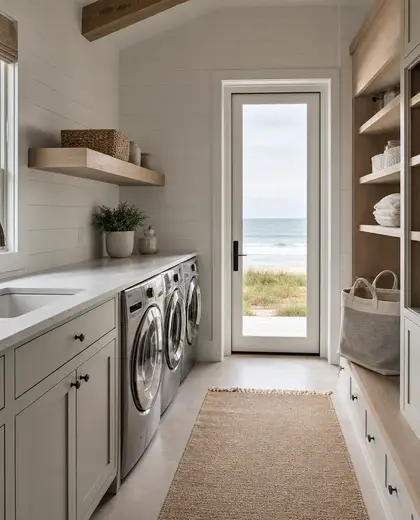
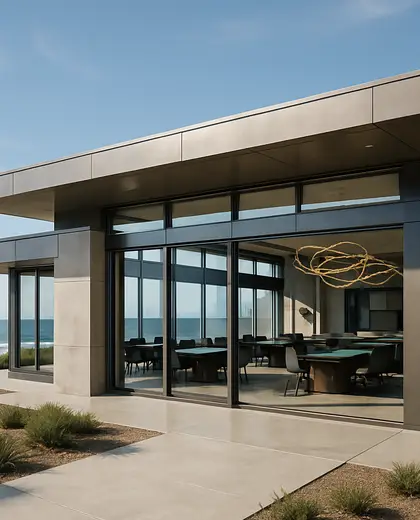
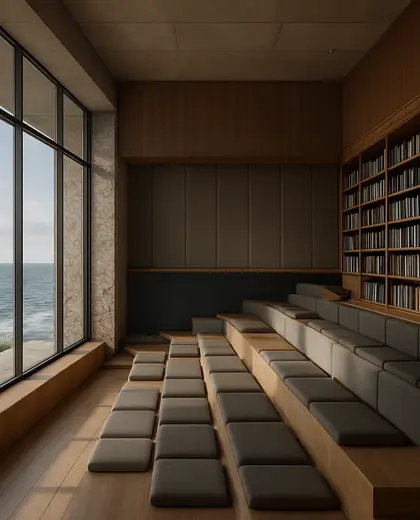
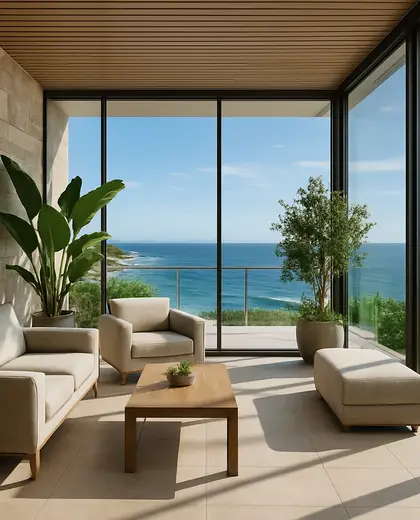
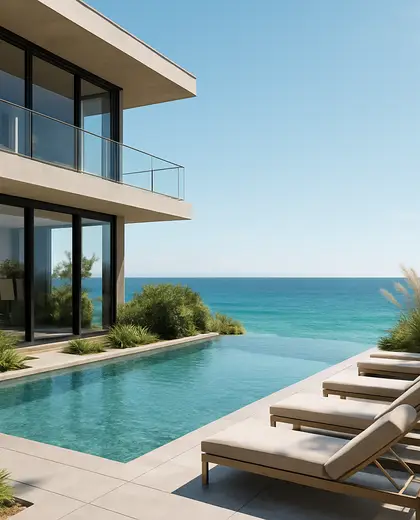
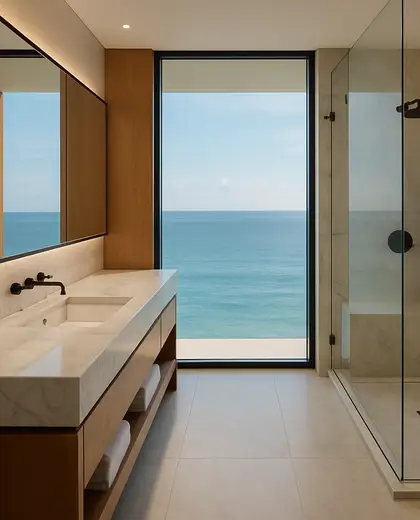
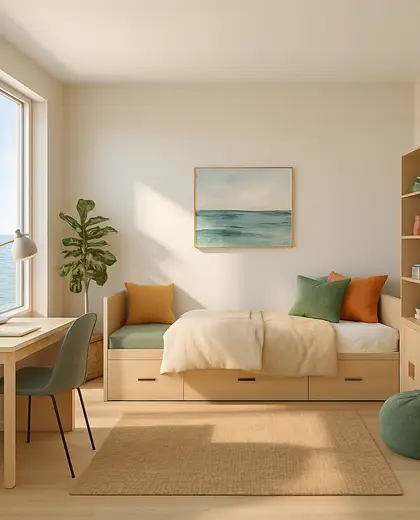
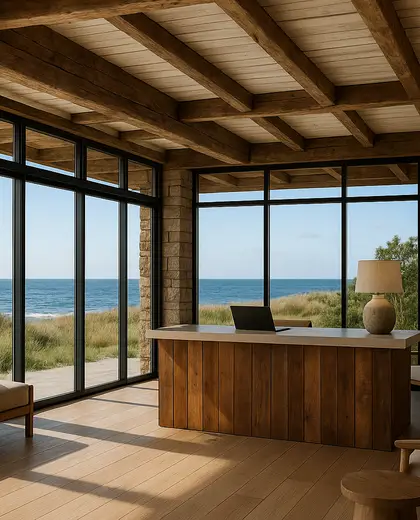
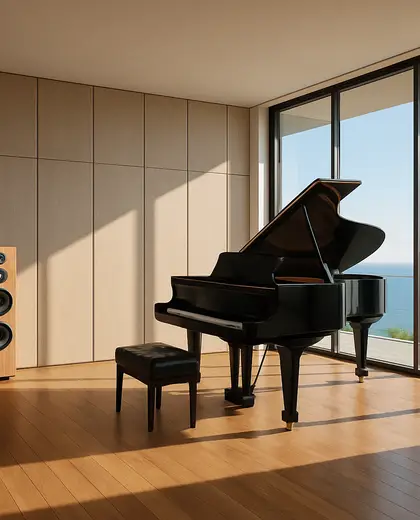
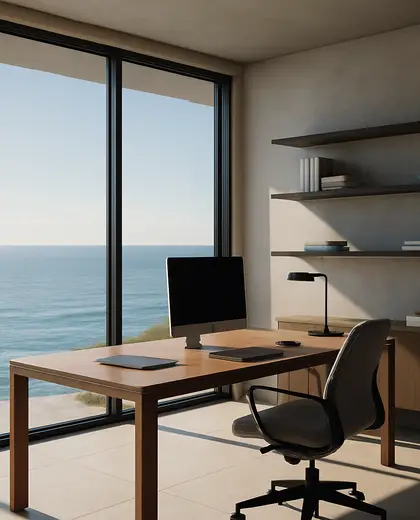
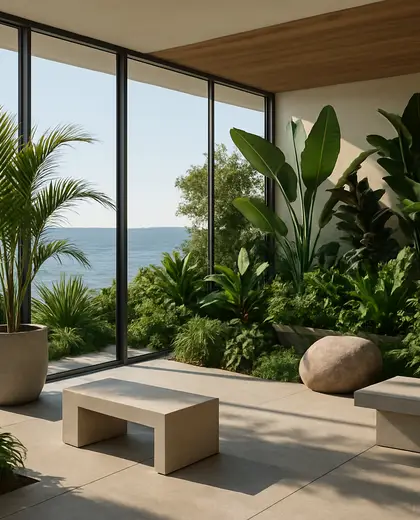
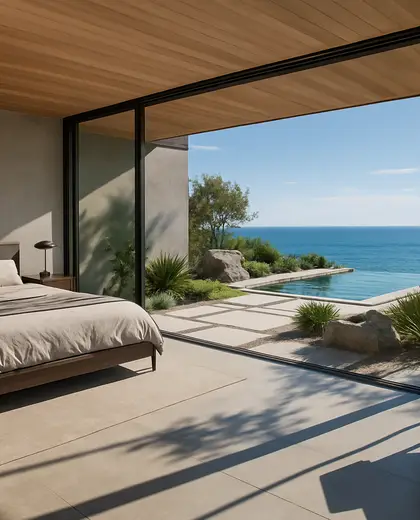
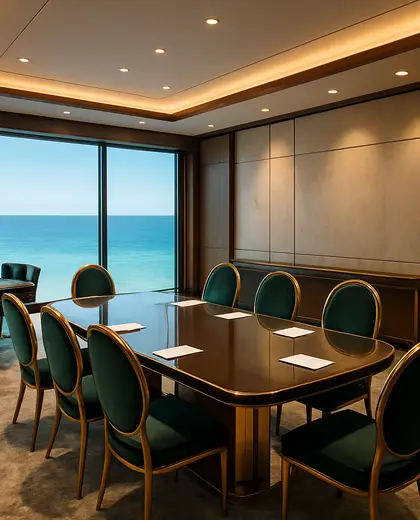
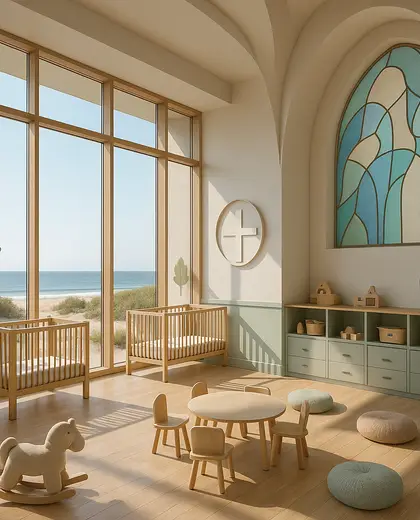
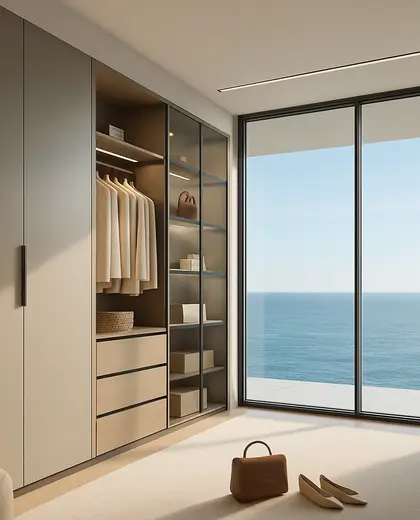
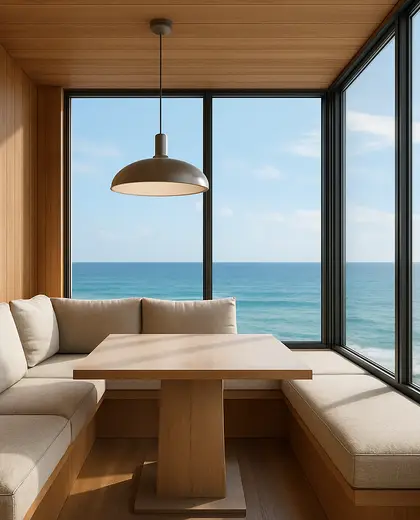
This composition is defined by clean-lined forms, expansive glazing, and a restrained material palette that can handle salt air and strong light. Common materials include concrete, weathered wood, metal, and stone, often paired with wide terraces, deep overhangs, and large openings to frame sea views. The result is a crisp, light-filled architecture that feels rooted in the coast without becoming rustic.
- contemporary
- ocean
— References
References to explore
Conference hall trends to watch now: materials, layouts and smart tech that are shaping 2026
A practical look at the latest conference hall trends, from quieter materials and flexible layouts to smarter tech, calmer colours and easy updates that do not require a full refurbishment.
Read article →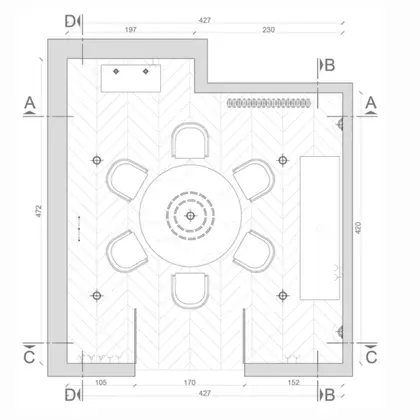
Is contemporary ocean architecture always all-white?
No. White is common, but many schemes use gray concrete, warm timber, and muted stone to soften the look and suit the site.
What materials work best in a coastal climate?
Materials that resist moisture and salt are best, such as treated timber, sealed concrete, stone, and marine-grade metal hardware and fixtures.
How do you keep this style from feeling cold?
Add texture and warmth through wood, natural stone, soft furnishings, and shaded outdoor spaces that connect the interior to the landscape.
— The style
What defines it
Concrete, glass, timber, stone, and corrosion-resistant metal are common choices for durability near the water.
Neutral whites, sand tones, soft grays, and natural wood finishes usually keep the look calm and coastal.
Open-plan interiors, shaded outdoor living areas, flat or low-pitched roofs, and large view-facing windows.
— Professionals
Who has already built it
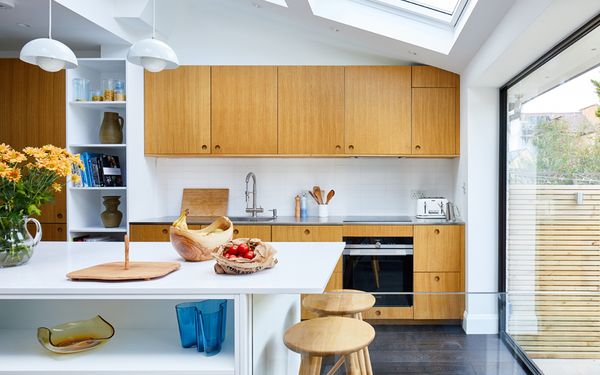

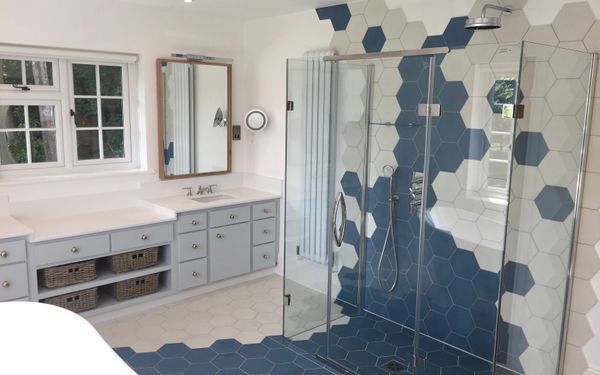

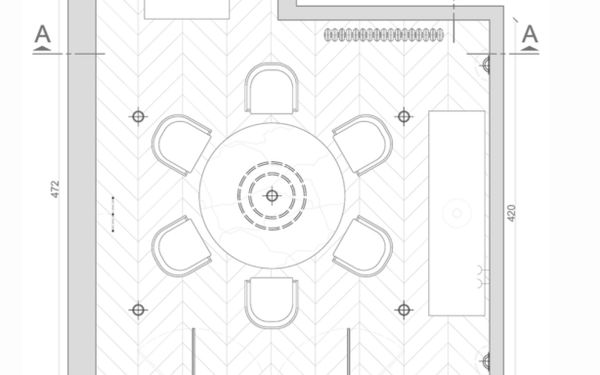

- paquis norris group limitedbuilders · Reading · 3 projectsView profile →
- LoftRobejoiners · Guildford · 4 projectsView profile →
- Beneito Faurelighting designers · 2 projectsView profile →
- Lusso Stonetile suppliers · Stocktonontees · 7 projectsView profile →
— Explore
Keep exploring
— ARTICLES
Related reading

Youth room renovation budget guide: what to spend, what to save
A practical UK budget guide for renovating a youth room, including typical costs, sensible places to invest, and the hidden extras that often catch people out.
Read article →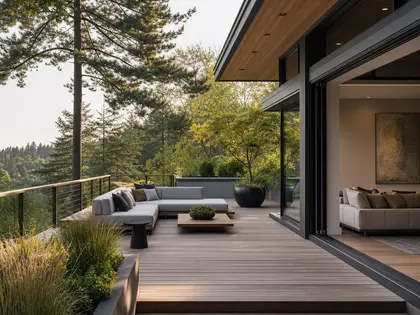
5 mistakes to avoid when planning a deck
A practical guide to the most common deck planning mistakes, with simple fixes that help you create a safer, smarter and more enjoyable outdoor space.
Read article →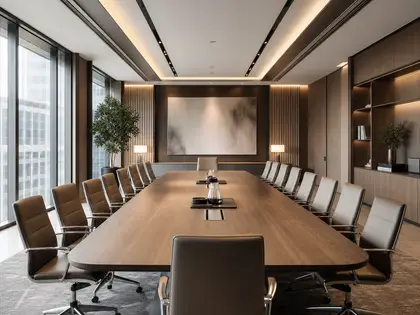
Conference hall trends to watch now: materials, layouts and smart tech that are shaping 2026
A practical look at the latest conference hall trends, from quieter materials and flexible layouts to smarter tech, calmer colours and easy updates that do not require a full refurbishment.
Read article →— Questions
Frequently asked questions
Is contemporary ocean architecture always all-white?
No. White is common, but many schemes use gray concrete, warm timber, and muted stone to soften the look and suit the site.
What materials work best in a coastal climate?
Materials that resist moisture and salt are best, such as treated timber, sealed concrete, stone, and marine-grade metal hardware and fixtures.
How do you keep this style from feeling cold?
Add texture and warmth through wood, natural stone, soft furnishings, and shaded outdoor spaces that connect the interior to the landscape.