— Ideas & inspiration
Contemporary composition
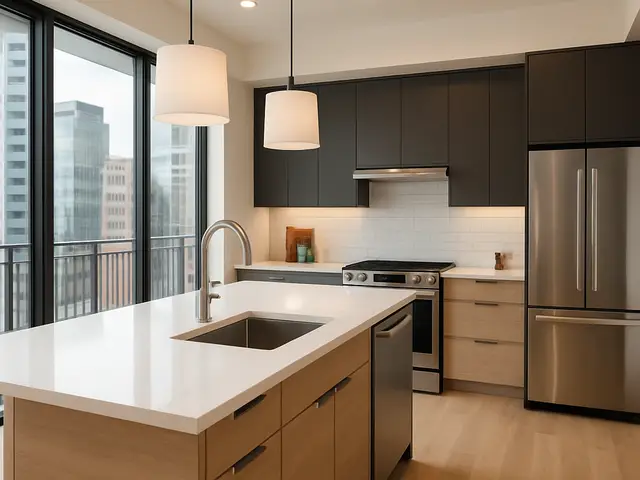
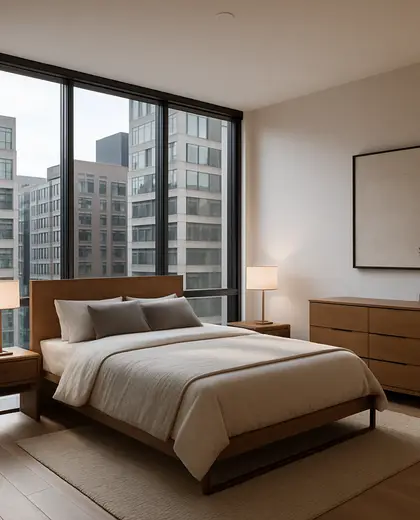
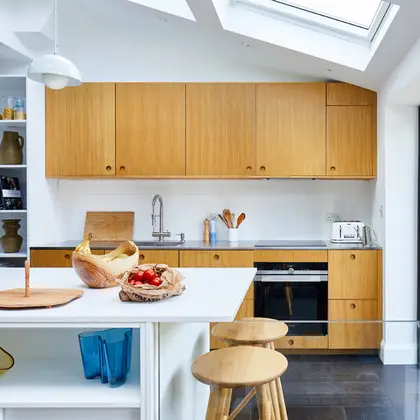
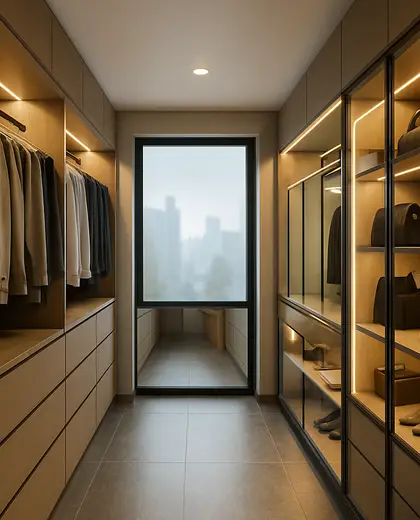
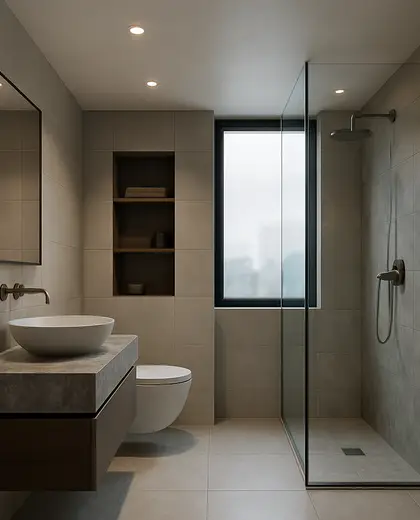
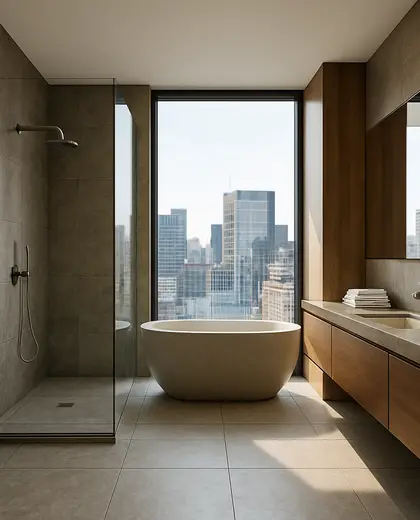
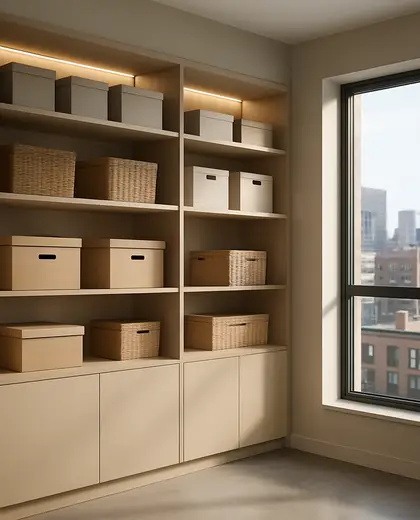
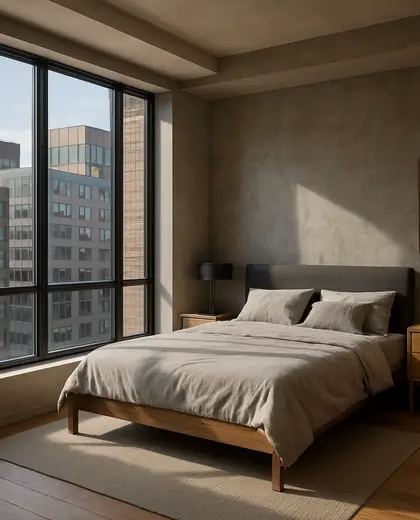
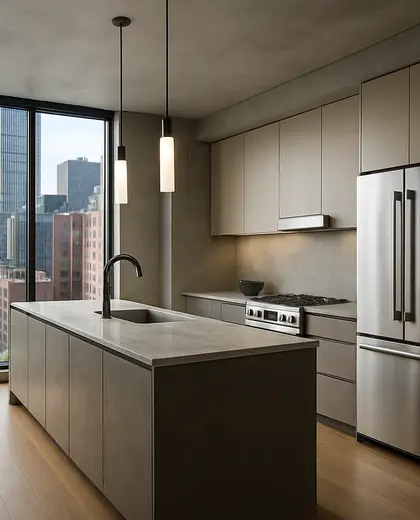
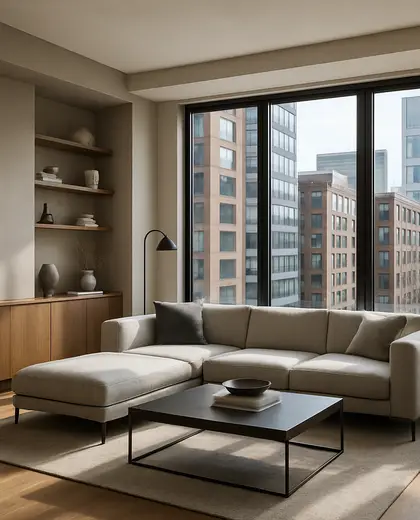
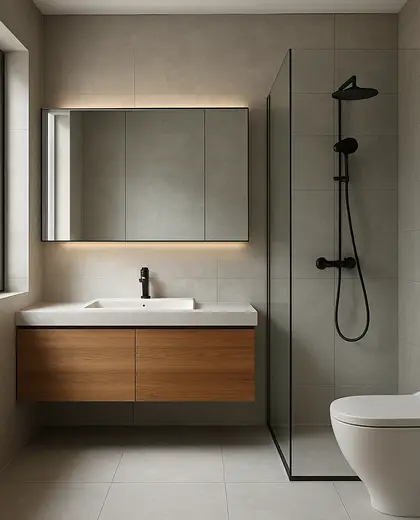
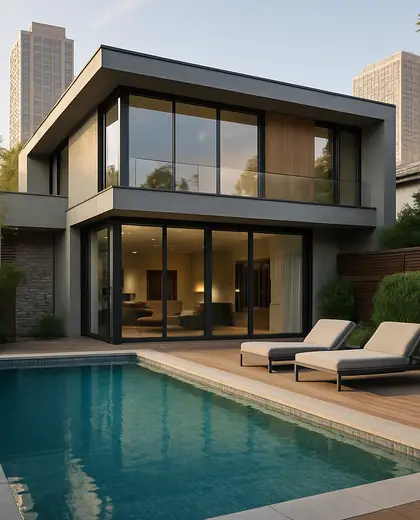
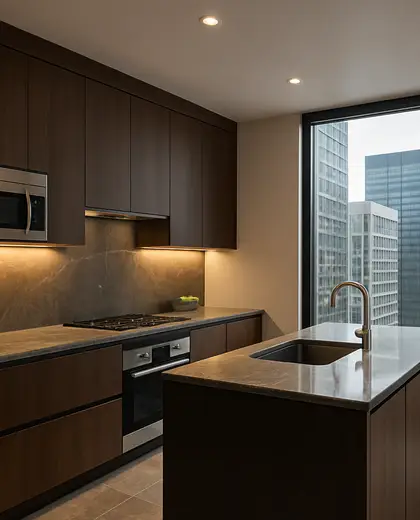
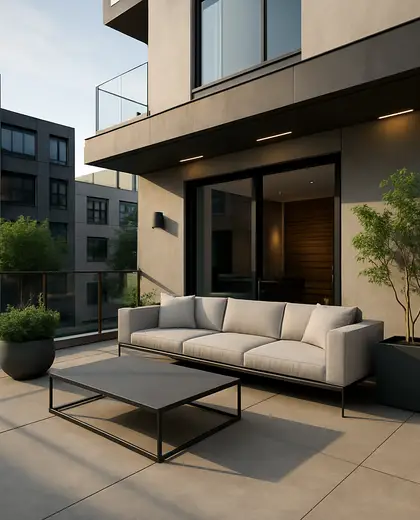
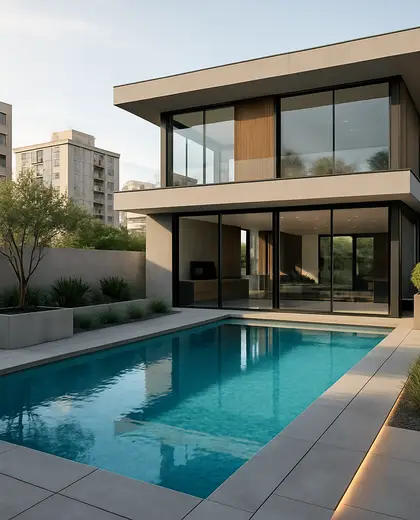
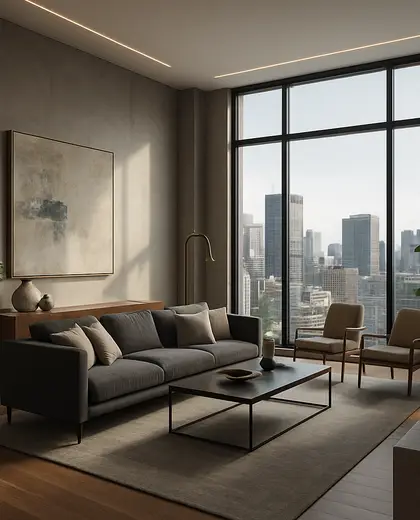
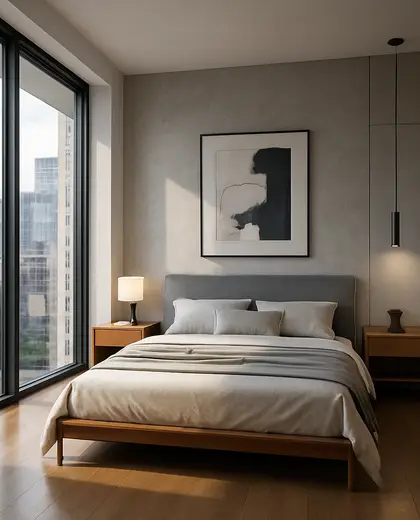
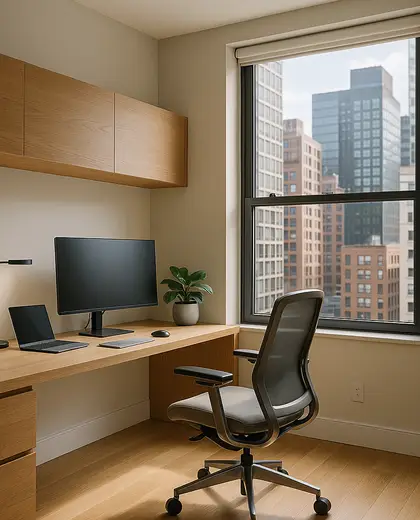
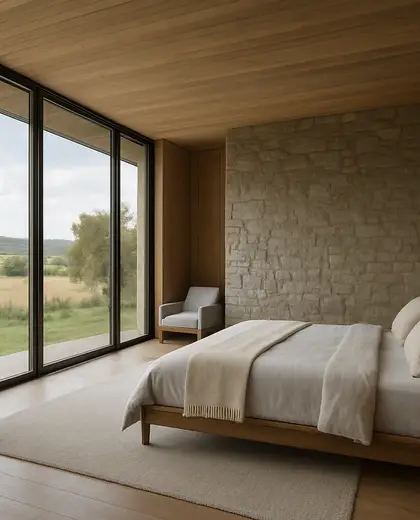
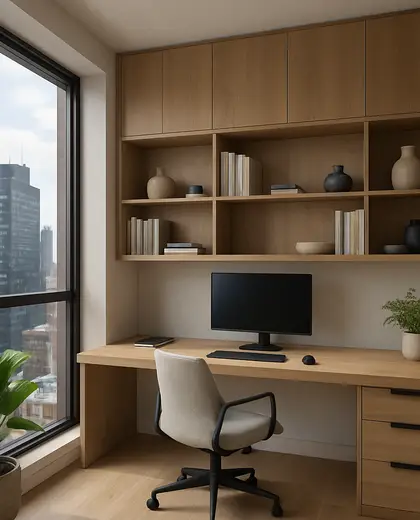
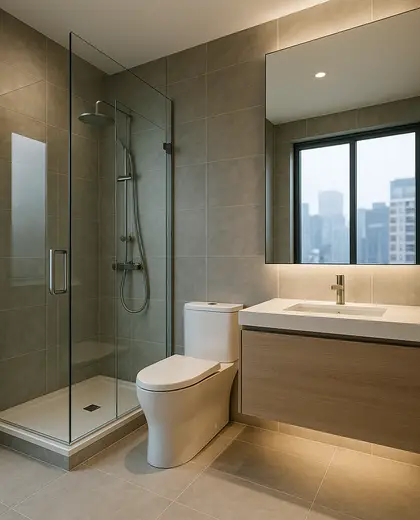
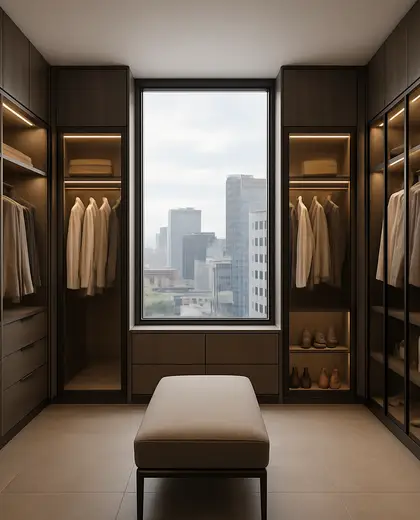
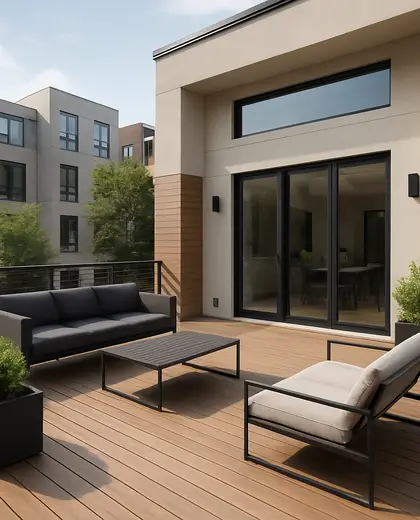
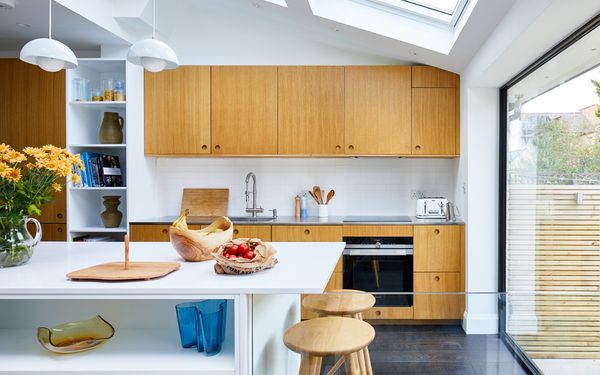
Contemporary composition is defined by clean lines, open layouts, and a restrained mix of materials such as glass, steel, smooth plaster, and natural wood. The palette is usually neutral—white, beige, gray, and black—with occasional muted accent colors. It often combines flat-front joinery, large windows, simple lighting, and minimal ornament rather than decorative detailing.
- contemporary
— References
References to explore
Conference hall trends to watch now: materials, layouts and smart tech that are shaping 2026
A practical look at the latest conference hall trends, from quieter materials and flexible layouts to smarter tech, calmer colours and easy updates that do not require a full refurbishment.
Read article →
Is contemporary the same as modern?
Not exactly. Contemporary refers to what is current and can change over time, while modern usually points to a specific mid-century design language.
What materials fit a contemporary home?
Common choices include wood, glass, metal, plaster, stone, and concrete, usually finished in a simple and understated way.
How do I keep a contemporary interior from feeling cold?
Use warmer wood tones, textured fabrics, softer lighting, and a few carefully chosen pieces rather than too many hard surfaces.
— The style
What defines it
Glass, steel, polished concrete, plaster, and natural wood are common, often with matte or smooth finishes.
Mostly neutral tones like white, gray, taupe, and black, sometimes softened with warm wood or muted color accents.
Works well with open-plan layouts, slim-profile furniture, large glazing, built-in storage, and minimal trim.
— Professionals
Who has already built it

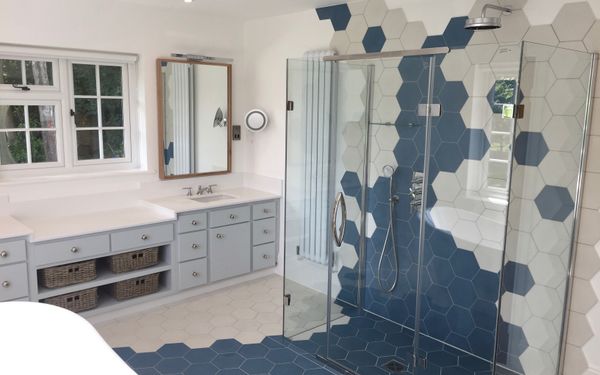

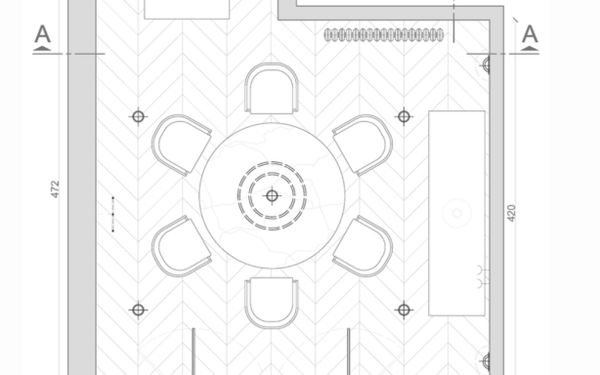

- paquis norris group limitedbuilders · Reading · 3 projectsView profile →
- LoftRobejoiners · Guildford · 4 projectsView profile →
- Beneito Faurelighting designers · 2 projectsView profile →
- Lusso Stonetile suppliers · Stocktonontees · 7 projectsView profile →
— Explore
Keep exploring
— ARTICLES
Related reading
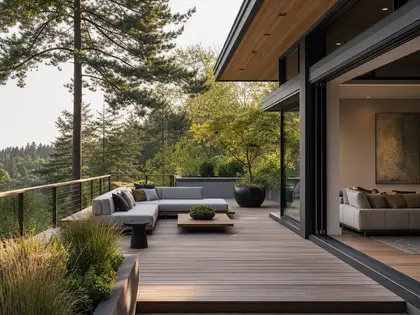
5 mistakes to avoid when planning a deck
A practical guide to the most common deck planning mistakes, with simple fixes that help you create a safer, smarter and more enjoyable outdoor space.
Read article →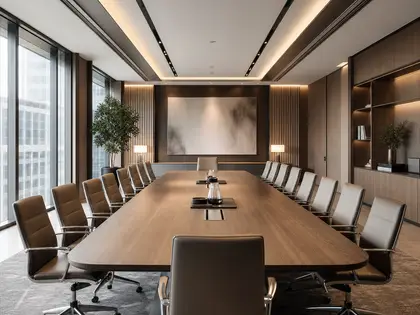
Conference hall trends to watch now: materials, layouts and smart tech that are shaping 2026
A practical look at the latest conference hall trends, from quieter materials and flexible layouts to smarter tech, calmer colours and easy updates that do not require a full refurbishment.
Read article →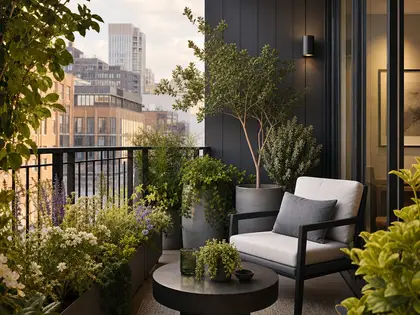
Balcony garden budget guide: what a sensible renovation really costs
A practical UK budget guide for renovating a balcony garden, with realistic cost ranges, where to spend, where to save, and the hidden extras people often miss.
Read article →— Questions
Frequently asked questions
Is contemporary the same as modern?
Not exactly. Contemporary refers to what is current and can change over time, while modern usually points to a specific mid-century design language.
What materials fit a contemporary home?
Common choices include wood, glass, metal, plaster, stone, and concrete, usually finished in a simple and understated way.
How do I keep a contemporary interior from feeling cold?
Use warmer wood tones, textured fabrics, softer lighting, and a few carefully chosen pieces rather than too many hard surfaces.