— Ideas & inspiration
A house with neoclassical elegance
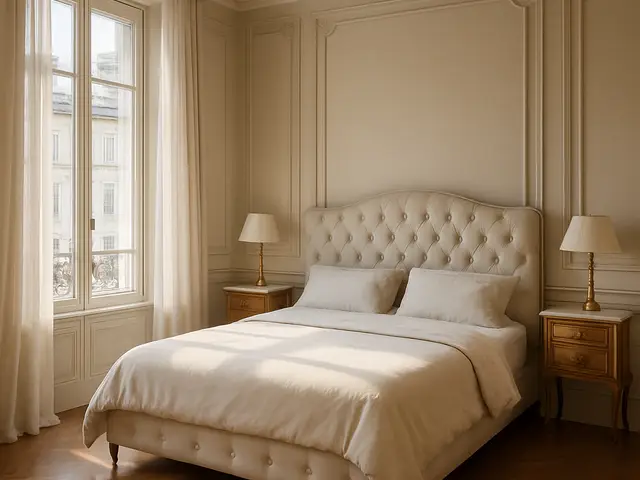
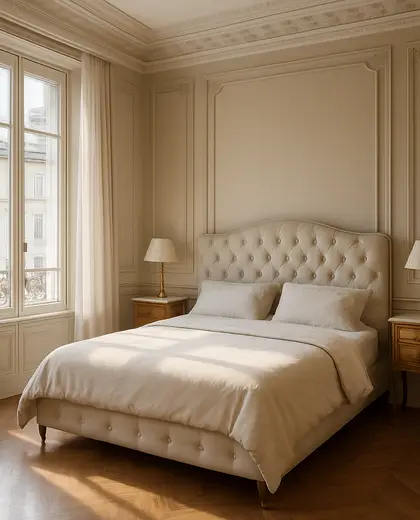
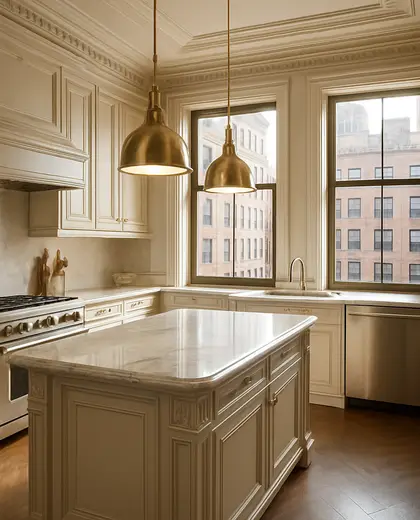
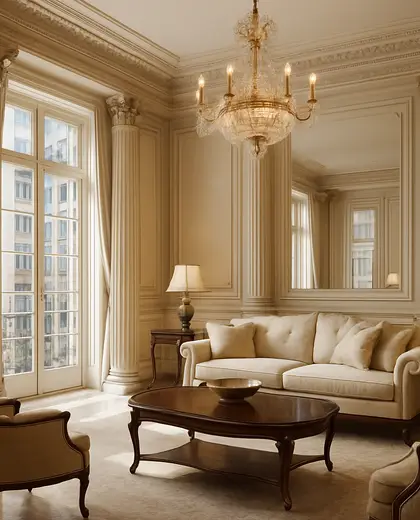
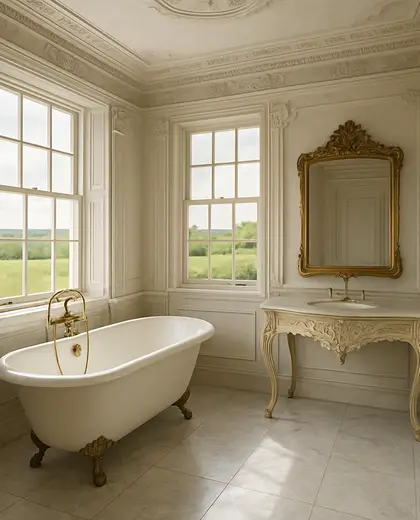
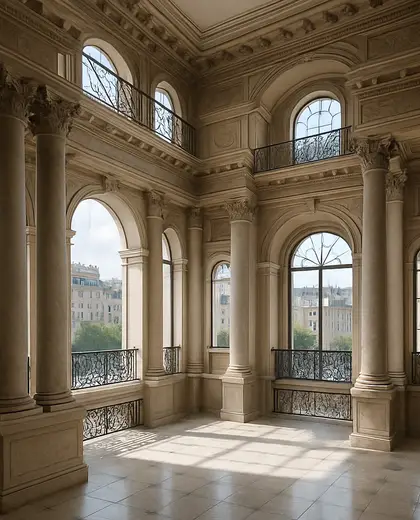
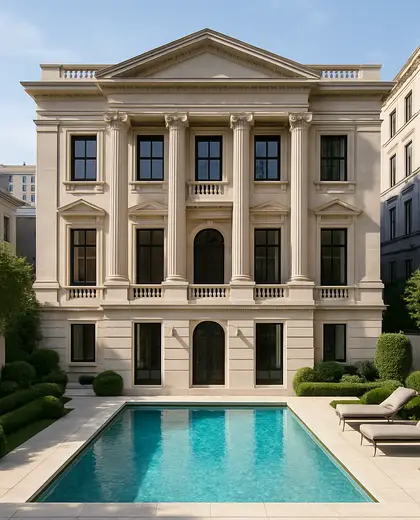
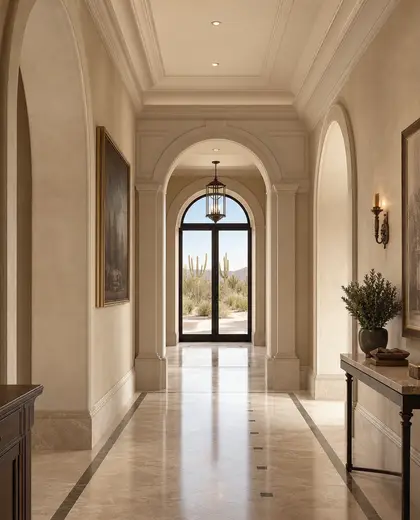
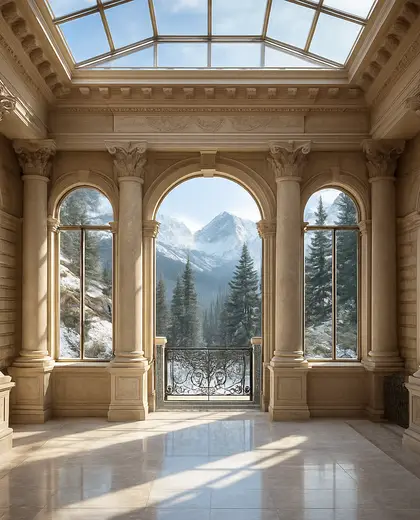
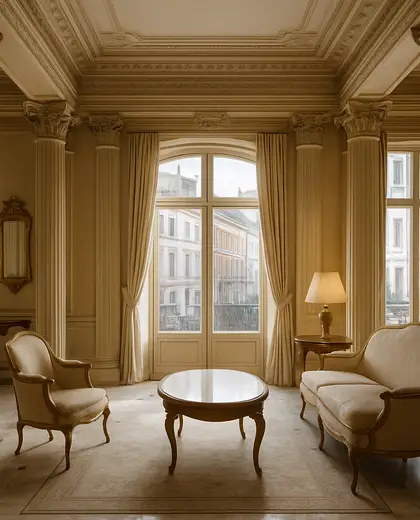
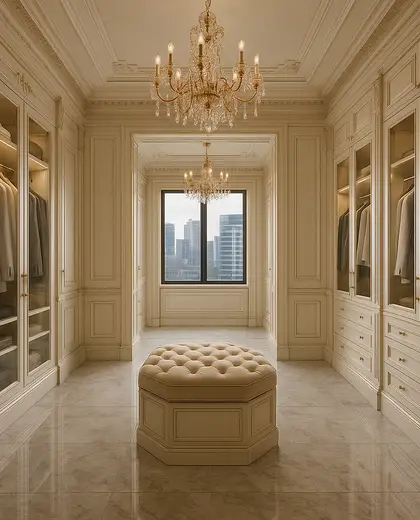
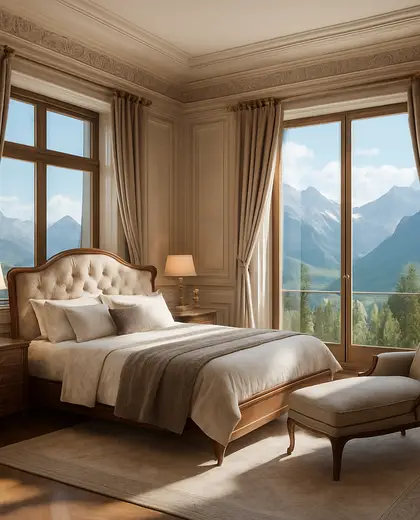
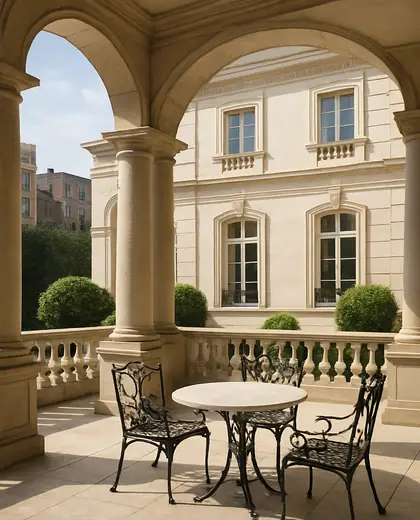
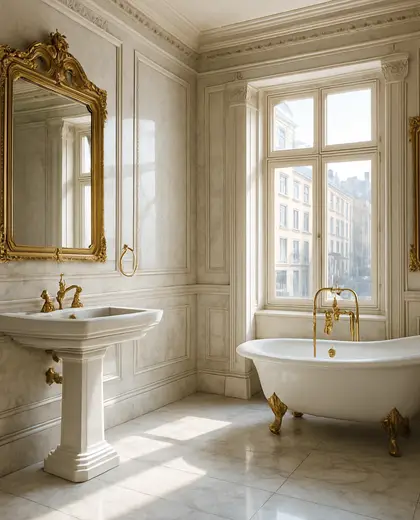
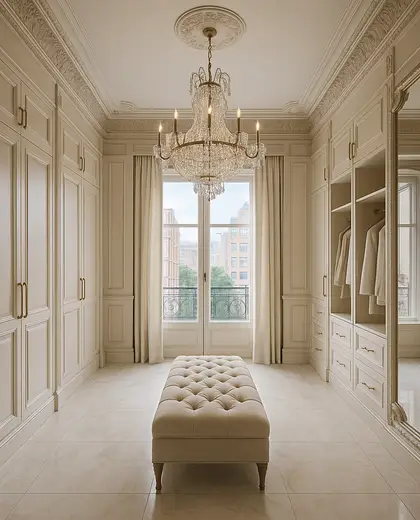
This composition is defined by symmetry, formal proportions, and restrained classical detailing. Expect stone or stucco facades, tall windows, columned porches or pilasters, and interiors with mouldings, wainscoting, and refined trim. The palette is usually light and balanced, with white, cream, soft gray, beige, and muted stone tones.
- house
- neoclassical
— References
References to explore
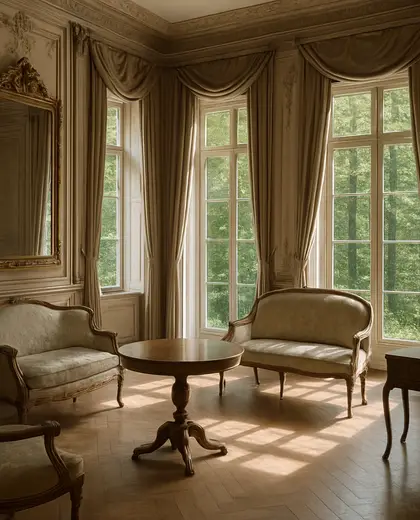
What makes a house feel neoclassical rather than just traditional?
The main cues are symmetry, balanced proportions, classical references like columns or pilasters, and more formal detailing around doors, windows, and cornices.
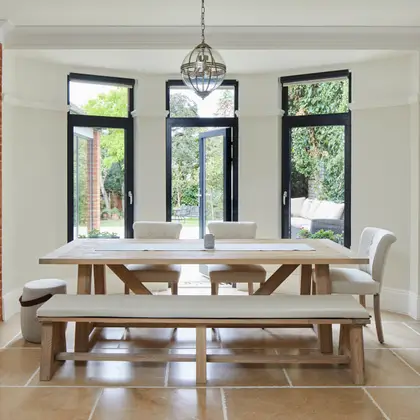
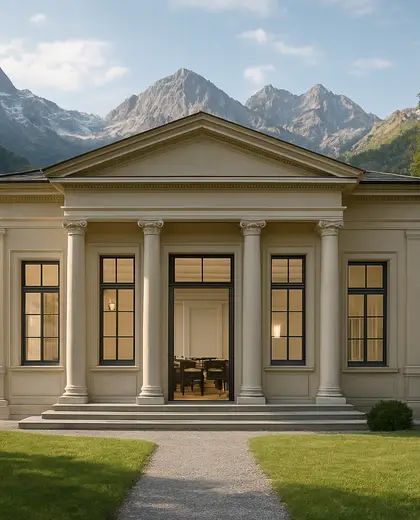
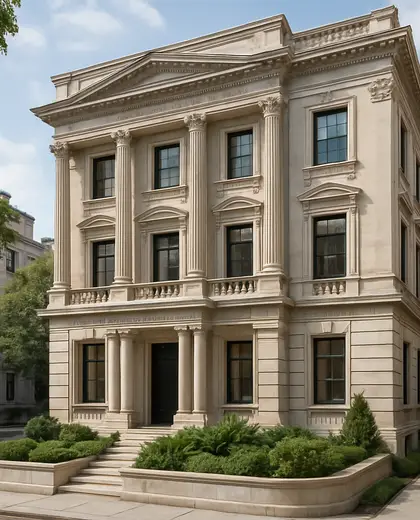
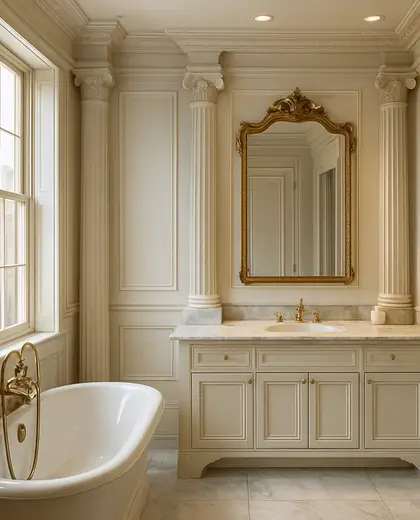
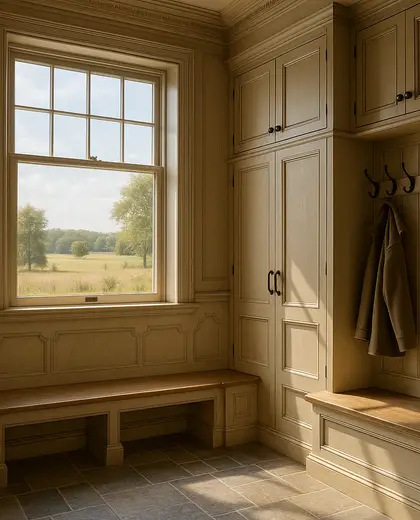
Can a neoclassical house still feel livable and modern inside?
Yes. The exterior language can stay classical while the interior layout, kitchen, and bathrooms are updated for contemporary use and comfort.
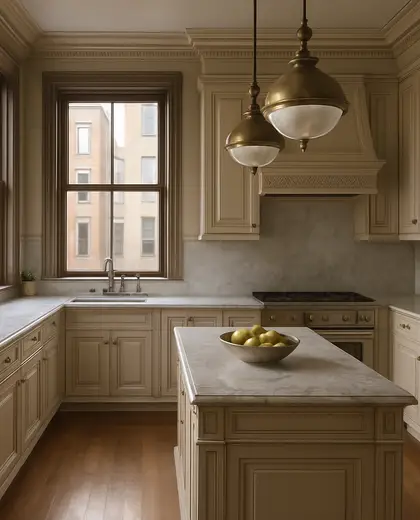
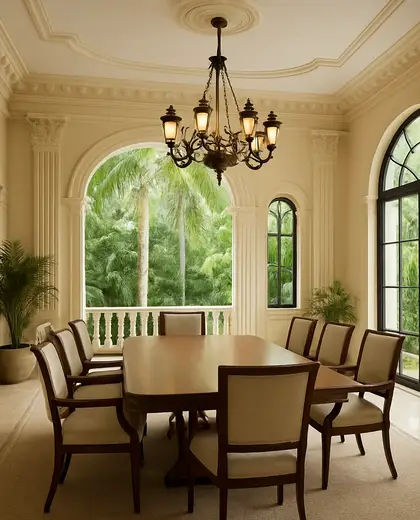
What should I avoid if I want the style to read clearly?
Avoid mixing too many competing decorative styles, overly rustic finishes, and irregular facade compositions that weaken the formal, ordered look.



— The style
What defines it
Stucco, limestone, marble, painted wood trim, cast stone, and sometimes wrought iron for balustrades or railings.
White, ivory, cream, pale gray, taupe, and warm stone colors, often paired with dark accents for contrast.
A traditional house form, often bringing classical symmetry, columns, pediments, and decorative mouldings into a residential setting.
— Professionals
Who has already built it
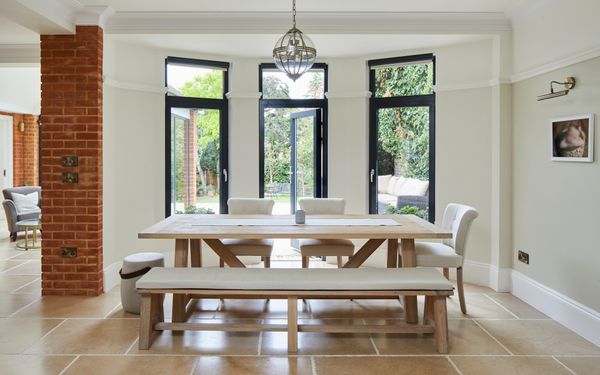

- paquis norris group limitedbuilders · Reading · 3 projectsView profile →
- LoftRobejoiners · Guildford · 4 projectsView profile →
- Beneito Faurelighting designers · 2 projectsView profile →
- Lusso Stonetile suppliers · Stocktonontees · 7 projectsView profile →
— Explore
Keep exploring
— Questions
Frequently asked questions
What makes a house feel neoclassical rather than just traditional?
The main cues are symmetry, balanced proportions, classical references like columns or pilasters, and more formal detailing around doors, windows, and cornices.
Can a neoclassical house still feel livable and modern inside?
Yes. The exterior language can stay classical while the interior layout, kitchen, and bathrooms are updated for contemporary use and comfort.
What should I avoid if I want the style to read clearly?
Avoid mixing too many competing decorative styles, overly rustic finishes, and irregular facade compositions that weaken the formal, ordered look.