— Ideas & inspiration
Rustic warmth in a desert landscape
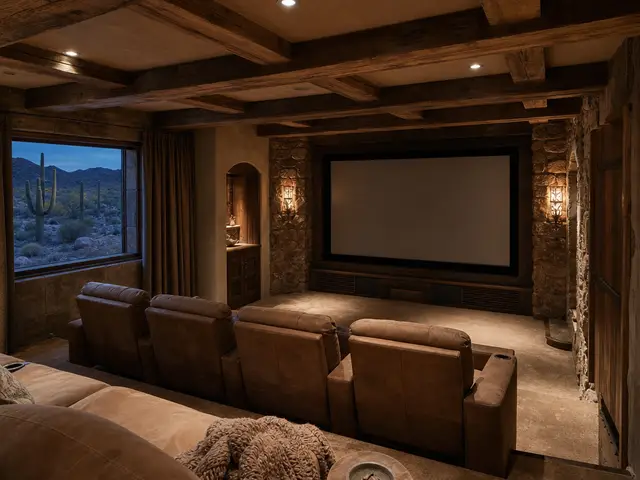
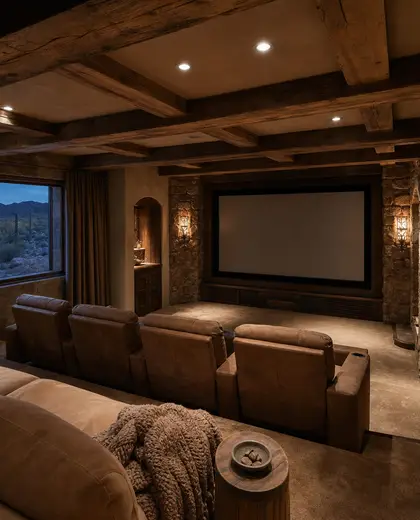
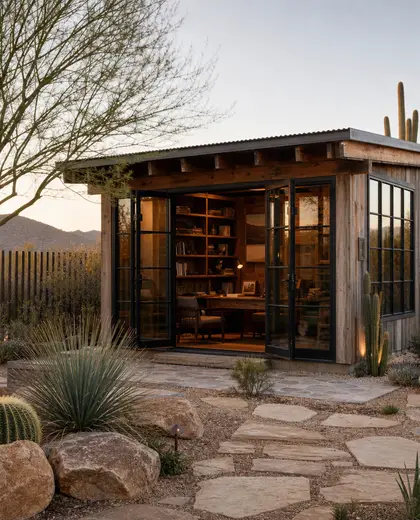
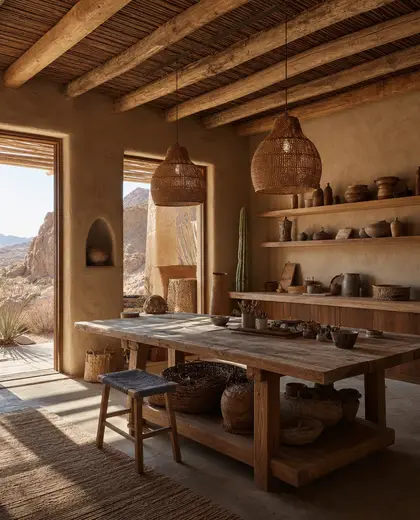
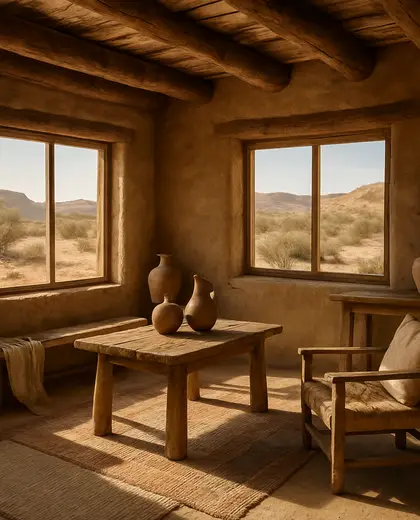
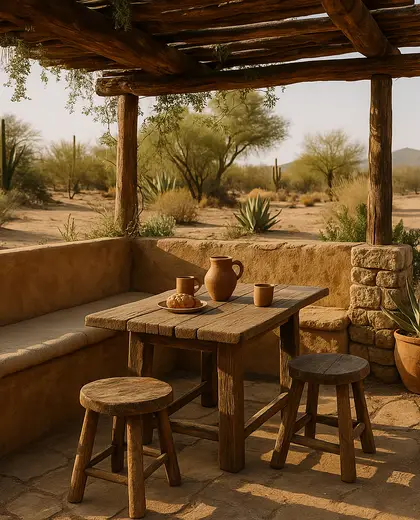
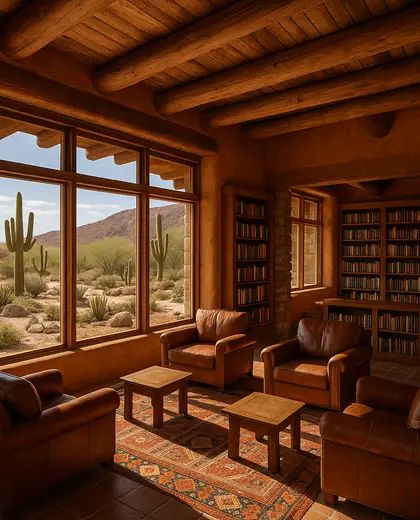
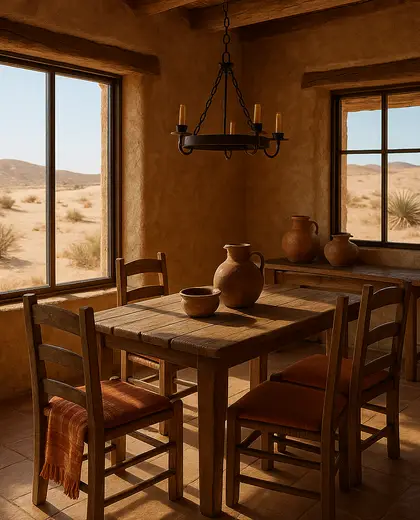
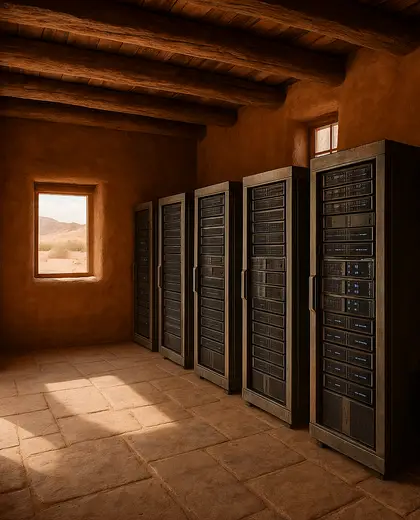
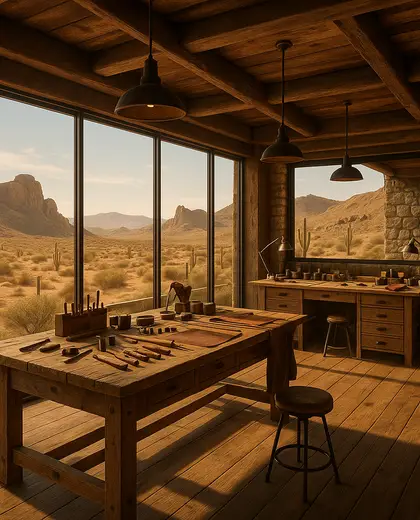
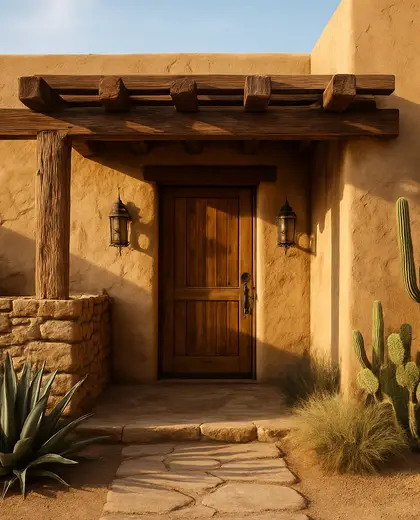
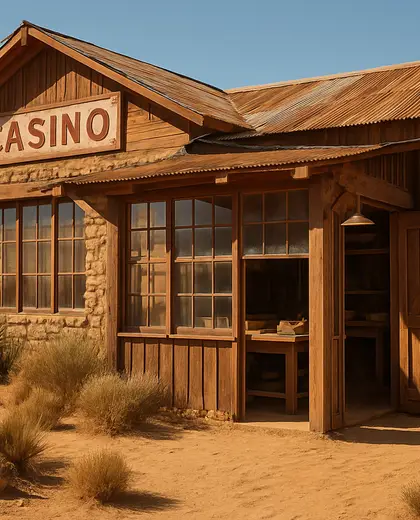
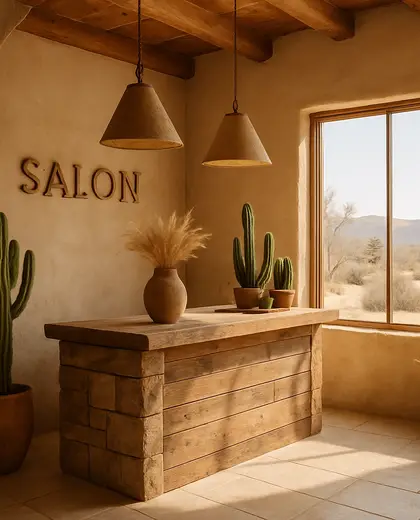
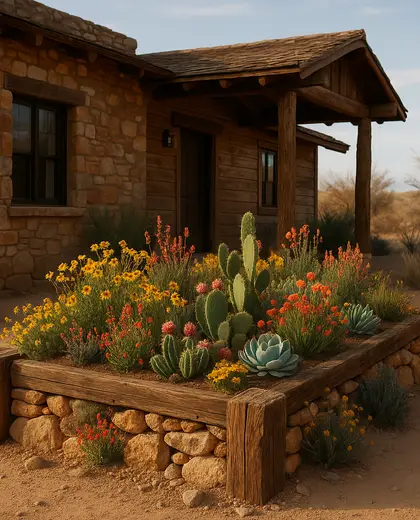
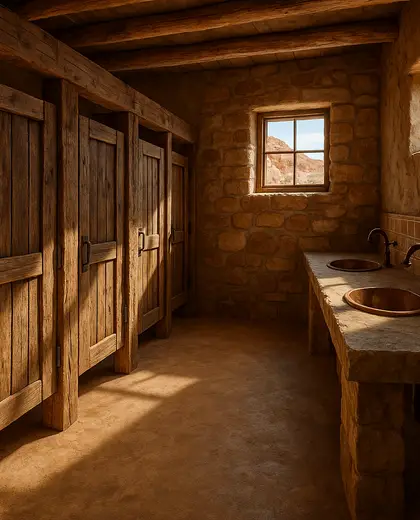
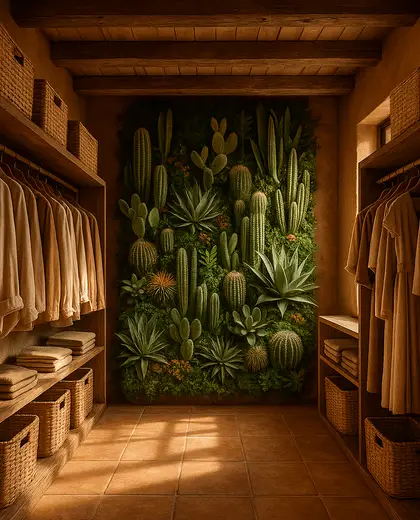
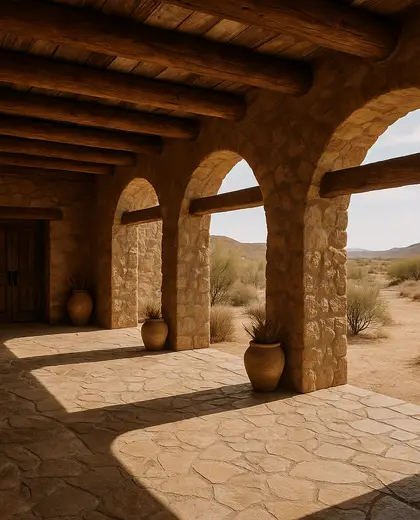
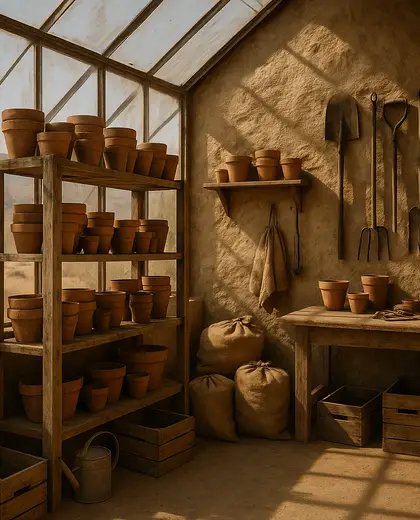
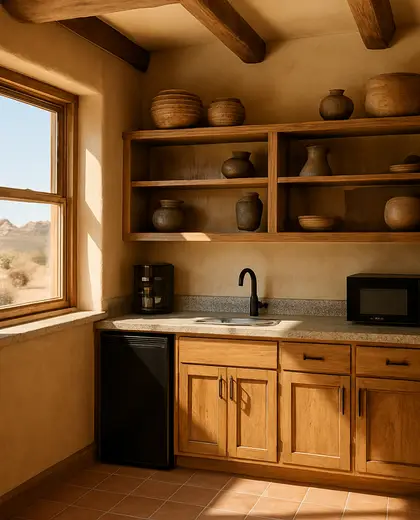
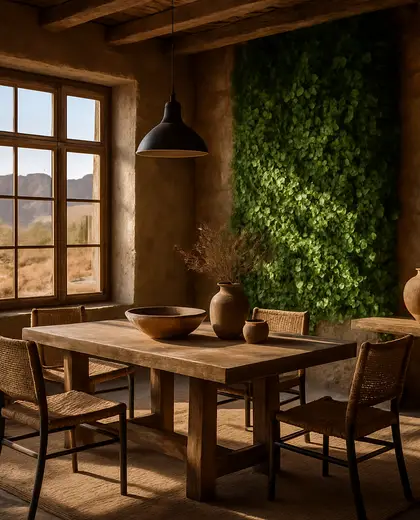
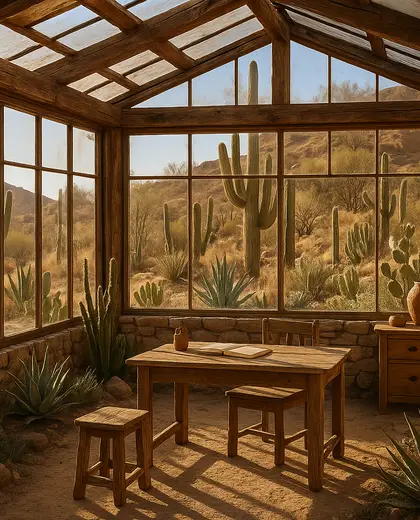
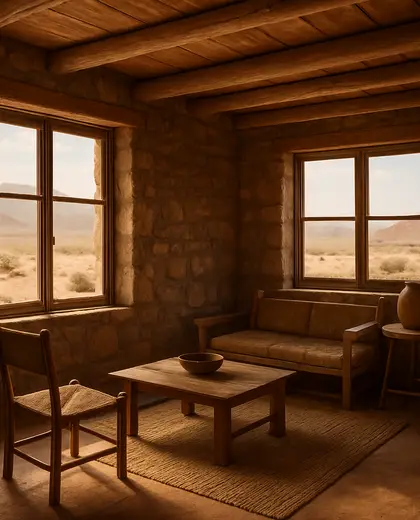
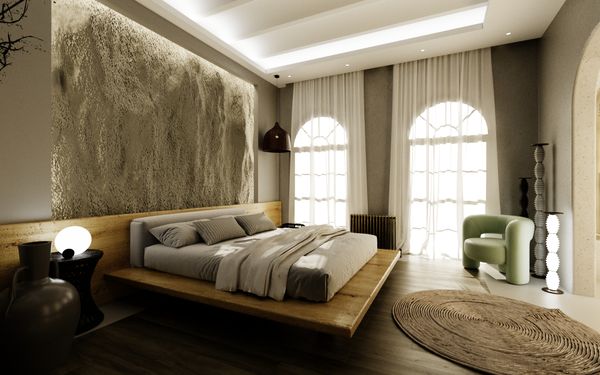
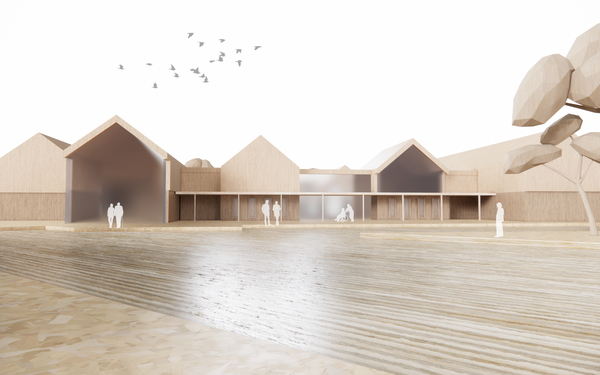
This composition pairs weathered, tactile materials with the stark clarity of desert settings. Think plastered walls, rough timber, stone, clay, and shaded openings shaped by heat, dust, and long views. The result is grounded, low-profile architecture with earthy tones and a dry, sun-washed texture.
- rustic
- desert
— References
References to explore
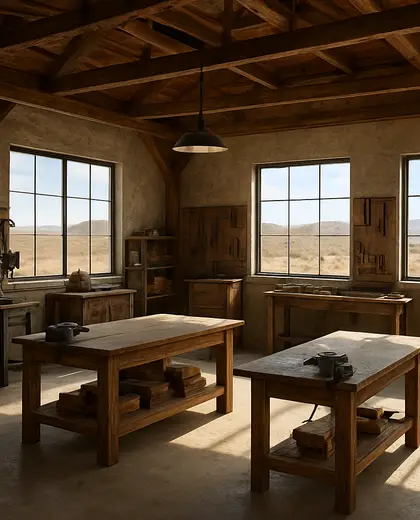
What makes a home feel rustic in a desert setting?
A rustic desert home uses honest, weathered materials and simple forms that respond to heat and dryness. Shaded porches, thick walls, and earthy finishes help it feel both grounded and appropriate to the climate.
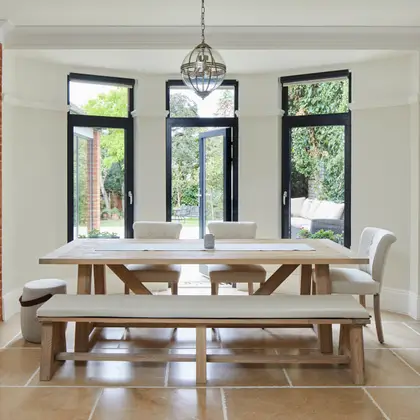
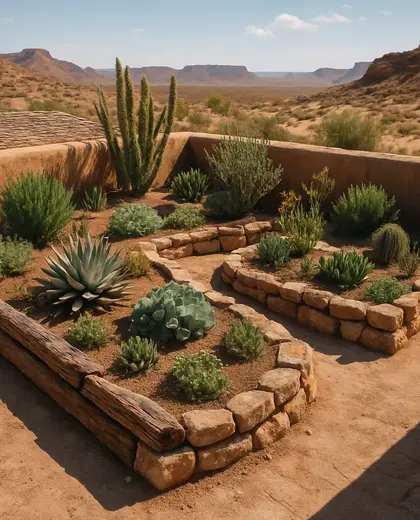
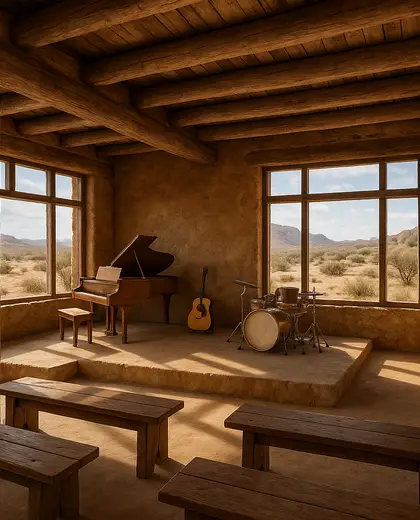
Can rustic desert style still feel modern?
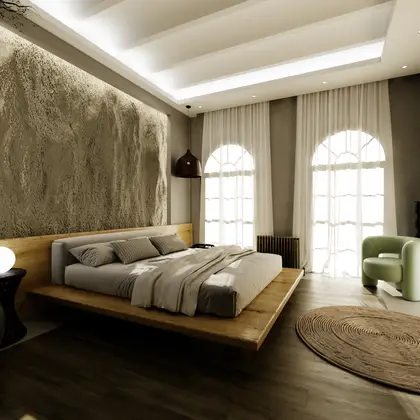
Yes. The style can be updated with cleaner lines, larger glazing, and restrained detailing while keeping rough textures and warm, natural materials. The key is balance between simplicity and surface character.
What exterior colors work best for this look?
Muted earth tones work best, especially colors drawn from sand, clay, stone, and sun-baked soil. Strong whites or cool grays can work in small amounts, but the overall palette should stay warm and natural.
— The style
What defines it
Plaster, stone, timber, clay tile, rammed earth, and patinated metal are common choices.
Sand, terracotta, ochre, beige, smoke gray, and sun-faded browns define the look.
It often works with natural landscaping, shaded courtyards, deep overhangs, and simple massing.
— Professionals
Who has already built it



- paquis norris group limitedbuilders · Reading · 3 projectsView profile →
- LoftRobejoiners · Guildford · 4 projectsView profile →
- Beneito Faurelighting designers · 2 projectsView profile →
- Lusso Stonetile suppliers · Stocktonontees · 7 projectsView profile →
— Explore
Keep exploring
— Questions
Frequently asked questions
What makes a home feel rustic in a desert setting?
A rustic desert home uses honest, weathered materials and simple forms that respond to heat and dryness. Shaded porches, thick walls, and earthy finishes help it feel both grounded and appropriate to the climate.
Can rustic desert style still feel modern?
Yes. The style can be updated with cleaner lines, larger glazing, and restrained detailing while keeping rough textures and warm, natural materials. The key is balance between simplicity and surface character.
What exterior colors work best for this look?
Muted earth tones work best, especially colors drawn from sand, clay, stone, and sun-baked soil. Strong whites or cool grays can work in small amounts, but the overall palette should stay warm and natural.