— Ideas & inspiration
Rustic mountain retreats rooted in the landscape
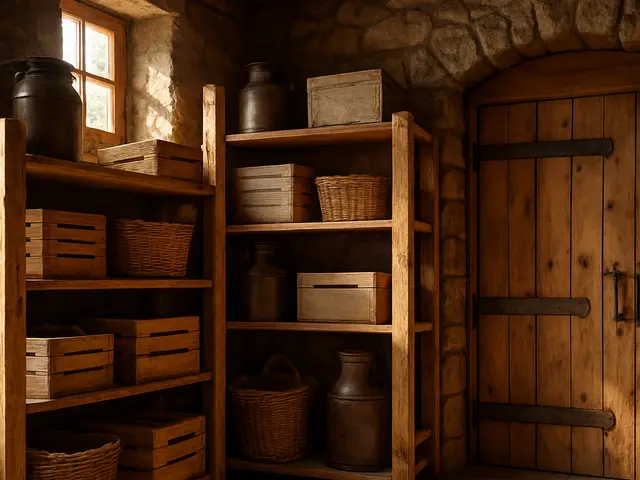
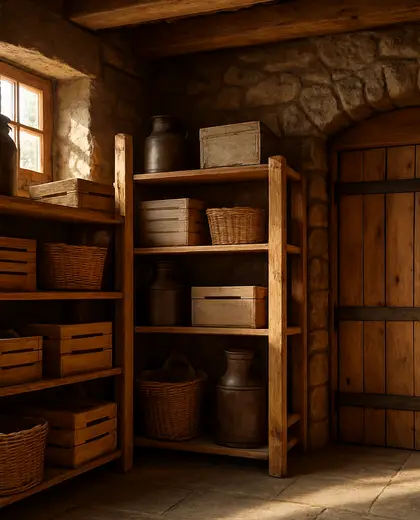
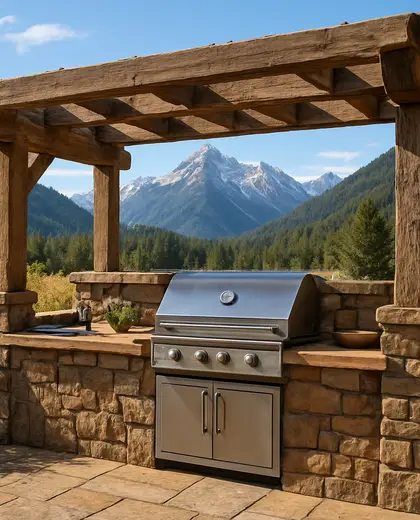
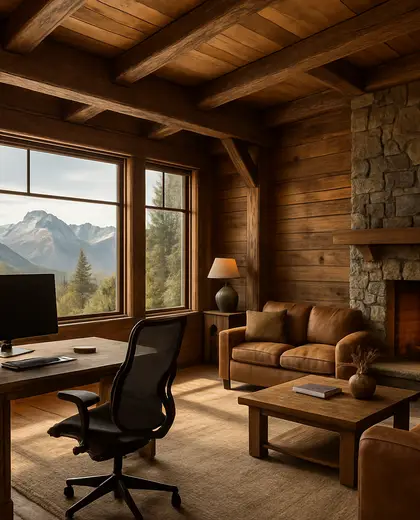
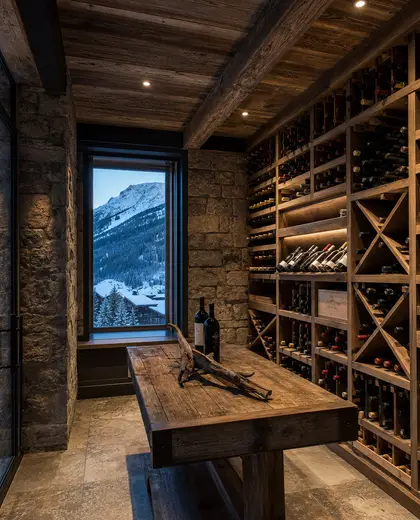
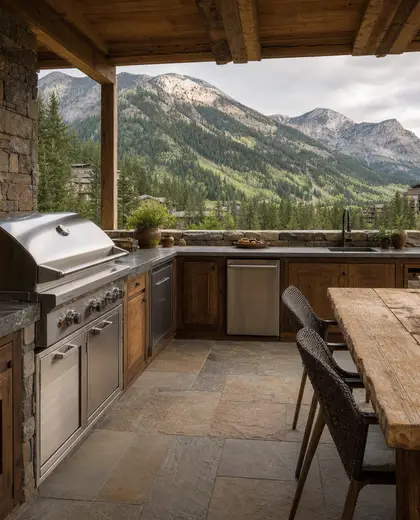
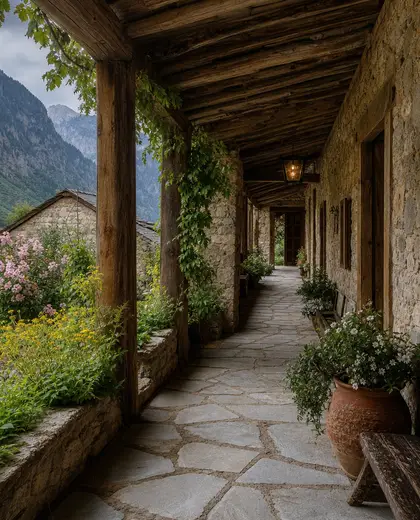
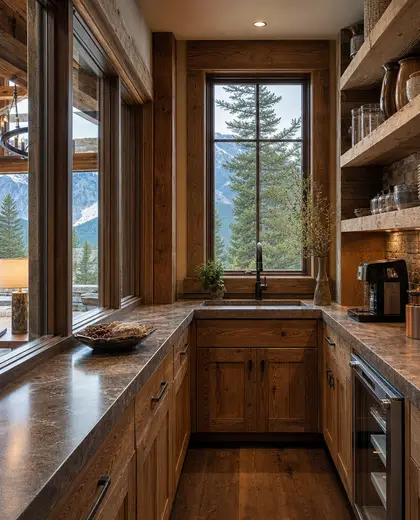
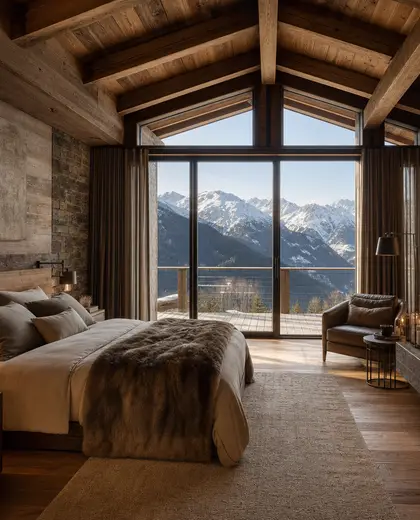
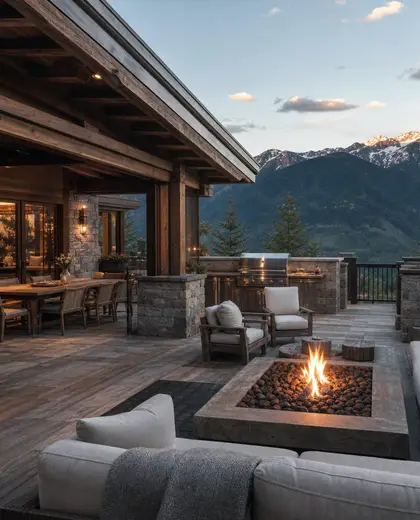
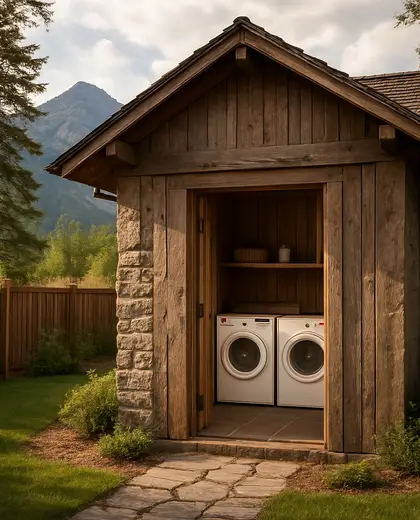
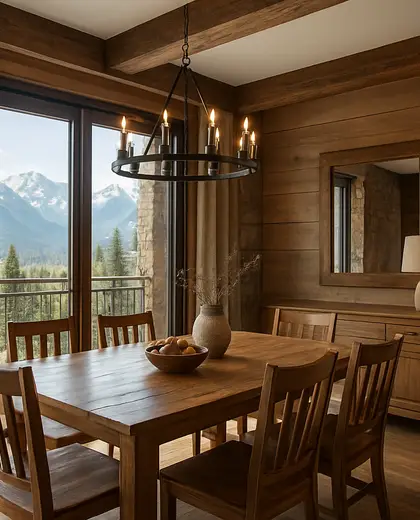
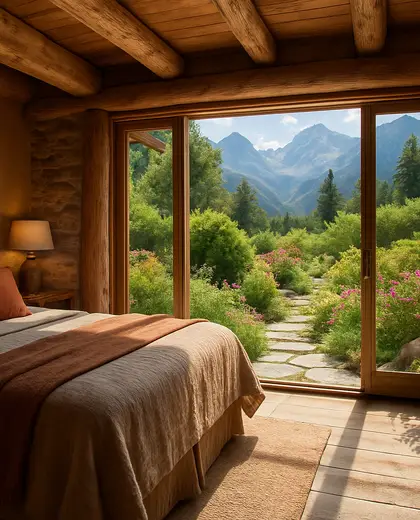
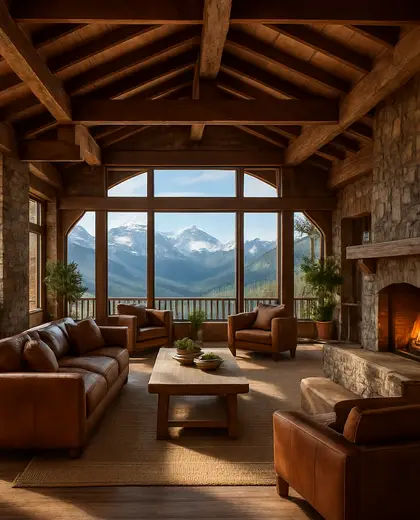
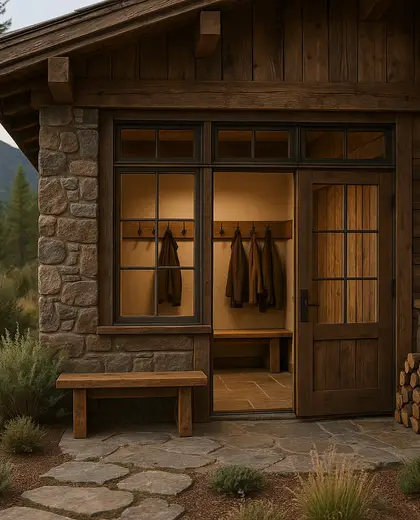
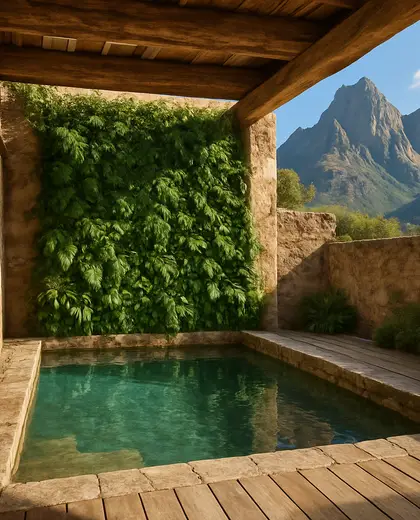
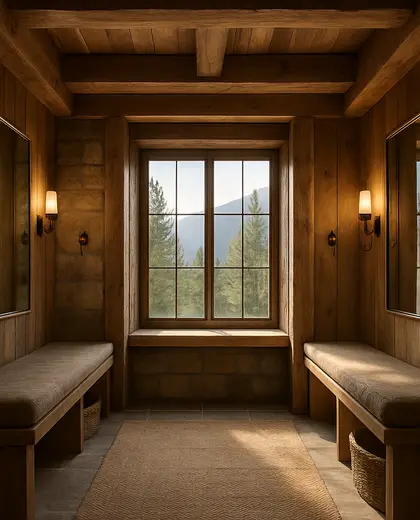
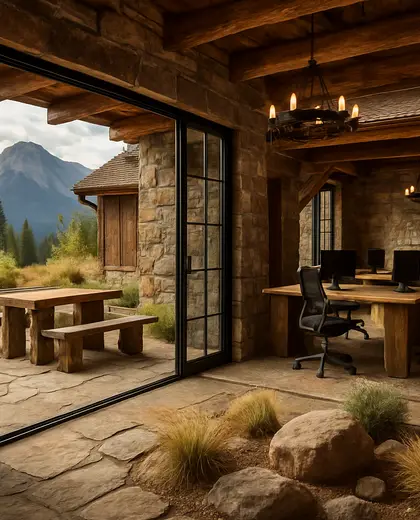
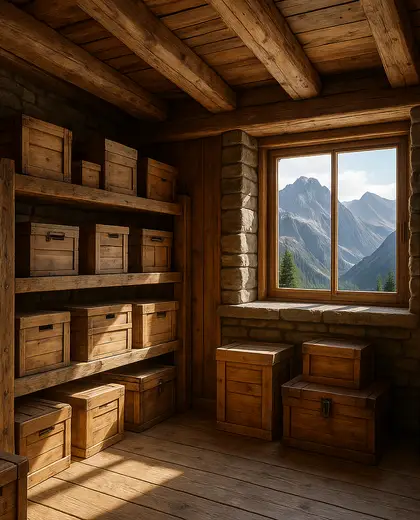
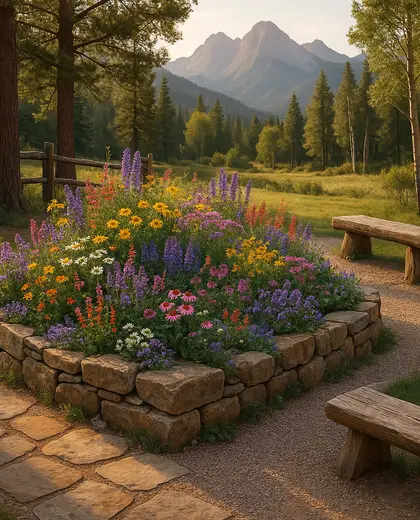
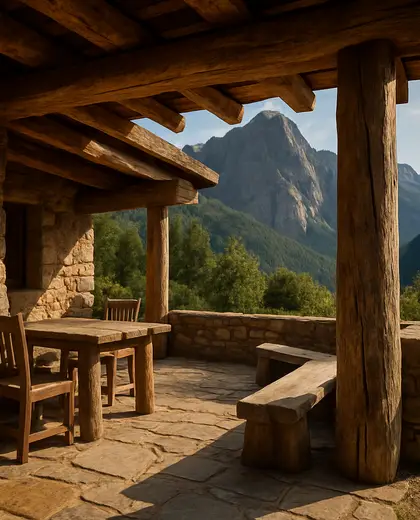
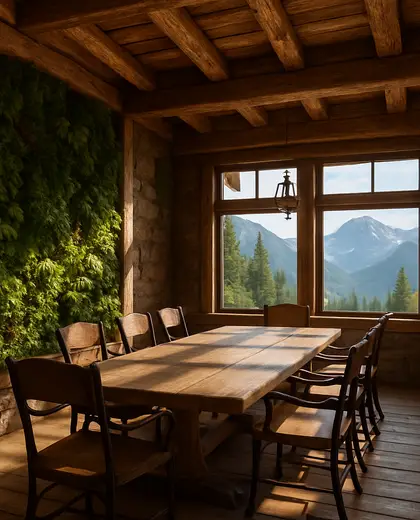
This composition is defined by weathered wood, natural stone, rough plaster, and heavy timber framing, often paired with steep roofs and deep overhangs. The palette stays grounded in earth tones, warm browns, charcoal, muted gray, and weathered neutrals. Its key elements are exposed structure, textured surfaces, and forms that feel sheltered against alpine weather.
- rustic
- mountain
— References
References to explore
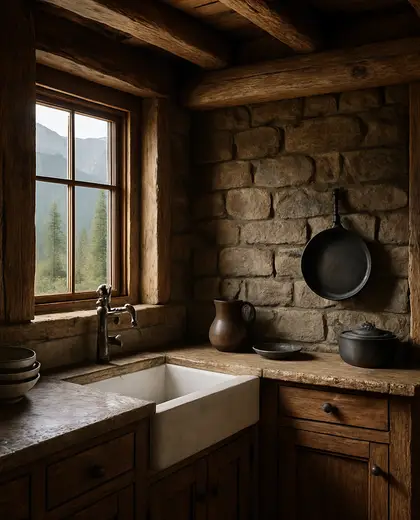
How do I keep a rustic mountain exterior from looking too heavy?
Use the darker materials sparingly and balance them with lighter stone, open glazing, and simpler roof lines. Clean detailing helps the texture feel intentional rather than bulky.
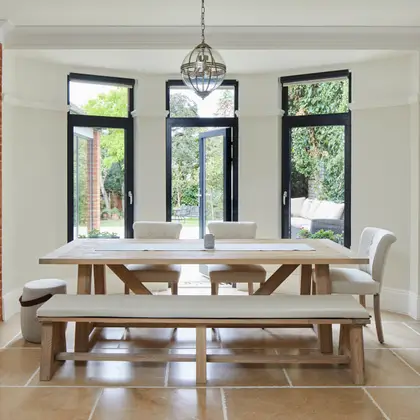
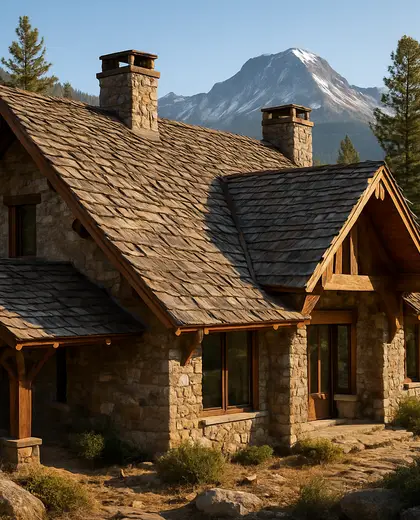
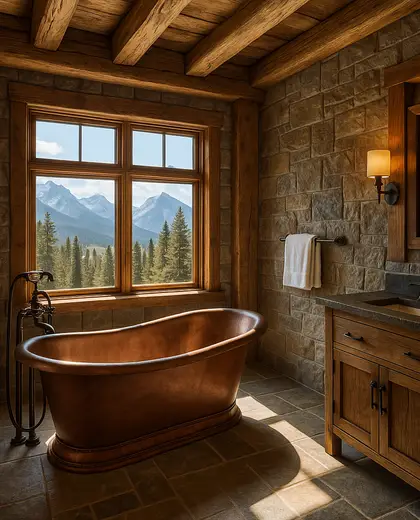
What interior finishes suit a rustic mountain home?
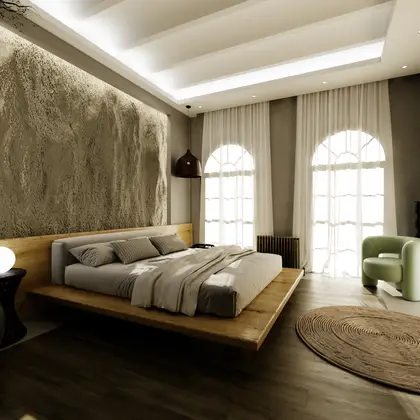
Natural wood floors, exposed beams, stone fireplaces, linen, leather, and matte metal details fit the look well. Keep the finishes tactile and muted rather than glossy.
Can this style work in a modern house plan?
Yes, if the rustic elements are pared back and used as accents on a simple mountain form. Large windows, restrained trims, and one or two strong natural materials help it feel contemporary.
— The style
What defines it
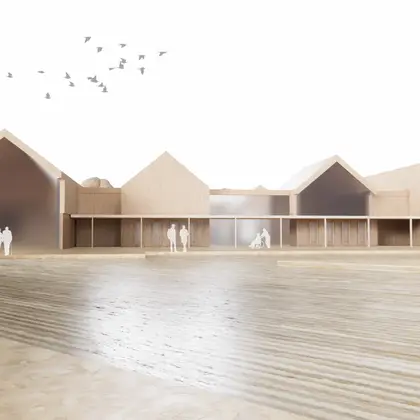
Reclaimed wood, stone, timber beams, metal roofing, and textured plaster are the core materials.
Think earth tones, bark brown, slate gray, warm beige, charcoal, and soft weathered whites.
Works well with mountain cabin, chalet, lodge, and contemporary alpine architecture.
— Professionals
Who has already built it
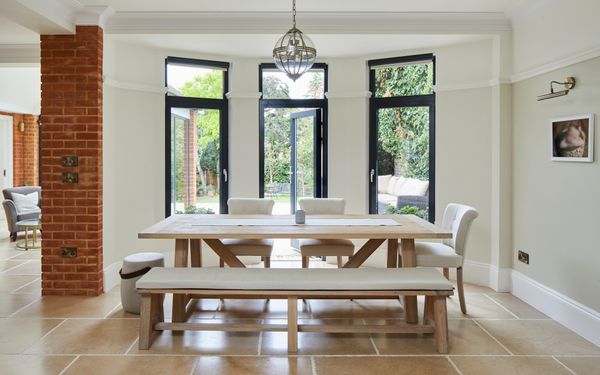

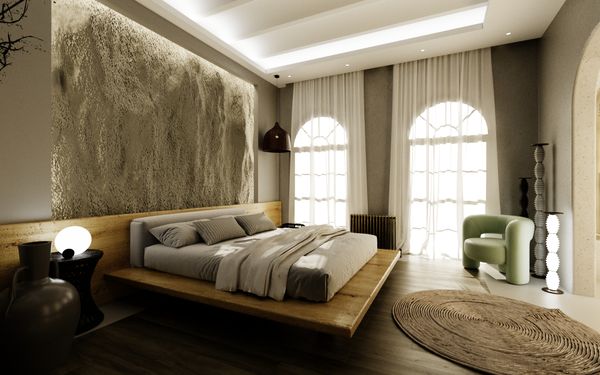

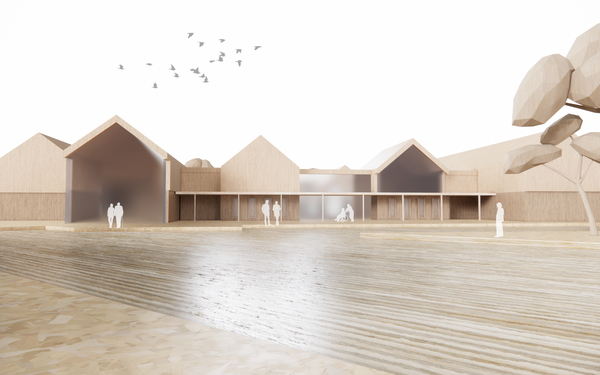

- paquis norris group limitedbuilders · Reading · 3 projectsView profile →
- LoftRobejoiners · Guildford · 4 projectsView profile →
- Beneito Faurelighting designers · 2 projectsView profile →
- Lusso Stonetile suppliers · Stocktonontees · 7 projectsView profile →
— Explore
Keep exploring
— Questions
Frequently asked questions
How do I keep a rustic mountain exterior from looking too heavy?
Use the darker materials sparingly and balance them with lighter stone, open glazing, and simpler roof lines. Clean detailing helps the texture feel intentional rather than bulky.
What interior finishes suit a rustic mountain home?
Natural wood floors, exposed beams, stone fireplaces, linen, leather, and matte metal details fit the look well. Keep the finishes tactile and muted rather than glossy.
Can this style work in a modern house plan?
Yes, if the rustic elements are pared back and used as accents on a simple mountain form. Large windows, restrained trims, and one or two strong natural materials help it feel contemporary.