— Ideas & inspiration
Rustic forms in the forest
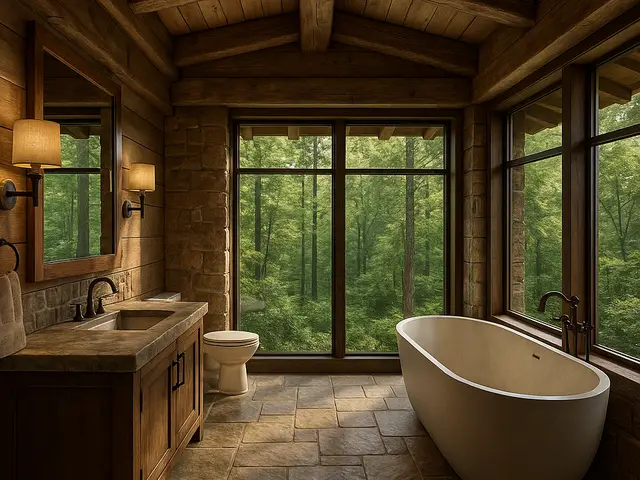
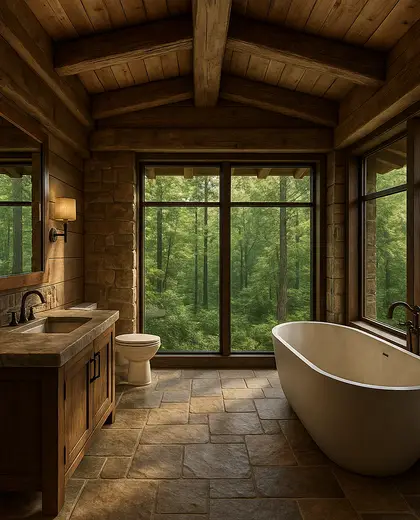
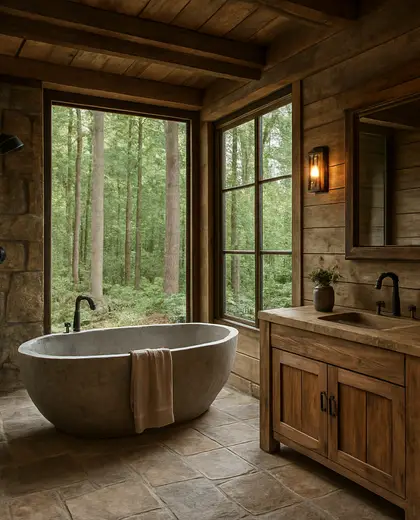
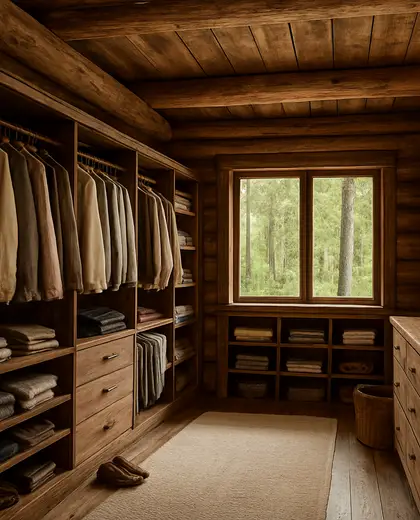
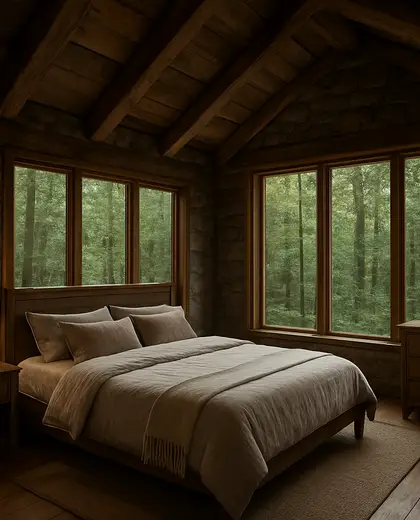
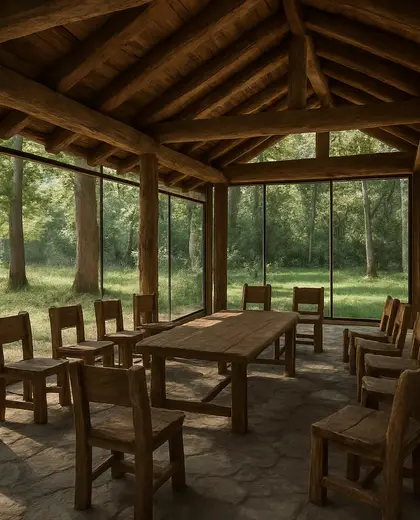
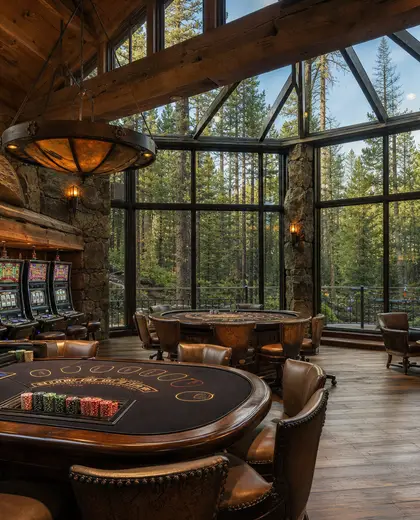
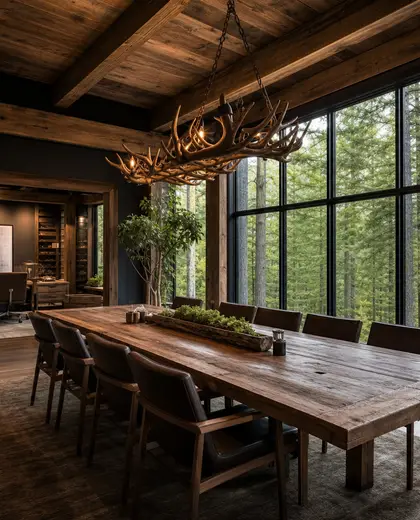
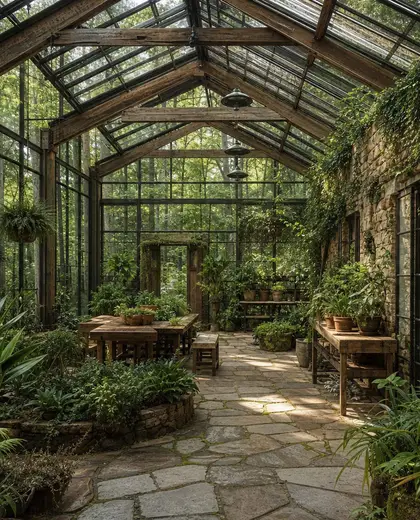
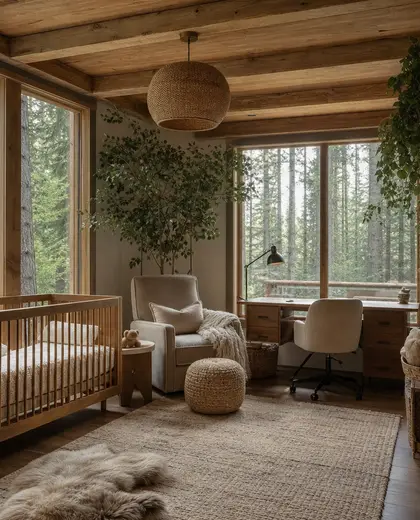
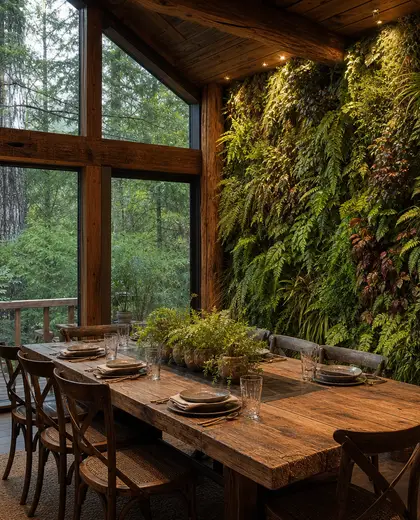
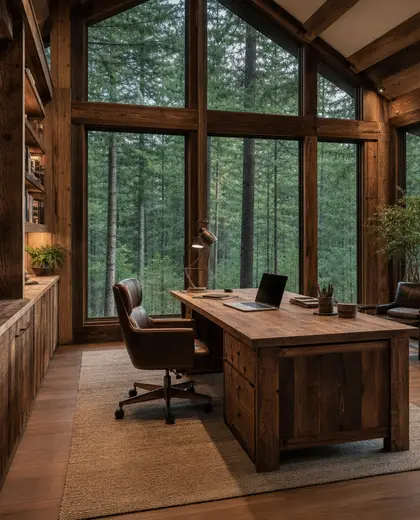
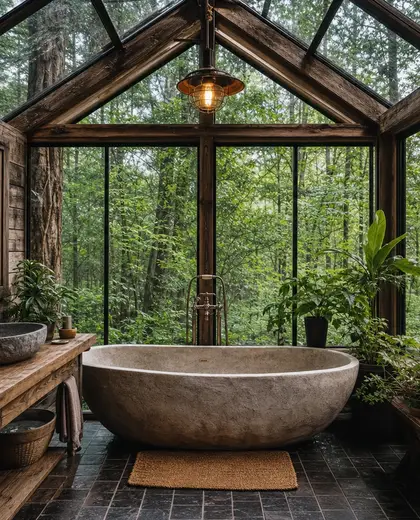
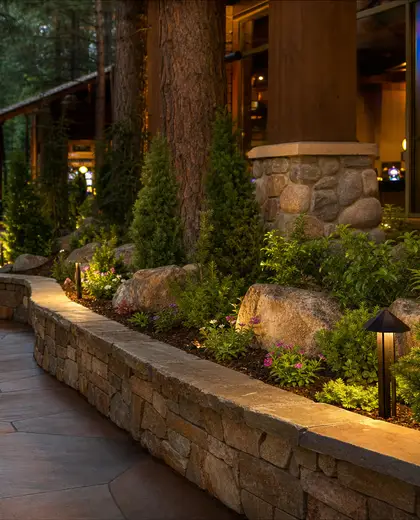
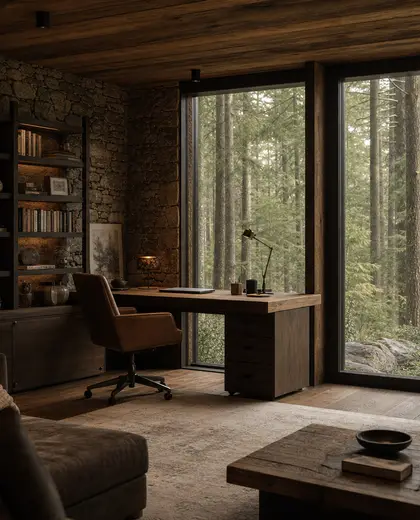
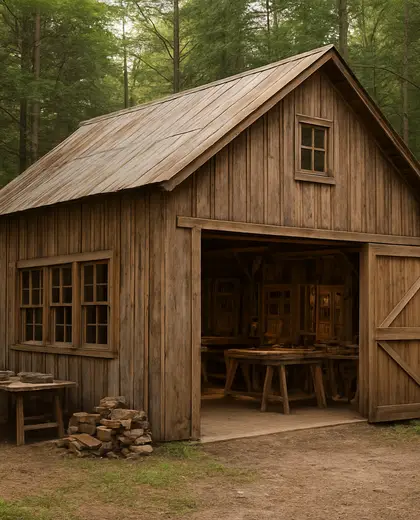
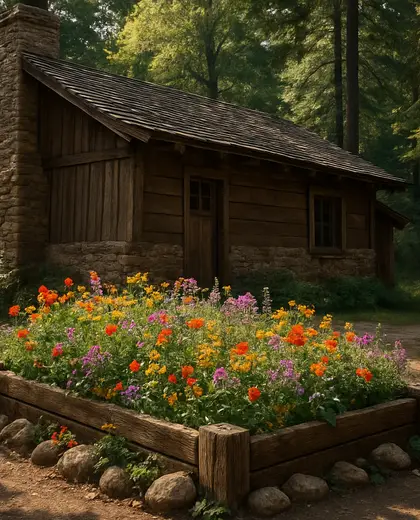
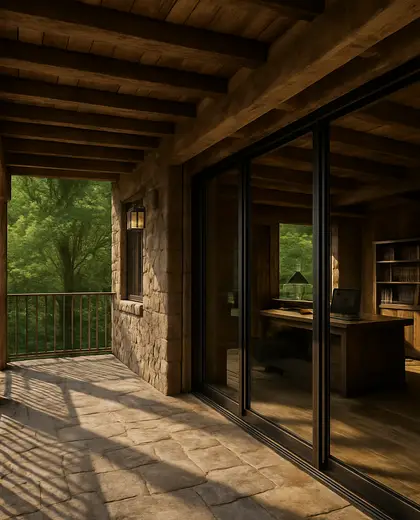
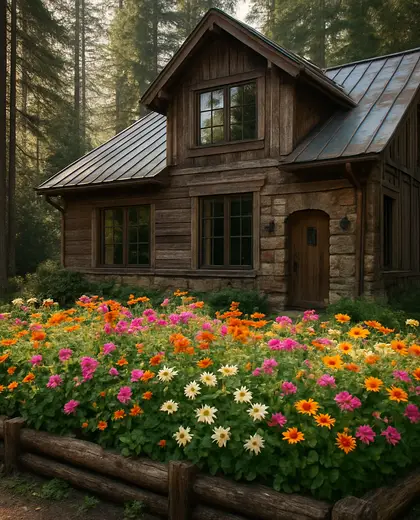
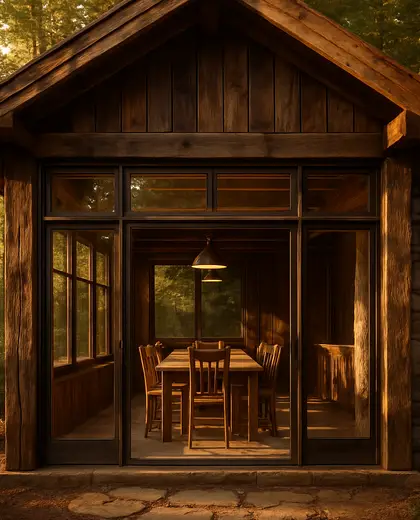
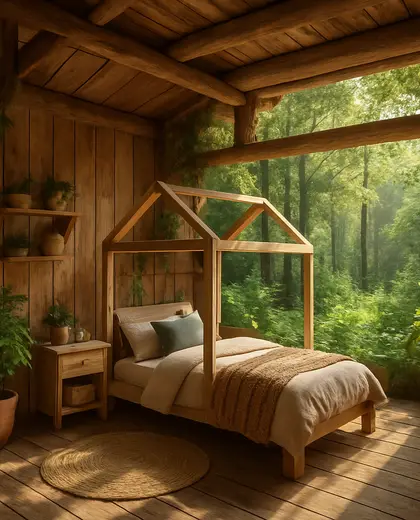
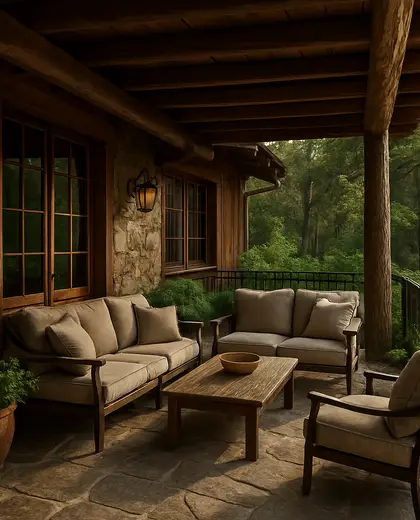
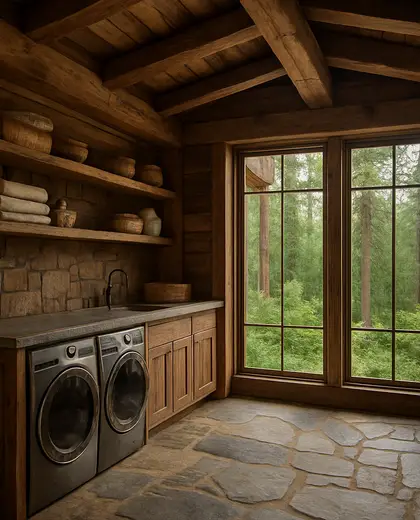
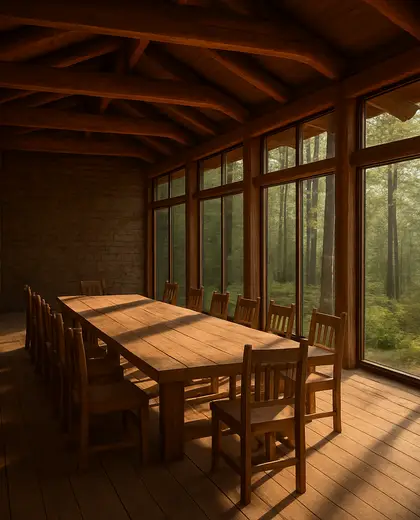
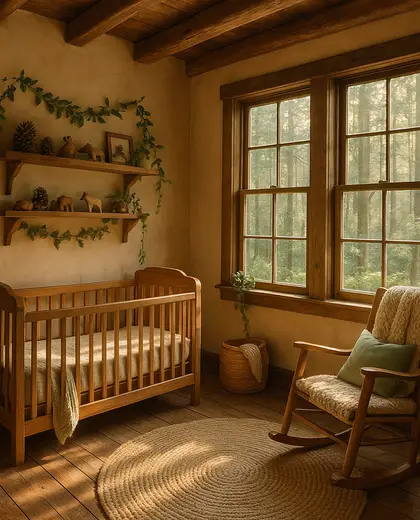
This composition is defined by natural, time-worn materials such as rough timber, stone, bark-textured finishes, and matte metal set against a woodland setting. The palette stays grounded in browns, moss greens, charcoal, and weathered neutrals, with large openings that frame trees and filter daylight. Heavy textures, simple massing, and a close relationship to the ground are the key elements.
- rustic
- forest
— References
References to explore
What makes a rustic forest home feel authentic?
Authenticity usually comes from using honest materials, simple forms, and details that feel weathered rather than polished. Tying the building to local trees, stone, and terrain helps it sit naturally in the landscape.
Can this look work in a modern house?
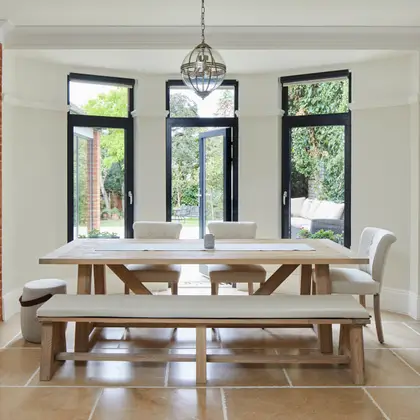
Yes, if the structure stays clean and the rustic elements are used through material and texture instead of ornament. Large windows, simple rooflines, and restrained detailing can keep it modern.
How do you keep it from feeling too dark?
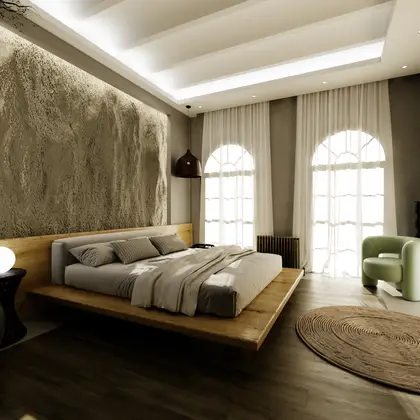
Use lighter timber tones, softened stone, and generous glazing to bring in daylight and views. Balanced interior finishes and reflective surfaces can also help open up the space.
— The style
What defines it
Rough-sawn wood, local stone, board-formed concrete, dark metal, and natural fibers.
Earth browns, deep greens, gray stone, charcoal, and soft weathered beige.
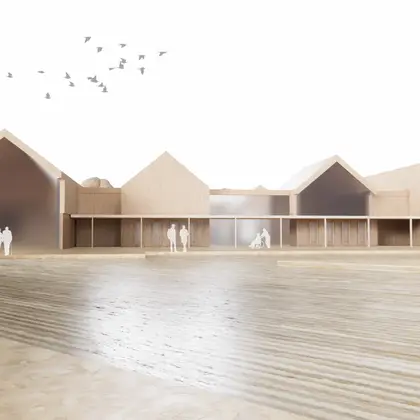
Cabin-inspired massing, panoramic glazing, sloped roofs, and site-sensitive landscaping.
— Professionals
Who has already built it
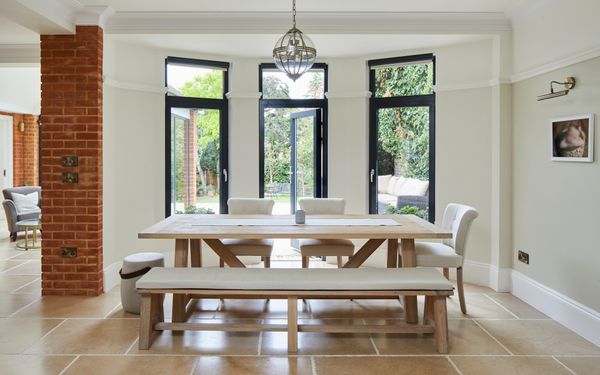

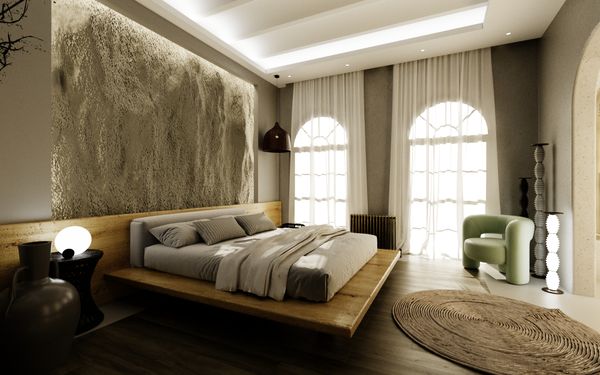

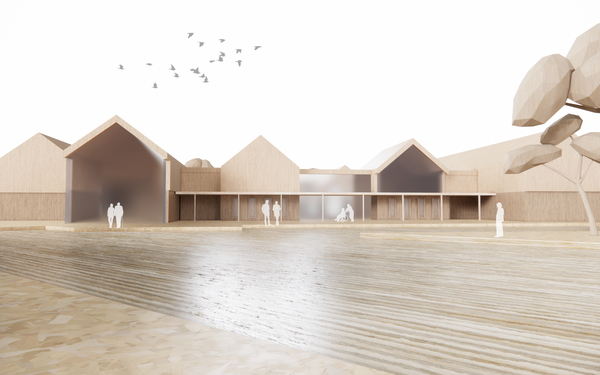

- paquis norris group limitedbuilders · Reading · 3 projectsView profile →
- LoftRobejoiners · Guildford · 4 projectsView profile →
- Beneito Faurelighting designers · 2 projectsView profile →
- Lusso Stonetile suppliers · Stocktonontees · 7 projectsView profile →
— Explore
Keep exploring
— Questions
Frequently asked questions
What makes a rustic forest home feel authentic?
Authenticity usually comes from using honest materials, simple forms, and details that feel weathered rather than polished. Tying the building to local trees, stone, and terrain helps it sit naturally in the landscape.
Can this look work in a modern house?
Yes, if the structure stays clean and the rustic elements are used through material and texture instead of ornament. Large windows, simple rooflines, and restrained detailing can keep it modern.
How do you keep it from feeling too dark?
Use lighter timber tones, softened stone, and generous glazing to bring in daylight and views. Balanced interior finishes and reflective surfaces can also help open up the space.