— Ideas & inspiration
Rustic warmth in a rural setting
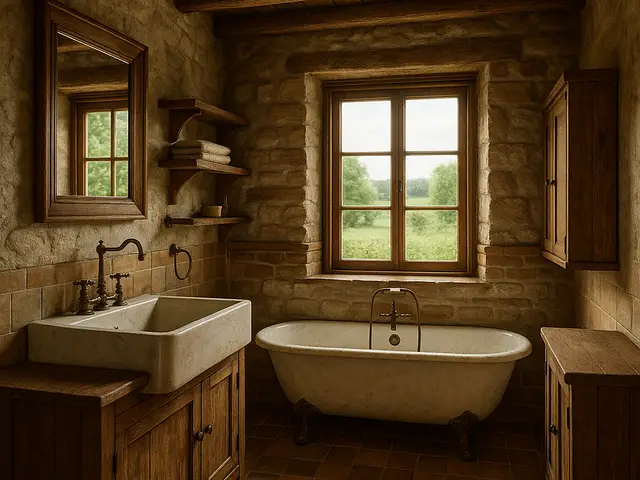
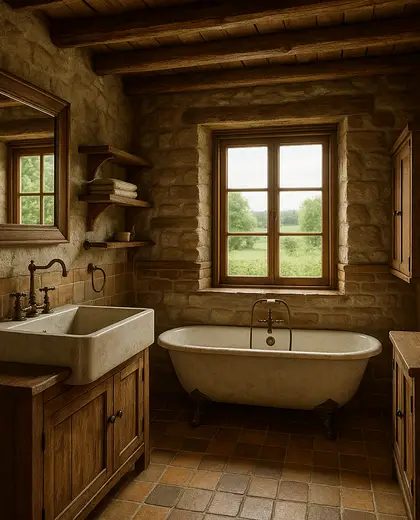
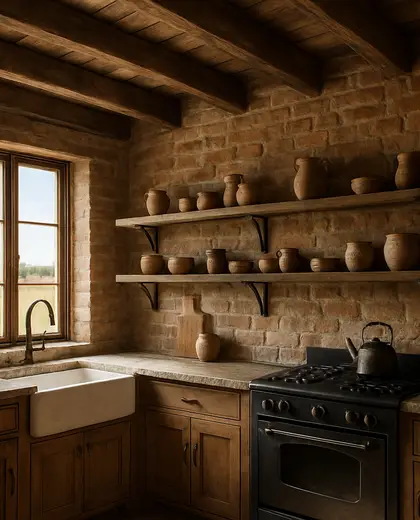
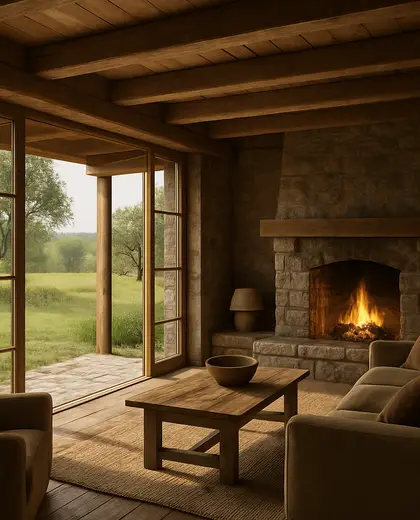
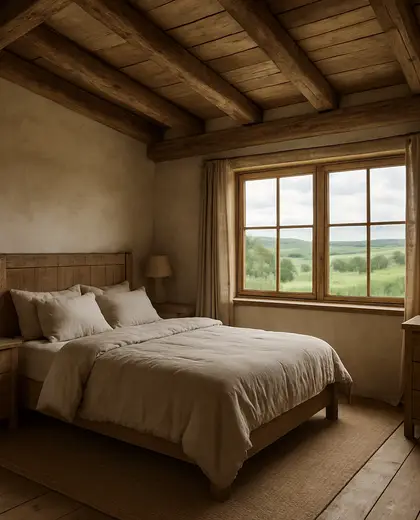
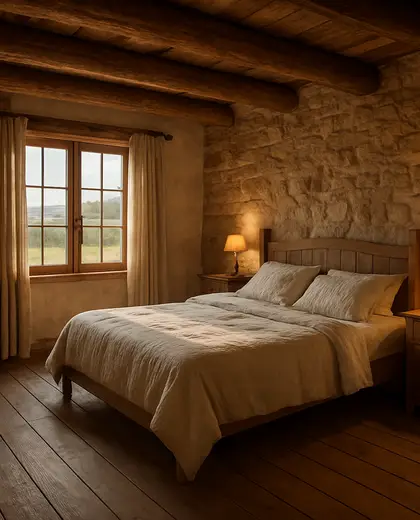
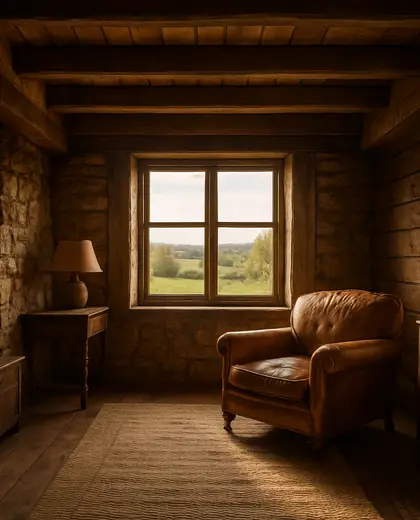
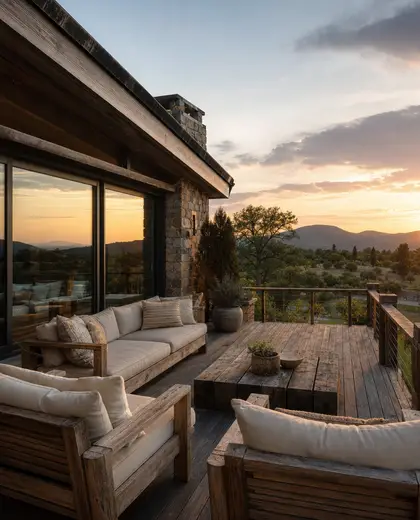
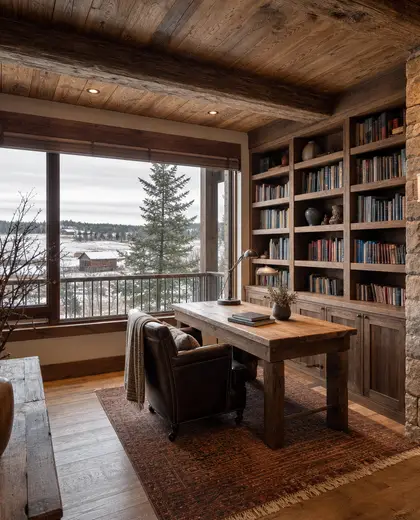
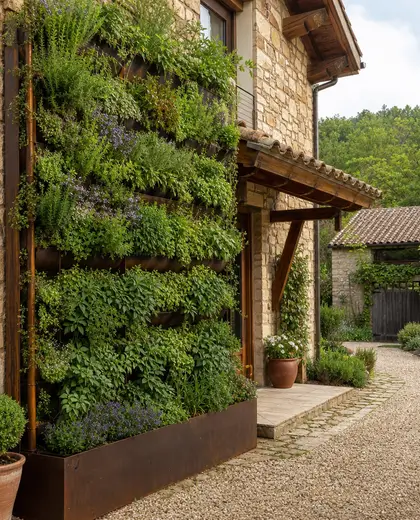
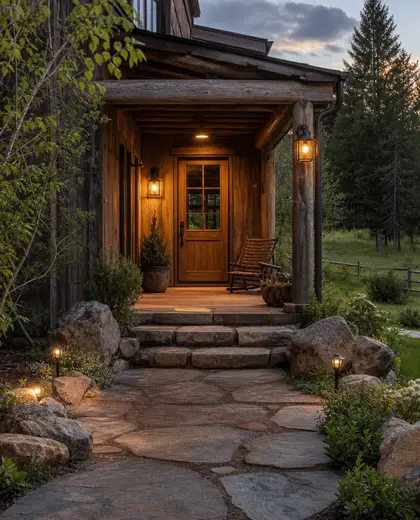
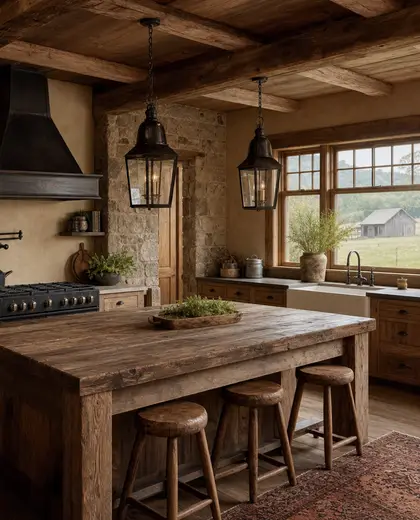
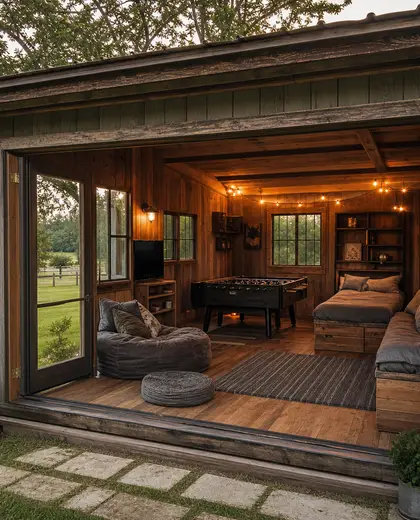
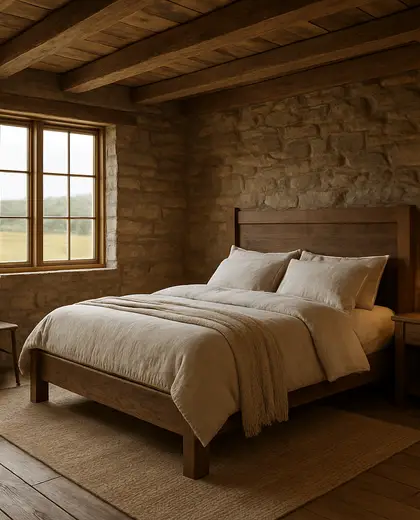
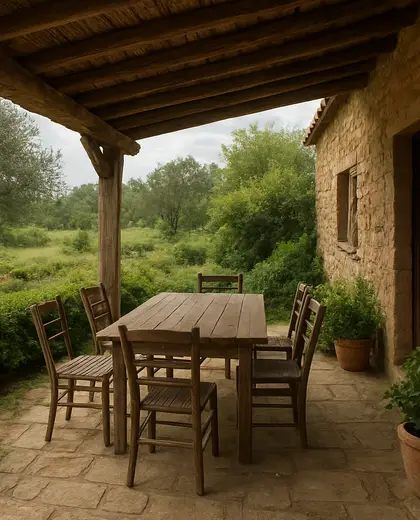
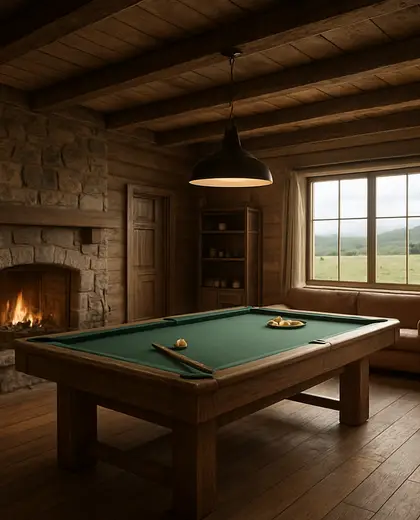
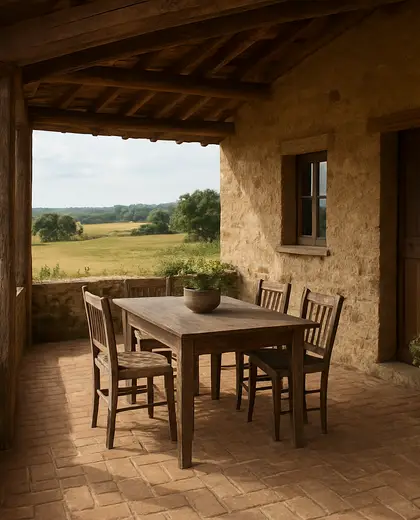
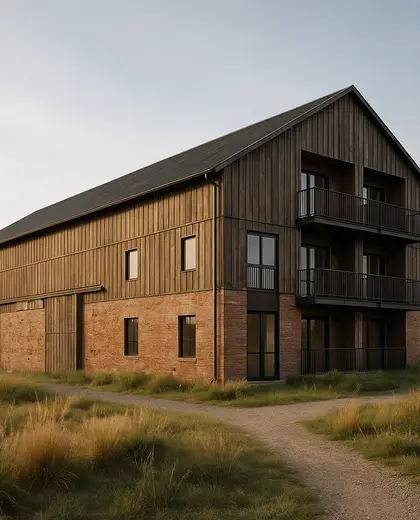
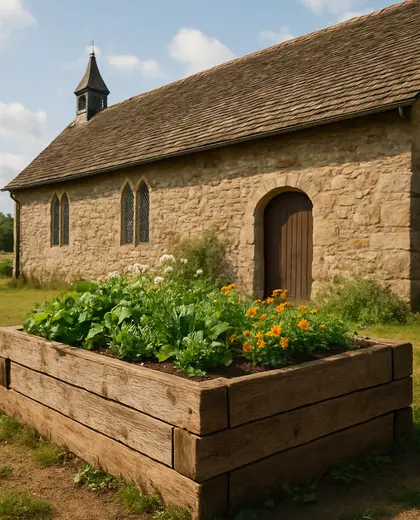
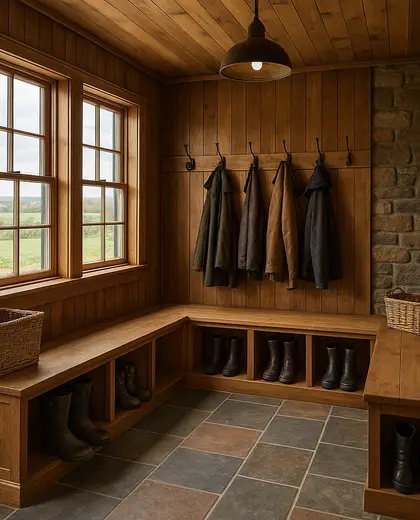
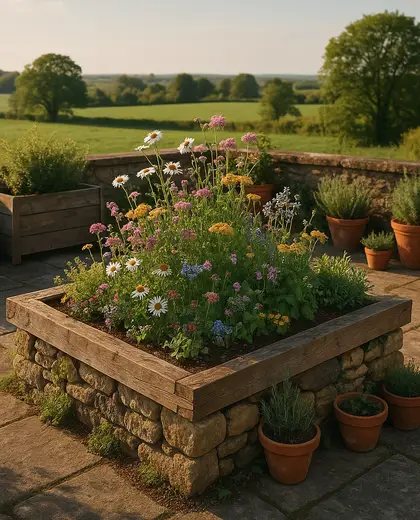
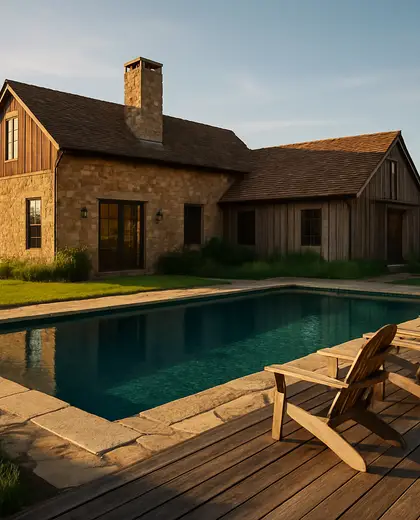
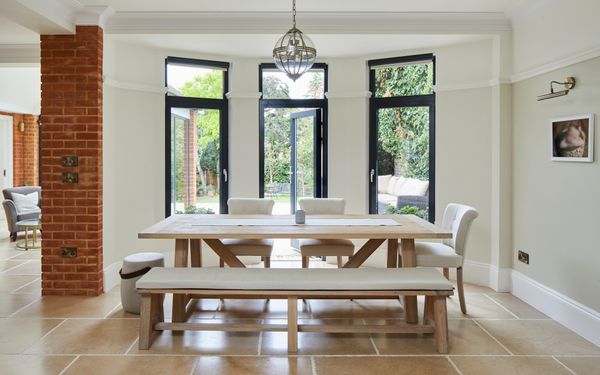
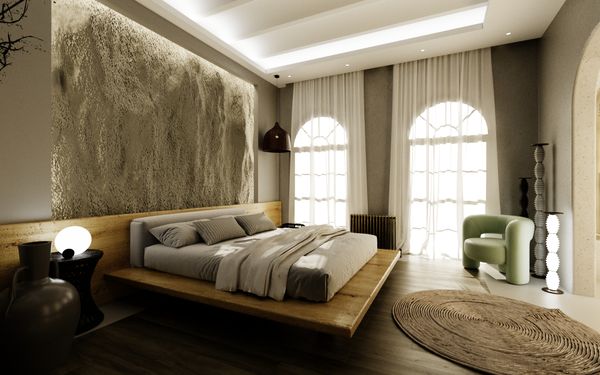
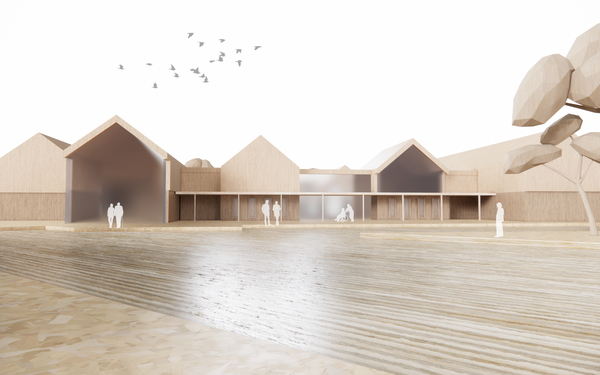
This composition is defined by natural, weathered materials such as timber, stone, clay plaster, and exposed structural elements. The palette is usually earthy and muted, with browns, warm greys, off-whites, and soft greens that feel settled and grounded. Its look comes from simple forms, handmade textures, and details that echo farmhouses, barns, and countryside buildings.
- rustic
- rural
— References
References to explore
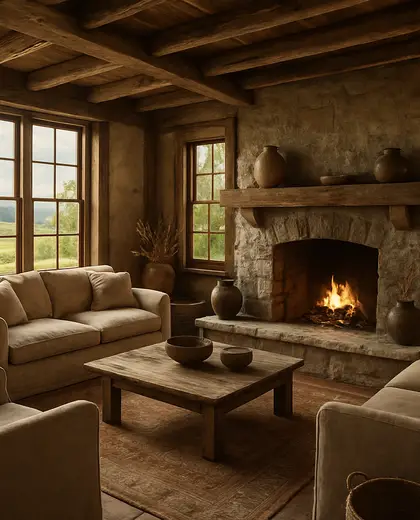
What makes rustic rural design different from plain rustic style?
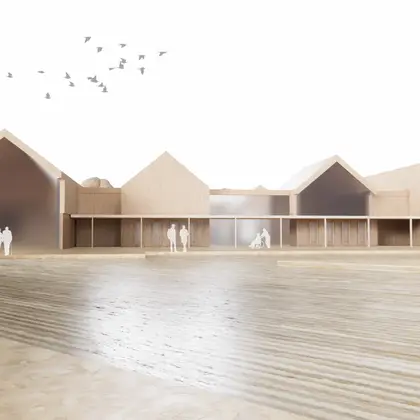
Rustic rural design is more tied to landscape and place. It keeps the weathered, tactile feel of rustic architecture but adds references to farm buildings, open land, and simple countryside forms.
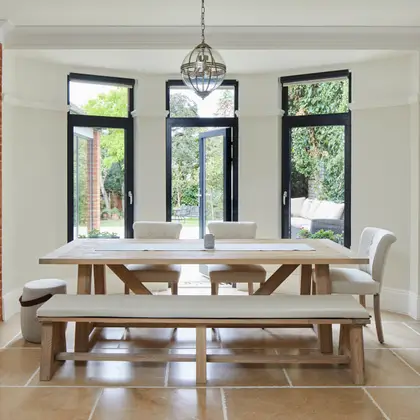
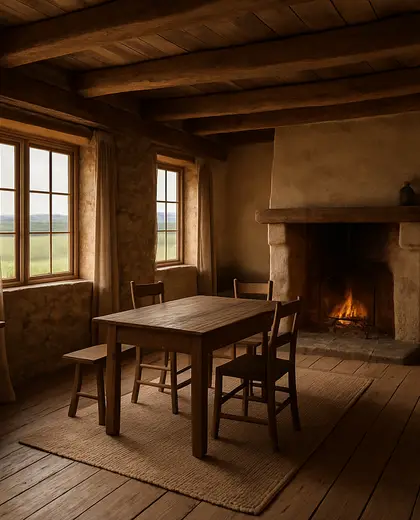
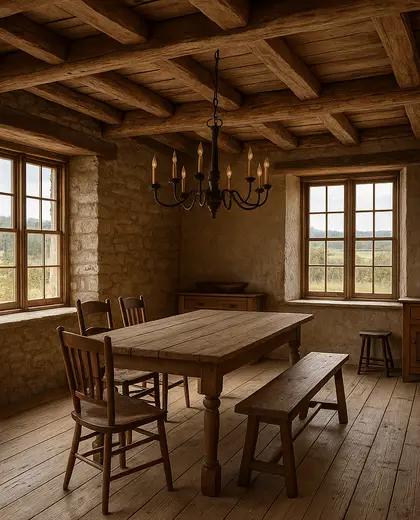
Can this look feel modern in a home?
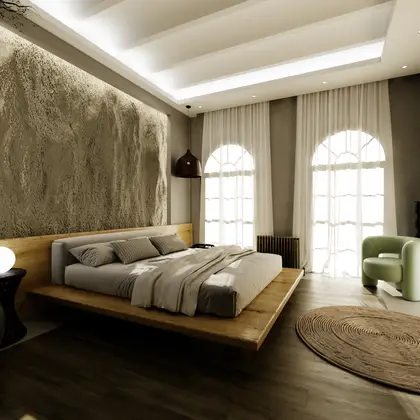
Yes. The composition can be updated with cleaner lines, larger openings, and restrained detailing while keeping natural materials and an earthy palette.
What should I avoid if I want it to stay authentic?
Avoid overly polished finishes, glossy surfaces, and too many decorative pieces. The style works best when the materials feel honest, practical, and slightly aged.
— The style
What defines it
Aged timber, rough stone, brick, clay plaster, metal, and natural fibers are common choices.
Earth tones lead the scheme: taupe, beige, terracotta, olive, weathered grey, and chalky white.
It often works with farmhouse, vernacular, cabin, and countryside-modern references.
— Professionals
Who has already built it



- paquis norris group limitedbuilders · Reading · 3 projectsView profile →
- LoftRobejoiners · Guildford · 4 projectsView profile →
- Beneito Faurelighting designers · 2 projectsView profile →
- Lusso Stonetile suppliers · Stocktonontees · 7 projectsView profile →
— Explore
Keep exploring
— Questions
Frequently asked questions
What makes rustic rural design different from plain rustic style?
Rustic rural design is more tied to landscape and place. It keeps the weathered, tactile feel of rustic architecture but adds references to farm buildings, open land, and simple countryside forms.
Can this look feel modern in a home?
Yes. The composition can be updated with cleaner lines, larger openings, and restrained detailing while keeping natural materials and an earthy palette.
What should I avoid if I want it to stay authentic?
Avoid overly polished finishes, glossy surfaces, and too many decorative pieces. The style works best when the materials feel honest, practical, and slightly aged.