— Ideas & inspiration
Urban Facades with a grounded edge
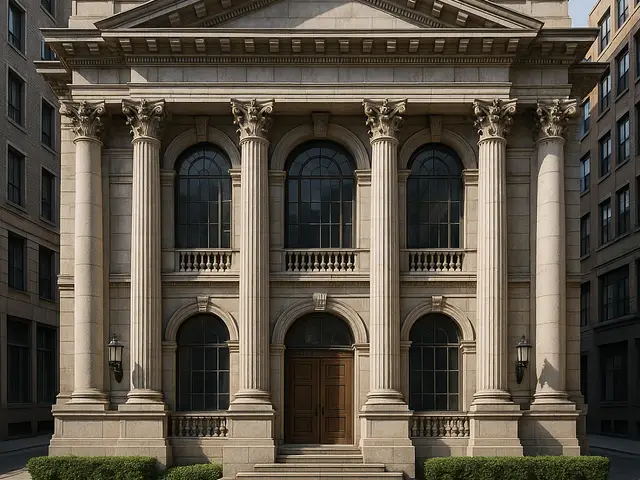
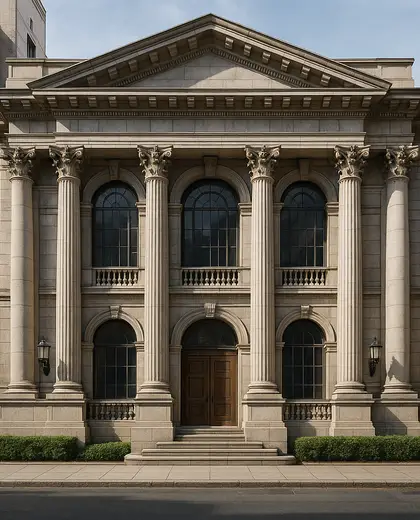
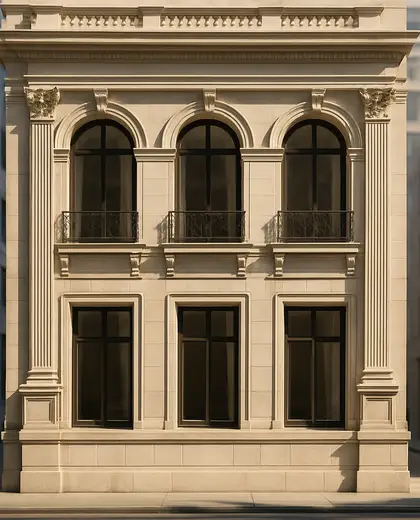
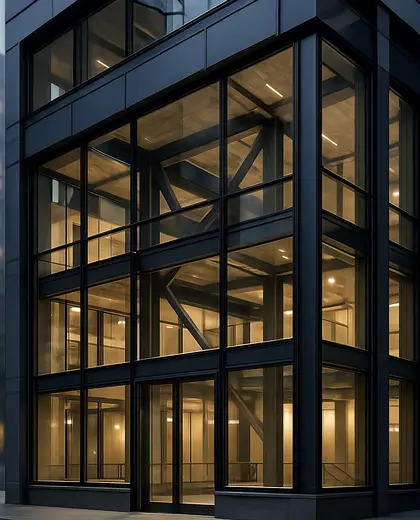
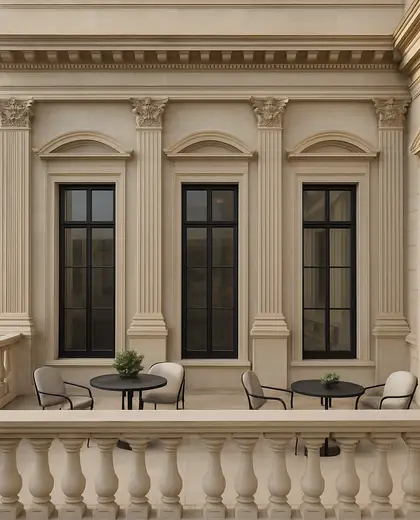
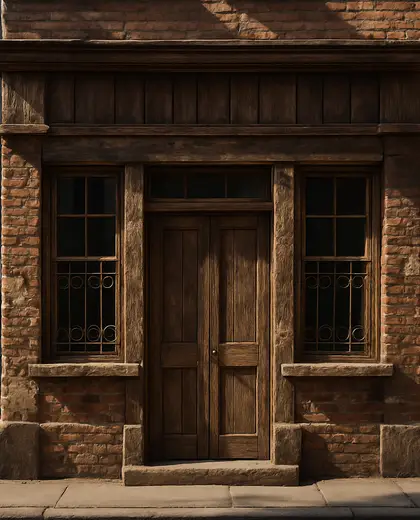
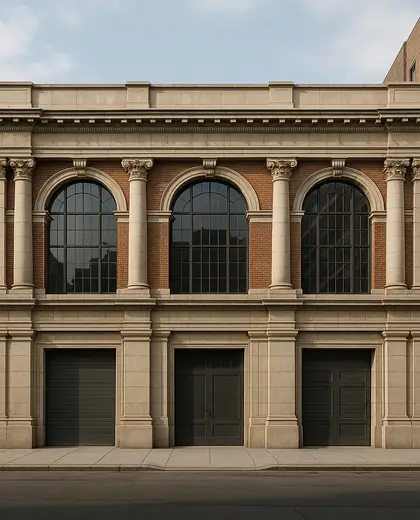
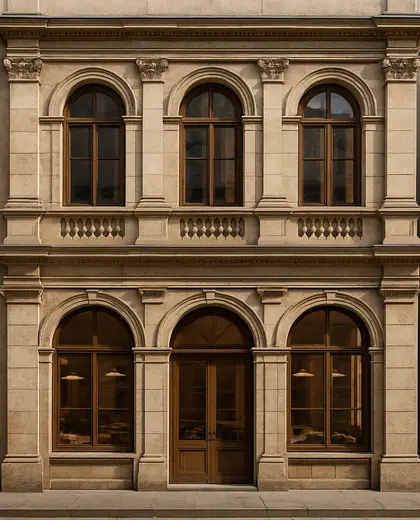
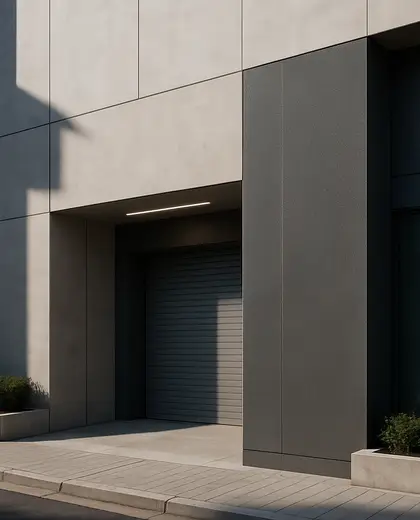
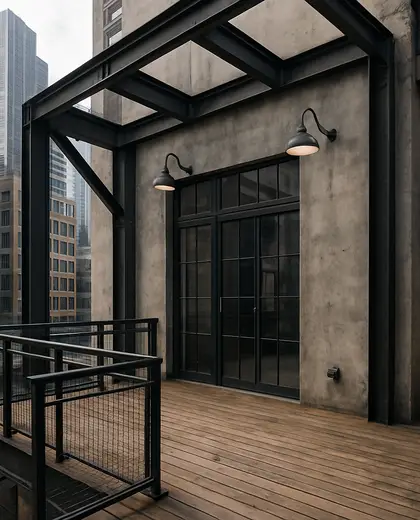
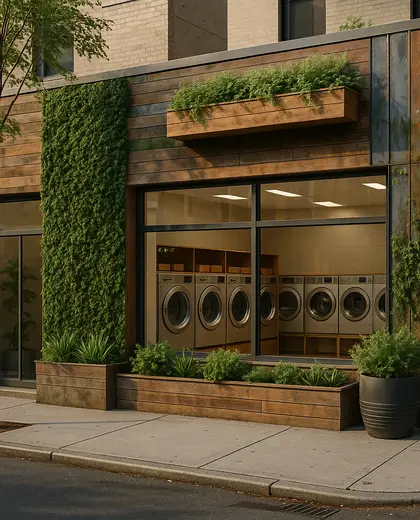
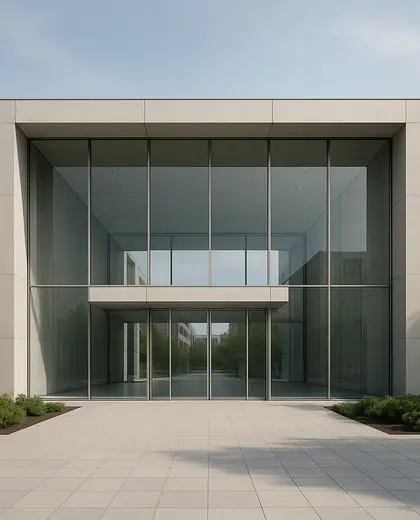
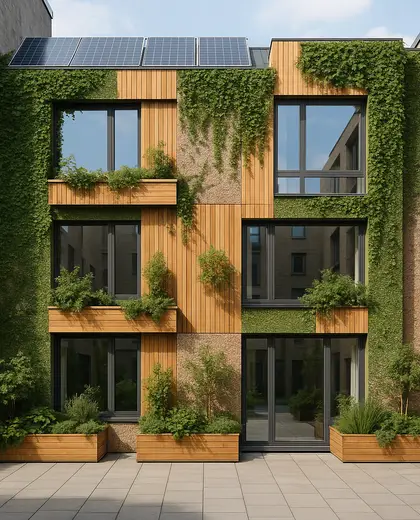
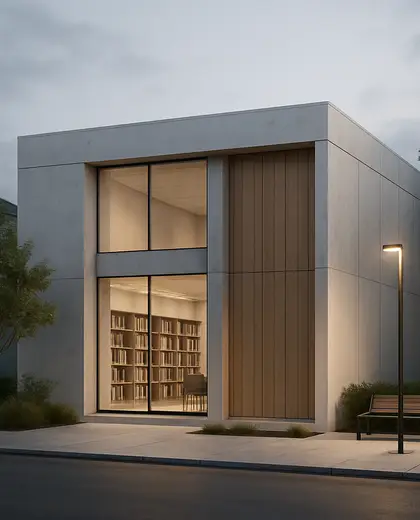
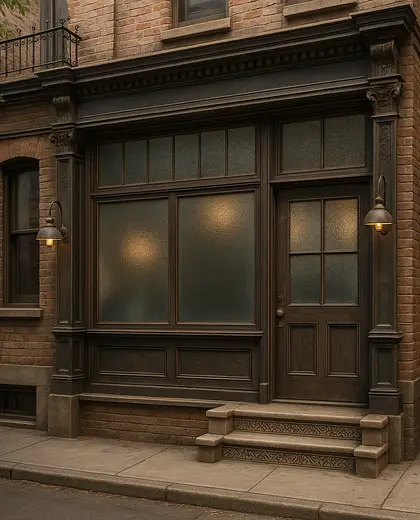
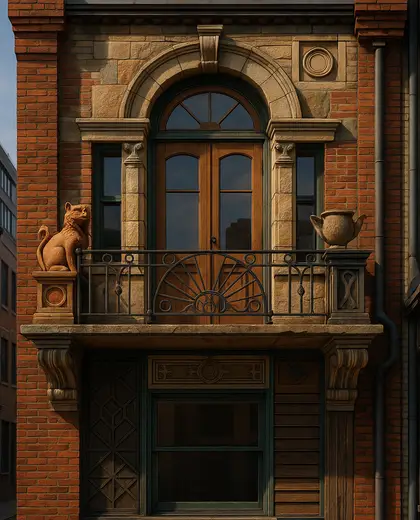
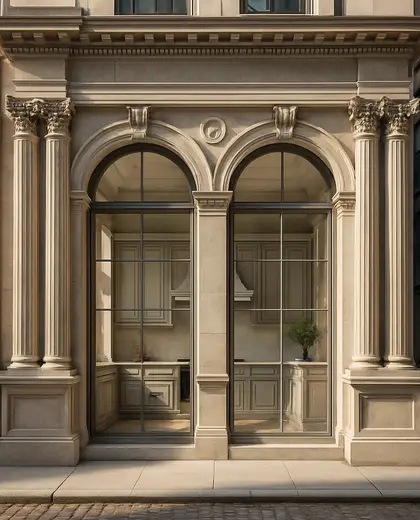
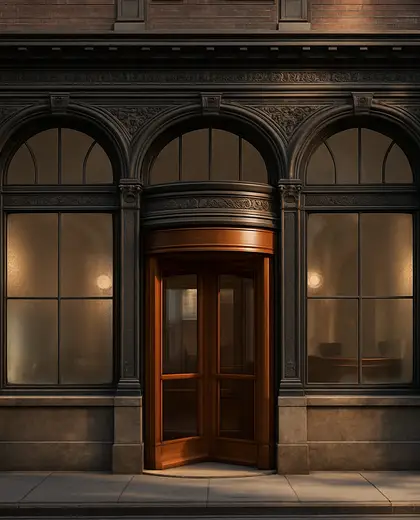
This composition is defined by street-facing envelopes that balance durability and visual rhythm, often using brick, stone, metal panels, concrete, or stucco. The palette tends toward grays, charcoals, warm neutrals, and muted earth tones, with openings, screens, and layered volumes shaping the facade. It combines the city scale of urban architecture with a precise exterior treatment that reads clearly from the sidewalk.
- facade
- urban
— References
References to explore
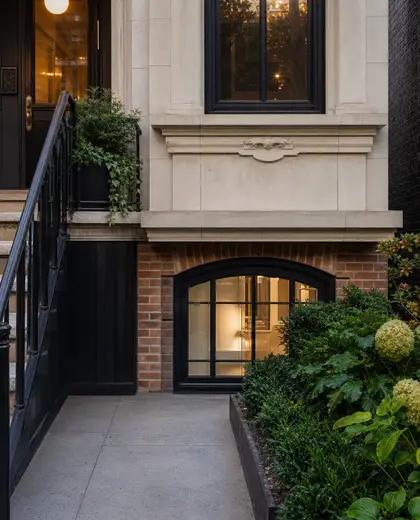
Is this style suitable for a narrow city lot?
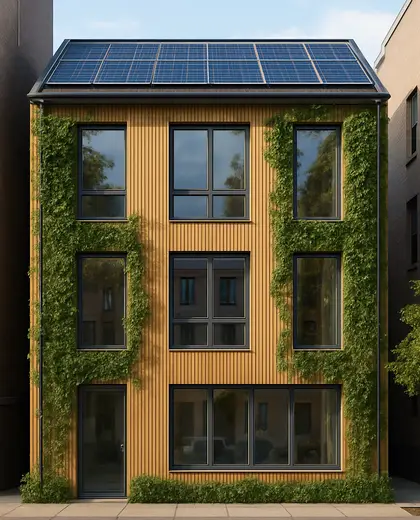
Yes. Urban facades often work well on narrow sites because the design can emphasize vertical proportions, window placement, and layered screens instead of wide massing.
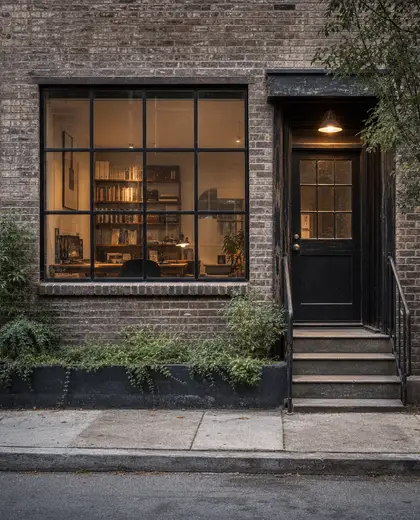
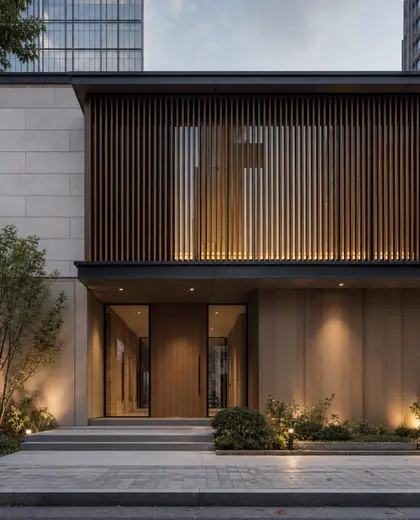
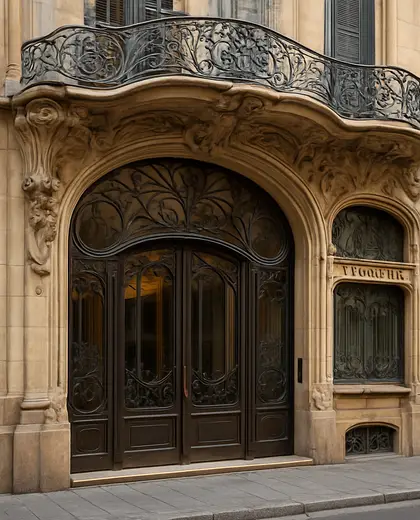
What exterior materials hold up well in a city setting?
Durable materials like brick, concrete, metal panels, fiber-cement, and stone are commonly used because they handle weather, traffic exposure, and maintenance demands better than softer finishes.
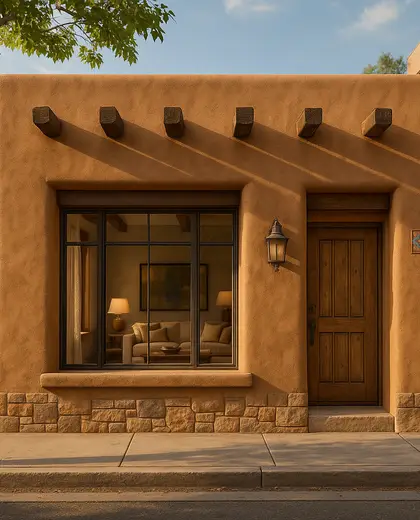
Can an urban facade still feel warm and residential?
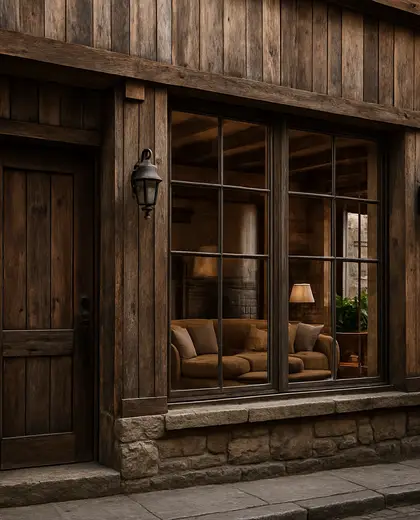
Yes. Warm brick, textured plaster, timber accents, and softened color tones can make the facade feel more welcoming while keeping its urban character.
— The style
What defines it
Brick, precast concrete, metal cladding, stone, glass, and textured stucco are common choices for resilient street-facing surfaces.
Neutral and muted colors dominate: charcoal, graphite, off-white, beige, warm gray, and earthy brown accents.
This look pairs the facade with urban elements such as repetitive window grids, narrow lots, balconies, screens, and strong street edges.
— Professionals
Who has already built it
- vorbild architecturearchitects · 6 projectsView profile →
- kerem erbagci3d renderers · London · 9 projectsView profile →
- paquis norris group limitedbuilders · Reading · 3 projectsView profile →
- LoftRobejoiners · Guildford · 4 projectsView profile →
— Questions
Frequently asked questions
Is this style suitable for a narrow city lot?
Yes. Urban facades often work well on narrow sites because the design can emphasize vertical proportions, window placement, and layered screens instead of wide massing.
What exterior materials hold up well in a city setting?
Durable materials like brick, concrete, metal panels, fiber-cement, and stone are commonly used because they handle weather, traffic exposure, and maintenance demands better than softer finishes.
Can an urban facade still feel warm and residential?
Yes. Warm brick, textured plaster, timber accents, and softened color tones can make the facade feel more welcoming while keeping its urban character.