— Ideas & inspiration
Vintage details for a timeless house
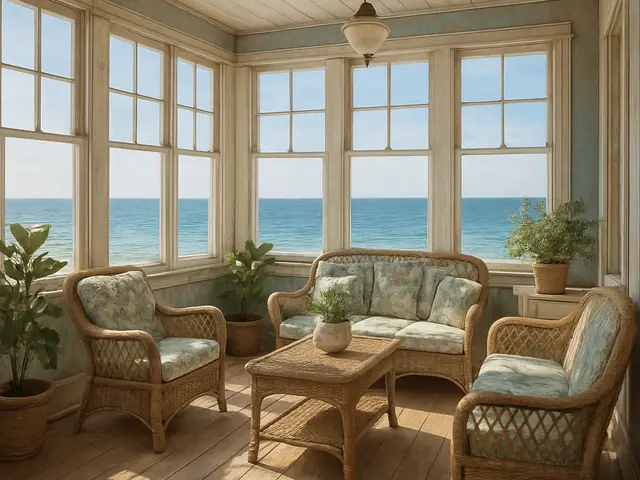
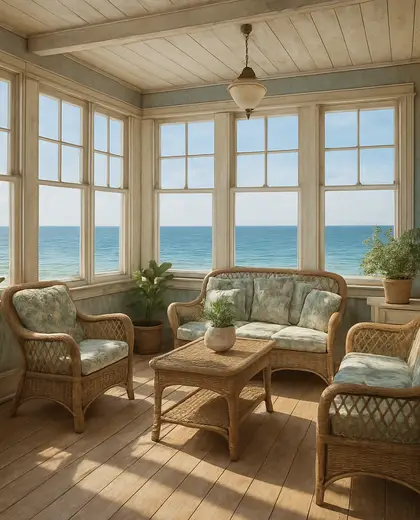
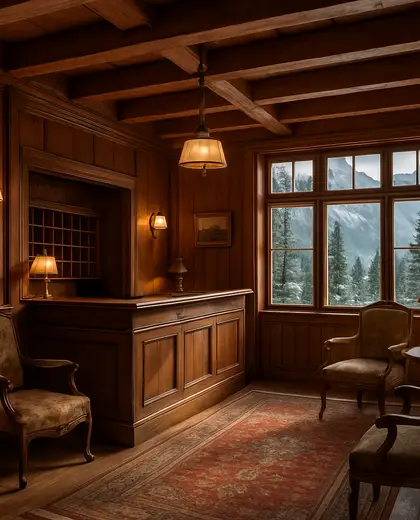
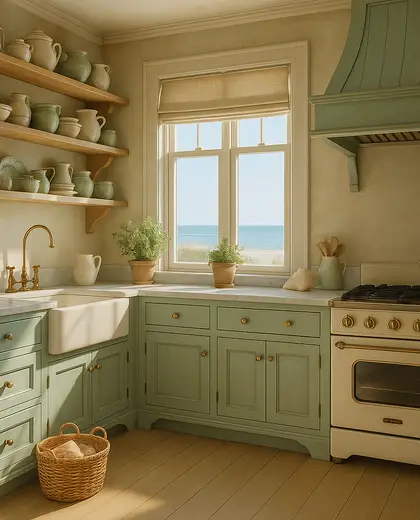
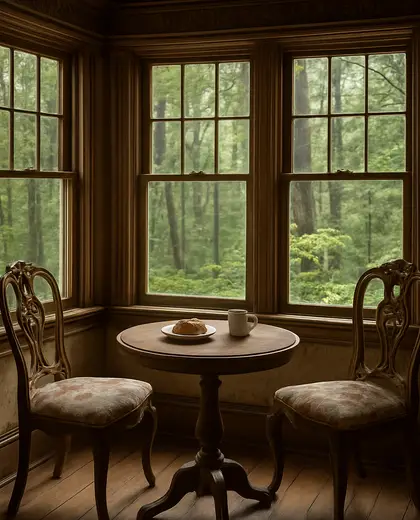
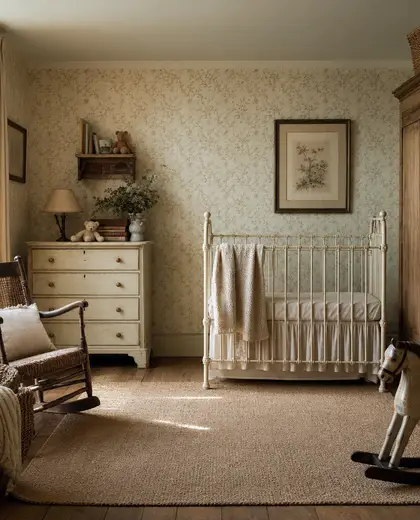
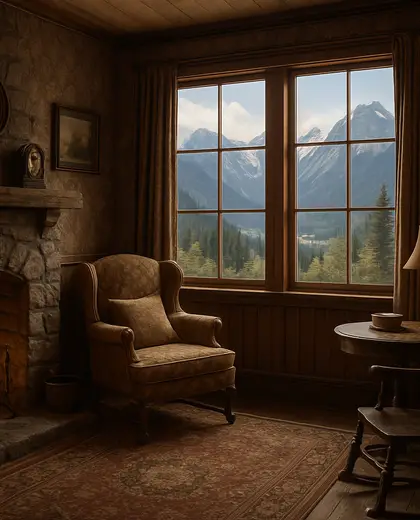
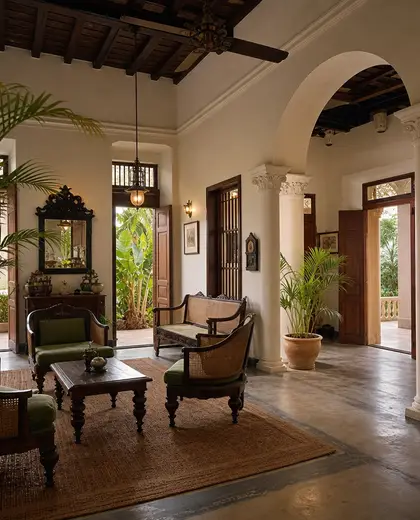
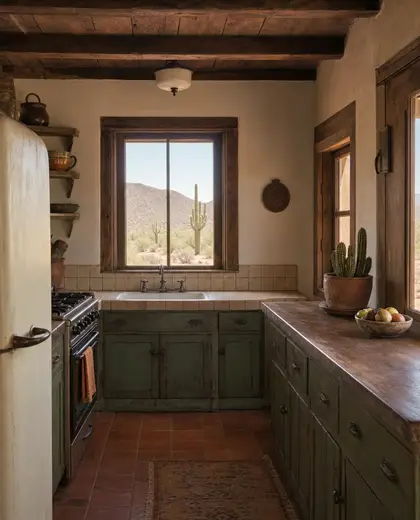
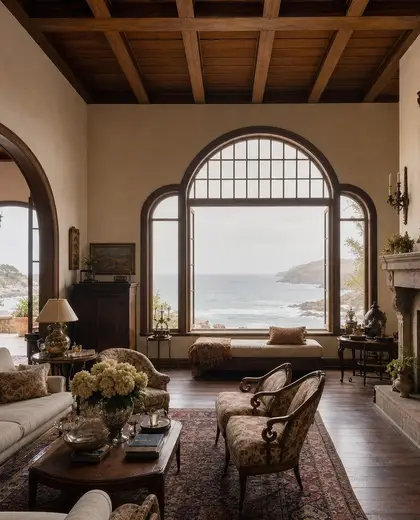
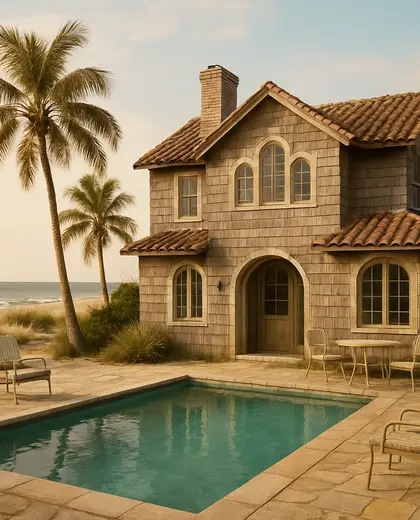
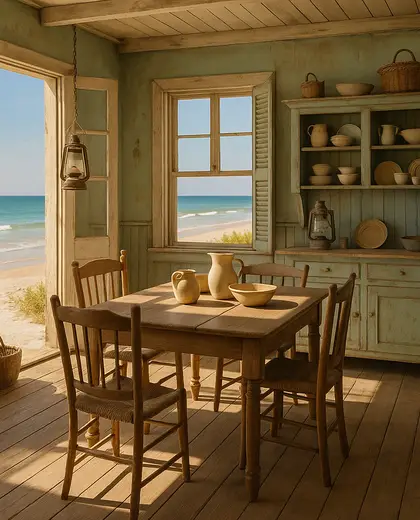
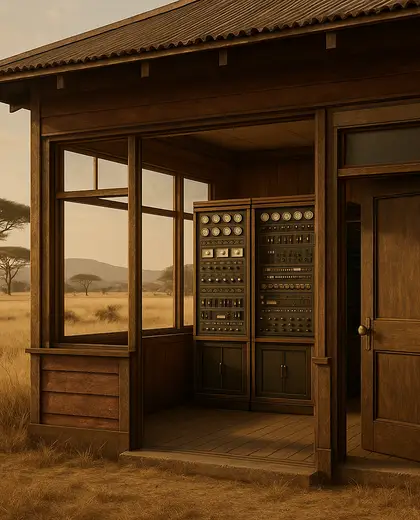
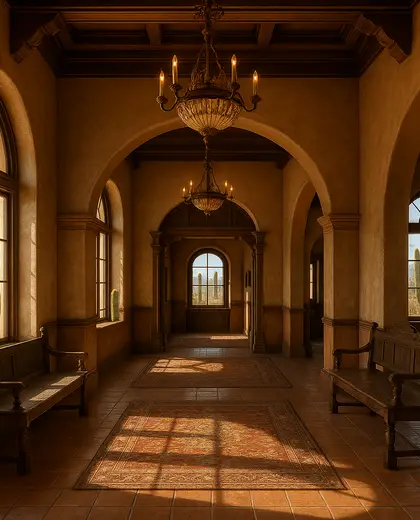
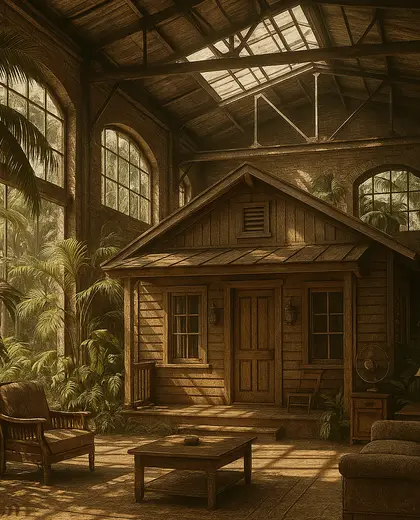
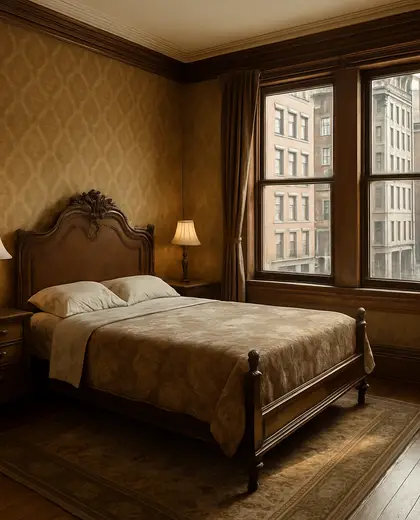
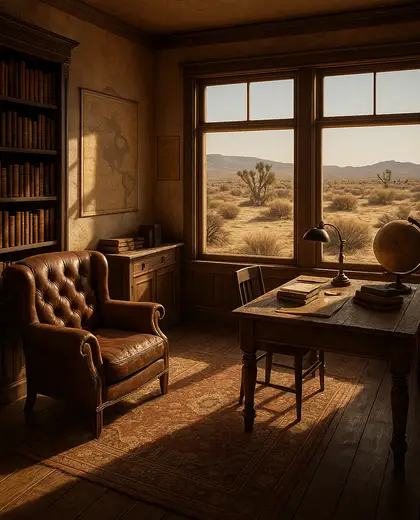
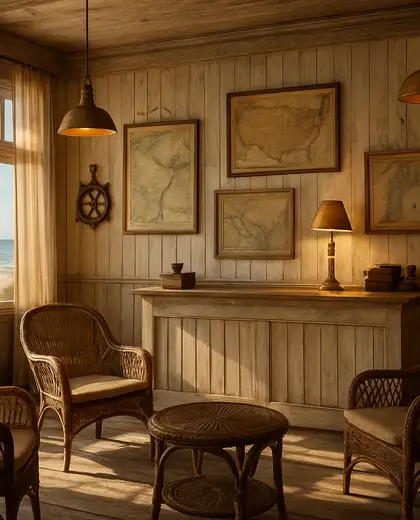
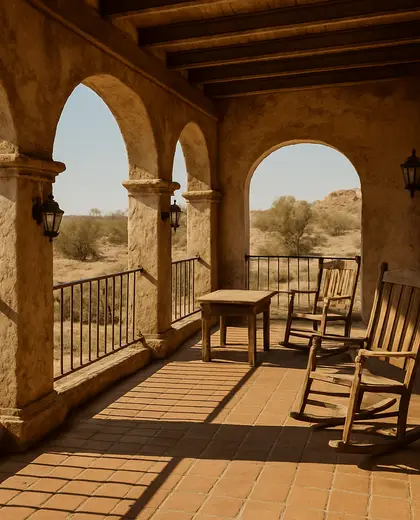
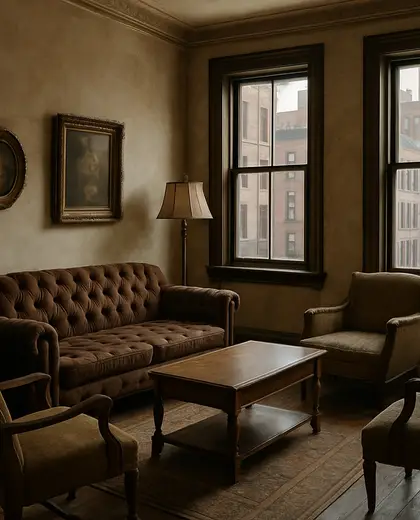
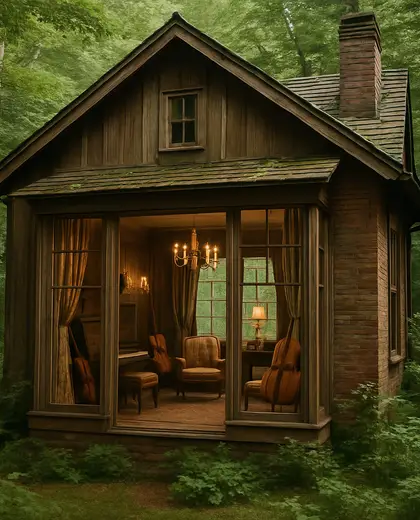
This composition pairs a house with vintage character through worn-in materials, traditional forms, and details that feel preserved rather than polished. Common cues include wood with patina, aged metal, ceramic tile, plaster, and classic trims or shutters. The palette usually stays soft and muted, with warm neutrals, faded greens, deep browns, cream, and dusted blues.
- house
- vintage
— References
References to explore
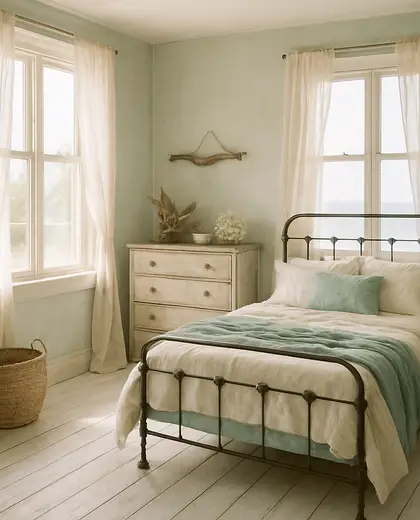
How do I make a house feel vintage without making it look dated?
Keep the structure simple and use a few strong vintage cues, such as aged finishes, classic trim, or antique lighting. Pair them with clean proportions and a restrained color palette so the result feels intentional.
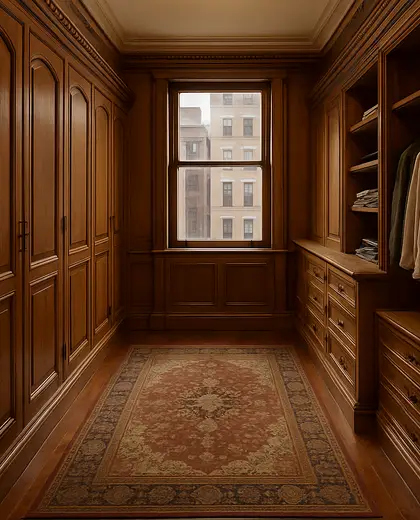
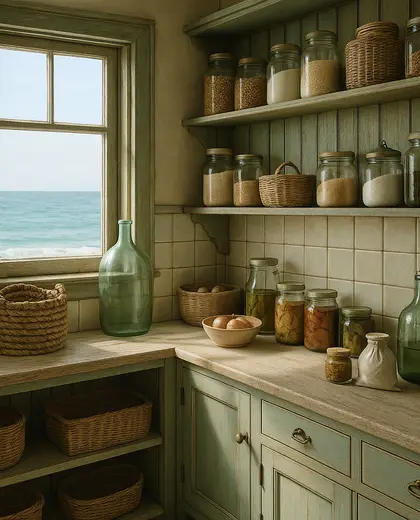
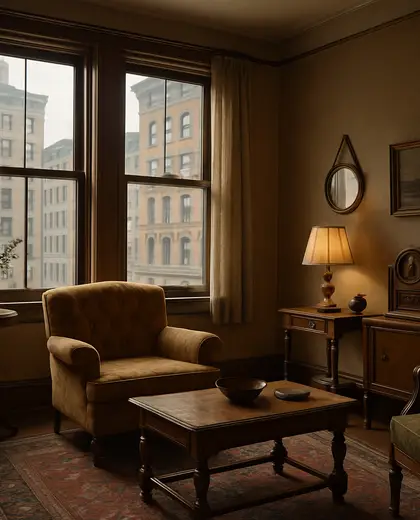
What materials work best for a vintage house look?
Wood, plaster, brick, stone, ceramic tile, and metal with a patina are common choices. Reclaimed or lightly weathered materials help the space feel authentic.
Which colors suit a vintage house composition?
Soft neutrals and muted hues work best, including cream, warm white, taupe, olive, slate blue, and earthy brown. Avoid overly bright or glossy tones if you want the look to feel cohesive.
— The style
What defines it
Aged wood, plaster, brick, ceramic tile, brass, iron, and other timeworn finishes.
Cream, beige, taupe, muted green, faded blue, brown, and other low-saturation tones.
Traditional rooflines, trim details, antique-style fixtures, salvaged elements, and lived-in textures.
— Professionals
Who has already built it
- vorbild architecturearchitects · 6 projectsView profile →
- kerem erbagci3d renderers · London · 9 projectsView profile →
- paquis norris group limitedbuilders · Reading · 3 projectsView profile →
- LoftRobejoiners · Guildford · 4 projectsView profile →
— Explore
Keep exploring
— Questions
Frequently asked questions
How do I make a house feel vintage without making it look dated?
Keep the structure simple and use a few strong vintage cues, such as aged finishes, classic trim, or antique lighting. Pair them with clean proportions and a restrained color palette so the result feels intentional.
What materials work best for a vintage house look?
Wood, plaster, brick, stone, ceramic tile, and metal with a patina are common choices. Reclaimed or lightly weathered materials help the space feel authentic.
Which colors suit a vintage house composition?
Soft neutrals and muted hues work best, including cream, warm white, taupe, olive, slate blue, and earthy brown. Avoid overly bright or glossy tones if you want the look to feel cohesive.