— Ideas & inspiration
Contemporary vertical garden design
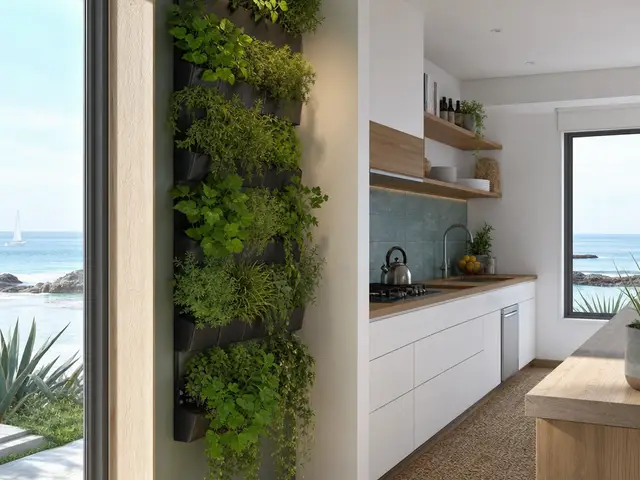
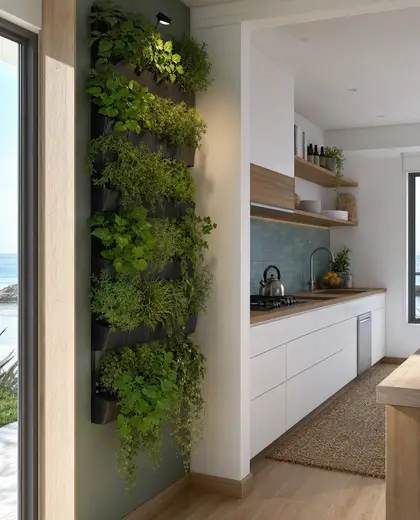
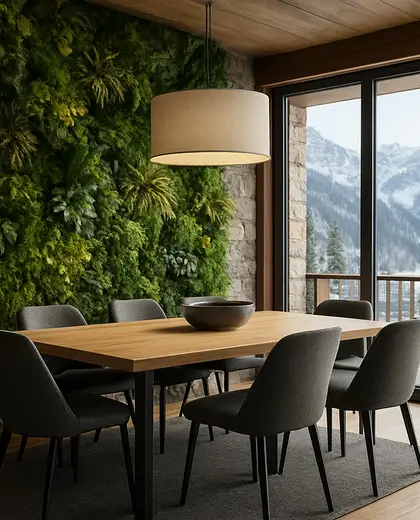
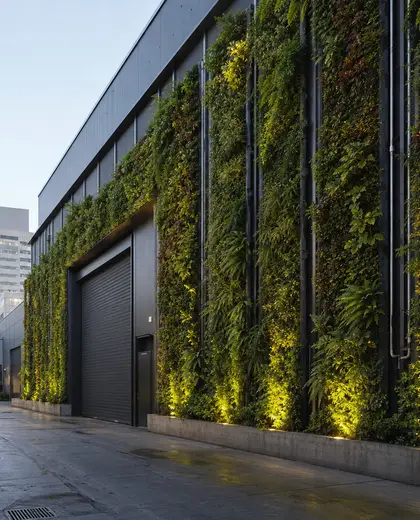
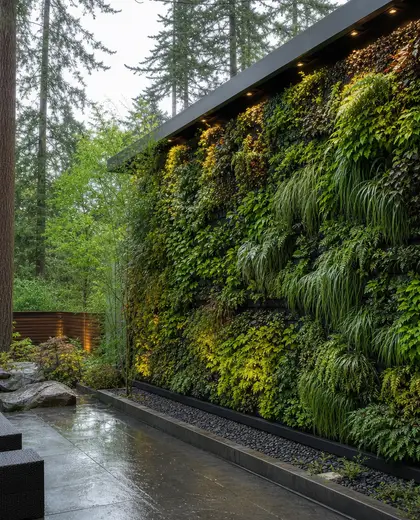
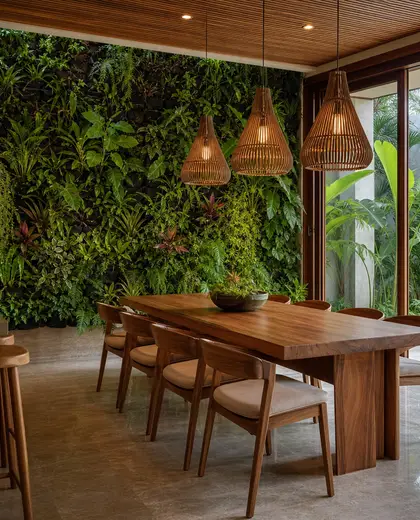
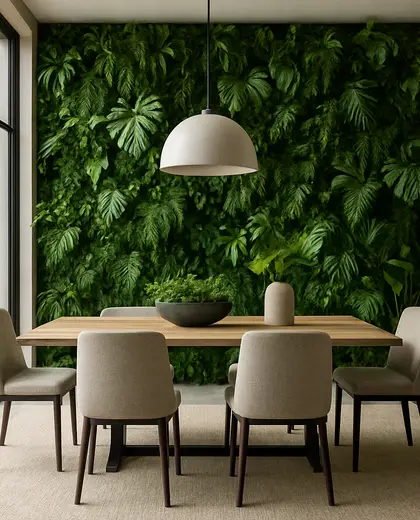
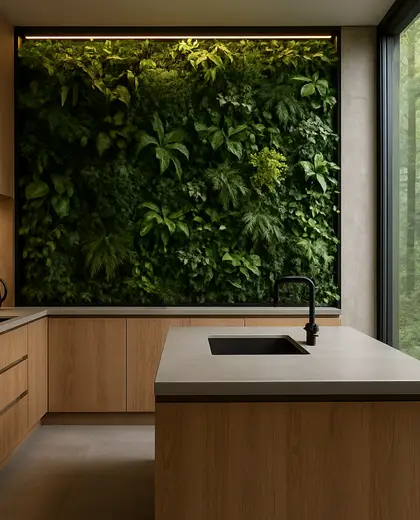
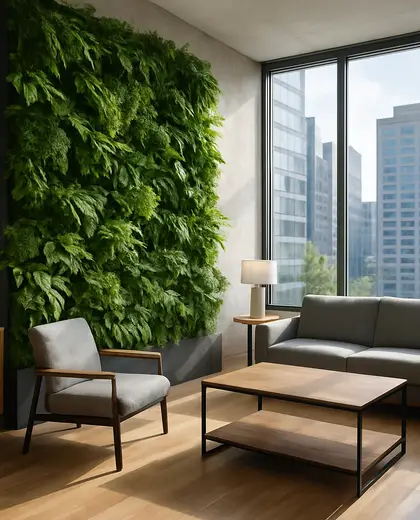
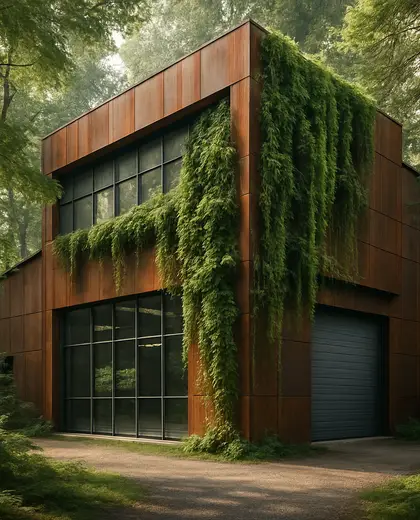
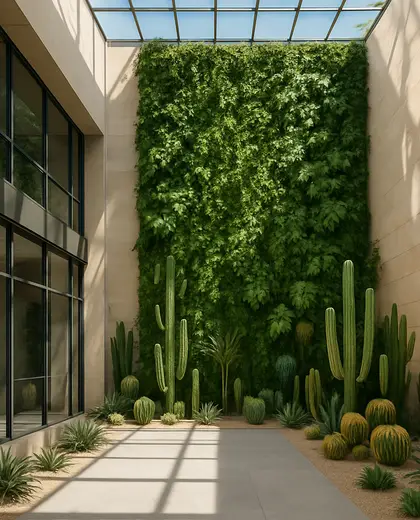
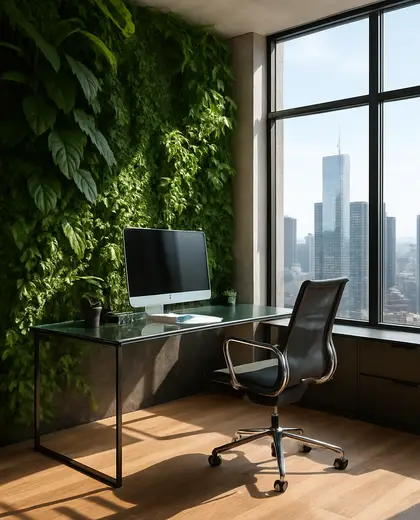
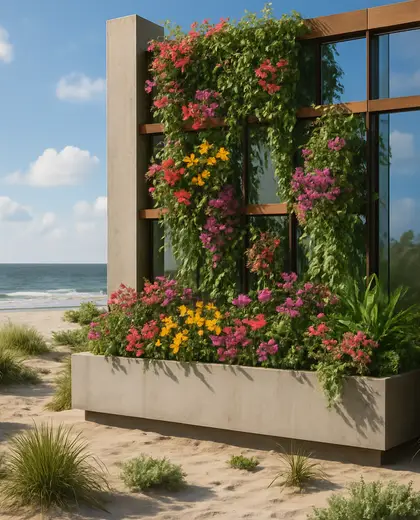
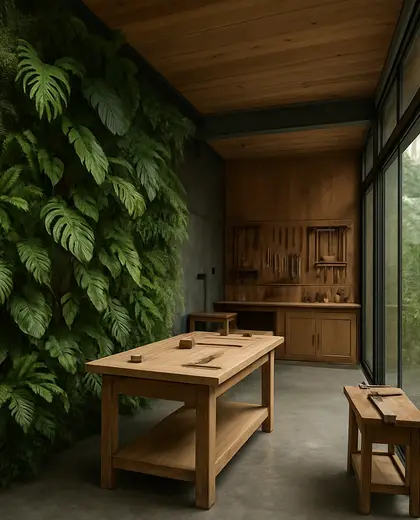
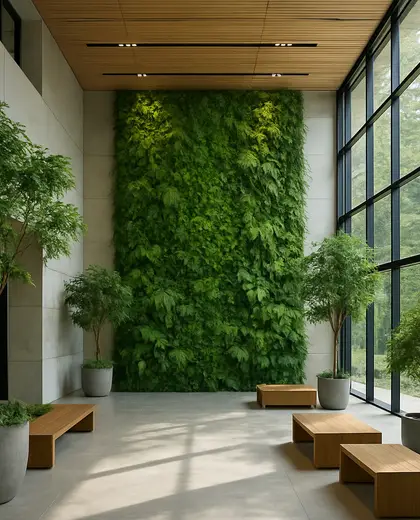
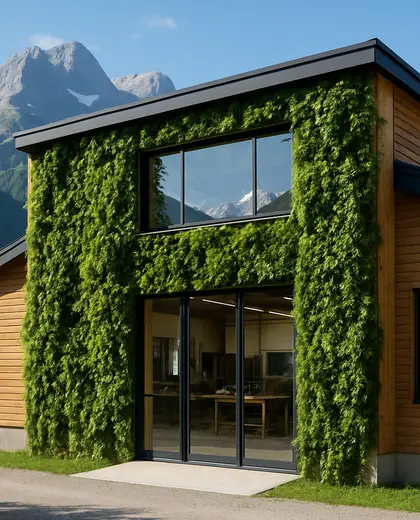
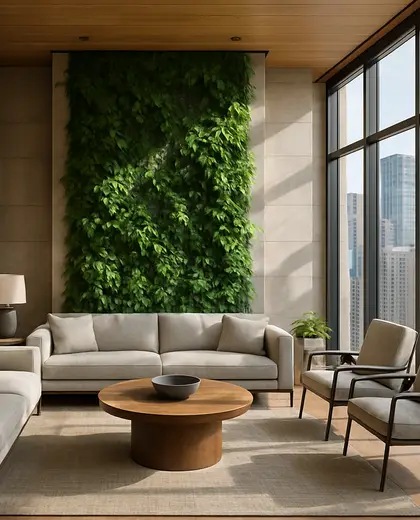
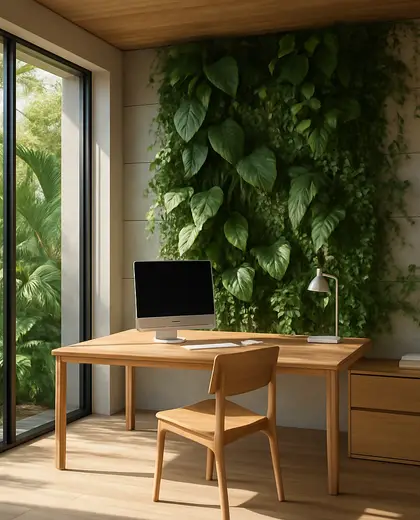
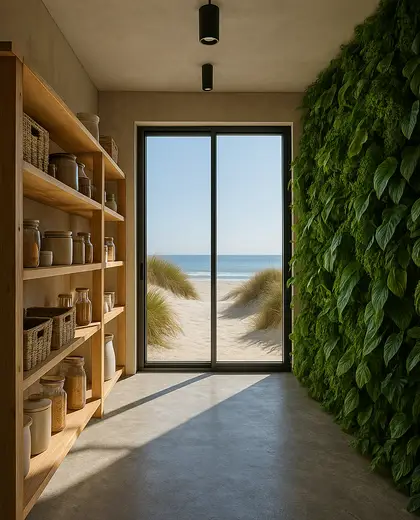
A contemporary vertical garden pairs clean-lined architecture with planted wall systems, using modular panels, slim metal frames, or concealed trellis structures. The look usually relies on concrete, steel, glass, and timber, with dense greenery used as the main texture against a restrained backdrop. The result is crisp and minimal, with the planting becoming the primary visual feature rather than decoration.
- vertical garden
- contemporary
— References
References to explore
What makes a vertical garden feel contemporary instead of traditional?
The structure is usually simplified and geometric, with clean edges, hidden supports, and a limited material palette. The planting is arranged in a controlled, architectural way rather than as a loose garden wall.
— The style
What defines it
Modular planting panels, steel or aluminum frames, concrete, glass, timber, and integrated irrigation systems.
Neutral and restrained: white, charcoal, soft gray, black, and deep green, often with natural wood accents.
Flat roofs, large glazing, polished concrete floors, minimalist terraces, and other contemporary exterior details.
— Professionals
Who has already built it



- paquis norris group limitedbuilders · Reading · 3 projectsView profile →
- LoftRobejoiners · Guildford · 4 projectsView profile →
- Beneito Faurelighting designers · 2 projectsView profile →
- Lusso Stonetile suppliers · Stocktonontees · 7 projectsView profile →
— Explore
Keep exploring
— ARTICLES
Related reading

Home gym budget guide: what a realistic renovation costs in the UK
A practical UK budget guide for renovating a home gym, with realistic cost ranges, smart places to invest, and the hidden extras people often forget.
Read article →
Kitchen planning made simple: a practical place to start
A practical starting guide for planning a kitchen project, from defining what you need to locking key decisions before work begins.
Read article →
formal dining room ideas shaping 2026 interiors
A practical look at the latest formal dining room trends, from richer materials and softer lighting to smarter layouts and easy updates that do not require a full renovation.
Read article →— Questions
Frequently asked questions
What makes a vertical garden feel contemporary instead of traditional?
The structure is usually simplified and geometric, with clean edges, hidden supports, and a limited material palette. The planting is arranged in a controlled, architectural way rather than as a loose garden wall.
Which plants work best for this style?
Plants with varied leaf shapes and layered textures usually work well, especially those that can handle the available light and irrigation conditions. The exact mix depends on whether the wall is shaded, semi-shaded, or in full sun.
Can a vertical garden work on a small patio or courtyard?
Yes, it can be an effective way to add greenery without taking up floor space. A small installation can still feel strong if the wall, frame, and planting proportions are kept simple and well balanced.