— Ideas & inspiration
Rustic vertical gardens with an earthy, lived-in feel
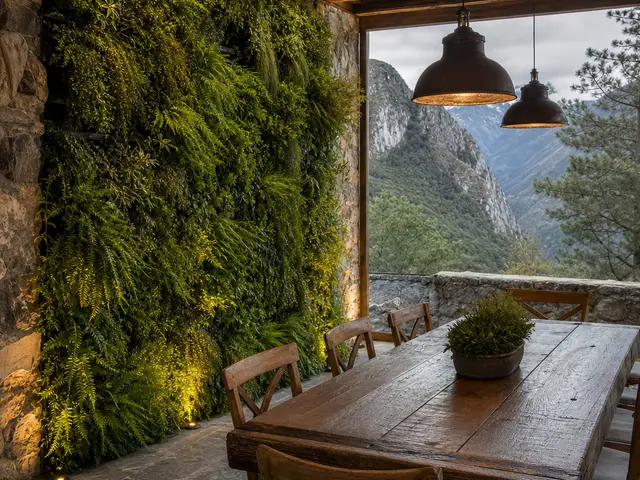
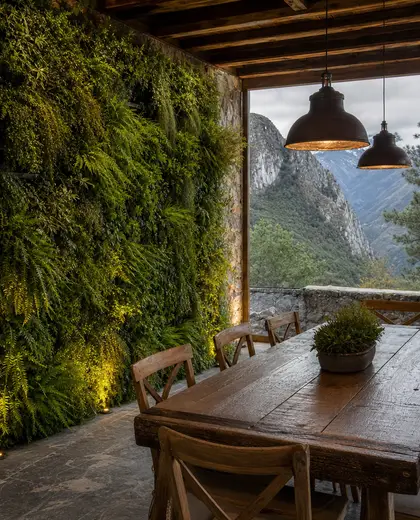
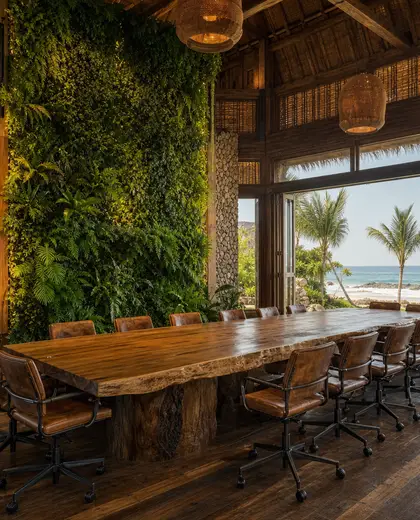
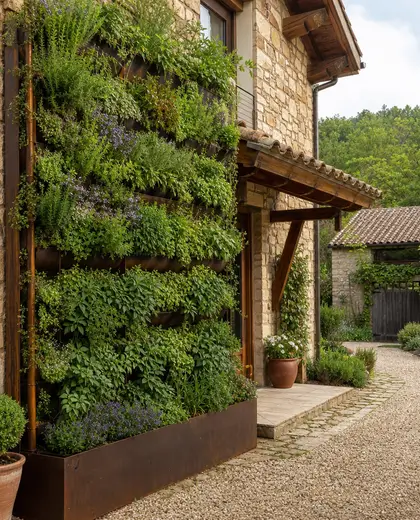
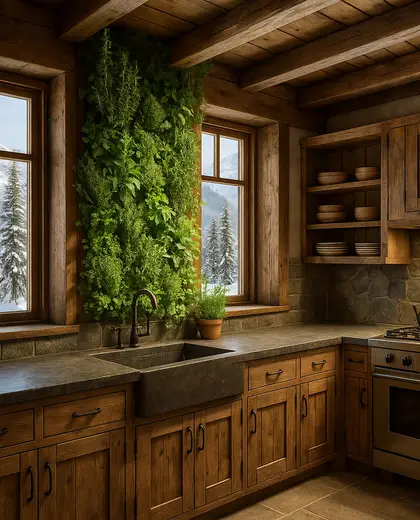
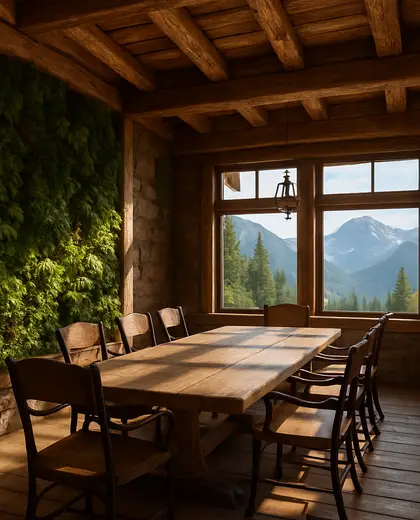
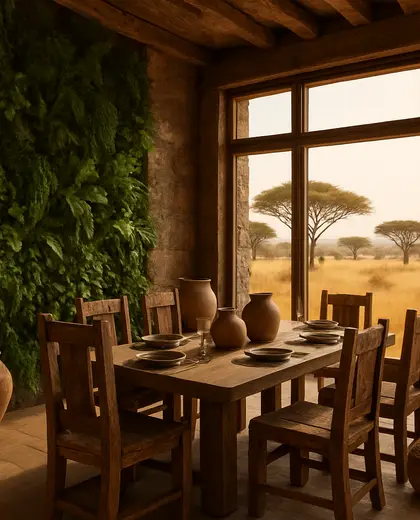
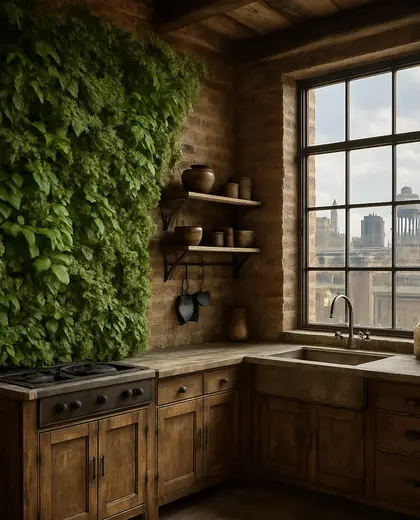
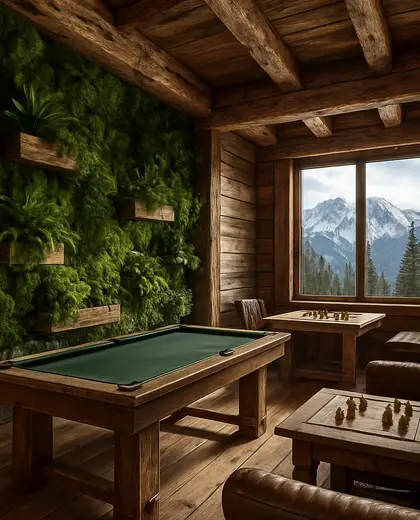
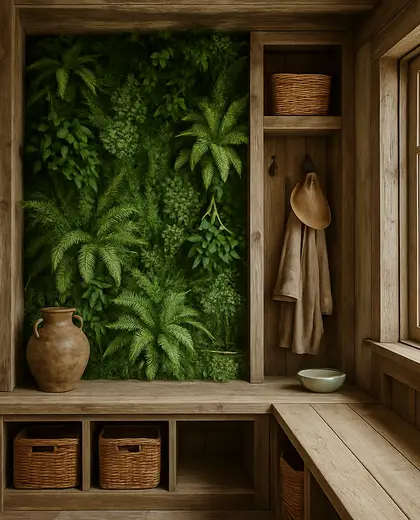
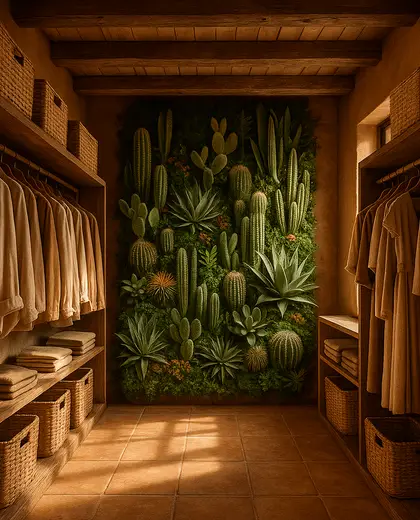
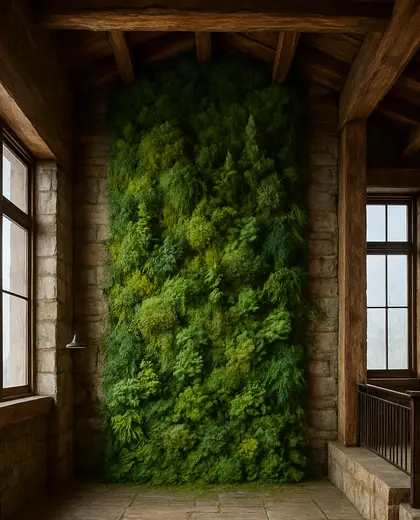
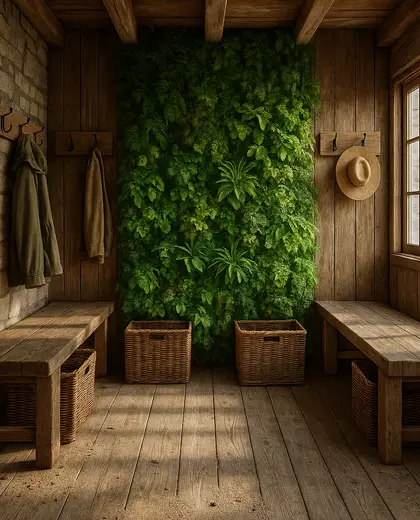
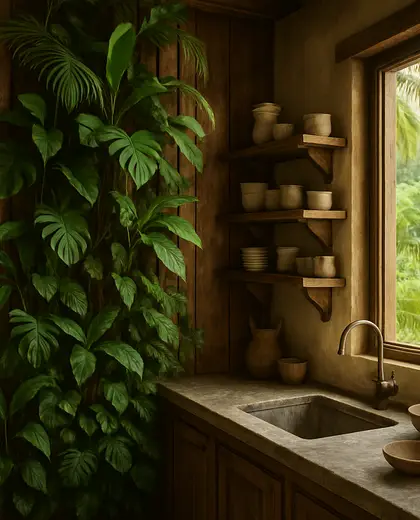
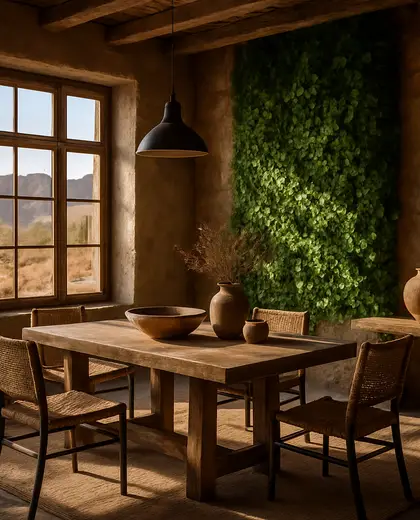
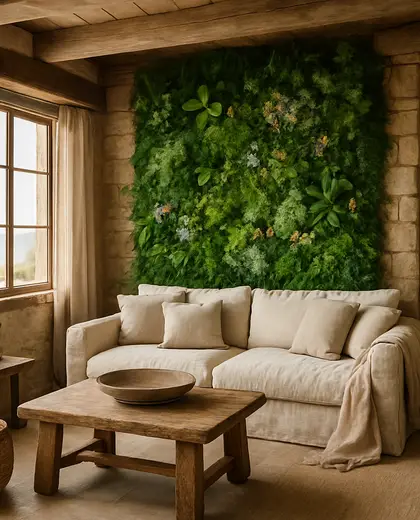
This composition pairs a vertical garden with rustic finishes such as reclaimed wood, weathered metal, stone, and handmade planters. The palette stays earthy and muted, with greens, browns, clay tones, and soft neutrals that let the foliage stand out. Defined by layered plants, textured surfaces, and an informal arrangement, it feels natural rather than polished.
- vertical garden
- rustic
— References
References to explore
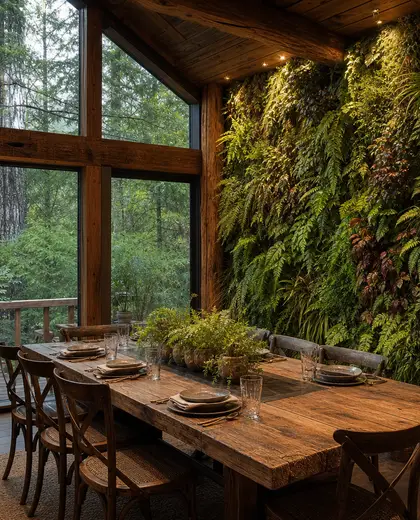
Can a rustic vertical garden work indoors?
Yes, if there is enough light or a suitable grow-light setup and a wall system that handles moisture safely. It is often used in kitchens, entryways, and sunrooms.
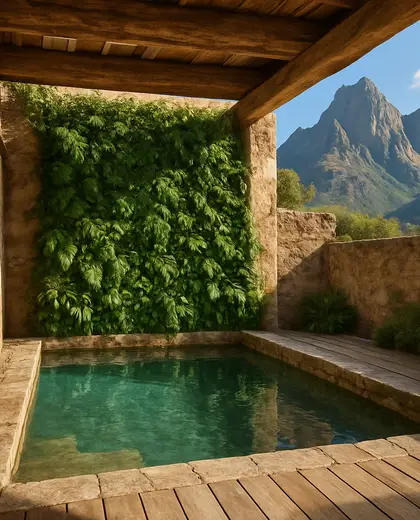
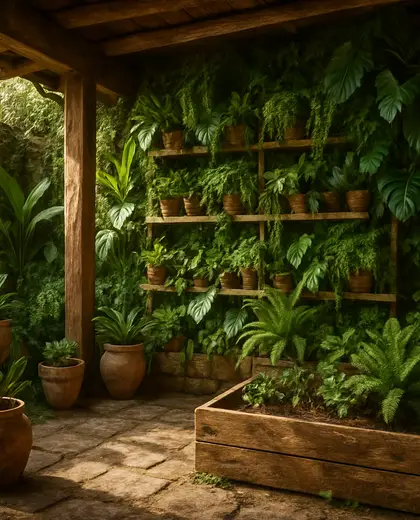
What plants suit this style best?
Ferns, pothos, philodendron, ivy, herbs, succulents, and trailing plants are common choices. The best selection depends on light, humidity, and how much maintenance you want.
Does rustic mean the garden has to look unfinished?
No. Rustic usually means natural, textured, and weathered rather than rough or neglected. The look can still be clean and intentional with well-made planters and a balanced plant layout.
— The style
What defines it
Reclaimed wood, aged metal, stone, terracotta, and planted wall modules or mounted planters.
Moss green, olive, warm brown, clay, sandstone, and soft gray.
Rustic cabinetry, exposed masonry, farmhouse interiors, courtyards, patios, and natural-finish furniture.
— Professionals
Who has already built it



- paquis norris group limitedbuilders · Reading · 3 projectsView profile →
- LoftRobejoiners · Guildford · 4 projectsView profile →
- Beneito Faurelighting designers · 2 projectsView profile →
- Lusso Stonetile suppliers · Stocktonontees · 7 projectsView profile →
— Explore
Keep exploring
— Questions
Frequently asked questions
Can a rustic vertical garden work indoors?
Yes, if there is enough light or a suitable grow-light setup and a wall system that handles moisture safely. It is often used in kitchens, entryways, and sunrooms.
What plants suit this style best?
Ferns, pothos, philodendron, ivy, herbs, succulents, and trailing plants are common choices. The best selection depends on light, humidity, and how much maintenance you want.
Does rustic mean the garden has to look unfinished?
No. Rustic usually means natural, textured, and weathered rather than rough or neglected. The look can still be clean and intentional with well-made planters and a balanced plant layout.