— Ideas & inspiration
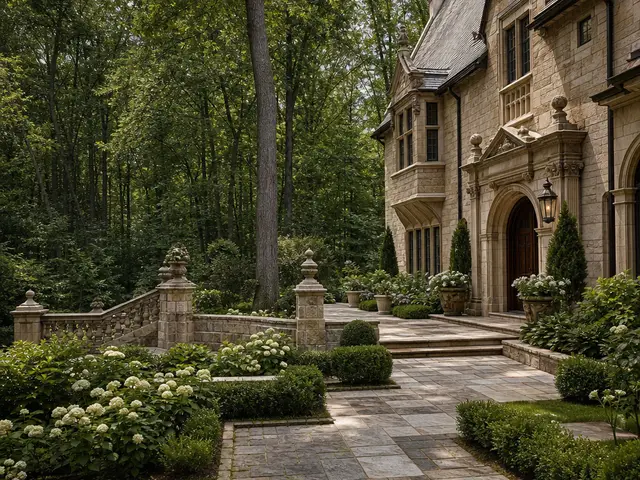
Renaissance in the forest
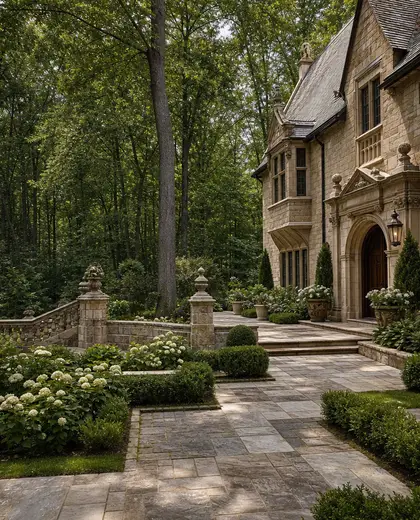
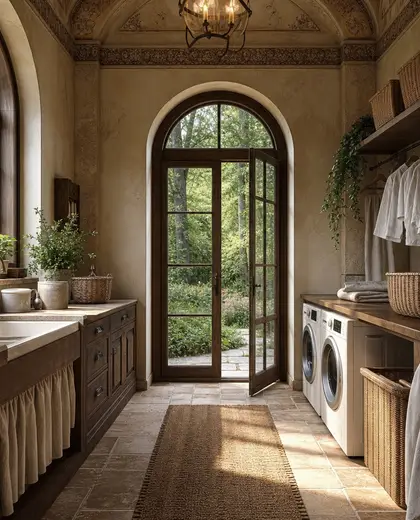
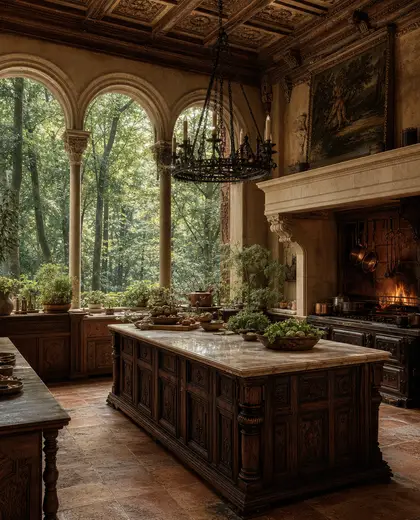
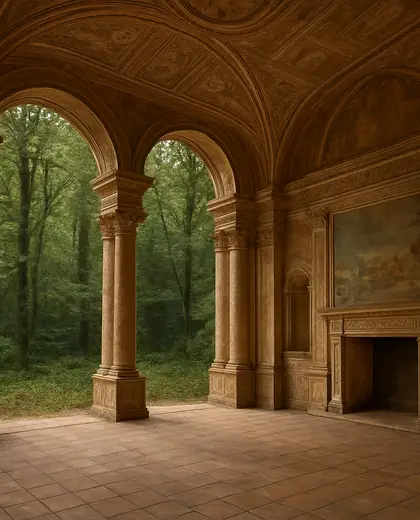
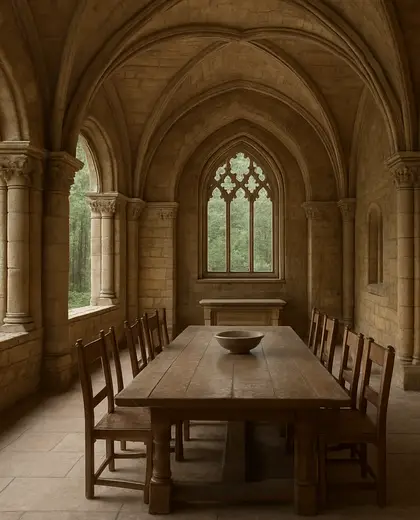
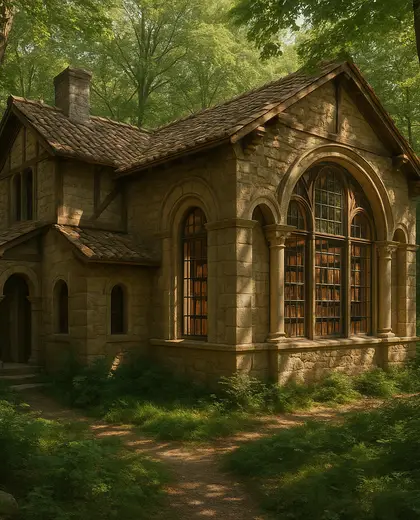
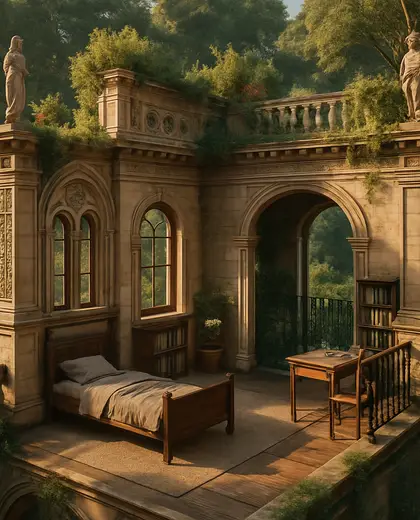
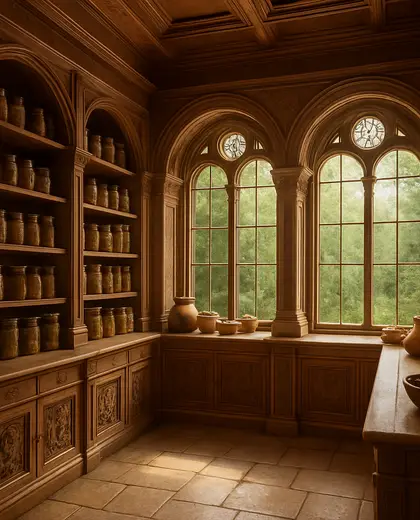
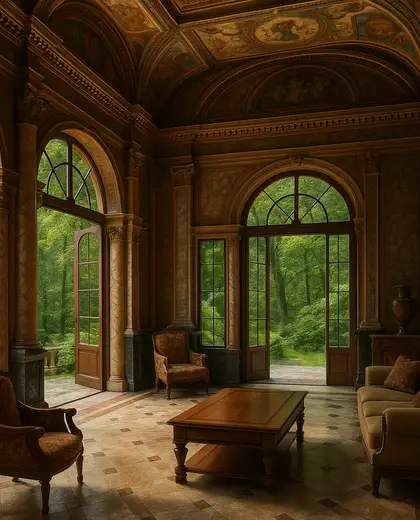
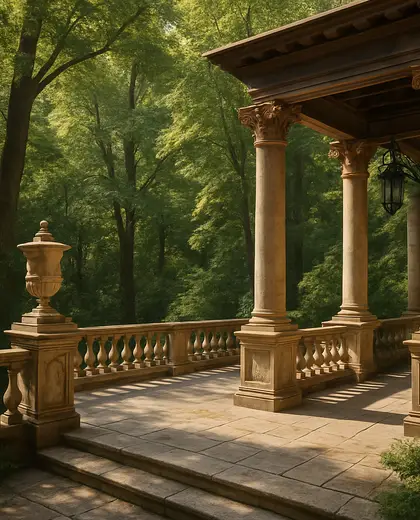
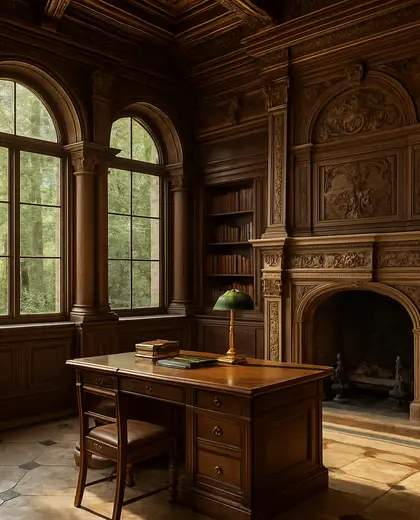
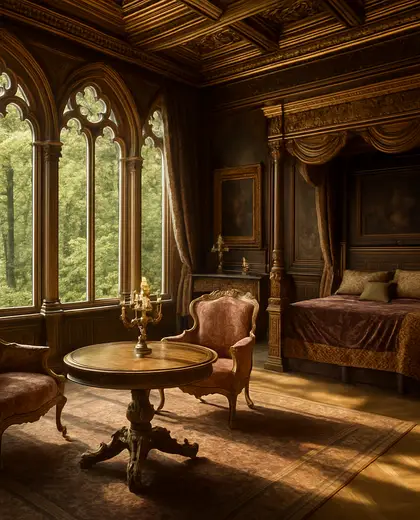
This composition pairs Renaissance proportions and ornament with the calm density of a forest setting. It often uses carved stone, dark wood, plaster moldings, and arched openings, finished in moss green, umber, cream, and muted gold. The result is a layered interior with classical symmetry, natural texture, and a slightly atmospheric, shaded feel.
- renaissance
- forest
— References
References to explore
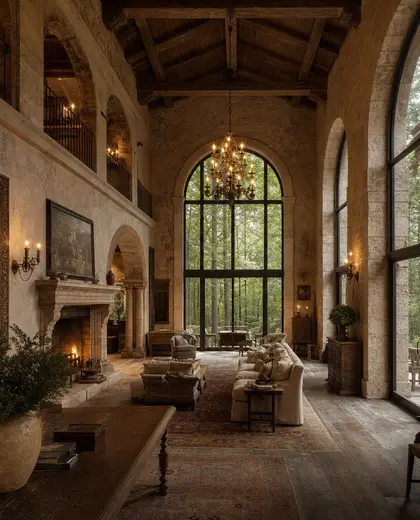
What makes this style feel Renaissance rather than just traditional?
The key is the formal structure: symmetry, classical proportions, arches, pilasters, and ornament inspired by historic European interiors.
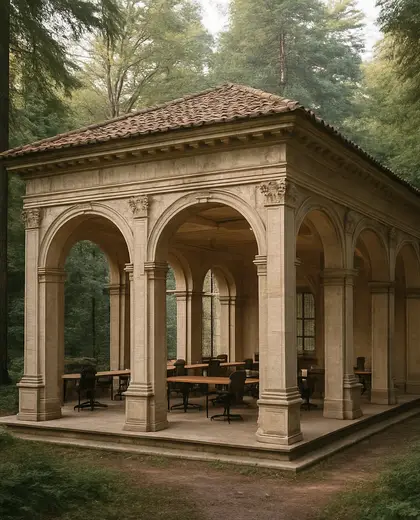
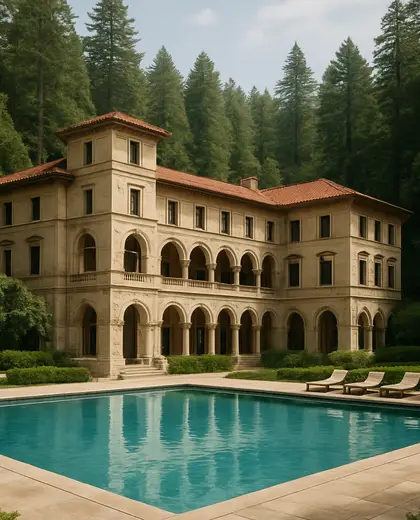
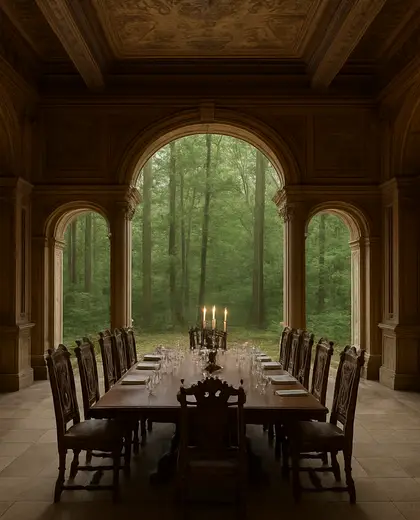
How do I bring in the forest theme without making it look rustic?
Use natural color, wood grain, and botanical references in a controlled way, while keeping the main forms refined and architectural.
What rooms suit this composition best?
It works well in living rooms, libraries, dining rooms, and entry halls where ceiling height, wall detailing, and layered materials can be expressed clearly.
— The style
What defines it
Carved wood, stone, plaster, wrought iron, and textured textiles are typical, often balanced with aged finishes and natural surfaces.
Earthy greens, bark browns, stone gray, antique cream, and restrained gold accents define the look.
It combines Renaissance symmetry, columns, arches, and fresco-like details with woodland textures, foliage references, and a muted natural mood.
— Professionals
Who has already built it
- elizabeth bee interior deinterior designers · 4 projectsView profile →
- slade slade design3d renderers · Bristol · 6 projectsView profile →
- maria mateaarchitects · London · 7 projectsView profile →
- paquis norris group limitedbuilders · Reading · 3 projectsView profile →
— Questions
Frequently asked questions
What makes this style feel Renaissance rather than just traditional?
The key is the formal structure: symmetry, classical proportions, arches, pilasters, and ornament inspired by historic European interiors.
How do I bring in the forest theme without making it look rustic?
Use natural color, wood grain, and botanical references in a controlled way, while keeping the main forms refined and architectural.
What rooms suit this composition best?
It works well in living rooms, libraries, dining rooms, and entry halls where ceiling height, wall detailing, and layered materials can be expressed clearly.