— Ideas & inspiration
Rustic House Warmth with a grounded, lived-in character
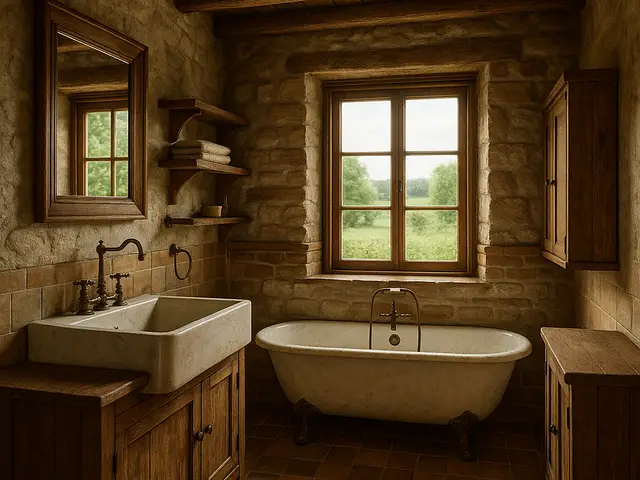
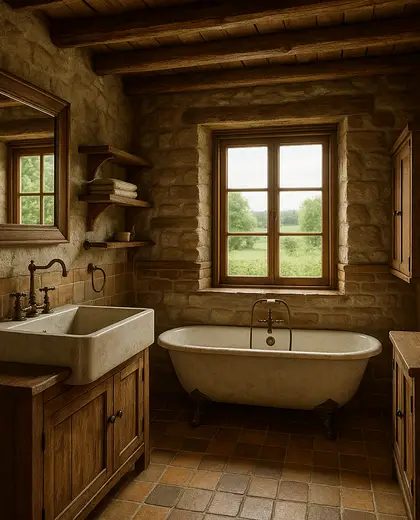
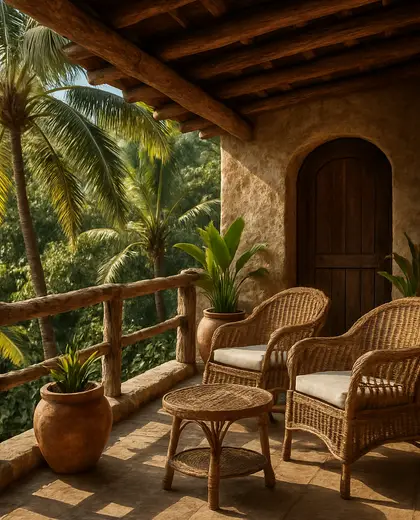
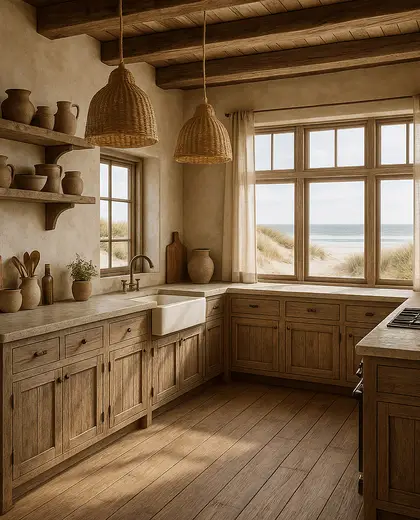
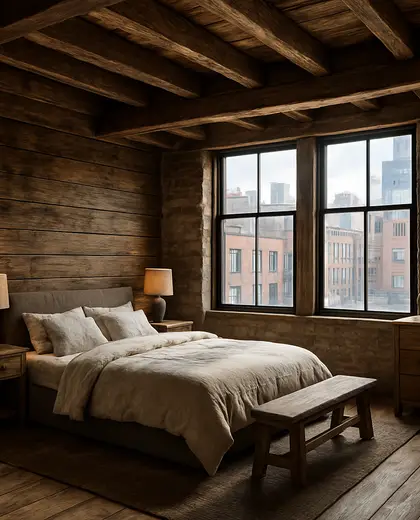
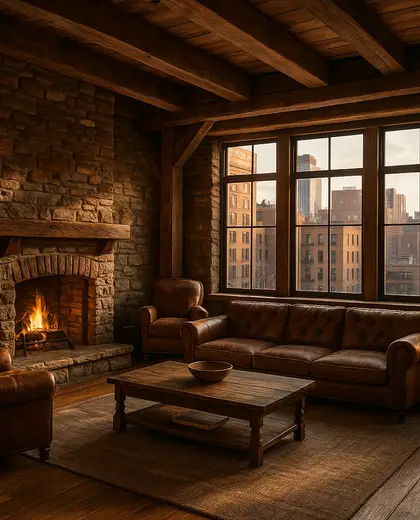
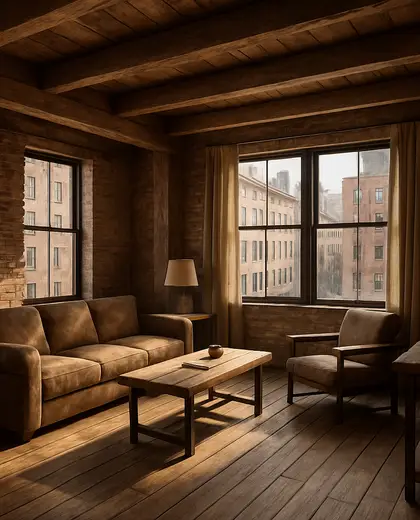
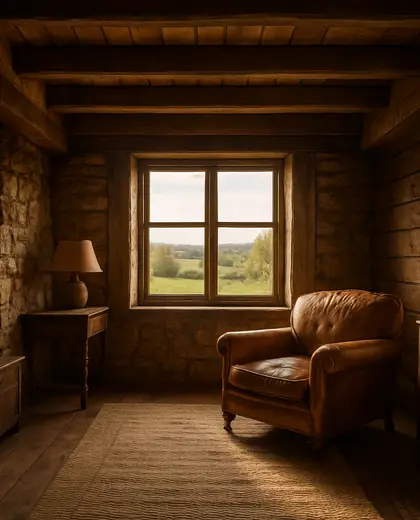
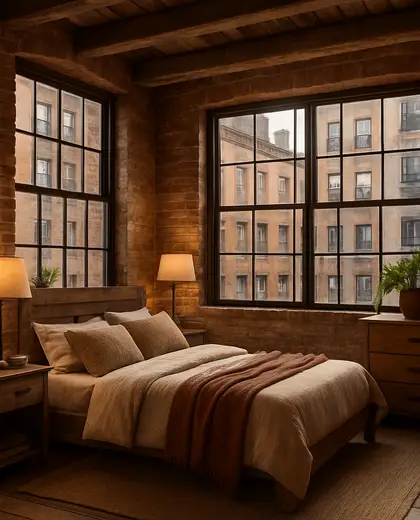
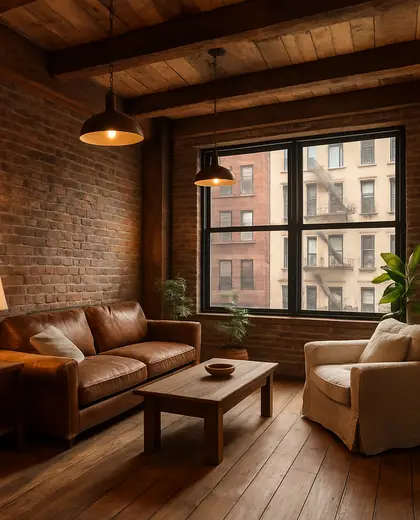
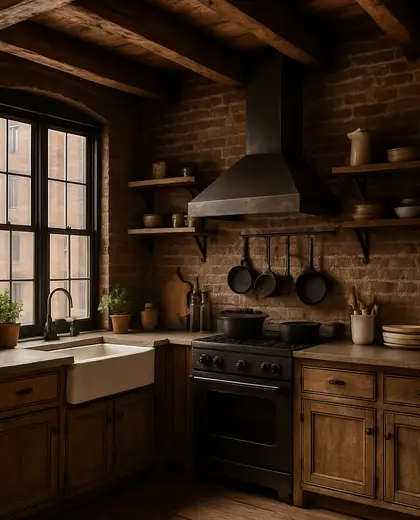
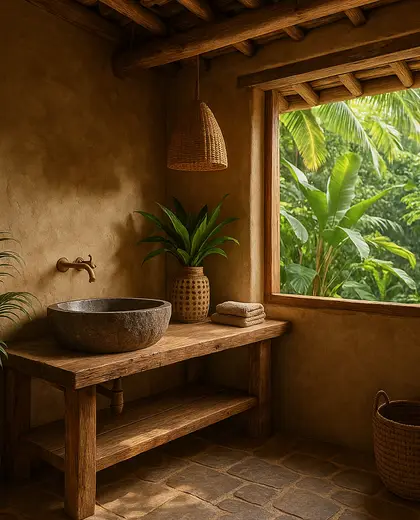
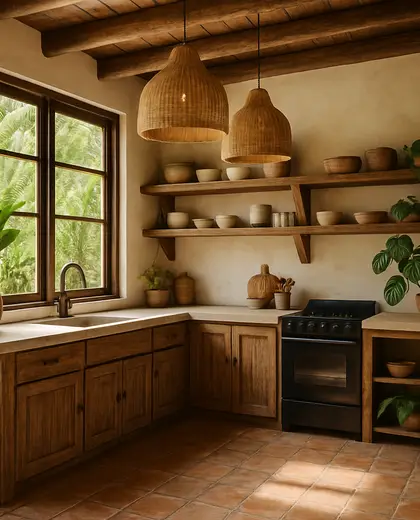
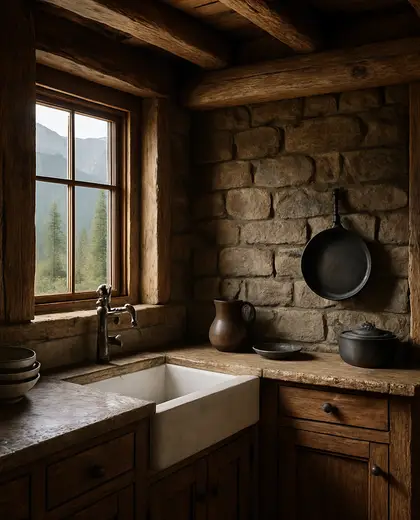
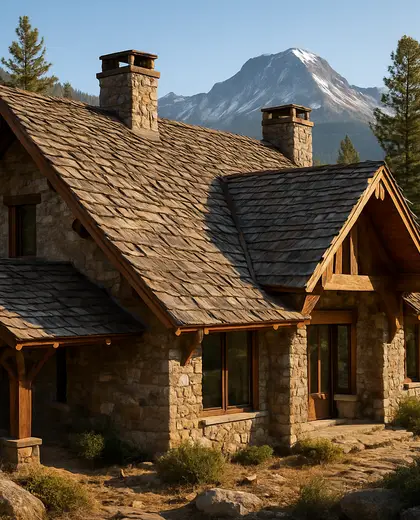
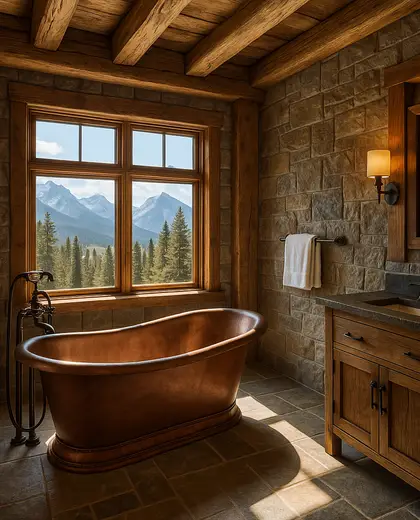
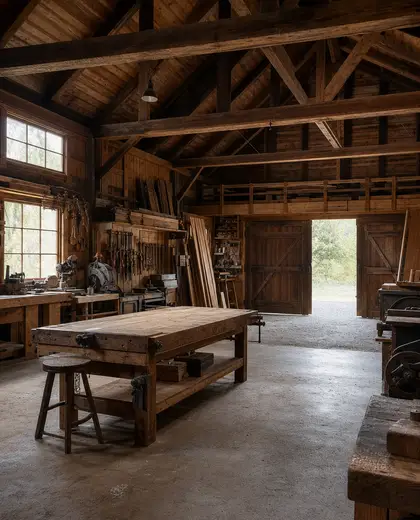
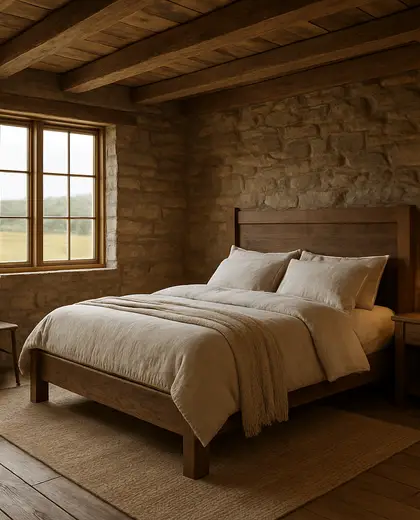
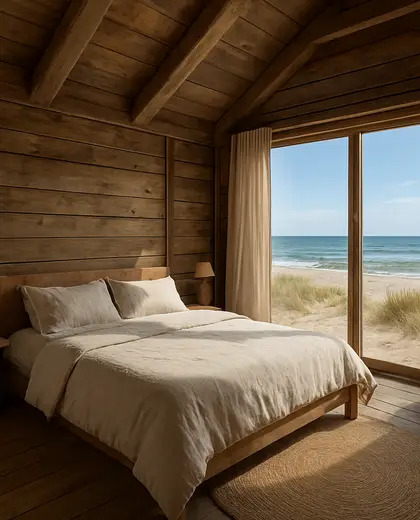
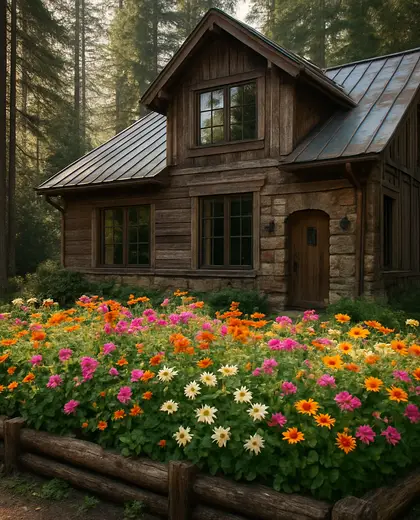
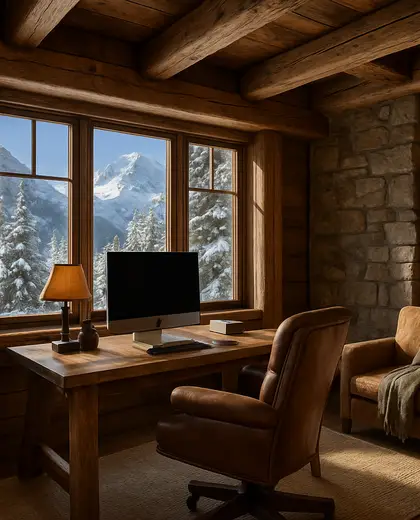
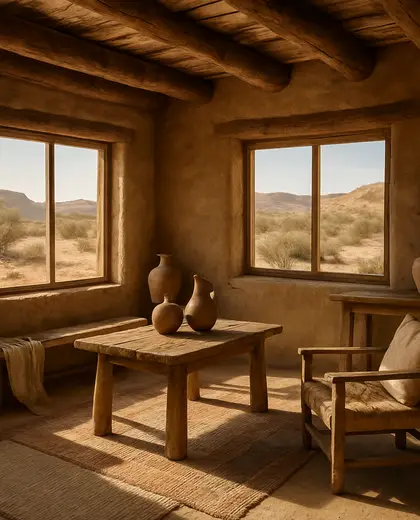
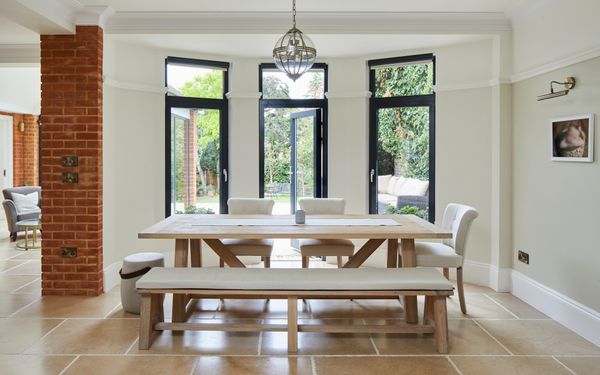
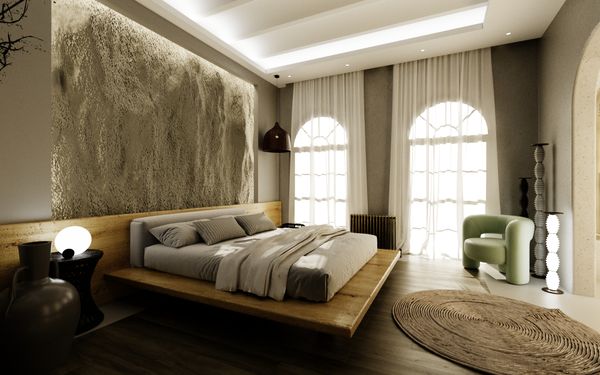
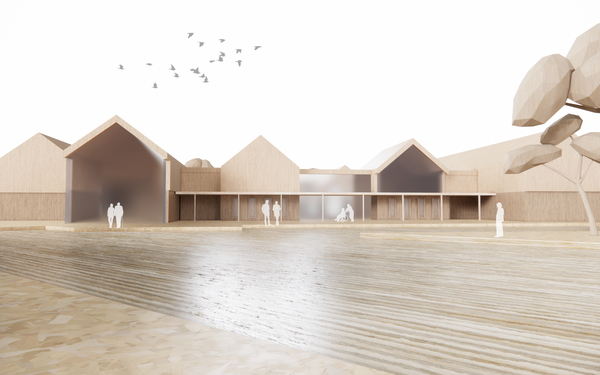
A rustic house is defined by natural, tactile materials such as wood, stone, clay, and textured plaster. The palette stays earthy and muted, with browns, warm whites, greys, and weathered finishes. Exposed beams, handcrafted details, and simple, solid forms give the composition its unmistakable character.
- house
- rustic
— References
References to explore
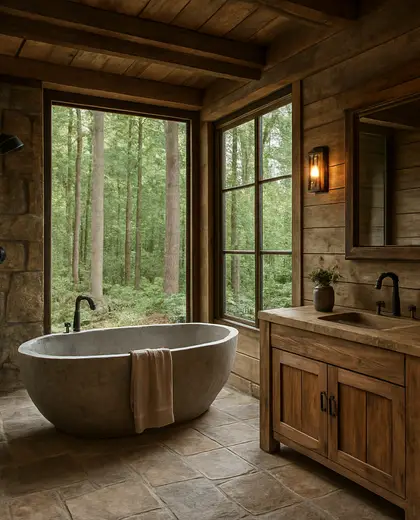
What makes a house feel rustic instead of just plain old-fashioned?
The difference is in the materials and finish: rustic design uses natural, honest surfaces like timber and stone, often left textured, imperfect, or visibly weathered. It feels intentional and grounded rather than simply dated.
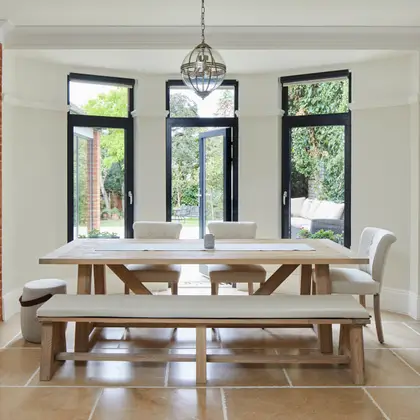
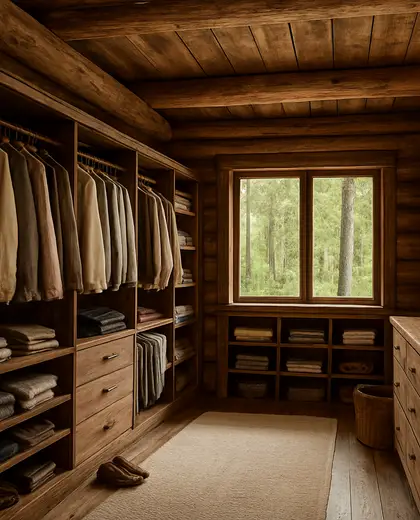
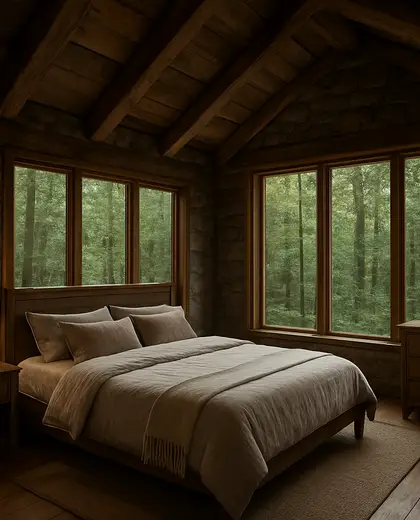
Can a rustic house still look modern?
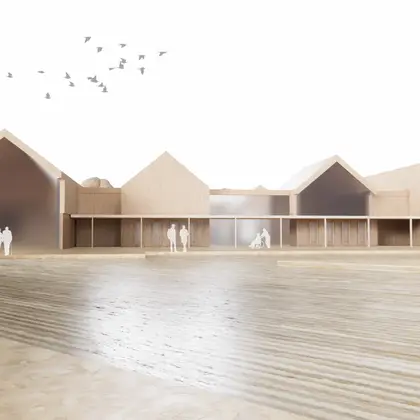
Yes. Clean lines, larger openings, simpler roof forms, and restrained detailing can keep the house contemporary while still using rustic materials and colors.
Does rustic mean dark interiors and heavy finishes?
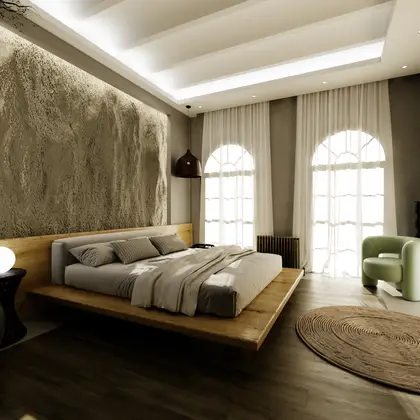
Not necessarily. Rustic spaces can be bright and airy if you pair natural materials with light plaster, pale woods, and plenty of daylight.
— The style
What defines it
Wood, stone, clay tile, brick, plaster, and other natural finishes with visible texture and age.
Earth tones, warm neutrals, soft greys, muted greens, and finishes that look sun-faded or weathered.
Works well with farmhouse, country, Mediterranean, cabin, and modern-rustic interiors and exteriors.
— Professionals
Who has already built it



- paquis norris group limitedbuilders · Reading · 3 projectsView profile →
- LoftRobejoiners · Guildford · 4 projectsView profile →
- Beneito Faurelighting designers · 2 projectsView profile →
- Lusso Stonetile suppliers · Stocktonontees · 7 projectsView profile →
— Explore
Keep exploring
— Questions
Frequently asked questions
What makes a house feel rustic instead of just plain old-fashioned?
The difference is in the materials and finish: rustic design uses natural, honest surfaces like timber and stone, often left textured, imperfect, or visibly weathered. It feels intentional and grounded rather than simply dated.
Can a rustic house still look modern?
Yes. Clean lines, larger openings, simpler roof forms, and restrained detailing can keep the house contemporary while still using rustic materials and colors.
Does rustic mean dark interiors and heavy finishes?
Not necessarily. Rustic spaces can be bright and airy if you pair natural materials with light plaster, pale woods, and plenty of daylight.