— Ideas & inspiration
Sustainable facades with a clean architectural edge
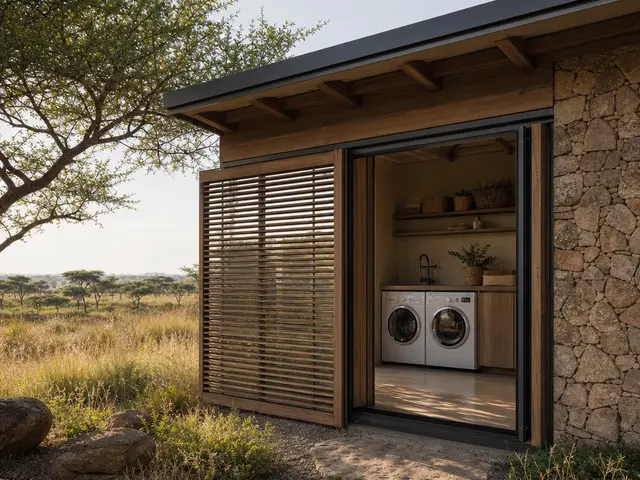
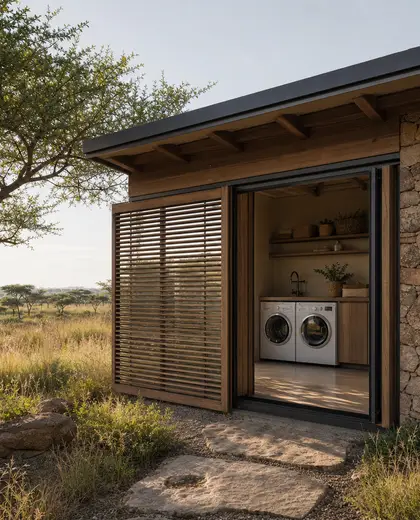
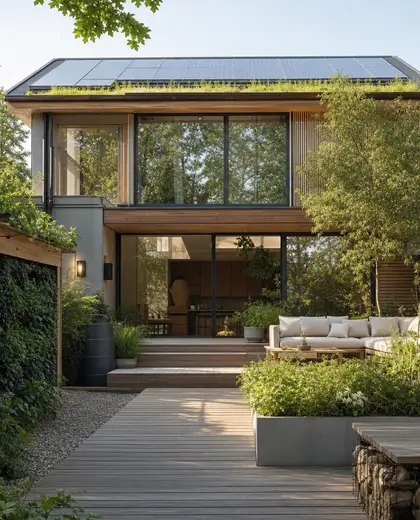
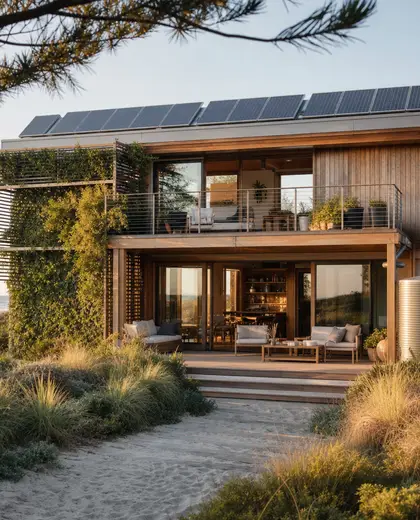
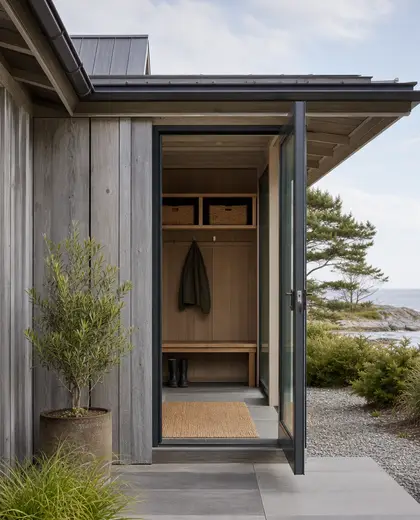
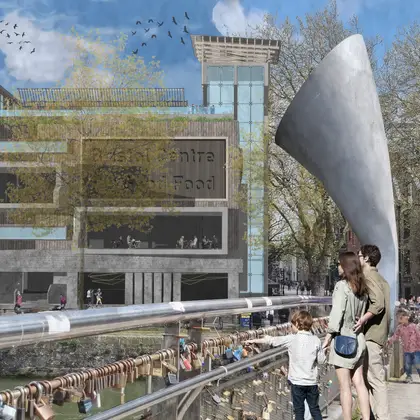
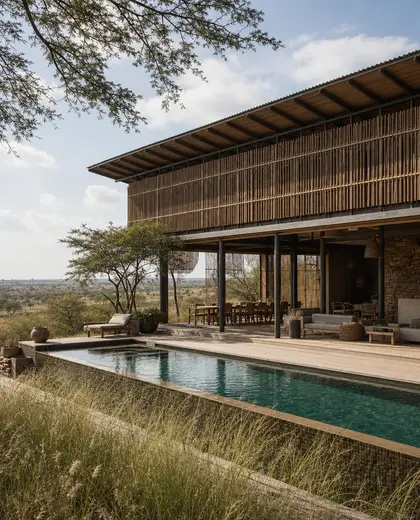
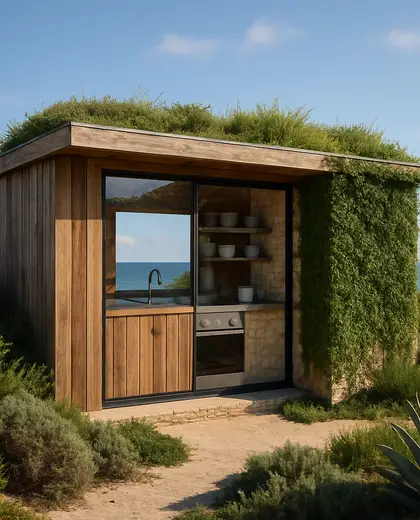
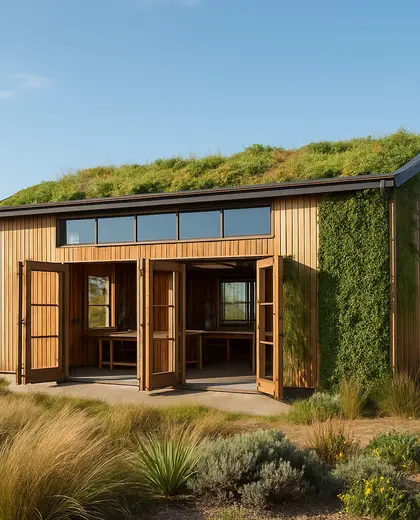
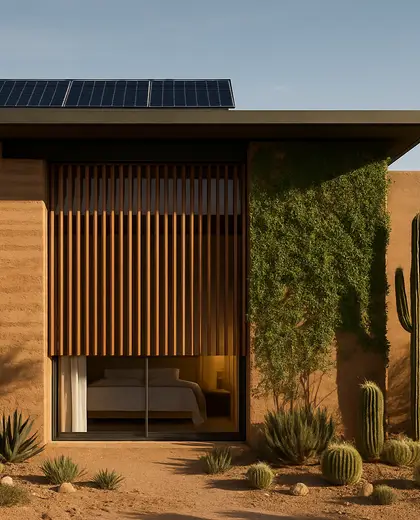
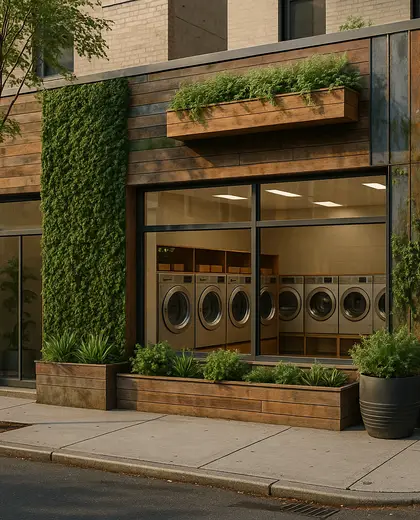
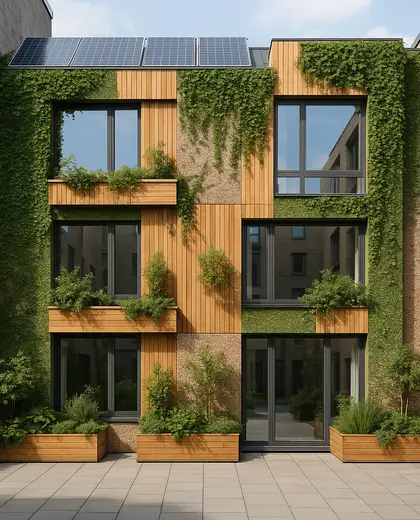
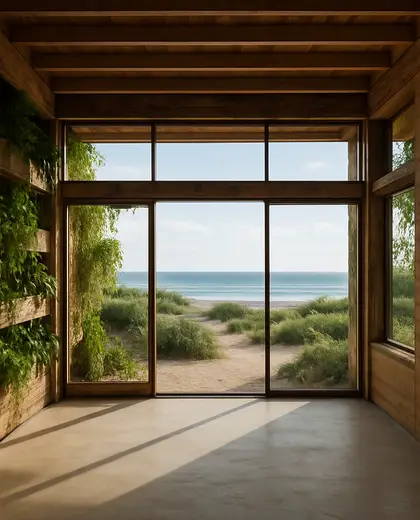
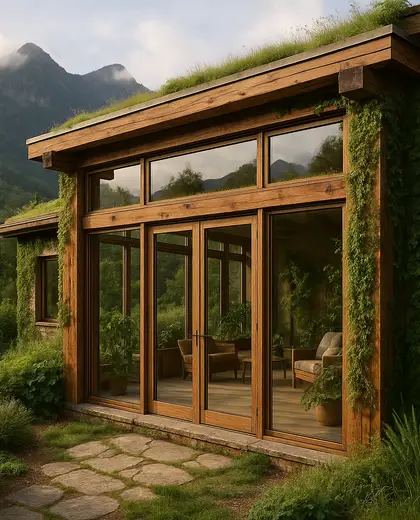
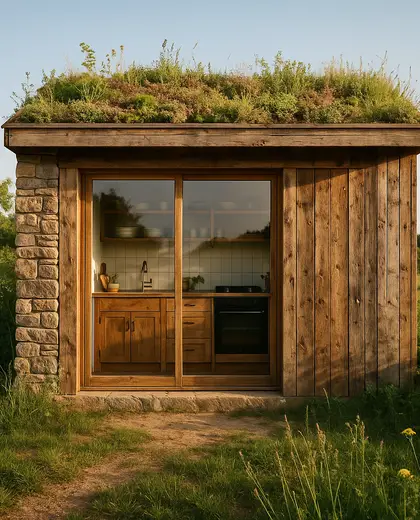
This composition is defined by a facade that reduces environmental impact through shading, insulation, natural ventilation, and efficient glazing. Common materials include timber, brick, stone, recycled metal, fiber cement, and low-carbon concrete, often paired with solar control screens or vegetated layers. The look is typically crisp and restrained, with performance details shaped into the exterior composition.
- facade
- sustainable
— References
References to explore
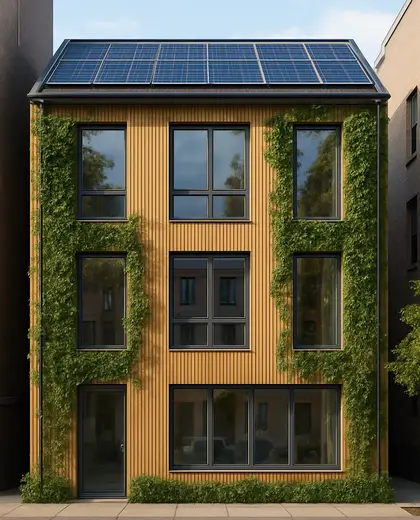
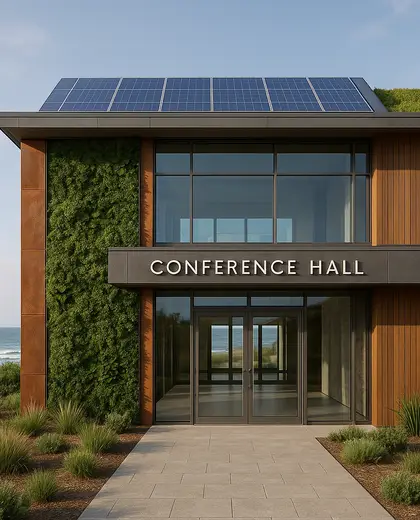
What makes a facade sustainable?
A sustainable facade usually improves energy performance with better insulation, controlled glazing, shading, and materials chosen for durability, low embodied carbon, or recycled content.
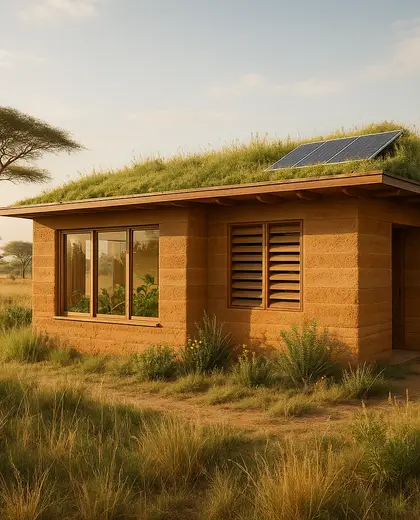
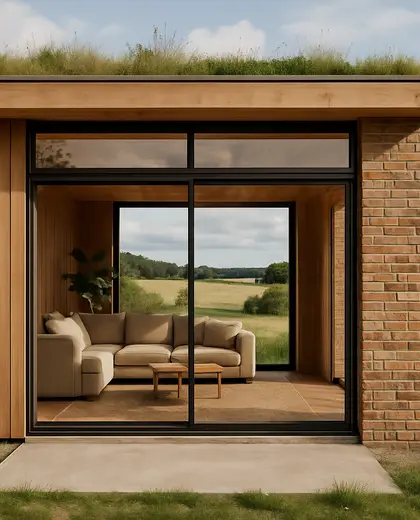
Can a sustainable facade still look contemporary?
Yes. It often looks contemporary because the design emphasizes clean lines, layered screens, and carefully detailed openings rather than ornament.
— The style
What defines it
Timber slats, brick, stone, recycled aluminum, fiber cement, and low-carbon concrete are common, often combined with high-performance glazing and shading systems.
Natural, muted, and earthy tones are typical: warm wood, gray mineral finishes, off-white surfaces, and deep dark accents for frames or screens.
Often paired with passive design, daylighting, insulation upgrades, green walls, solar panels, and weather-responsive shading.
— Professionals
Who has already built it
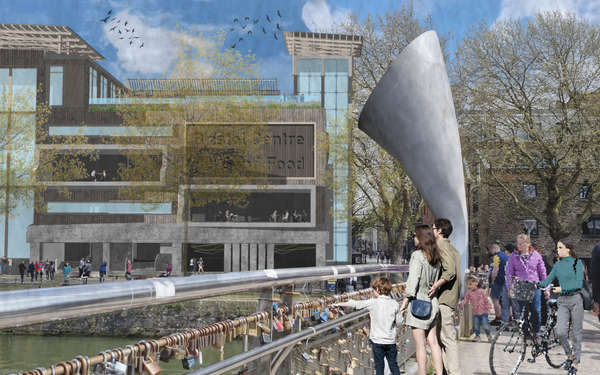

- paquis norris group limitedbuilders · Reading · 3 projectsView profile →
- LoftRobejoiners · Guildford · 4 projectsView profile →
- Beneito Faurelighting designers · 2 projectsView profile →
- Lusso Stonetile suppliers · Stocktonontees · 7 projectsView profile →
— Explore
Keep exploring
— ARTICLES
Related reading
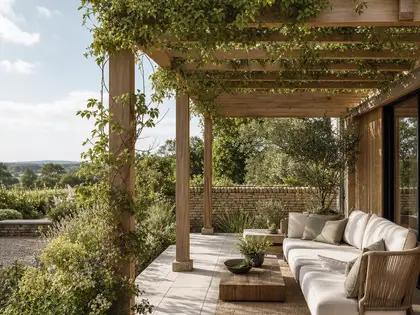
5 mistakes to avoid when designing a pergola
A practical guide to the most common pergola mistakes, with simple fixes that make the space more comfortable, durable and easy to enjoy in the UK.
Read article →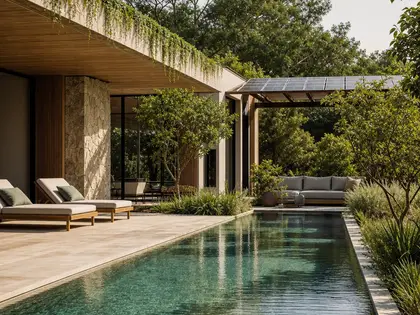
pool trends that feel fresh in 2026
A practical look at the latest pool trends, from low-energy materials and calm colour palettes to smarter layouts and tech, plus easy ways to update without a full rebuild.
Read article →— Questions
Frequently asked questions
What makes a facade sustainable?
A sustainable facade usually improves energy performance with better insulation, controlled glazing, shading, and materials chosen for durability, low embodied carbon, or recycled content.
Can a sustainable facade still look contemporary?
Yes. It often looks contemporary because the design emphasizes clean lines, layered screens, and carefully detailed openings rather than ornament.
Do sustainable facades have to use natural materials?
No. Natural materials are common, but sustainable facades can also use recycled metals, engineered panels, and high-performance glass if they support energy and durability goals.