— Ideas & inspiration
Alpine
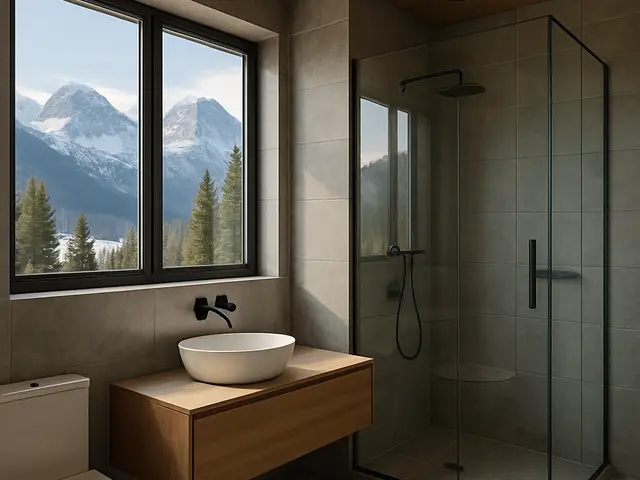
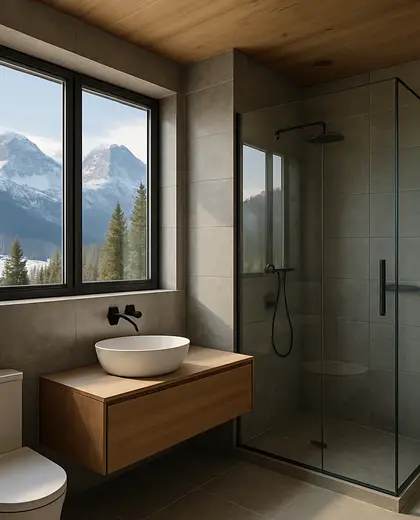
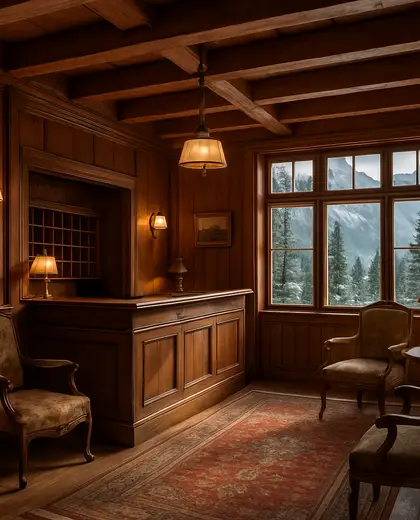
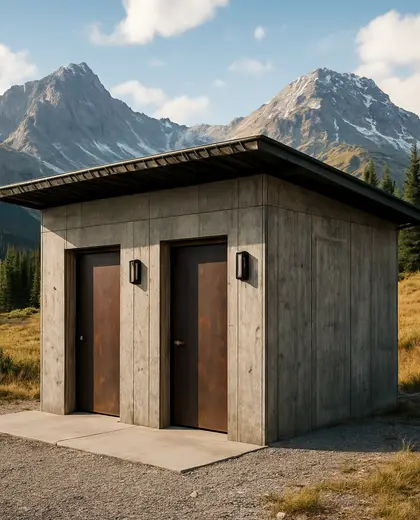
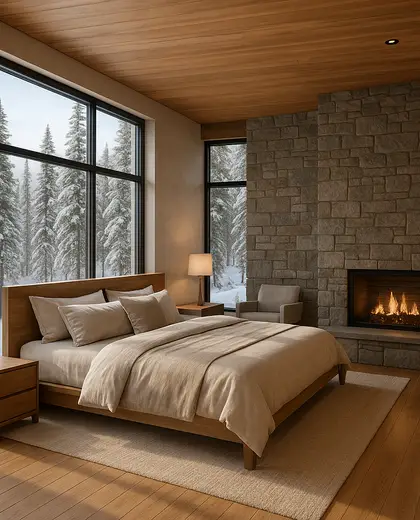
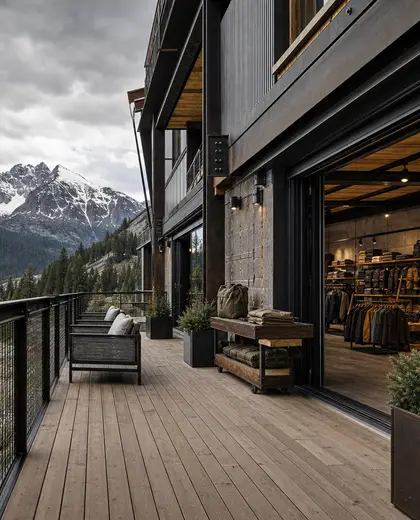
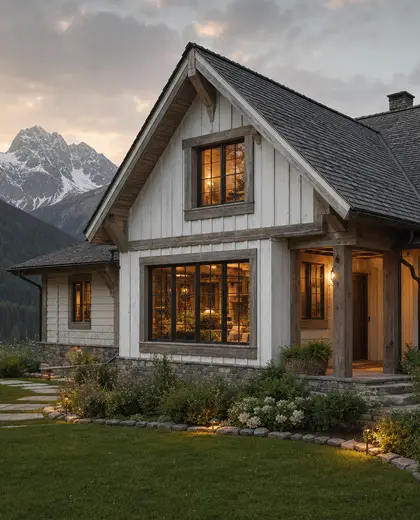
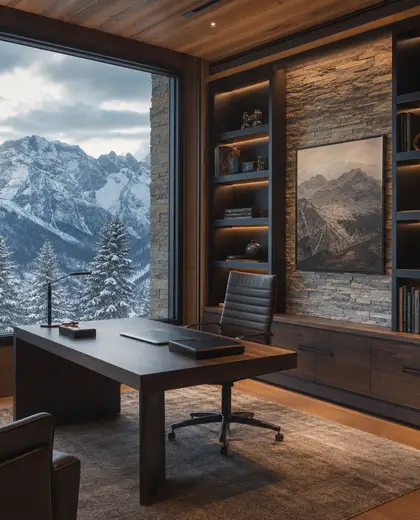
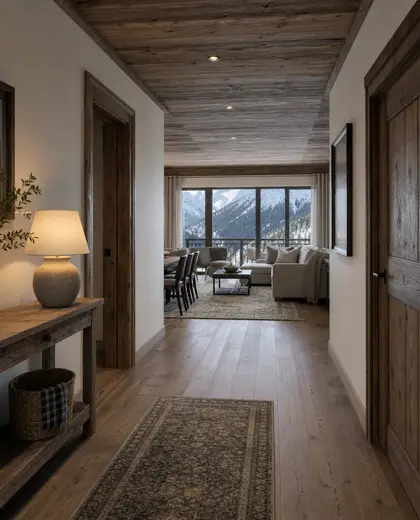
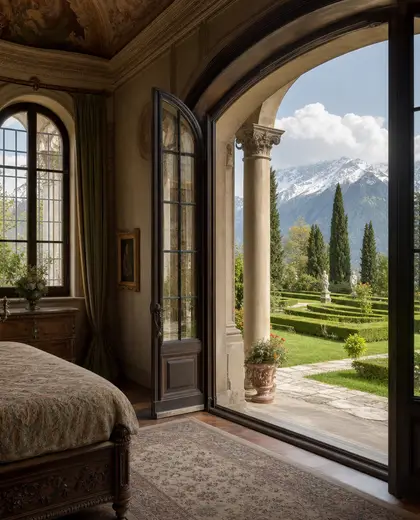
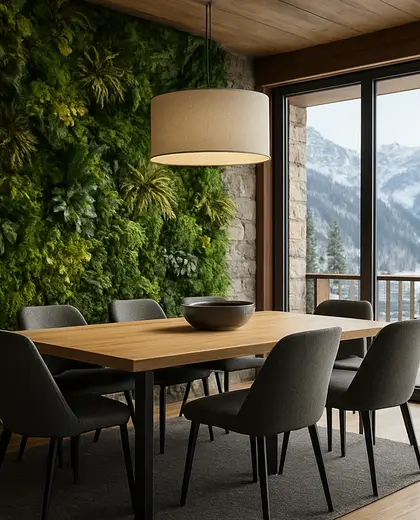
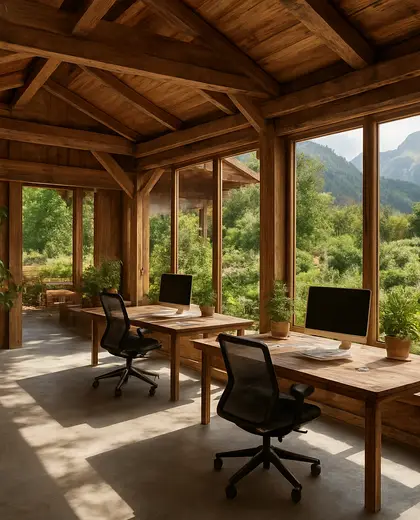
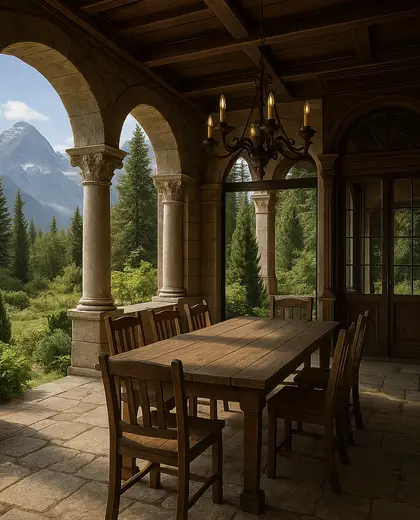
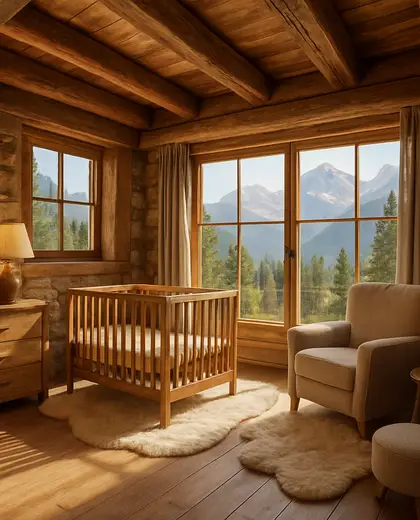
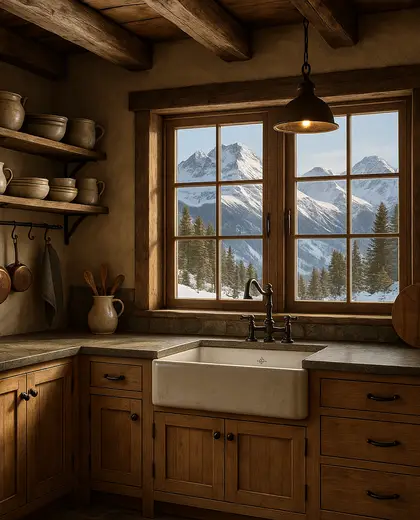
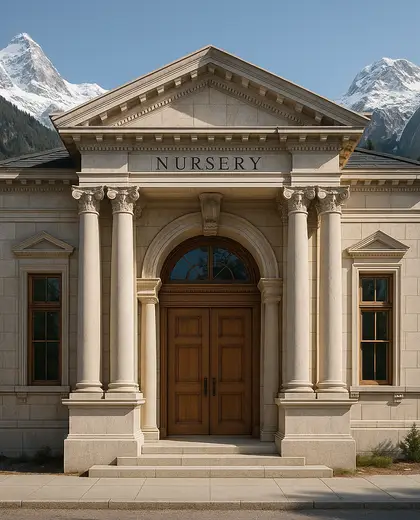
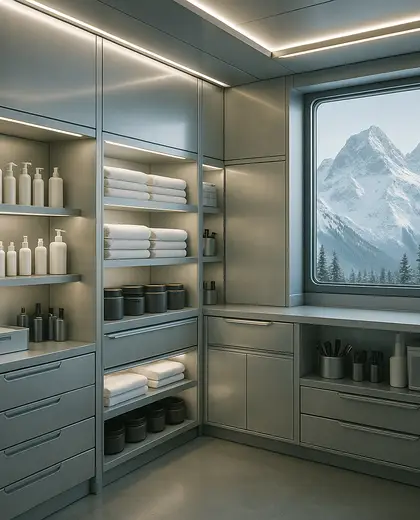
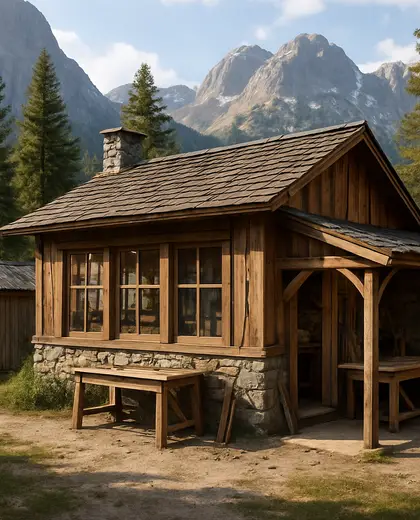
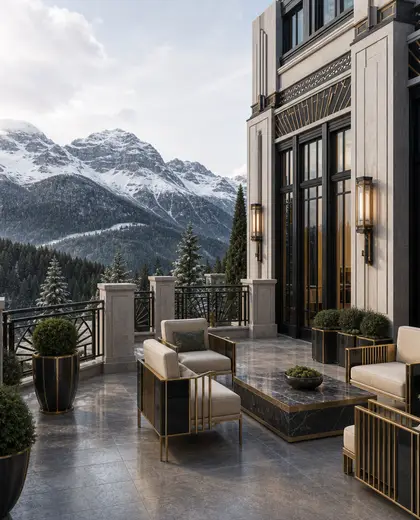
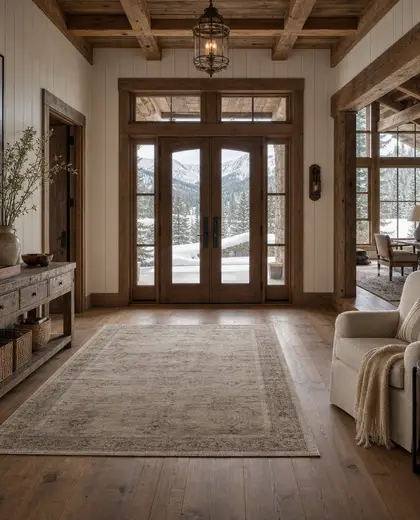
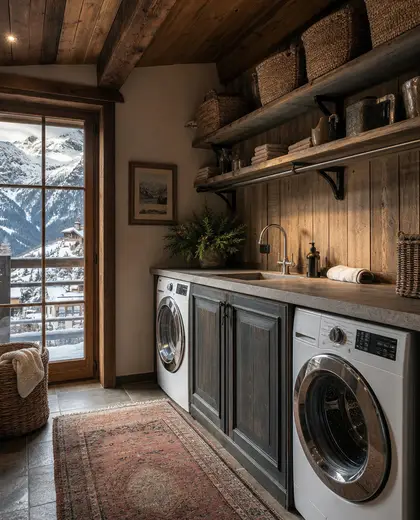
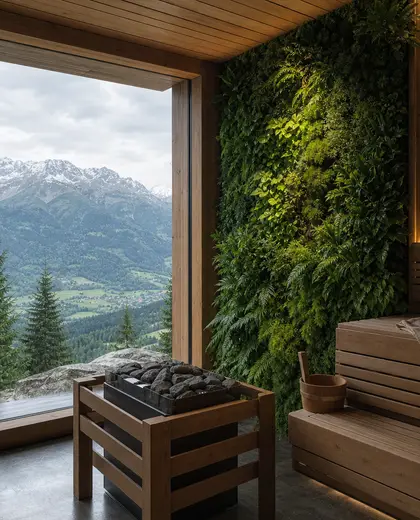
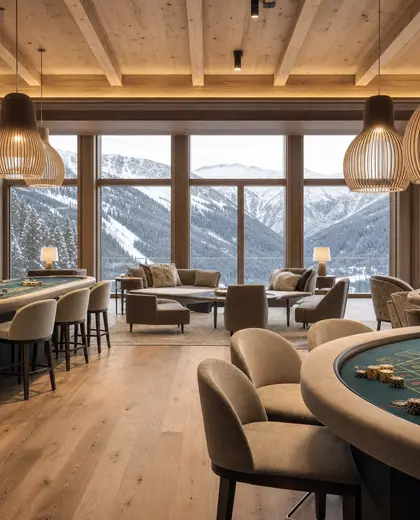
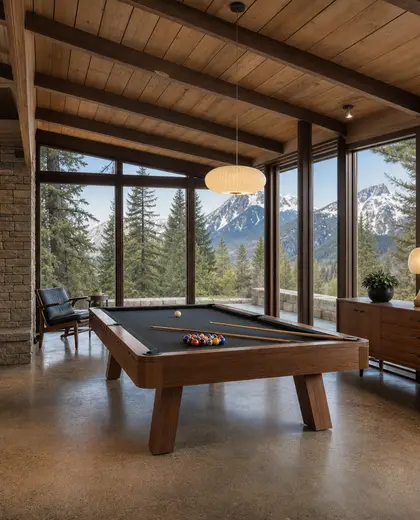
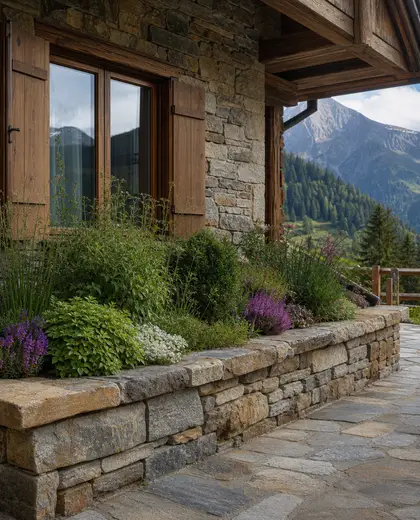
An alpine composition uses warm timber, natural stone, and textured plaster to create a grounded, mountain-influenced interior. The palette is usually restrained: whites, greys, charcoal, and weathered browns, often balanced with black metal or brushed steel accents. It is defined by sturdy built-ins, visible grain, and materials that feel durable in cold-weather settings.
- alpine
— References
References to explore
Is alpine style only for mountain homes?
No. It comes from mountain architecture, but the material mix and restrained palette can work in many homes, especially where you want a warm, natural atmosphere.
How do I keep alpine from feeling too rustic?
Use cleaner lines, fewer decorative objects, and a more controlled palette. Pair timber and stone with simple cabinetry, slim metal details, and plenty of light.
What finishes suit an alpine interior?
Matte or low-sheen finishes are usually best. Oiled wood, honed stone, textured plaster, and brushed metal keep the composition natural and understated.
— The style
What defines it
Solid wood, stone, plaster, wool, leather, and dark metal details are the core materials.
Soft whites, stone greys, deep browns, black, and muted green tones keep the look calm and earthy.
Works well with rustic, contemporary, and lodge-inspired interiors, especially in homes with large windows or sloped ceilings.
— Professionals
Who has already built it
- LoftRobejoiners · Guildford · 4 projectsView profile →
- Beneito Faurelighting designers · 2 projectsView profile →
- Lusso Stonetile suppliers · Stocktonontees · 7 projectsView profile →
- elizabeth bee interior deinterior designers · 4 projectsView profile →
— Questions
Frequently asked questions
Is alpine style only for mountain homes?
No. It comes from mountain architecture, but the material mix and restrained palette can work in many homes, especially where you want a warm, natural atmosphere.
How do I keep alpine from feeling too rustic?
Use cleaner lines, fewer decorative objects, and a more controlled palette. Pair timber and stone with simple cabinetry, slim metal details, and plenty of light.
What finishes suit an alpine interior?
Matte or low-sheen finishes are usually best. Oiled wood, honed stone, textured plaster, and brushed metal keep the composition natural and understated.