— Ideas & inspiration
Art Nouveau
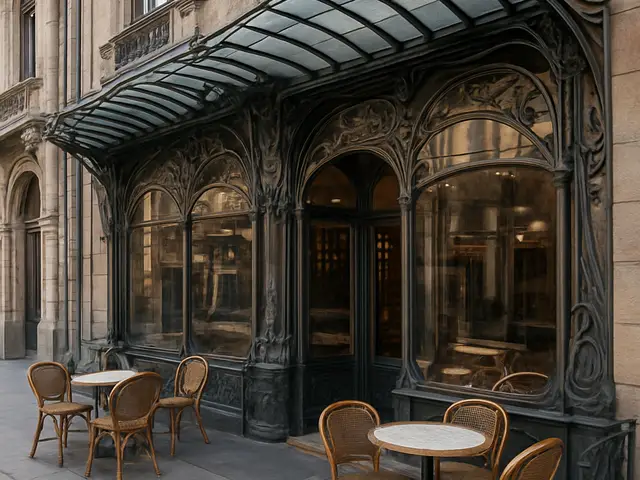
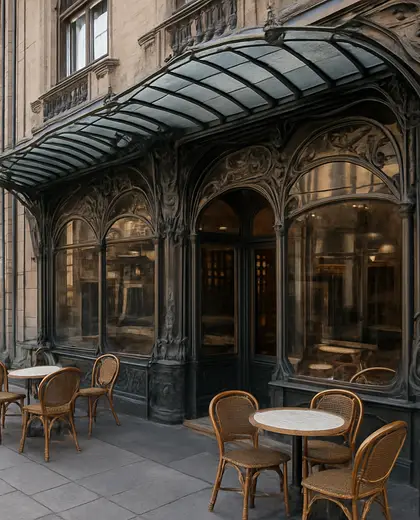
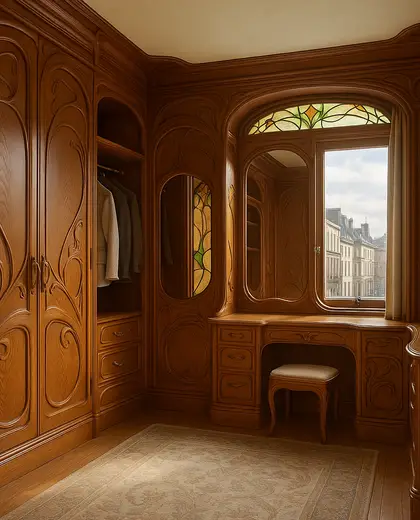
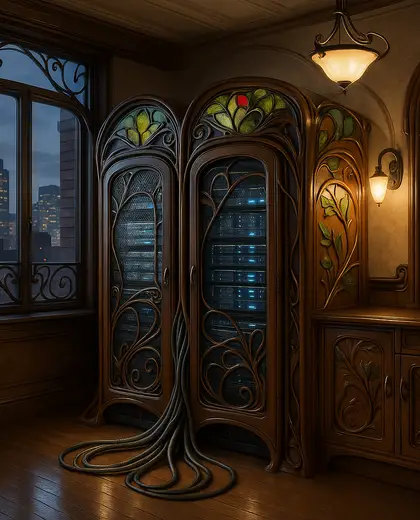
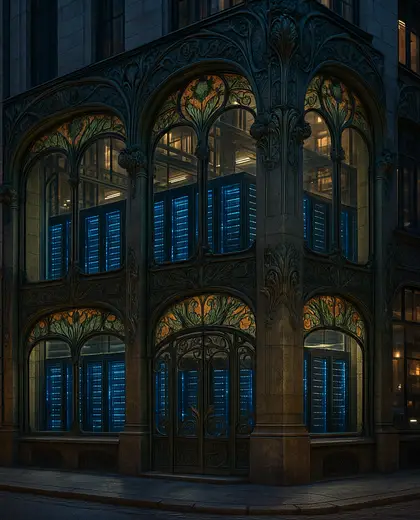
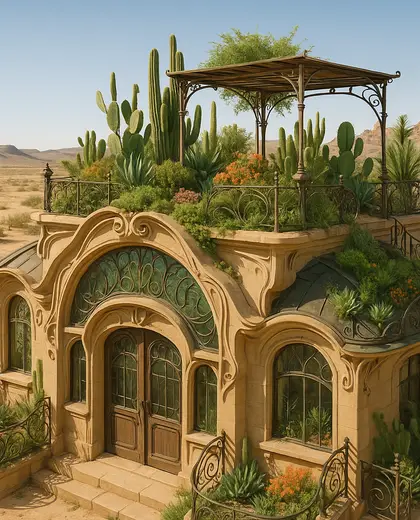
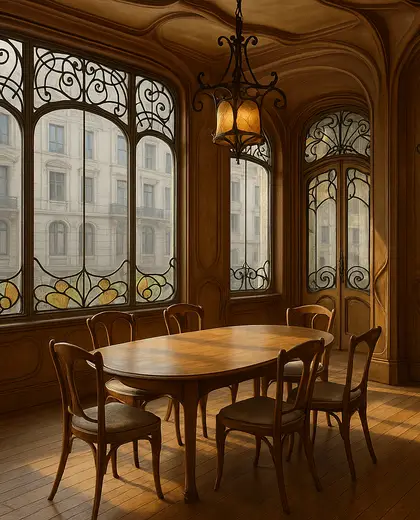
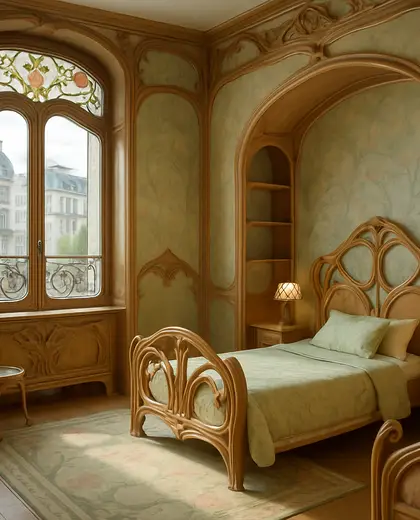
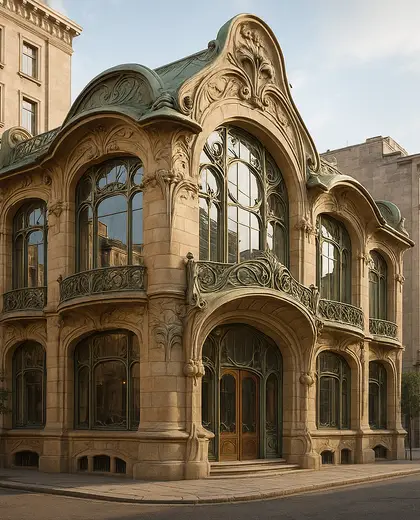
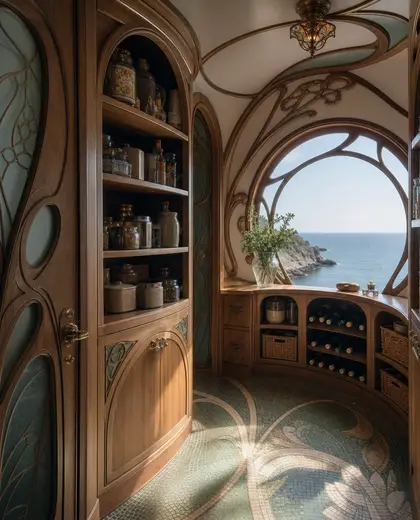
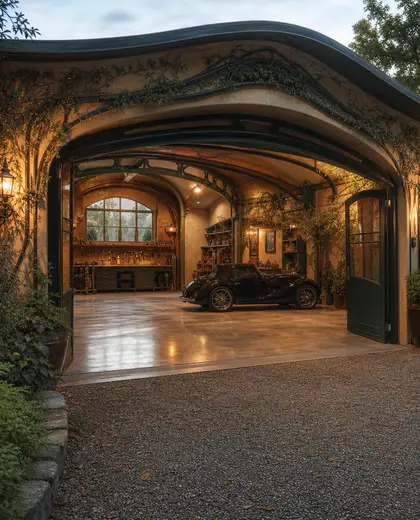
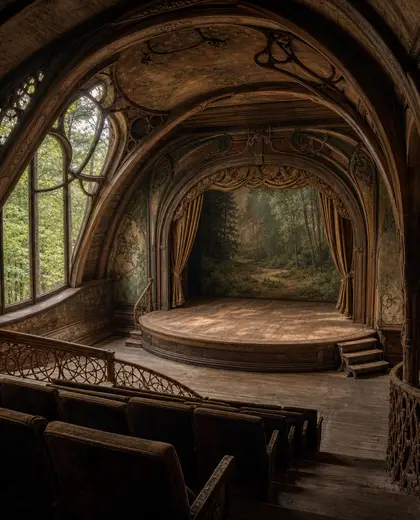
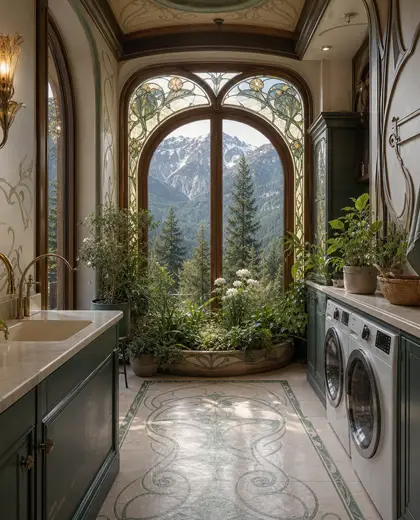
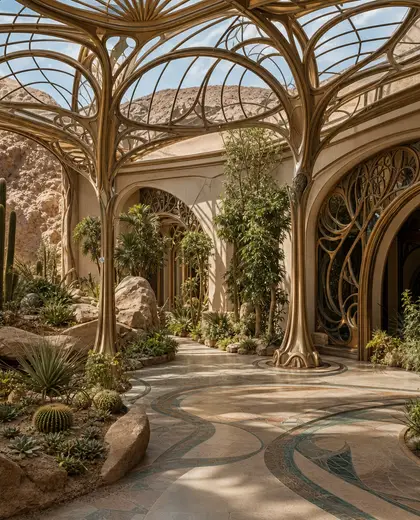
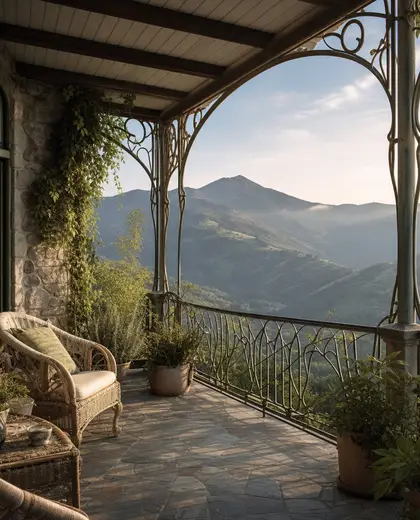
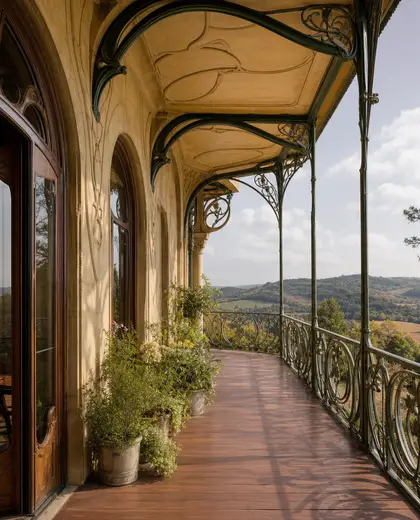
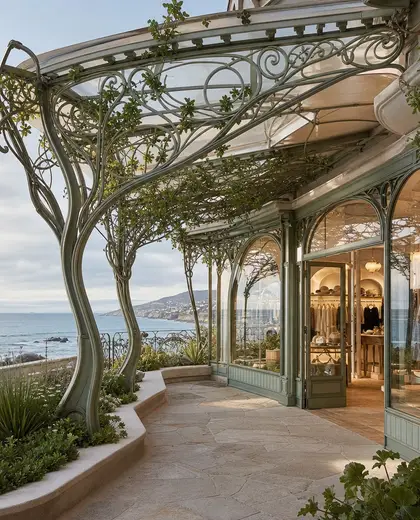
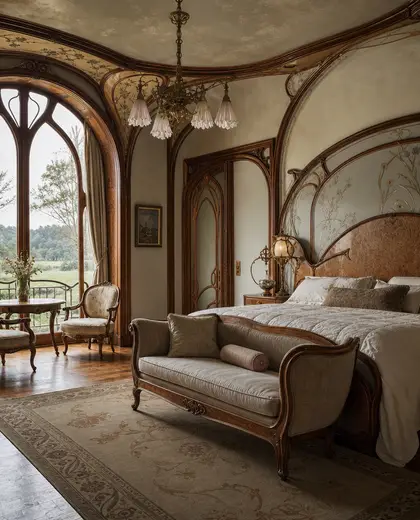
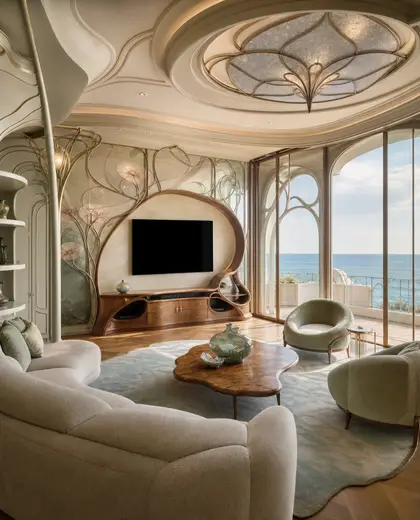
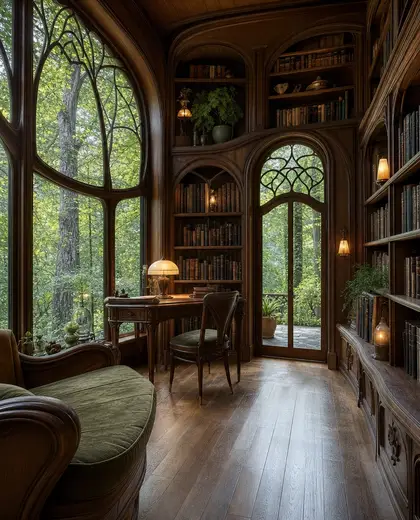
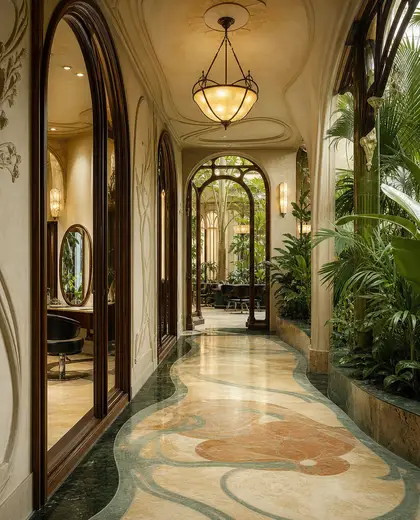
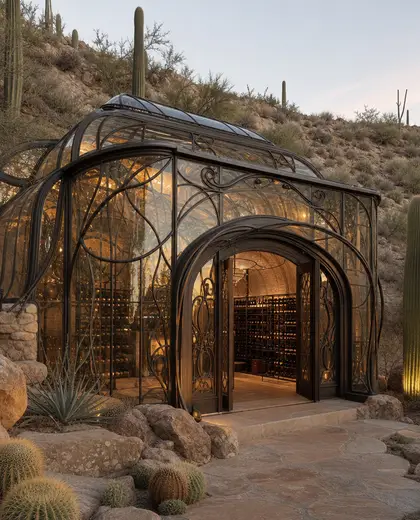
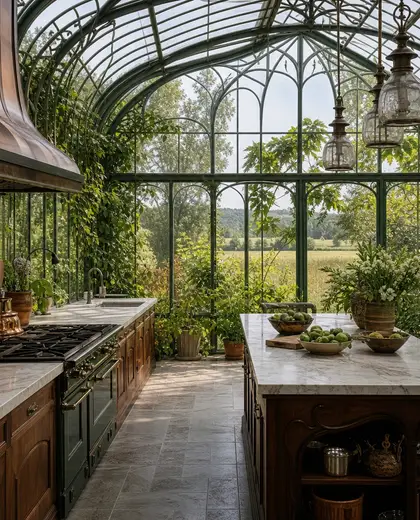
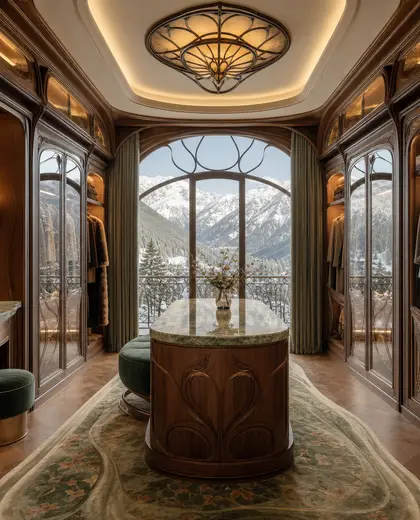
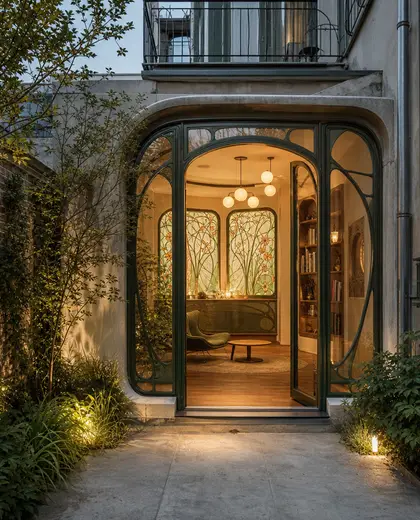
Art Nouveau is defined by sinuous, organic lines; floral and vine-like ornament; and a strong use of handcrafted detail. It often uses carved wood, wrought iron, stained glass, ceramic tile, and plaster in layouts that feel flowing rather than rigid. The palette is typically muted and nature-based, with greens, ochres, creams, deep browns, and touches of jewel tones.
- art nouveau
— References
References to explore
Does Art Nouveau work in a modern home?
Yes, if you use it as an accent language rather than covering every surface. A few curved mirrors, a patterned glass panel, or floral tile can bring the style in without overwhelming the room.
What materials make the style feel authentic?
Natural and crafted materials matter most: wood with visible grain, iron with curved lines, textured glass, tile, and plaster details. Printed surfaces alone usually read as decorative, not fully Art Nouveau.
What rooms suit this style best?
Entryways, living rooms, dining rooms, and bathrooms adapt well because they can support decorative detail. Smaller doses also work in bedrooms through lighting, headboards, and wall art.
— The style
What defines it
Carved wood, wrought iron, stained or leaded glass, ceramic tile, plaster, and decorative metalwork.
Muted botanical colors such as olive green, cream, amber, brown, moss, and occasional peacock blue or burgundy accents.
Works well with classic, eclectic, and contemporary interiors when paired with simpler furniture, natural stone, or clean-lined lighting.
— Professionals
Who has already built it
- vorbild architecturearchitects · 6 projectsView profile →
- kerem erbagci3d renderers · London · 9 projectsView profile →
- paquis norris group limitedbuilders · Reading · 3 projectsView profile →
- LoftRobejoiners · Guildford · 4 projectsView profile →
— Explore
Keep exploring
— Questions
Frequently asked questions
Does Art Nouveau work in a modern home?
Yes, if you use it as an accent language rather than covering every surface. A few curved mirrors, a patterned glass panel, or floral tile can bring the style in without overwhelming the room.
What materials make the style feel authentic?
Natural and crafted materials matter most: wood with visible grain, iron with curved lines, textured glass, tile, and plaster details. Printed surfaces alone usually read as decorative, not fully Art Nouveau.
What rooms suit this style best?
Entryways, living rooms, dining rooms, and bathrooms adapt well because they can support decorative detail. Smaller doses also work in bedrooms through lighting, headboards, and wall art.