— Ideas & inspiration
Vintage details in building design
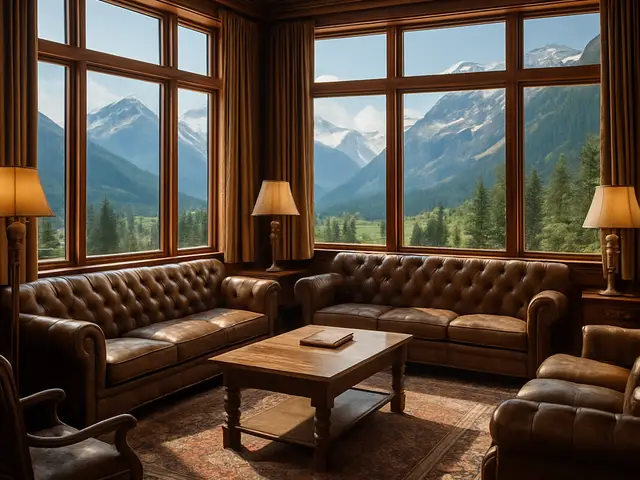
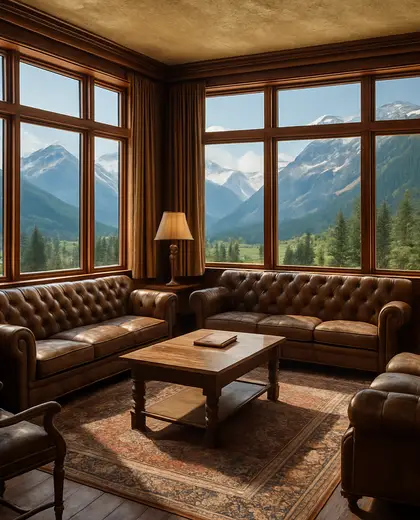
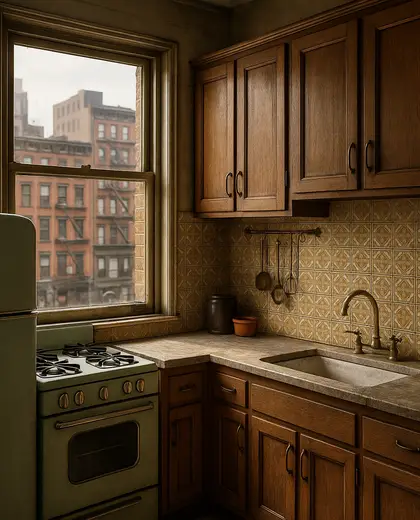
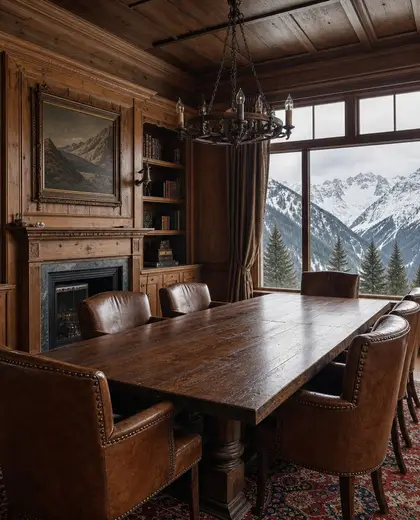
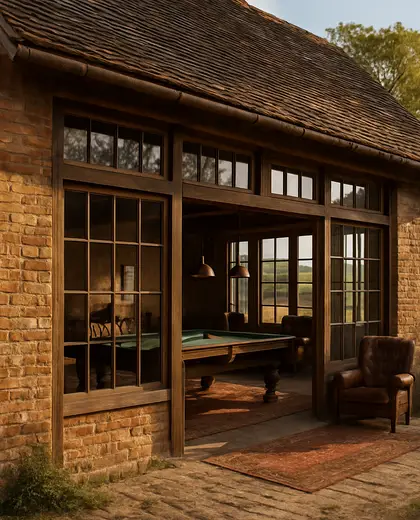
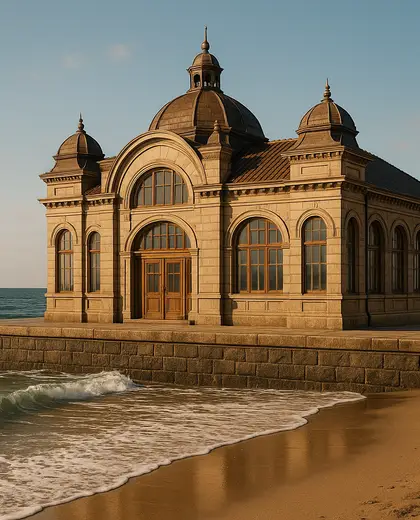
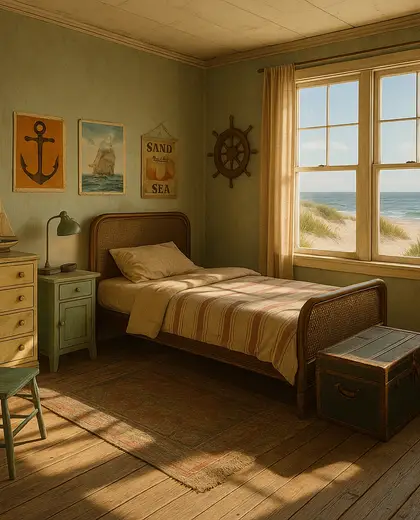
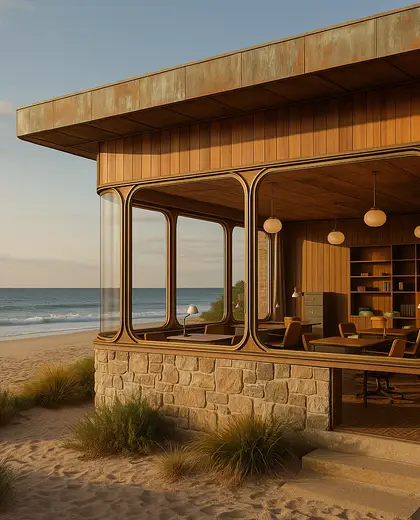
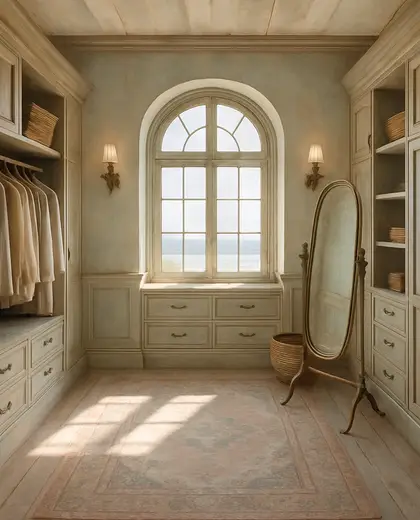
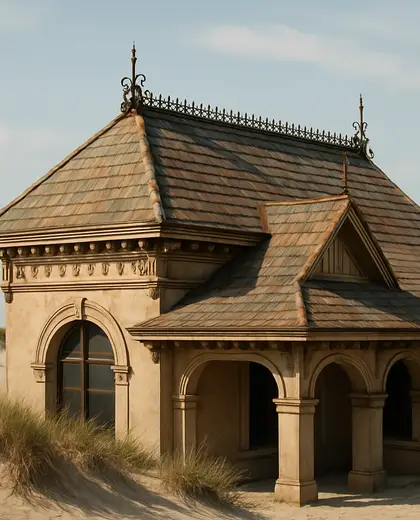
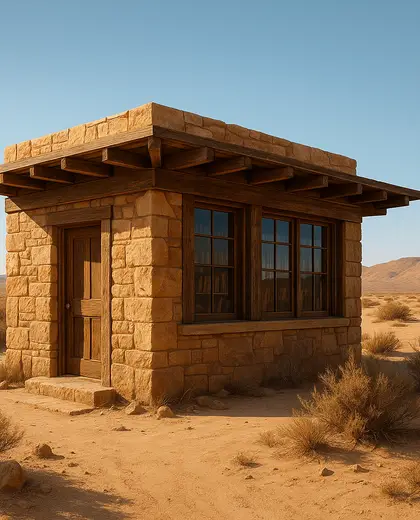
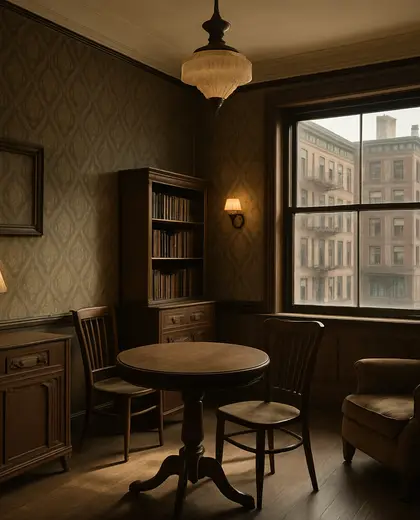
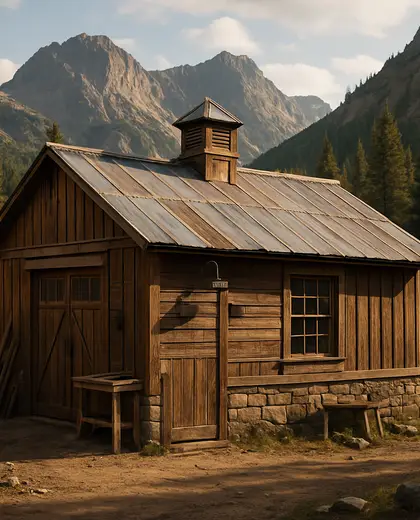
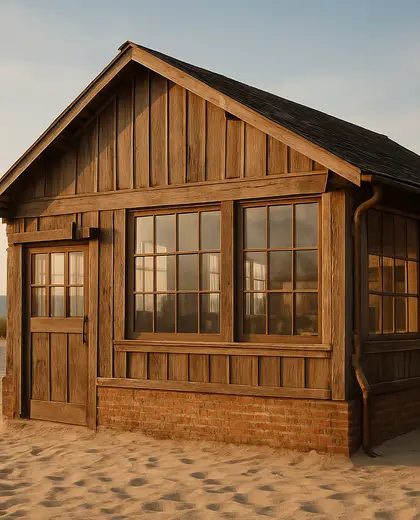
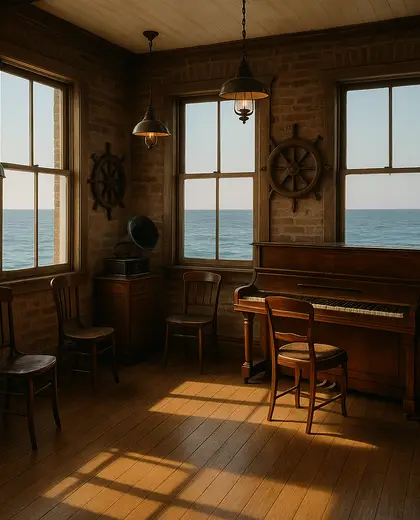
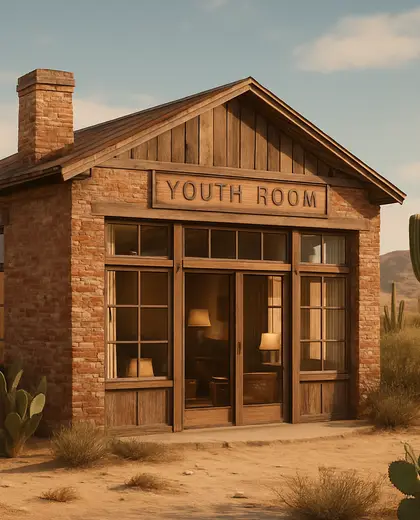
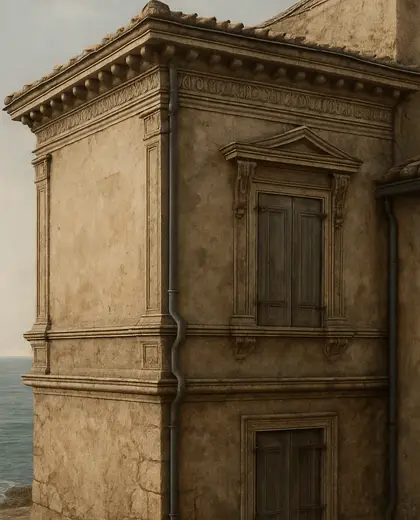
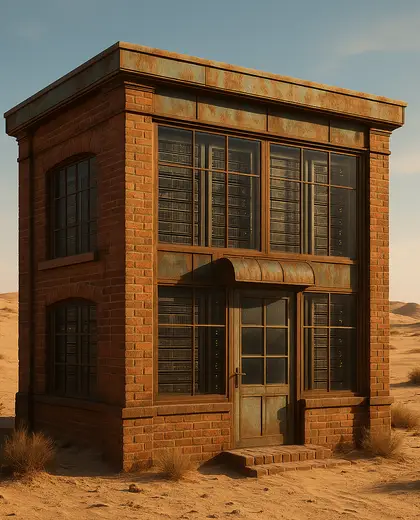
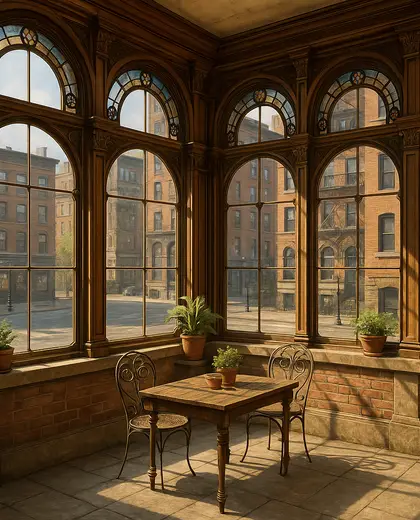
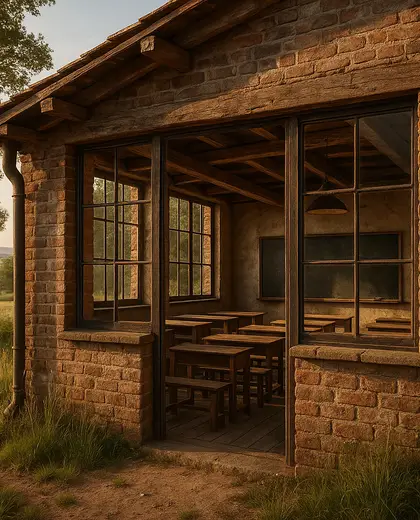
This composition pairs solid building forms with vintage character through aged finishes, classic proportions, and familiar details. Common materials include brick, timber, plaster, stone, and patinated metal, usually in warm neutrals, muted earth tones, and softened whites. It is defined by visible craftsmanship, traditional profiles, and details that feel collected rather than new.
- building
- vintage
— References
References to explore
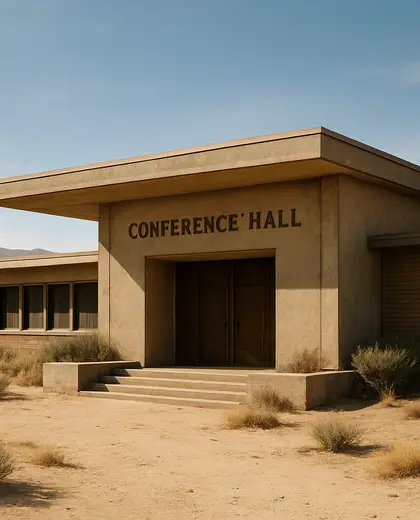
Can a home feel vintage without looking old-fashioned?
Yes. Using simple building forms with a few vintage cues, like aged hardware or patterned tile, keeps the look balanced and current.
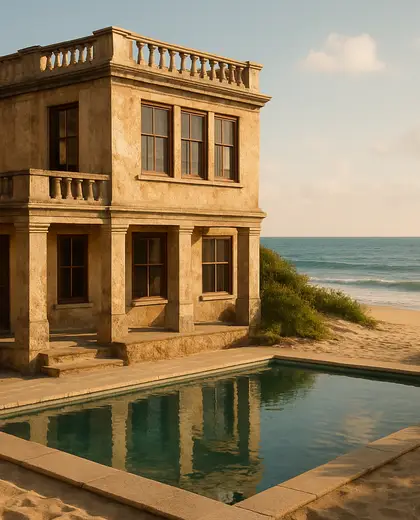
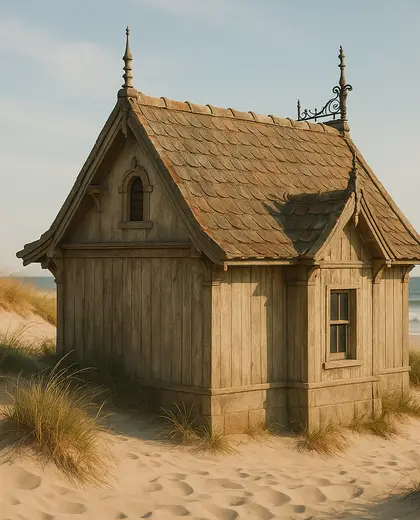
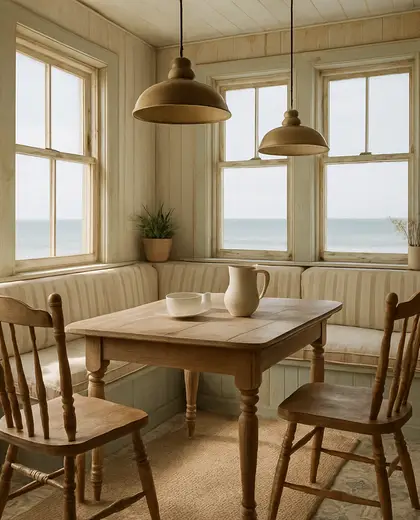
What materials make this style feel authentic?
Natural and timeworn materials do most of the work: brick, wood, stone, plaster, and metals with a patina or matte finish.
Does this composition suit new construction?
It can. New buildings can borrow vintage proportions, detailing, and finishes to create a lived-in character without copying a historic house exactly.
— The style
What defines it
Brick, timber, stone, plaster, aged brass, iron, and reclaimed finishes are typical.
Warm whites, cream, taupe, clay, muted brown, olive, and faded charcoal create the look.
Works well with traditional trim, arched openings, paneled doors, exposed beams, and antique-inspired fixtures.
— Professionals
Who has already built it
- slade slade design3d renderers · Bristol · 6 projectsView profile →
- marcela tossiinterior designers · London · 6 projectsView profile →
- maria mateaarchitects · London · 7 projectsView profile →
- paquis norris group limitedbuilders · Reading · 3 projectsView profile →
— Explore
Keep exploring
— Questions
Frequently asked questions
Can a home feel vintage without looking old-fashioned?
Yes. Using simple building forms with a few vintage cues, like aged hardware or patterned tile, keeps the look balanced and current.
What materials make this style feel authentic?
Natural and timeworn materials do most of the work: brick, wood, stone, plaster, and metals with a patina or matte finish.
Does this composition suit new construction?
It can. New buildings can borrow vintage proportions, detailing, and finishes to create a lived-in character without copying a historic house exactly.