— Ideas & inspiration
Bauhaus
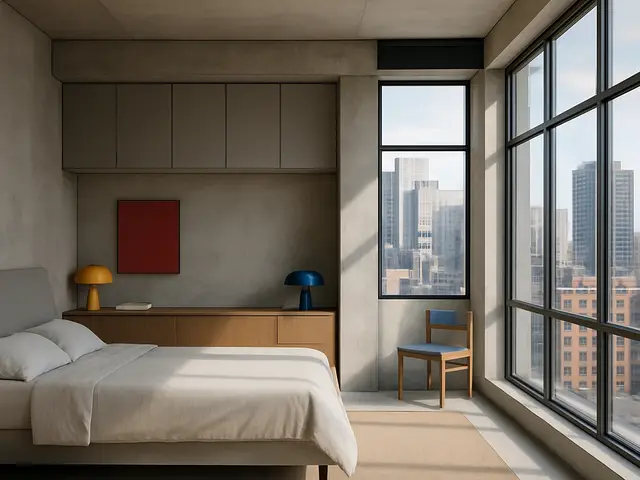
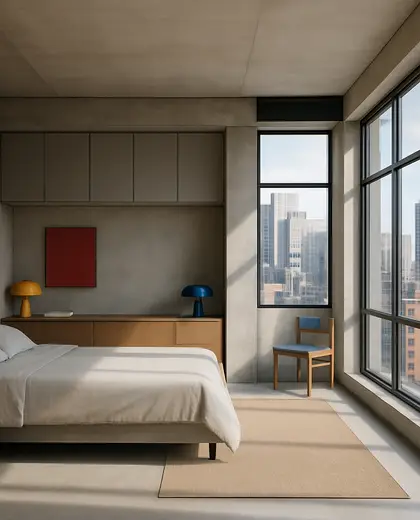
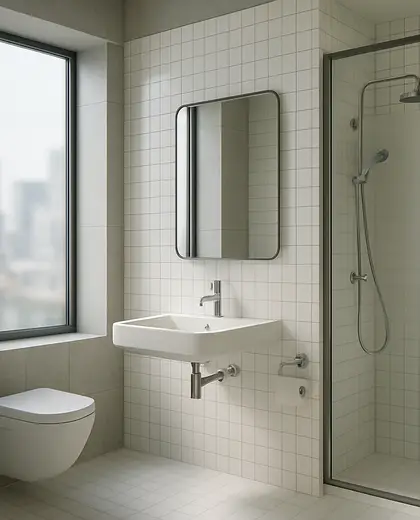
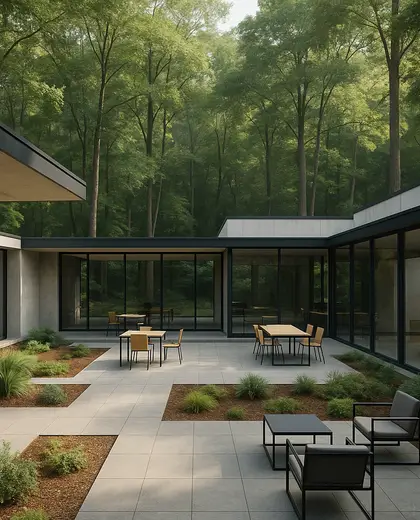
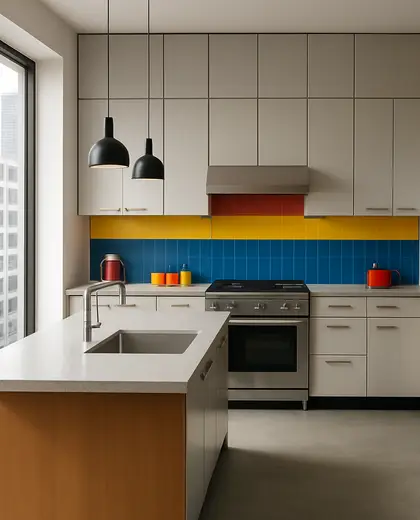
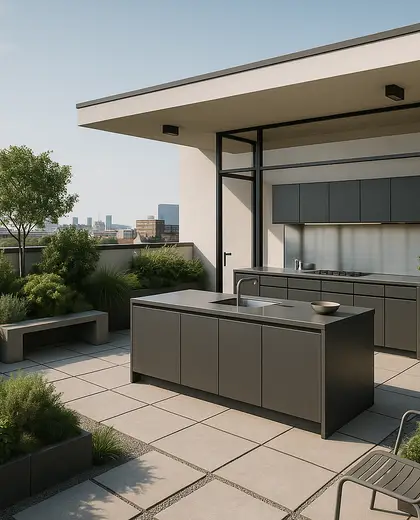
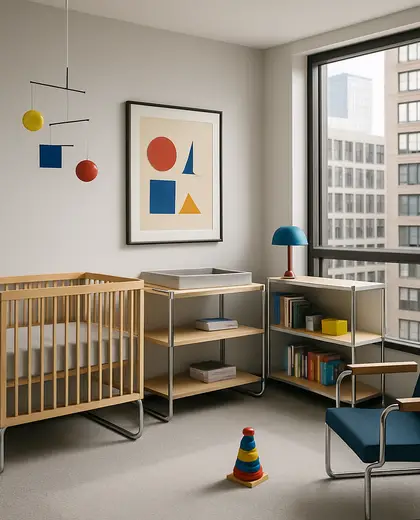
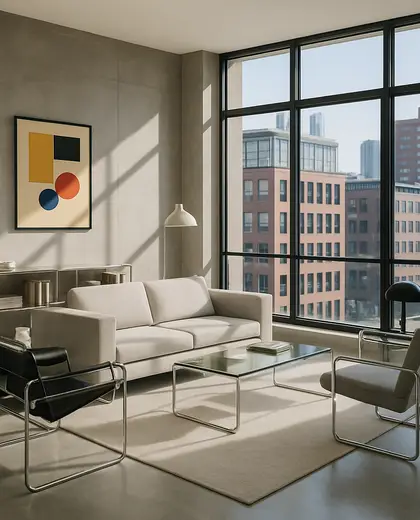
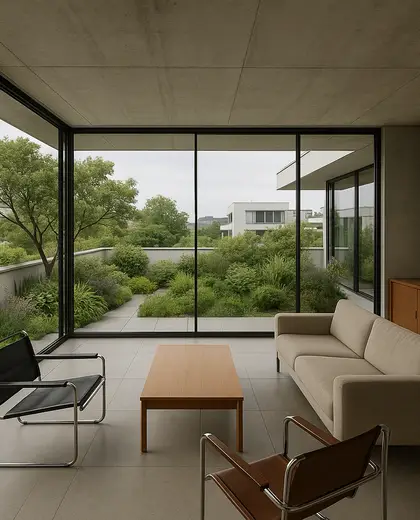
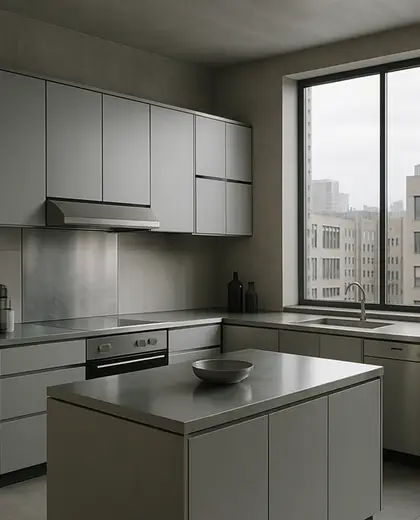
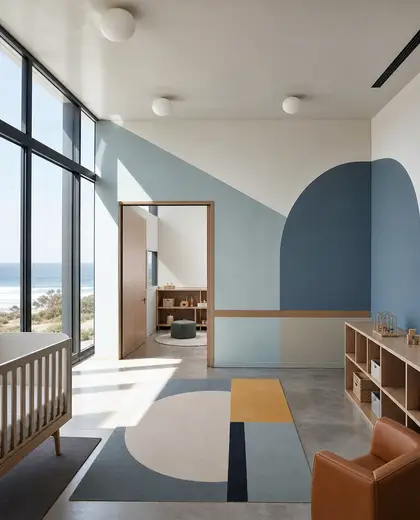
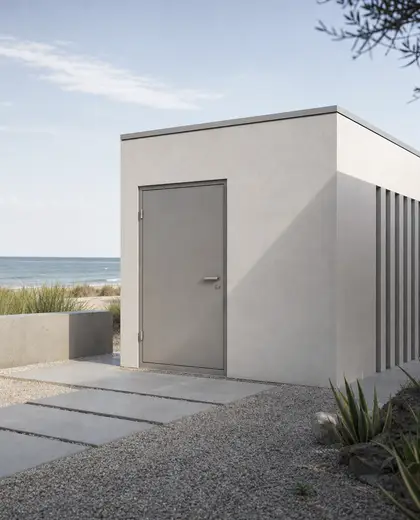
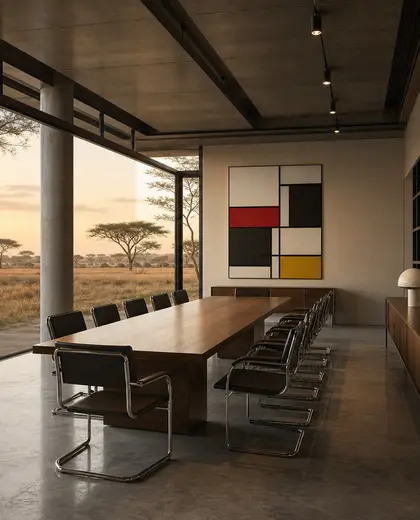
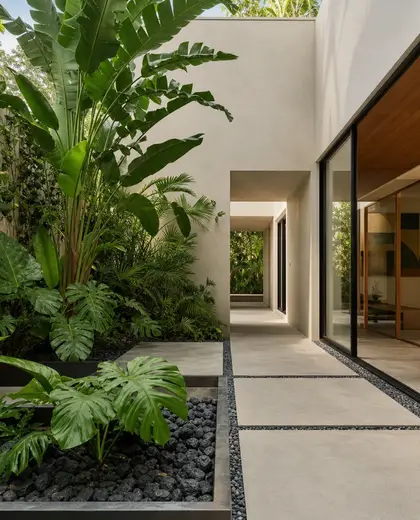
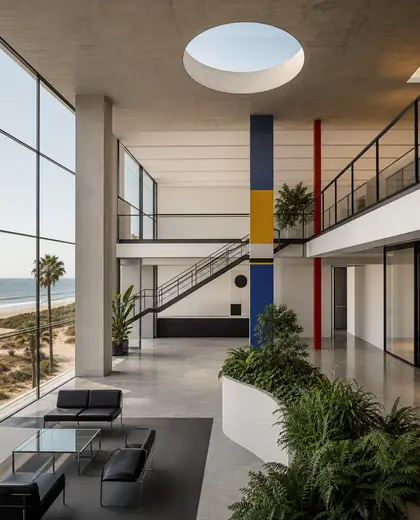
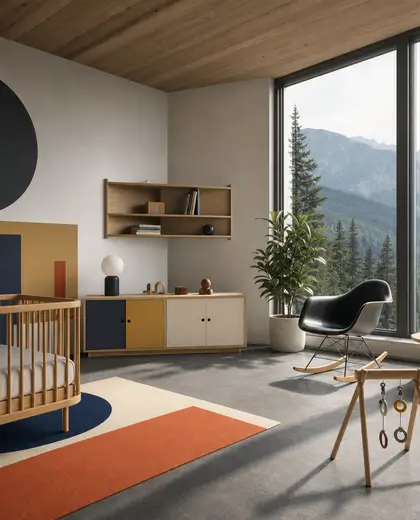
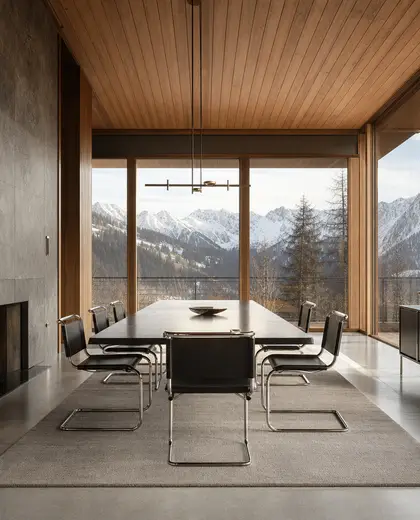
Bauhaus is defined by clean geometry, functional layouts, and a restrained mix of industrial materials. It typically uses steel, glass, concrete, and smooth plaster, with a minimal palette of white, black, gray, and primary accents. The look is built from simple volumes, flush details, and visible structure rather than ornament.
- bauhaus
— References
References to explore
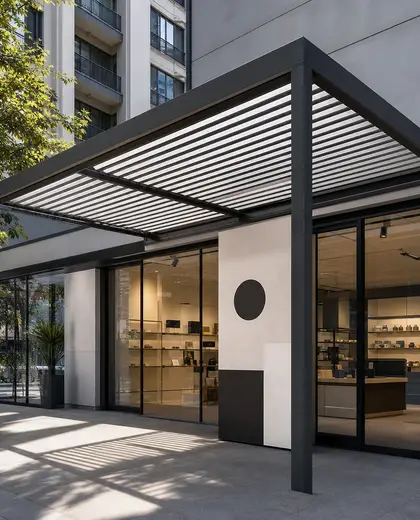
Is Bauhaus the same as minimalist style?
They overlap, but Bauhaus is more about functional modernism and geometric order. Minimalism can be softer or more reduced, while Bauhaus often brings in stronger contrast and iconic industrial details.
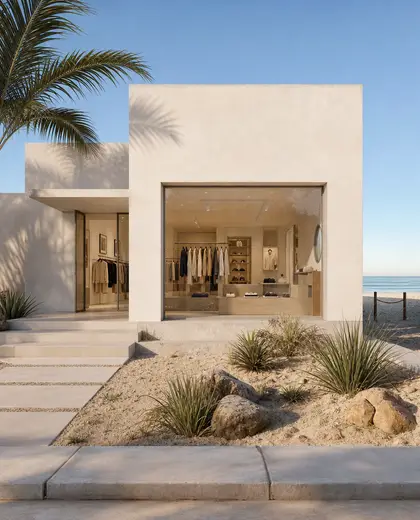
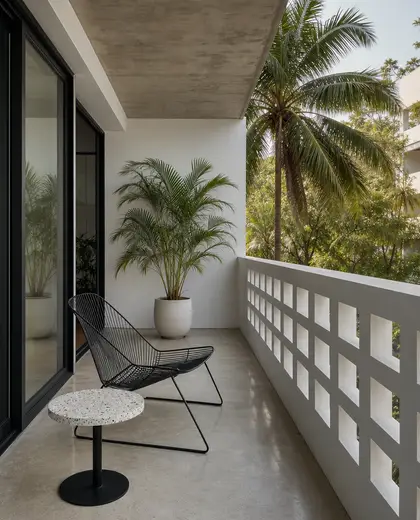
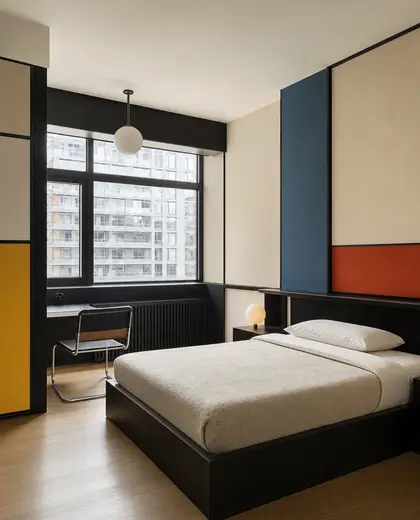
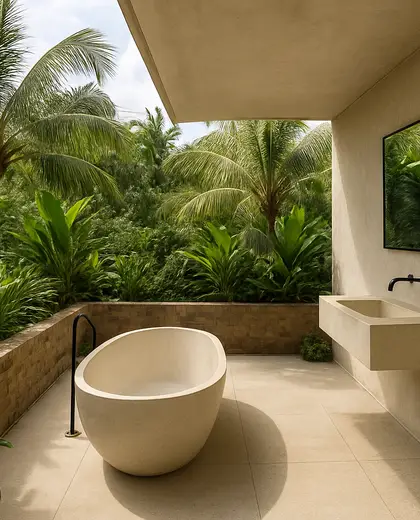
What materials should I use for a Bauhaus look?
Choose materials that feel honest and practical: steel, glass, concrete, plaster, and simple wood surfaces. Avoid heavy ornament and overly decorative finishes.
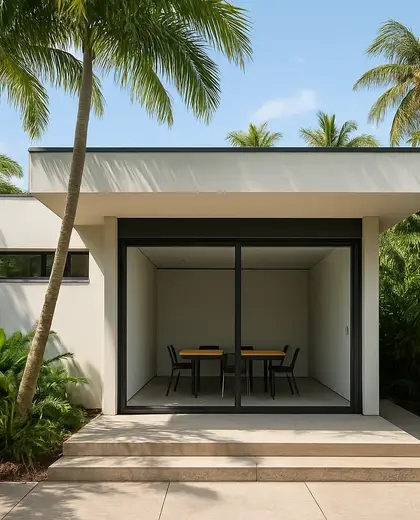
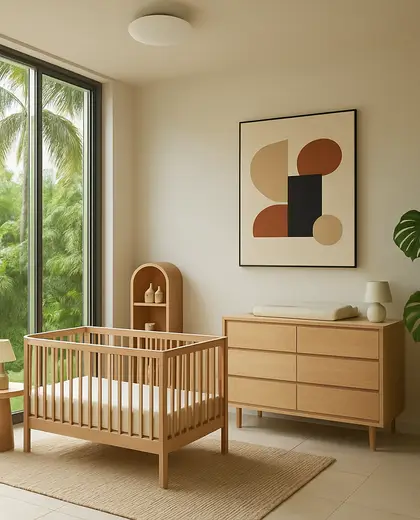
Can Bauhaus work in a home that is not ultra-modern?
Yes, if you keep the forms simple and the palette restrained. A few Bauhaus-inspired pieces, clean-lined millwork, and black metal details can bring the style in without changing the whole house.

— The style
What defines it
Steel, glass, concrete, plaster, wood, and leather are common, often used with matte or polished finishes.
Neutral whites, blacks, and grays dominate, sometimes sharpened with red, blue, or yellow accents.
Works well with open plans, built-in storage, tubular furniture, cantilevered forms, and other disciplined modernist elements.
— Professionals
Who has already built it
- LoftRobejoiners · Guildford · 4 projectsView profile →
- Beneito Faurelighting designers · 2 projectsView profile →
- Lusso Stonetile suppliers · Stocktonontees · 7 projectsView profile →
- elizabeth bee interior deinterior designers · 4 projectsView profile →
— Explore
Keep exploring
— Questions
Frequently asked questions
Is Bauhaus the same as minimalist style?
They overlap, but Bauhaus is more about functional modernism and geometric order. Minimalism can be softer or more reduced, while Bauhaus often brings in stronger contrast and iconic industrial details.
What materials should I use for a Bauhaus look?
Choose materials that feel honest and practical: steel, glass, concrete, plaster, and simple wood surfaces. Avoid heavy ornament and overly decorative finishes.
Can Bauhaus work in a home that is not ultra-modern?
Yes, if you keep the forms simple and the palette restrained. A few Bauhaus-inspired pieces, clean-lined millwork, and black metal details can bring the style in without changing the whole house.